









What is Personalization?
Imagine walking into your favorite store, and the person working there knows exactly what you like. They might say, “Hey, we just got in that new video game you were asking about!” or “We have your favorite brand of cookies on sale today!” That’s a special feeling, right? It feels like they truly understand you and what you’re looking for. This special treatment, where things are tailored just for you, is what we call personalization, especially when we talk about shopping online.
In the world of online shopping, where you can’t always have a friendly store clerk helping you, personalization is how websites try to give you that same special feeling. It’s about making your online experience unique and relevant to you. Instead of showing everyone the exact same thing, online stores use clever ways to show you products, deals, and information that they think you’ll find most interesting. It’s like having a super-smart assistant who knows your tastes and helps you discover things you’ll love.
Why Does Personalization Matter?
You might wonder, “Why do businesses go through all this trouble?” Well, personalization is a win-win situation for everyone! For you, the shopper, it makes life a lot easier and more enjoyable. Think about it:
- Easier Shopping: Instead of sifting through thousands of items, personalization helps bring the best stuff right to your attention. It saves you time and effort.
- Discover New Favorites: It’s like having a friend who knows your style and suggests a new band or a cool book you might never have found on your own. You discover things that truly fit you.
- Feeling Understood: When an online store shows you things you actually like, it makes you feel valued. It’s a nice feeling when a brand seems to “get” you.
- Better Deals: Sometimes, personalization can mean special offers or discounts on items you’ve been looking at. Who doesn’t love a good deal?
For businesses, personalization is incredibly powerful. When shoppers have a great experience, they’re more likely to be happy, find what they need, and come back again. This means:
- Happier Customers: When you feel understood, you’re more likely to enjoy shopping and have a positive view of the brand.
- More Sales: If you’re shown products you’re genuinely interested in, you’re more likely to buy them. It’s simple math!
- Customers Come Back: A personalized experience makes you feel special, encouraging you to return to that store again and again. This is a big part of customer retention.
- Building Trust: When a brand consistently delivers relevant experiences, it builds trust and a stronger relationship with its customers.
So, personalization isn’t just a fancy trick; it’s a way to make online shopping smarter, more fun, and more effective for everyone involved. It’s about turning a vast, anonymous online store into a place that feels a bit more like that friendly neighborhood shop.
How Does Personalization Work? The Magic Behind the Scenes
Personalization might seem like magic, but it’s really about smart detective work! Online stores gather clues about what you like and then use those clues to make your experience special. Let’s break down how this “magic” happens.
Collecting Clues: What Stores Learn About You
When you visit an online store, you leave a trail of clues. Don’t worry, these aren’t scary clues! They’re just pieces of information that help the store understand what kind of shopper you are. Here are some common clues:
- Your Browsing History: This is like a record of where you’ve been on their website. Did you look at a lot of shoes? Or were you checking out video games? Every click and page view gives them a hint.
- Your Purchase History: What have you bought from them before? If you bought a certain brand of pet food, they might guess you have a pet and show you more pet-related items.
- Items in Your Cart: Sometimes you add things to your cart but don’t buy them right away. This tells the store you were interested in those items.
- How You Interact: Did you open their emails? Click on specific links? Participate in a survey? All these actions provide valuable insights into your preferences.
- Your Location or Basic Information: If you share your general location or sign up with your birthday, this can help them offer relevant products or send you a special birthday treat.
Putting Clues Together: Smart Computers
Once an online store has all these clues, they don’t have a person sitting there trying to guess what you like. Instead, they use very smart computer programs called algorithms. Think of an algorithm as a super-fast, super-smart detective. It takes all the clues from you and other shoppers and looks for patterns.
- For example, if many people who bought a certain book also bought a specific type of coffee mug, the algorithm might suggest that coffee mug to you if you just bought that book.
- If you spend a lot of time looking at red dresses, the algorithm will notice that and show you more red dresses, or even other items that might go well with them.
These algorithms learn and get smarter over time. The more you interact with a store, the better it gets at guessing what you might want next. This is how online stores can suggest products, show you personalized deals, or even change the way their homepage looks just for you.
Where Does This Information Come From?
The information used for personalization primarily comes from two places:
- Things You Tell Them: When you create an account, sign up for a newsletter, or fill out a profile, you might share your name, birthday, or interests.
- Things You Do on Their Site: This is the biggest source. Every time you click, view, search, or buy something, the website notes it down. It’s like the website remembering your footsteps.
Rest assured, reputable online stores are very careful with this information. They use it to improve your shopping experience, not for anything sneaky. It’s all about making your time on their site more enjoyable and efficient.
Types of Personalization You See Every Day
Personalization isn’t just one thing; it shows up in many different ways when you’re shopping online. You’ve probably seen many of these without even realizing they were personalization! Here are some common types:
Product Recommendations
This is one of the most visible forms of personalization. When you’re browsing an online store, you often see sections like:
- “Customers who bought this also bought…” This suggests items that other people purchased along with the product you’re currently viewing. It’s a great way to find complementary items.
- “Recommended for you” or “You might also like”: These suggestions are based on your past browsing history, purchases, or even items you’ve added to your wishlist. If you looked at running shoes, you might see recommendations for running socks or athletic wear.
- “Trending now in your area”: Sometimes, recommendations can even be based on what’s popular with other shoppers in your geographical region.
These recommendations make it easier for you to find exactly what you’re looking for, or discover new items that fit your tastes, without having to search through the entire store.
Personalized Website Experience
Sometimes, the entire look and feel of a website can change just for you. This might include:
- Different Homepage Banners: If you’ve been looking at electronics, the website’s main banner might feature new gadgets, while someone else might see clothing sales.
- Rearranged Product Categories: The categories or sections shown prominently on the homepage might be ordered based on what you usually browse.
- Remembering Your Cart: If you leave items in your shopping cart and come back later, they’re still there, waiting for you. This remembers your past actions and makes it convenient.
- Saved Preferences: Some sites let you save your sizes, colors, or favorite brands, so they can show you items that match those preferences more often.
This kind of personalization helps create a website that feels tailored to your unique shopping journey, making it quicker to find what you want.
Personalized Offers and Discounts
Who doesn’t love a good deal? Personalization can also mean receiving special offers that are just for you:
- Birthday Discounts: Many brands send special discounts or treats on your birthday if you’ve shared that information with them.
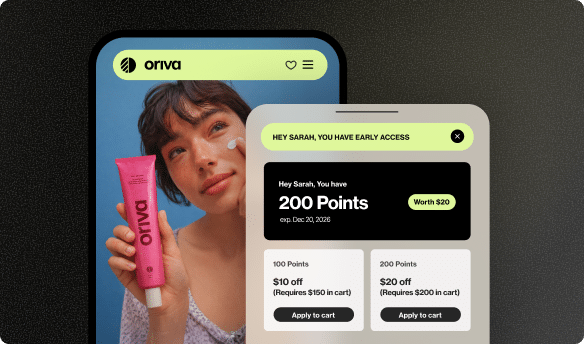
- Loyalty Program Perks: If you’re part of a loyalty program, you might get exclusive access to sales or points bonuses on products you often buy. Check out how loyalty programs work.
- Special Offers for Past Purchases: If you bought a certain product, you might receive an offer for accessories that go with it, or for the next version of that product.
These personalized offers make you feel like a valued customer and ensure you’re getting deals that are actually relevant to your interests.
Personalized Communication
Even the messages you receive from brands can be personalized:
- Emails with Your Name: Receiving an email that starts with “Hi [Your Name]” already feels more personal than a generic greeting.
- Emails About Items You Viewed: If you looked at a product but didn’t buy it, you might receive an email later reminding you about it, or even offering a small discount.
- Updates About Your Loyalty Points: If you’re collecting points, you’ll receive updates on how many points you have and what rewards you can get. This is a key part of Yotpo Loyalty.
- Tailored Newsletters: Newsletters can be customized to show you new products or articles based on your past interests, rather than sending the same email to everyone.
Personalized communication helps keep you engaged with brands in a way that feels helpful and relevant, rather than spammy.
Personalization and Your Favorite Brands: How Yotpo Helps
Now that we understand what personalization is and why it’s so important, let’s look at how tools like those from Yotpo help brands deliver these amazing, personalized experiences. Yotpo focuses on helping brands connect with their customers in meaningful ways, making every interaction feel unique and valuable.
Making Shopping Special with Reviews
When you’re shopping online, one of the best ways to get a personalized experience is to hear from other real people. That’s where customer reviews come in! Imagine you’re looking for a new backpack. If you can read what other students, hikers, or travelers—people just like you—have said about it, suddenly that backpack feels more real and relevant to your needs. This is a powerful form of User-Generated Content (UGC), which you can learn more about here.
Here’s how reviews help with personalization:
- Trust from Your Peers: You’re more likely to trust what other customers say than what a brand says about itself. When reviews are readily available, you can quickly find experiences from people who have similar needs or concerns as you.
- Finding the Right Fit: Reviews often highlight specific features, pros, and cons that might be important to you. For example, if you read a review saying a coat is great for cold weather but runs a bit small, you know to order a size up for your personal comfort.
- Visual Proof: Some platforms allow customers to share photos or videos in their reviews. Seeing a product used by real people in real situations makes it easier for you to imagine how it might fit into your life, making the shopping experience very personal. Explore visual UGC.
Yotpo’s Reviews product is a fantastic tool that helps businesses collect, manage, and display these crucial customer reviews. By making it easy for brands to gather authentic feedback and show it right on their product pages, Yotpo helps you, the shopper, feel more confident and informed. It personalizes your decision-making process by giving you direct insights from other people’s experiences, making it simpler to pick the product that’s truly best for you. Brands can even learn how to ask customers for reviews effectively to gather even more helpful content.
Being a VIP with Loyalty Programs
Another incredible way brands personalize your experience is through loyalty programs. These are like special clubs that reward you for being a loyal customer. It’s not just about earning points; it’s about making you feel like a valued part of the brand’s community, and it’s built entirely on personalization.
Think about how loyalty programs make things personal for you:
- Rewards Just for You: You earn points for actions you take – buying things you need, engaging with the brand, or even celebrating your birthday. These points then unlock rewards that are usually chosen to appeal to loyal customers.
- Exclusive Access: Loyalty members often get early access to sales, new products, or special events. This makes you feel like an insider, getting a unique experience that others don’t.
- Tiered Benefits: Many programs have different levels, like Silver, Gold, or Platinum. As you reach higher levels, you unlock even better perks. This journey is personalized to your continued engagement and loyalty.
- Birthday or Anniversary Gifts: Getting a special discount or a small gift on your birthday or the anniversary of joining the program is a classic personalized touch that shows the brand remembers you.
Yotpo’s Loyalty product helps businesses create and run these amazing VIP clubs. It makes it easy for brands to track your activities, award points, and offer rewards that resonate specifically with you. By using Yotpo Loyalty, brands can make every interaction feel more personal and rewarding, encouraging you to keep coming back because you feel appreciated and understood. This isn’t just about discounts; it’s about building a strong, personal connection between you and the brands you love, making your journey with them truly unique.
Working Together: Reviews and Loyalty for a Super Personal Touch
Sometimes, the best experiences happen when different personalized tools work together. Imagine you’re a member of a brand’s loyalty program, powered by Yotpo Loyalty. Because you’re a valued member, the brand might offer you extra loyalty points for leaving a review on a product you just bought, collected using Yotpo’s Reviews app. This isn’t just getting points; it’s a personalized invitation that acknowledges your loyalty and encourages you to share your unique opinion.
And when you go to read reviews for a new product, imagine seeing a note next to a review that says, “Review from a Gold Tier Loyalty Member!” This instantly adds more trust and relevance for you, especially if you’re also a loyalty member. It’s a subtle but powerful synergy where your involvement with the brand (loyalty) makes the information you see (reviews) even more personal and valuable. These connected experiences create a richer, more integrated shopping journey that truly makes you feel like the brand knows and appreciates you.
The Future of Personalization
Personalization is always evolving, getting smarter and more helpful. The future holds even more exciting possibilities:
- Even Smarter Recommendations: Imagine recommendations that don’t just know what you’ve bought, but also understand your lifestyle. Perhaps suggesting eco-friendly products if you’ve shown interest in sustainable living.
- Seamless Experiences: Personalization will become even more invisible, simply making your online journey flow perfectly without you even noticing the technology behind it.
- Interactive Personalization: Some future personalization might involve more direct questions or quick quizzes to fine-tune suggestions, giving you even more control.
- Voice and AI: As smart assistants become more common, personalization could extend to how brands interact with you through voice commands, making recommendations through conversations.
No matter how it grows, the goal of personalization will always be the same: to make your online interactions with brands as helpful, enjoyable, and unique as possible, giving you the best experience every time.
Personalization Examples You Might See
Here’s a quick look at some common personalized experiences and why they’re so helpful:
| What Happens | Why It’s Personalized |
|---|---|
| You search for “kids’ sneakers,” and the website shows you only kids’ sizes and styles. | It filters results based on your specific search, saving you from sifting through adult shoes. |
| You put a shirt in your cart but don’t buy it. Later, you get an email reminder about it. | The email specifically mentions an item you showed interest in, making it relevant to your unfinished shopping. |
| You always buy coffee from a certain brand. The website shows you a new flavor from that brand. | It uses your past purchase habits to suggest a related product you’re likely to enjoy. |
| As a loyalty member, you get early access to a big sale before anyone else. | Your status as a loyal customer unlocks exclusive benefits, making you feel special. |
| A product page highlights reviews from customers who mentioned living in a similar climate to yours. | It helps you see opinions that are most relevant to your specific situation and needs. |
Benefits of Personalization for Shoppers
- Saves Time: No more endless scrolling; the good stuff comes to you.
- Reduces Stress: Finding what you need feels easier and less overwhelming.
- Better Recommendations: Discover products you truly love, not just random items.
- Feels Valued: You feel like the brand knows and cares about your preferences.
- Relevant Offers: Get deals on things you actually want to buy.
- Improved Overall Experience: Shopping becomes more enjoyable and efficient.
Conclusion
So, what is personalization? It’s all about making your online shopping journey unique to you. It’s the smart way online stores try to be that friendly shop owner who remembers your favorite things. By using clues from your browsing and buying habits, and by offering tailored experiences like special loyalty programs or relevant customer reviews, personalization creates a more enjoyable, efficient, and ultimately more human way to shop online.
For brands, it’s about building stronger relationships with their customers by showing they understand and appreciate them. For you, it means less searching and more finding, less frustration and more delight. In a vast online world, personalization helps bring that feeling of individual care and attention right to your screen, making every shopping trip feel a little more special and a lot more just for you.



 Join a free demo, personalized to fit your needs