








What is LTV? (What is Lifetime Value?)
Have you ever wondered how your favorite online stores decide what new toys to stock or how to make their customers super happy? It’s like they have a secret superpower, right? Well, they do! It’s called LTV, which stands for Lifetime Value. Think of LTV as a crystal ball that helps businesses understand how much a customer might spend with them over their entire “shopping life.” It’s a really important idea that helps businesses grow and keep you coming back for more cool stuff.
Imagine your favorite candy store. They want to know if you’ll just buy one lollipop today, or if you’ll come back every week for years, buying candy, chocolates, and maybe even a birthday cake! Knowing this helps them decide if it’s a good idea to offer you a special deal or to make sure their store is extra fun for you. That’s LTV in action!
Imagine a Lemonade Stand
Let’s make it even simpler. Picture yourself running a lemonade stand. You sell delicious lemonade for a dollar a cup. One person, let’s call her Sarah, buys a cup of lemonade from you every single sunny day for two whole months. That’s 60 days, so Sarah spends $60 at your stand. Another person, David, only buys one cup, ever. Sarah has a much higher LTV for your lemonade stand than David does.
This simple example shows that some customers are more valuable over time, not just in one single purchase. Businesses want to find more customers like Sarah, who love what they offer and keep coming back. Understanding LTV helps them focus on making those loyal customers extra happy.
The Big Secret of LTV
The big secret is that LTV isn’t just about how much money a customer spends. It’s also about how long they stay a customer and how happy they are. A customer who stays for a long time and is happy will often tell their friends about the great experience, bringing even more new customers to the business. That’s like getting free advertising!
For online stores, knowing a customer’s LTV helps them decide how much effort and money they should spend to keep that customer. If a customer is likely to spend a lot over many years, the business will want to go above and beyond to make sure they’re always smiling. It’s a win-win: the customer gets a great experience, and the business grows stronger.
Why is LTV So Important for Businesses?
You might be thinking, “Why do businesses care so much about this LTV thing?” Well, it’s because it’s like a superpower that helps them plan for the future, make smart decisions, and create awesome experiences for you!
Helping Businesses Make Smart Choices
Imagine a captain sailing a ship. They need a map and a compass to know where they’re going and to avoid crashing. For a business, LTV is like that map and compass. It helps them see which customers are their “star players” and how to find more people like them. If they know loyal customers are worth a lot, they’ll invest in things that make those customers feel special.
This means they might spend more on making their website super easy to use, or on having friendly customer service. They might also decide to launch new products or services that they know their best customers will love. It’s all about making smart choices that lead to long-term success, not just quick sales.
Making Customers Happy
Happy customers are the best! And LTV is all about understanding how to make customers happy so they stick around. When a business knows a customer’s potential LTV, they realize that every interaction matters. From the moment you visit their site to the time your package arrives, and even after, they want you to have a great time.
This focus on happiness means businesses often try harder to solve problems quickly, offer help when you need it, and even surprise you with special treats. They know that a positive experience can turn a one-time shopper into a lifelong fan. Want to know more about how businesses keep customers happy? Check out how they focus on the eCommerce customer experience.
Happy Customers Stay Longer
Think about your favorite toy. You wouldn’t want to get rid of it after just one day, right? You want to play with it again and again. It’s the same with businesses. When you’re happy with a store, you keep coming back. This is called customer retention, and it’s a huge part of LTV. The longer a customer stays, the more value they bring.
Businesses use LTV to understand how important it is to keep you happy. They know that keeping an existing customer is often easier and cheaper than finding a brand new one. They focus on strategies to improve customer retention, which helps boost LTV.
Happy Customers Tell Friends
What’s better than finding something awesome? Telling your friends about it! When you love a store, you’ll naturally tell your family and friends. This is called word-of-mouth marketing, and it’s super powerful. These friends might then become new customers, and because they heard about it from someone they trust, they might also become long-term, high-LTV customers.
LTV helps businesses see the big picture. They understand that a happy customer isn’t just one person; they’re also a potential messenger who can bring in many more. This is why businesses often encourage you to share your experiences and even offer things like referral codes.
Spending Money Wisely
Businesses have to spend money to get new customers, kind of like how you might spend a dollar on a poster to advertise your lemonade stand. This is called Customer Acquisition Cost (CAC). LTV helps businesses compare how much they spend to get a customer versus how much that customer will spend over time. If a customer’s LTV is much higher than the CAC, that’s a good deal!
Knowing LTV helps businesses decide how much they can afford to spend to get a new customer. If they know a customer will bring in a lot of money over time, they might be willing to spend a bit more upfront to get them. It’s like planting a tiny tree that you know will grow into a big, strong tree that gives lots of fruit for years. You wouldn’t mind watering it a bit more in the beginning, right? You can learn more about customer acquisition cost here.
How Do Businesses Calculate LTV? (Simplified Explanation)
Calculating LTV might sound like a super complicated math problem, but at its heart, it’s about understanding a few simple numbers. Businesses use these numbers to make an educated guess about how much a customer will spend with them over time. Remember, it’s an estimate, not a magic number that’s always perfectly exact!
Simple Math Example
Let’s go back to our lemonade stand. If Sarah buys a $1 cup of lemonade every day, and we expect her to do this for 60 days in a row, her LTV would be:
$1 (per cup) x 60 (days) = $60.
Now, imagine a customer who buys a $5 toy once a month for a year. Their LTV would be:
$5 (per toy) x 12 (months) = $60.
See how it works? Businesses look at how much customers usually spend and how often, then try to figure out how long they’ll keep shopping.
What You Need to Know for LTV Calculation
To get a better LTV number, businesses often look at three main things:
Average Purchase Value
This is the average amount of money a customer spends each time they make a purchase. If someone buys a $10 item one time and a $30 item another time, their average purchase value for those two buys would be $20 ($10 + $30 = $40; $40 / 2 purchases = $20).
Purchase Frequency
This is how often a customer buys something from the business. Do they buy once a week? Once a month? Once a year? The more often they buy, the higher their LTV will likely be.
Customer Lifespan
This is how long a customer usually stays a customer. Do they shop for 6 months, 1 year, or 5 years? Businesses try to guess this based on past customers. The longer the lifespan, the higher the LTV!
You can multiply these three numbers together to get a basic LTV! So, it’s like:
(Average Purchase Value) x (Purchase Frequency) x (Customer Lifespan) = LTV
| LTV Calculation Part | What It Means | Example for a Toy Store |
|---|---|---|
| Average Purchase Value | How much a customer spends each time they shop. | A customer usually buys a toy worth $25. |
| Purchase Frequency | How often a customer shops (e.g., per year). | This customer buys toys 4 times a year. |
| Customer Lifespan | How many years a customer keeps shopping. | This customer shops for about 3 years. |
| Calculated LTV | $25 x 4 x 3 = $300 | The estimated LTV for this customer is $300. |
This table gives you a simplified idea. Real businesses might use more complex math, but these are the main ingredients!
How Can Businesses Increase LTV? (Making Customers Stay Longer)
Once a business knows how important LTV is, they want to make it even higher! It’s like wanting your favorite plant to grow bigger and stronger. To do this, businesses focus on making customers super happy and giving them reasons to keep coming back. They want you to love shopping with them so much that you wouldn’t dream of going anywhere else.
Keeping Customers Happy with Great Experiences
The best way to increase LTV is to make every shopping experience awesome. This means everything from a super easy-to-use website to fast shipping and friendly customer service. If shopping is fun and easy, you’re more likely to return. Imagine a treasure hunt where you always find the prize easily and get a friendly cheer at the end – you’d want to do that hunt again and again, right?
Businesses try to understand what makes their customers happy and then do more of that. They look at feedback, listen to what people are saying, and constantly try to improve. This creates a positive experience that builds trust and encourages repeat purchases, boosting LTV.
The Power of Customer Reviews and Feedback
Have you ever looked at a new game or toy online and seen what other kids said about it? Those are customer reviews, and they are super important! Businesses love it when you share your thoughts because it helps them in many ways:
- It helps other shoppers: When new customers see positive reviews, they feel more confident buying something. This helps the business get more new customers who might also become loyal.
- It helps the business improve: If customers say something could be better, the business can listen and make changes. This makes the experience even better for everyone, encouraging people to stay.
Reviews are like little reports that tell the business what’s working and what’s not. By collecting and showing off customer reviews, businesses build trust and improve their products and services. Yotpo helps businesses collect these important reviews, making sure they are seen by everyone. This not only attracts new customers but also reassures existing ones, making them more likely to stick around and boost their LTV. Understanding how to ask customers for reviews is a valuable skill for businesses.
Rewarding Loyal Customers
Do you get a sticker or a small prize when you visit your dentist or doctor sometimes? That’s a way of rewarding you for being a good patient! Businesses do something similar with loyalty programs. These programs are designed to thank customers for sticking around and spending their money with that particular store. They might offer:
- Points for every purchase that can be turned into discounts.
- Special access to new products before anyone else.
- Birthday treats or exclusive offers.
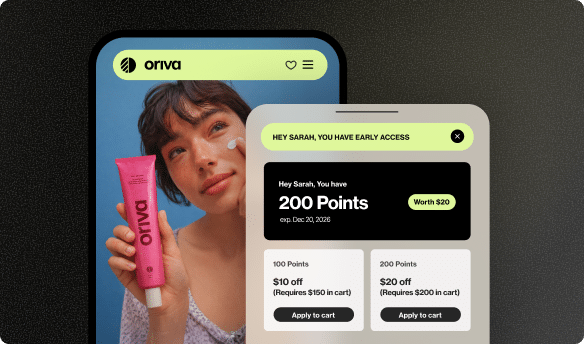
These rewards make customers feel special and appreciated, which makes them want to keep shopping there. Yotpo provides great tools for businesses to create exciting loyalty programs that encourage customers to return again and again. These programs are key for increasing LTV because they turn casual shoppers into dedicated fans. For more ideas, you can check out some best loyalty programs that really work.
Making Shopping Easy and Fun
Nobody likes a struggle! If an online store is confusing or hard to use, customers will just go somewhere else. Businesses work hard to make their websites clear, fast, and enjoyable. They want you to find what you’re looking for easily and have a smooth checkout process.
Think of it like a fun game. If the game is too difficult or has too many glitches, you stop playing. But if it’s easy to learn and exciting, you play for hours! Online stores want to be that exciting, easy game that you always choose.
Building a Community Around Your Brand
Some businesses create special clubs or online groups where their customers can talk to each other, share ideas, and feel like part of something bigger. This is called building a community. When customers feel connected to a brand and to other people who love it, they become even more loyal. It’s like having a fan club for your favorite band or movie!
This sense of belonging makes customers less likely to leave, which directly helps to increase their LTV. They’re not just buying products; they’re joining a shared experience.
Asking for Help and Listening
Just like how good friends listen to each other, good businesses listen to their customers. They ask for feedback through surveys or by reading comments online. And most importantly, they act on that feedback. If enough people say they want a certain feature or color, the business tries to make it happen!
When customers feel heard, they feel valued. This strong connection makes them more committed to the brand, increasing their overall LTV. It shows them that their opinions truly matter.
Ways to Boost LTV
- Offer amazing customer service every single time.
- Create exciting loyalty and rewards programs.
- Actively ask for and use customer reviews and feedback.
- Make sure your website and shopping experience are super easy and fun.
- Personalize offers and recommendations based on what customers like.
- Build a community where customers can connect with each other and the brand.
LTV and the Future of Your Favorite Stores
Understanding LTV isn’t just a fancy business term; it’s a way for businesses to make sure they can keep bringing you the products and experiences you love for a long, long time. It helps them build strong, lasting relationships with their customers, like a friendship that grows over many years.
Why Reviews Matter for LTV
When businesses use tools like Yotpo Reviews, they are not just collecting stars and comments. They are gathering valuable insights that help them improve and connect with their customers. These reviews help new customers trust the brand, which can turn them into long-term shoppers. For existing customers, seeing their feedback can make them feel valued and more connected, encouraging them to keep coming back.
Think about it: if a business knows what you love and what you wish was better, they can make smarter choices. This constant improvement, fueled by honest customer opinions, directly contributes to a higher LTV for everyone. Happy customers mean more loyal customers, and loyal customers mean great LTV.
Why Loyalty Programs are LTV Superheroes
Loyalty programs, powered by platforms like Yotpo Loyalty, are like secret clubs that reward you for being awesome. They don’t just give out discounts; they create a feeling of belonging and appreciation. By offering points, exclusive access, or special gifts, these programs give customers a reason to choose that store over and over again.
When customers feel rewarded and recognized, they become more than just buyers; they become fans. These fans are less likely to shop elsewhere, greatly increasing their LTV. Loyalty programs are specifically designed to nurture these relationships, ensuring customers feel special and stay with the brand for years. You can see how these programs work by exploring Yotpo’s loyalty solutions.
LTV: A Partnership for Success
In the end, LTV is about a partnership. Businesses work hard to offer great products, awesome service, and memorable experiences. In return, customers choose to shop with them repeatedly, sharing their happiness with friends and helping the business grow.
So, the next time you’re shopping online, remember the secret superpower of LTV. It’s quietly helping your favorite stores make sure they’re doing everything they can to keep you smiling and coming back for more amazing adventures!










 Join a free demo, personalized to fit your needs