









What is Geographic Segmentation?
Imagine you have a giant box of crayons, and you want to draw a picture for a friend. But you know your friend lives somewhere snowy and loves building snowmen. Would you draw them a picture of a sunny beach with palm trees? Probably not, right? You’d draw a snowy landscape with a big, happy snowman!
That’s a little like what geographic segmentation is for businesses. It’s a smart way for companies to understand their customers better by looking at where they live. Instead of trying to sell the same thing to everyone, everywhere, they divide their big group of potential customers into smaller groups based on things like their country, city, neighborhood, or even the climate of their area.
When a business understands where its customers are, it can do a much better job of offering them products and services they actually need and want. This helps businesses connect with people in a more personal way, making customers happier and more likely to buy. It’s all about making sure the right products, ads, and messages get to the right people in the right places.
Why Do Businesses Care About Where You Are?
Think about it: people in different parts of the world, or even different parts of the same country, often have very different lives. What they need, what they like, and how they live can change a lot depending on their location. Businesses know this, and they use geographic segmentation to make smarter choices about how they operate.
Understanding Different Places
The place where someone lives can tell a business a lot about them. For example, if you live in a place where it snows a lot, you might need warm coats, snow shovels, and sturdy boots. But if you live in a sunny place like Florida, you’d probably be more interested in swimsuits, sunglasses, and beach towels. A company selling swimwear would focus its efforts on warm places, while a company selling snow gear would focus on cold places.
It’s not just about the weather, though. People in big cities might need things like public transport passes or small, easy-to-park cars. People in rural areas might need powerful trucks or farming equipment. Businesses want to make sure they’re not trying to sell a snow shovel to someone who never sees snow!
Making Smart Choices for Customers
By using geographic segmentation, businesses can avoid wasting time and money. They can:
- Offer the right products: They’ll know what items are most popular or needed in specific locations.
- Send the right messages: Their advertisements can talk about things that matter to people in that area, maybe even using local landmarks or slang.
- Choose the best places for stores: They can open shops where their target customers actually live or work.
This careful planning helps them serve customers better and grow their business effectively.
Different Ways to Cut the Map
Geographic segmentation isn’t just about big, simple differences. Businesses can divide the world into many different kinds of geographic segments. Let’s look at some of them:
By Big Areas: Countries, States, Cities
This is one of the most common ways to segment. A company might decide to sell its products only in certain countries because of shipping, laws, or local tastes. Or, within a country, they might focus on specific states or large cities.
For instance, a company selling a unique local snack might only sell it in the city where it’s made, because that’s where people know and love it. Or, a global electronics company might adapt its products slightly for different countries, like changing power plugs or language settings.
By Small Areas: Neighborhoods, Zip Codes
Sometimes, businesses zoom in even closer. They might look at specific neighborhoods, streets, or even zip codes. This is very useful for local businesses like a bakery, a dry cleaner, or a small grocery store. They need to know what the people living very close to them want.
Think about a pizza place that delivers. They only care about the homes within a certain distance, right? That’s a form of geographic segmentation at a very local level.
By Climate: Hot, Cold, Rainy
We already touched on this, but climate is a huge factor. Products like air conditioners, heaters, umbrellas, and even certain types of food (like ice cream in summer or hot cocoa in winter) are heavily influenced by the weather. Businesses selling these items will definitely segment their customers based on climate zones.
A swimsuit company, for example, will spend more on advertising in places with warm weather year-round or during the summer months in colder regions.
By Culture and Language
Even if two places have the same weather, they might have different cultures or speak different languages. This also impacts what people buy and how they respond to advertising. A company selling toys might find that popular toys in one country are different from those in another, simply due to cultural traditions or popular characters.
Businesses often translate their websites and advertisements into local languages and make sure their messages fit with local customs and holidays. This shows respect for the local culture and makes customers feel understood.
How Businesses Use Geographic Segmentation
Once businesses have their customers divided into geographic groups, what do they do with that information? They use it to make all sorts of important decisions that help them connect better with people.
Picking the Best Spots for Stores
Have you ever noticed that certain types of stores are often found in certain areas? A fancy boutique might be in a shopping district, while a hardware store is in a more residential area. Businesses use geographic segmentation to figure out the best places to open new stores. They look at things like: “Are there enough people in this area who would buy our products?” and “Is this area easy for our customers to get to?” Choosing the right location is super important for a store’s success.
Creating Special Products and Services
Sometimes, a business will change its products or services just for one area. Fast-food restaurants are great examples of this; they often have special menu items that are only available in certain countries because of local tastes. Another example could be a car company that offers different car models with features more suited for snowy roads in colder regions, or smaller, fuel-efficient cars for crowded city centers.
Sending the Right Messages (Advertising)
Advertising can be expensive, so businesses want to make sure their ads are seen by the people most likely to become customers. With geographic segmentation, they can show ads only to people in specific areas. This means someone in a rainy city won’t see an ad for drought-resistant plants, and someone in a sunny town won’t see an ad for snow chains.
They might also use local celebrities, landmarks, or humor in their ads to make them more relatable to people in that specific geographic segment. It helps the ad feel more personal and less like it’s for “everyone.” You can learn more about effective advertising strategies on the Yotpo blog.
Setting Fair Prices
The cost of living can be very different from one place to another. A business might adjust its prices in different areas to match what people can afford or what local competitors are charging. For example, a bottle of soda might cost a bit more in a fancy tourist spot than in a regular grocery store in a quiet neighborhood. This helps businesses stay competitive and fair in each market.
Making Delivery Easy
If a business delivers products, geographic segmentation helps them plan their routes and logistics. They need to know which areas are busy, which have difficult roads, or which might have special delivery rules. This ensures that products get to customers quickly and smoothly, no matter where they are. Efficient delivery is part of a good customer experience, which can boost your ecommerce conversion rate.
A Closer Look: Examples of Geographic Segmentation in Action
Let’s look at some real-world examples to see how businesses put geographic segmentation into practice.
| Product/Service | Geographic Segment | Why it Works |
|---|---|---|
| Snow Shovels | Regions with heavy snowfall | Addresses a direct weather-based need. |
| Beach Umbrellas | Coastal areas, sunny regions | Provides shade and comfort in warm climates. |
| Public Transport Apps | Large metropolitan cities | Useful in areas with complex public transit systems. |
| Warm Winter Coats | Countries with cold winters | Essential for staying warm in frigid temperatures. |
| Air Conditioners | Hot, humid climates | Provides cooling comfort where heat is a major issue. |
Fast Food Restaurants
Have you ever traveled to another country and noticed that a familiar fast-food chain has different items on its menu? That’s geographic segmentation in action! In India, McDonald’s offers McAloo Tikki Burger, which uses a potato patty, catering to local vegetarian preferences. In Italy, they might have more pasta-inspired dishes. They adapt to local tastes and customs.
Clothing Brands
A clothing brand might sell thick, insulated jackets in Canada or Sweden, but lightweight linen clothes and swimwear in Brazil or Australia. They also consider local fashion trends. What’s trendy in New York City might be very different from what’s popular in a small town in Texas, or even in Tokyo. They choose their store locations and advertising carefully based on these differences.
Sunscreen Companies
Sunscreen brands definitely use geographic segmentation. They focus their marketing efforts on sunny regions and during warmer months. They might advertise heavily in Florida, California, or Australia, emphasizing different levels of sun protection based on how intense the sun typically is in those areas. Their ads will pop up more often when people are thinking about beaches and outdoor activities.
Winter Gear Shops
Shops that sell skis, snowboards, heavy coats, and thermal wear will obviously open their stores in or near mountainous regions with ski resorts, or in cities that experience harsh winters. They wouldn’t open a store like that in the middle of a desert, would they? Their advertisements will also target people living in, or traveling to, these cold, snowy places.
The Cool Tools That Help Businesses
So, how do businesses actually gather all this information and use it to make smart decisions? They use lots of cool tools and technologies!
Using Data to Understand Locations
Businesses collect information about where their customers are, what they buy, and what they like. This “data” comes from many places: surveys, website visits, social media, and even loyalty programs. They use special computer programs and maps to organize this data and find patterns. For example, they might see that people in one city buy more of a certain product than people in another city.
This helps them understand the unique needs and preferences of different geographic segments. It’s like having a superpower that lets them see what different groups of customers are thinking and needing.
Getting Feedback with Yotpo Reviews
One of the best ways for a business to know what its customers truly think, no matter where they are, is through customer reviews. Imagine a clothing company that sells a new type of rain jacket. If people in a very rainy city start leaving reviews saying, “This jacket is great, but the hood is too small to cover my hat!”, the company learns something very specific to that geographic area.
Businesses use tools like Yotpo Reviews to collect these important thoughts and opinions. By looking at reviews from different locations, they can spot trends. Maybe people in colder areas really appreciate the warmth of a product, while people in warmer areas complain it’s too heavy. This feedback helps businesses make better products and improve how they talk about them to customers in each specific region. Reviews also help other local shoppers see what their neighbors think, building trust and helping them make purchasing decisions. It’s a fantastic way to understand the consumer decision-making process from a local perspective.
Building Happy Customers with Yotpo Loyalty
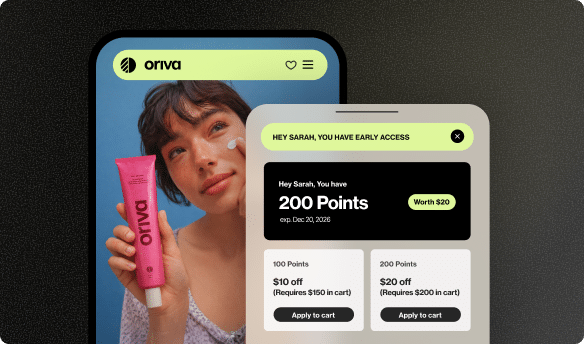
Keeping customers happy so they keep coming back is super important, and loyalty programs are a great way to do that. Businesses can use tools like Yotpo Loyalty to create special rewards for their customers. When combined with geographic segmentation, these programs can become even more powerful.
For example, a business might offer double loyalty points on purchases made during a specific local festival in one city, or give special discounts to customers in a particular region if they refer a friend who also lives there (you can learn more about referral codes). This makes the loyalty program feel more personalized and relevant to people in that specific area. By making customers feel special and understood based on where they are, businesses can build stronger relationships and encourage more repeat business. Learn more about the best loyalty programs to keep customers engaged.
Why Geographic Segmentation is a Smart Idea
So, why go through all this trouble? Because it helps businesses in many ways, making them more successful and their customers happier!
Reaching the Right People
Instead of throwing money at ads that no one needs, businesses can focus their efforts. This means they save money and get better results. It’s like aiming a dart at a specific spot on the board instead of just throwing it wildly.
Happier Customers
When a business understands what you need based on where you live, you feel like they “get” you. This makes for a better experience, and happy customers are more likely to come back and even tell their friends about a great company. This is a key part of customer retention.
Selling More Stuff
By offering the right products at the right time in the right place, businesses naturally sell more. It’s simply easier to sell a warm coat in winter in a cold place than in summer in a hot place!
Standing Out from Others
When a business really tailors its offerings to a specific geographic area, it can become the go-to choice for people there. They might be known as “the best place for snow tires in our town” or “the only restaurant with those local dishes.” This helps them stand out from their competitors.
Keeping Your Customers Happy, Wherever They Are
No matter where your customers live, keeping them engaged and satisfied is crucial for any business. Geographic segmentation helps businesses tailor their approach, and tools like Reviews and Loyalty programs are perfect for deepening those connections. Imagine a customer in a specific region who gives feedback about a product through a product review. This feedback isn’t just a comment; it’s a valuable insight into the local market. The business can then use this insight to refine its offerings for that area.
Loyalty programs can also be designed with local flair. Perhaps a regional brand knows its customers in a certain state love a particular sports team. They could offer special loyalty points or rewards when that team wins, creating a unique connection that resonates with customers in that geographic segment. This kind of localized engagement, supported by insights from Yotpo Reviews and tailored rewards from Yotpo Loyalty, helps businesses build a strong, loyal customer base, neighborhood by neighborhood. It’s a powerful way to enhance the eCommerce customer experience and foster word-of-mouth marketing.
Wrapping Up: Knowing Your World, Knowing Your Customers
Geographic segmentation is like having a special map that shows businesses exactly where their customers are and what makes them tick. It’s not about making things complicated; it’s about making things simpler and more effective. By understanding the climate, culture, and specific needs of people in different locations, businesses can make sure they are offering the right products, sending the right messages, and building stronger, happier relationships with every customer.
This smart approach helps businesses save money, sell more, and most importantly, make their customers feel truly understood and valued, no matter which corner of the world they call home. It’s a fundamental part of smart business strategy in today’s world, helping companies big and small connect with the people who matter most.










 Join a free demo, personalized to fit your needs