









Imagine you want to tell your friends about a really cool new toy you found. You wouldn’t just shout it from the rooftop, right? You’d probably send them a message directly, maybe a text or an email, so they get the message just for them. Email marketing is a bit like that for businesses. It’s a smart way for companies to talk directly to people who are interested in what they offer, like their products or services, by sending them emails.
Think of it as sending a personal letter, but super fast and to lots of people at once! Businesses use email marketing to share exciting news, offer special deals, or just say hello and remind customers they’re there. It’s a powerful tool because it goes straight into someone’s inbox, where they’re likely to see it. This direct connection helps businesses build a friendly relationship with their customers, making them feel special and informed.
Why Email Marketing is Like Sending a Letter to Your Best Friend
Have you ever gotten a letter or a special message just for you? It feels good, doesn’t it? Email marketing works in a very similar way. Instead of just putting an advertisement on a big billboard that everyone sees, a business sends an email right to your inbox. This makes the message feel more personal and important, like it’s just for you. It’s not shouting into a crowd; it’s having a direct conversation.
When businesses send emails, they can talk about things they know you might like. For example, if you love books about space, a bookstore might send you an email about a new space book. How do they know what you like? Well, when you sign up for their emails or buy something, you often tell them a little bit about your interests. This helps them send emails that are actually helpful and interesting to you, making you more likely to open them and see what’s inside.
It’s also a great way for businesses to keep in touch regularly. They can remind you about upcoming sales, new items, or simply share fun facts related to their products. This regular communication helps them stay ‘top of mind’, meaning you remember them when you need something they sell. It’s all about building a good, lasting relationship, just like with your best friends.
Different Kinds of Emails Businesses Send
Just like you might send different types of messages to your friends (a quick ‘hello’, a party invitation, or a birthday wish), businesses send different kinds of emails for various reasons. Each type has a special job to do, helping customers in different ways.
Welcome Emails: A Friendly Hello
When you join a new club or sign up for something new, what’s the first thing you usually get? A welcome message! Welcome emails are like a friendly handshake from a business. They are sent right after someone signs up for their emails. These emails usually say ‘hello’, thank you for joining, and might offer a little gift, like a discount on a first purchase. They set the stage for a good relationship.
Newsletter Emails: Keeping You Updated
Newsletters are like a mini-magazine sent straight to your inbox. They’re packed with interesting updates, stories, and tips related to the business. A clothing store might send a newsletter about new fashion trends, while a pet shop might share advice on caring for puppies. These emails help customers stay informed and engaged, even when they’re not ready to buy something right away.
Promotional Emails: Special Deals and Exciting News
These are the emails that often make you say, “Ooh, a sale!” Promotional emails are all about telling you about special offers, new products, or big sales events. They might have bright pictures and clear messages about what’s on offer and how you can get it. Businesses use these to encourage you to visit their website and make a purchase. Sometimes, these emails even feature exciting customer feedback, like reviews from happy buyers, making the promotions even more tempting!
Post-Purchase Emails: What Did You Think?
After you buy something, a business might send you a ‘post-purchase’ email. This isn’t just a thank you, though that’s often included! A very important job of these emails is to ask for your thoughts. “How did you like your new toy?” “Did that book live up to your expectations?” Getting honest feedback from customers, also known as customer reviews, is super valuable. Businesses use tools like Yotpo Reviews to make it easy for customers to share their opinions and photos. These reviews then help other people decide if they want to buy the same product, making it a win-win for everyone.
Loyalty Program Emails: Your Rewards Are Waiting!
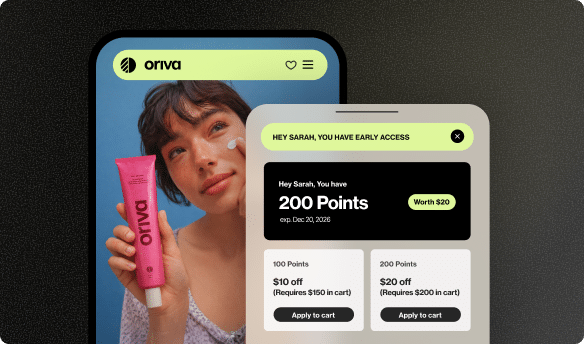
Many businesses have special clubs for their best customers, called loyalty programs. These programs reward you for sticking with a brand, perhaps with points you can save up for discounts or exclusive gifts. Email marketing is fantastic for telling you all about your loyalty points, new rewards you can get, or special offers just for loyalty members. A brand using Yotpo Loyalty, for instance, can send exciting emails showing you how many points you have and what amazing rewards are waiting for you, encouraging you to keep shopping and earning more!
| Type of Email | What It’s For | Example |
|---|---|---|
| Welcome Email | To greet new subscribers and introduce the brand. | “Welcome to our club! Here’s 10% off your first purchase.” |
| Newsletter | To share news, tips, and updates. | “Learn about the latest pet care tips this month!” |
| Promotional Email | To announce sales, new products, or special offers. | “Flash Sale! 50% off all summer clothes this weekend!” |
| Post-Purchase Email | To thank customers, provide order details, and ask for feedback. | “Thank you for your order! How did you like your new gadget? Leave a review!” |
| Loyalty Program Email | To update members on points, rewards, and exclusive offers. | “You have 500 points! Get a free item with your next purchase. Join our loyalty program.” |
Each of these email types plays a vital role in helping businesses connect with their customers and encourage them to keep coming back for more. It’s like having a helpful conversation with someone you trust.
Building Your Email List: How Do People Get Your Emails?
So, how do businesses know who to send these emails to? They don’t just guess! People have to agree to receive emails, kind of like raising your hand and saying, “Yes, I want to hear from you!” This is called building an email list, and it’s super important.
Sign-up Forms: The Easy Way to Join
Have you ever been on a website and seen a little box pop up that says, “Sign up for our newsletter for 10% off!”? That’s a sign-up form! It’s a simple place where you can type in your email address if you want to get messages from that business. It’s a clear way for you to say, “I’m interested!”
Pop-ups: A Gentle Nudge
Sometimes, when you’re looking at products on a website, a small window might ‘pop up’ offering you a chance to sign up for emails, perhaps with a special discount. These pop-ups are designed to catch your eye and make it easy for you to join their email club right away. They might appear when you first arrive or just as you’re about to leave the site.
During Checkout: Getting More Info
When you buy something online, you usually enter your email address for your order confirmation. Many websites also have a small box you can tick during checkout that says, “Yes, send me special offers and updates!” This is another common way for businesses to ask if you’d like to join their email list. It’s convenient because you’re already giving them your email anyway.
Businesses always make sure they ask for your permission before sending you emails. This is important because nobody likes getting emails they didn’t ask for, right? It’s all about respectful communication and making sure the people getting the emails actually want them.
Making Your Emails Super Cool and Helpful
Getting someone to open an email is just the first step. The real magic happens when the email itself is so interesting and helpful that people want to read it all the way through! Businesses work hard to make their emails fun and useful, so customers look forward to getting them.
Personalization: “Hello, Sarah!”
Which email would you rather open: one that says “Hello Customer” or one that says “Hello, [Your Name]!”? Most people prefer the second one! When a business uses your name or sends you emails based on things you’ve shown interest in, it feels much more special. This is called personalization, and it makes emails feel like they were written just for you. This often means remembering what you bought before or what pages you looked at on their website.
Good Subject Lines: The Hook!
The subject line is the first thing you see in your inbox. It’s like the title of a book – it needs to make you want to open it! Great subject lines are catchy, clear, and make you curious. Instead of “Newsletter,” a business might write, “Your Weekend Adventure Starts Here: New Hiking Gear Inside!” or “Don’t Miss Out! Last Chance for 20% Off Your Favorite Snacks!”
Clear Message: No Riddles Allowed!
Once an email is opened, the message inside needs to be easy to understand. What is the email about? What does the business want you to do? Is it a sale, a new product, or just some helpful tips? Good emails get straight to the point and don’t make you search for the important information.
Call to Action: What Do We Do Next?
Every good email usually has a “call to action.” This is a clear button or link that tells you exactly what to do next. It might say, “Shop Now,” “Read More,” “Claim Your Reward,” or “Visit Our Website.” It’s like a friendly guide, showing you the path to take if you’re interested.
Including User-Generated Content (UGC): Real People, Real Stories
One of the best ways to make emails super cool and trustworthy is by including what real customers think and feel. This is called User-Generated Content (UGC). Imagine an email showing off a new pair of shoes, but instead of just a picture from the company, it also shows a photo of someone just like you wearing those shoes and loving them, along with their glowing review! This makes the email much more believable and exciting. Yotpo’s Visual UGC tools help businesses gather and showcase these amazing customer photos, videos, and reviews, making their emails truly shine. When people see that others have tried and loved a product, they are much more likely to trust the brand and consider buying themselves. It’s like getting a recommendation from a friend!
The Power of Reviews and Loyalty Programs in Email Marketing
Email marketing becomes even more powerful when it teams up with other great tools that help businesses grow and keep customers happy. Two of the most important tools are customer reviews and loyalty programs. These aren’t just separate ideas; they work together with emails to create an amazing customer experience.
Product Reviews in Emails: Building Trust, One Story at a Time
Think about when you’re looking for a new game or a book. Do you trust what the company says about it, or what other kids who’ve already played/read it say? Most likely, you trust your friends or other users more! Customer reviews are like getting honest opinions from hundreds of friends. When businesses include snippets of product reviews directly in their emails, it makes those emails much more believable and convincing. For example:
- An email promoting a new toy might feature a review that says, “My child absolutely loves this toy! It kept them entertained for hours.”
- A newsletter could highlight “Our Top 5 Most-Loved Products This Month” and include a glowing review for each one.
These real-life stories and ratings help potential buyers feel confident about their choices. Yotpo Reviews helps businesses collect these important customer opinions, photos, and even videos. Then, brands can easily put this user-generated content into their emails, making their marketing messages stronger and more trustworthy. It’s like turning every email into a recommendation from a happy customer, making it easier for new people to decide to buy.
Loyalty Programs in Emails: Rewarding Your Best Customers
What if every time you bought something from your favorite store, you earned points that could get you free stuff later? That’s what a loyalty program does! It’s a special way for businesses to thank and reward their most faithful customers. And how do businesses tell you about all your awesome rewards and points? You guessed it – through emails!
Emails are the perfect way for businesses to communicate about their loyalty programs. Imagine getting an email that says:
- “Good news! You just earned 100 points on your last purchase. You’re only 50 points away from a free coffee!”
- “Exclusive for our loyal members: Get early access to our big summer sale!”
- “Happy Birthday! Here’s a special gift just for you, thanks to your loyalty!”
These kinds of emails make customers feel appreciated and excited to engage more with the brand. Yotpo Loyalty provides businesses with powerful tools to create these kinds of rewarding programs. With Yotpo Loyalty, businesses can send automated emails that tell customers about their points balance, new rewards, and personalized offers. This helps keep customers engaged, encouraging them to keep coming back, making more purchases, and enjoying the benefits of being a loyal customer. It’s a fantastic way to build lasting connections and make customers feel truly valued.
Measuring Success: How Do You Know If Your Emails Are Working?
Sending emails is one thing, but how do businesses know if their emails are actually doing a good job? They can’t just guess! Luckily, there are clever ways to measure how well emails are performing. Think of it like a coach checking scores to see how well their team is playing.
Open Rate: Did They Even Look?
The “open rate” tells businesses how many people actually opened their email compared to how many received it. If a business sends 100 emails and 30 people open them, that’s a 30% open rate. A high open rate means the subject line was probably interesting and people wanted to see what was inside! It tells businesses if their emails are catchy enough to get noticed.
Click-Through Rate (CTR): Did They Click?
Once someone opens an email, the “click-through rate” (CTR) measures how many people clicked on a link inside the email. Did they click “Shop Now”? Did they click “Read More”? A good CTR means the email’s message was interesting, and the call to action was clear and tempting. It shows that people were interested enough to take the next step.
Conversion Rate: Did They Do What We Wanted?
This is often the most important measure! The “conversion rate” tells businesses if people actually did what the email encouraged them to do, like buying a product, signing up for an event, or leaving a review. If an email asked people to buy a new toy, and 5 out of 100 people who clicked bought it, that’s a 5% conversion rate for that email. This number helps businesses understand if their emails are actually leading to sales or other important actions. Improving this rate is a big goal for many businesses!
By looking at these numbers, businesses can learn a lot. They can see which emails are popular, which subject lines work best, and what kind of offers get people excited. This helps them make their future emails even better!
Things to Remember When Sending Emails (Best Practices)
Just like there are good manners for talking to people, there are good rules for sending emails. Following these “best practices” helps businesses make sure their email marketing is effective and that their customers are happy.
Don’t Spam! Only Send What’s Wanted
Nobody likes getting tons of unwanted emails that fill up their inbox. That’s called spamming, and it’s a big no-no. Businesses must always get permission before sending emails and should only send emails that are helpful and relevant to their subscribers. Sending too many emails or emails that aren’t interesting will make people unsubscribe, which means they won’t get any more messages.
Make It Mobile-Friendly: Easy to Read Anywhere
Lots of people check their emails on phones or tablets these days. So, it’s super important that emails look good and are easy to read on small screens. Text shouldn’t be too tiny, pictures should load quickly, and buttons should be easy to tap with a thumb. If an email is hard to read on a phone, people will likely just close it.
Segment Your Audience: Send the Right Message to the Right Person
Imagine sending an email about dog food to someone who only has a cat. That wouldn’t make sense, would it? “Segmenting” means dividing your email list into smaller groups based on what people like, where they live, or what they’ve bought before. This allows businesses to send more specific and interesting emails to different groups. For example, customers who love video games get emails about games, while customers who prefer sports gear get emails about sports gear. This makes emails much more effective because they’re personalized and relevant.
Testing Different Emails: See What Works Best
Even the best email marketers don’t always get it right the first time! They often test different versions of emails to see which ones perform better. They might send one subject line to half their audience and a different one to the other half, then see which one gets more opens. This is called A/B testing, and it helps businesses learn and improve constantly. It’s like trying out different flavors of ice cream to see which one everyone likes most!
By keeping these tips in mind, businesses can make sure their email marketing is a helpful, welcome part of their customers’ day, not a bothersome one. It’s all about respecting the customer and providing value.
The Future of Email Marketing: Still a Star!
You might think with all the new apps and social media, email would become old-fashioned. But guess what? Email marketing is still incredibly important and will be for a long, long time! Why? Because it’s direct, personal, and almost everyone has an email address.
The future of email marketing will be even smarter. Emails will become even more personalized, meaning they’ll be perfectly tailored to what each person truly wants and needs. Imagine an email not just with your name, but showing you products you’ve been looking at recently, or offering a loyalty reward that you’ve been saving up for!
Businesses will also use more cool things like customer photos and videos (user-generated content) right inside emails. This makes emails more exciting and makes people trust the messages more, because they see real people using and loving the products.
Even with new technologies, the basic idea of email marketing stays the same: connecting directly with people who want to hear from you. It’s a reliable way for businesses to build relationships and keep customers happy, making it a star that continues to shine brightly in the world of business.
Conclusion
So, what is email marketing? It’s a fantastic and direct way for businesses to talk to their customers, share exciting news, offer special deals, and build strong, friendly relationships. From a simple welcome email to messages packed with loyalty rewards or glowing customer reviews, each email has a job to do.
It’s not just about sending messages; it’s about sending the right messages to the right people at the right time. By using tools that help gather amazing customer stories, like Yotpo Reviews, and building rewarding programs with Yotpo Loyalty, businesses can make their emails even more powerful and engaging. It helps them keep customers happy and coming back for more, which is super important for any business to grow. So the next time you see an email from your favorite brand, you’ll know a lot more about the clever strategy behind it!










 Join a free demo, personalized to fit your needs