








What is CR? Understanding Conversion Rate in Simple Terms
Have you ever walked into a toy store, looked around, and then decided to buy that awesome new action figure or doll? Or maybe you went to a website looking for cool sneakers and ended up adding a pair to your cart? Well, in the world of businesses, especially online ones, that moment when you decide to do something they want you to do is super important! It’s what we call a “conversion,” and how often it happens is your Conversion Rate, or CR for short.
Imagine a lemonade stand. If 10 people walk by and 3 of them buy a lemonade, you’ve “converted” 3 people. That’s a 30% conversion rate! It’s a way for businesses to know how good they are at getting people to take action, like buying something, signing up for a newsletter, or even just watching a video. Understanding CR helps businesses grow smarter and make more customers happy.
What Exactly is Conversion Rate? The Basics
Conversion Rate is just a fancy way of saying “the percentage of people who visited my store or website and then did what I wanted them to do.” It tells you how effective your website or marketing efforts are at turning casual browsers into active participants. It’s a crucial number for anyone running a business online because it helps them understand if their efforts are actually working.
Think of it like a game!
Let’s pretend you’re playing a video game where your goal is to get as many coins as possible. Every time you collect a coin, that’s a “conversion.” If you play 10 times and collect coins 7 of those times, your conversion rate is 70%. In business, the “coins” can be anything from buying a product to signing up for a special club. The higher your conversion rate, the more “coins” you’re collecting!
The Simple Math of Conversions
Calculating Conversion Rate is pretty straightforward, like doing a simple division problem in school.
Here’s the formula:
Conversion Rate = (Number of Conversions / Total Number of Visitors) * 100%
So, if 100 people visit an online store and 5 of them buy something, the conversion rate is:
(5 sales / 100 visitors) * 100% = 5%
That means 5 out of every 100 visitors became customers. Pretty neat, right? It gives businesses a clear picture of how well their website or campaign is performing.
What Can Be a “Conversion”?
A “conversion” isn’t always about making a purchase. While buying something is a big one, many other actions count as conversions too! It all depends on what the business wants its visitors to do.
Here are some common examples of conversions:
* Buying a product: This is probably the most common one, like adding those sneakers to your cart and completing the purchase.
* Signing up for a newsletter: Giving your email address to get updates and special offers.
* Filling out a form: Maybe to get a free guide, ask a question, or enter a contest.
* Creating an account: Joining a website or app to save your preferences or track orders.
* Downloading something: Getting an ebook, a game, or a useful app.
* Adding items to a shopping cart: Even if they don’t buy right away, showing interest is a step!
* Watching a video: If the goal is to inform or entertain, watching a full video counts.
* Clicking a specific button: Like “learn more” or “request a demo.”
Every business decides what actions are important to them. These actions are their “conversions,” and tracking how often they happen helps them understand their customers better.
Why is Conversion Rate So Important for Businesses?
You might be wondering, “Why do businesses care so much about this percentage?” Well, understanding and improving their Conversion Rate is like having a secret superpower for online businesses. It helps them work smarter, not just harder.
Making Every Visitor Count
Imagine a store that gets 100 visitors a day. If only 1 person buys something, that’s a 1% conversion rate. But if they improve their store so that 5 people buy something, that’s a 5% conversion rate! They didn’t need more visitors; they just got more of their *existing* visitors to buy. This means they are making the most out of every single person who comes to their site, which is super efficient. It’s like making sure every drop of water in your glass counts instead of letting it spill.
Understanding Your Customers Better
When a business looks at its Conversion Rate, it can learn a lot about its customers. If people are visiting but not converting, it might mean:
* The website is confusing: Maybe it’s hard to find the “buy” button.
* The products aren’t clear: Are the pictures good? Is the description easy to understand?
* They don’t trust the business: Do they see what other people think?
By figuring out *why* people aren’t converting, businesses can make changes and improve the customer experience. This deeper understanding helps them serve you better in the future. Learning more about what makes customers decide is part of the consumer decision-making process.
Growing Your Business Smartly
A higher Conversion Rate means a business can grow faster and more efficiently. Instead of spending a lot of money to get more and more people to visit their website, they can focus on making the visitors they already have happy enough to take action. This saves money on advertising and helps them earn more from the customers they already attract. It’s a win-win! They spend less to get a sale and you have a better experience. For more insights on this, you can check out resources on eCommerce conversion rate.
How Do Businesses Measure Conversion Rate?
Measuring Conversion Rate isn’t like counting cookies in a jar. For online businesses, it involves special tools and smart thinking to keep track of all the visitors and their actions.
Following the Digital Breadcrumbs
Businesses use special computer programs, often called analytics tools, to track what happens on their websites. These tools act like digital detectives, watching where visitors click, what pages they look at, and how long they stay.
Here’s how it generally works:
1. Visitor arrives: Someone lands on a website. The analytics tool starts counting them.
2. Visitor explores: They click around, look at products, read articles.
3. Visitor takes action: If they buy something, sign up, or fill a form, the tool records that as a conversion.
4. The numbers are crunched: The tool then does the math, dividing the number of actions by the total visitors, and shows the business its conversion rate.
This data helps businesses see patterns. For example, they might notice that many people add items to their cart but then leave without buying. This could mean there’s a problem with the checkout process!
Different Goals, Different Rates
Remember how we talked about different types of conversions (buying, signing up, etc.)? Businesses track different conversion rates for each of these goals.
* Sales Conversion Rate: How many visitors actually bought something.
* Lead Conversion Rate: How many visitors filled out a contact form or signed up for a newsletter.
* Add-to-Cart Rate: How many visitors put an item in their shopping cart.
By tracking these different rates, businesses can get a very detailed picture of what’s working and what’s not on their website. It’s like having different scoreboards for different parts of a game, helping them improve each area.
Factors That Influence Conversion Rate: What Makes People Act?
Lots of things can make someone decide to take action on a website. Think about what makes *you* want to buy something or sign up for something online. Businesses pay close attention to these factors to make your experience as smooth and enjoyable as possible, which helps boost their Conversion Rate.
Easy-Peasy Website Experience
Nobody likes a website that’s hard to use or confusing. If a website is slow, hard to navigate, or has tiny buttons, people will likely get frustrated and leave. A good website is:
* Fast: Pages load quickly so you don’t have to wait.
* Clear: It’s easy to find what you’re looking for.
* Simple: Not too many distractions, just what you need.
* Looks good: Pleasant to look at, with nice pictures and readable text.
A smooth, enjoyable experience encourages visitors to stay longer and take the desired action.
Crystal Clear Product Information
When you’re looking at something online, you want to know all about it, right? Good product information helps a lot. This includes:
* Great pictures and videos: Showing the product from all angles, maybe even someone using it.
* Detailed descriptions: Explaining what it is, what it does, and why it’s awesome.
* Easy-to-understand features: Clearly listing what makes the product special.
The more you know and understand about a product, the more likely you are to feel confident in buying it.
Building Trust with Others’ Opinions
Would you rather try a new toy that all your friends say is amazing, or one that nobody has ever talked about? Most likely, you’d go for the one with good reviews! In the online world, this is called social proof. When businesses show what other customers think about their products or service, it builds trust.
* Customer reviews and ratings: Seeing stars and reading comments from real people who have used the product. This is a huge help for making decisions! You can learn more about eCommerce product reviews.
* Photos and videos from customers: Seeing real people using the products helps you imagine yourself using them. This is often called User-Generated Content (UGC).
This kind of feedback helps new visitors feel more confident and increases the chances they’ll convert. It’s a big part of the eCommerce customer experience.
Sweet Deals and Special Surprises
Everyone loves a good deal! Sometimes, a little push like a special offer can make a big difference in convincing someone to convert.
* Discounts: “Get 10% off your first purchase!”
* Free shipping: “No shipping fees on orders over $50!”
* Loyalty programs: Earning points for purchases that you can use later for discounts or exclusive items. This makes you want to come back!
These incentives can encourage people to take action right away, rather than waiting or going to a competitor. Loyalty programs are fantastic for creating a best loyalty program experience.
Shopping on the Go
More and more people are using phones and tablets to browse and shop online. If a website isn’t easy to use on a small screen, people will quickly get frustrated and leave. Businesses need to make sure their website looks and works great on any device, whether you’re on a big computer screen or a tiny smartphone. This ensures you can convert, no matter where you are!
Improving Your Conversion Rate: Practical Steps
So, how do businesses actually *improve* their Conversion Rate? It’s not just luck; it involves thoughtful changes and listening to what customers want. Let’s look at some practical steps.
Make Your Website Super Easy to Use
The first and most important step is to make sure your website is a breeze to navigate. Think about it like a treasure hunt: you want the map to be clear and the treasure easy to find!
* Clear navigation: Make sure your menus are simple and easy to understand.
* Fast loading times: No one likes to wait. Speed up your pages so people don’t get bored and leave.
* Mobile-friendly design: Ensure your site looks great and works perfectly on phones and tablets.
* Simple checkout process: If someone is ready to buy, don’t make them fill out a ton of forms. Keep it quick and easy.
A frustration-free experience means more people will complete their journey and convert.
Tell Great Stories About Your Products
Don’t just list facts; make your products exciting!
* High-quality images and videos: Show off your products from every angle. Let people see them in action.
* Benefit-driven descriptions: Instead of just saying what a product *is*, explain what it *does* for the customer. How will it make their life better or more fun?
* Answer common questions: Have a section for frequently asked questions (FAQs) about your products so people can quickly get the information they need without having to ask.
When customers feel like they truly understand a product and how it will benefit them, they are much more likely to make a purchase.
Build Trust with Customer Voices
This is where hearing from other customers becomes super powerful. Businesses can actively collect and showcase what real people think about their products and services.
* Ask for reviews: Encourage customers who have bought something to share their experience. A simple email asking for feedback can go a long way. Yotpo Reviews makes it easy for businesses to collect and display these valuable opinions. With Yotpo Reviews, businesses can gather honest feedback that helps new shoppers trust what they see. Want to know more about how to get reviews? Check out how to ask customers for reviews.
* Showcase user-generated content: Display photos and videos that customers have shared using your products. Seeing real people enjoying items is incredibly convincing.
* Highlight star ratings: Make sure star ratings are visible right where customers are making decisions, like on product pages and category pages.
When potential customers see positive experiences from others, their trust in the brand grows, making them more likely to convert.
Reward Your Best Customers
Keeping customers happy and coming back is a smart way to boost conversion rates over time. This is where loyalty programs come in handy.
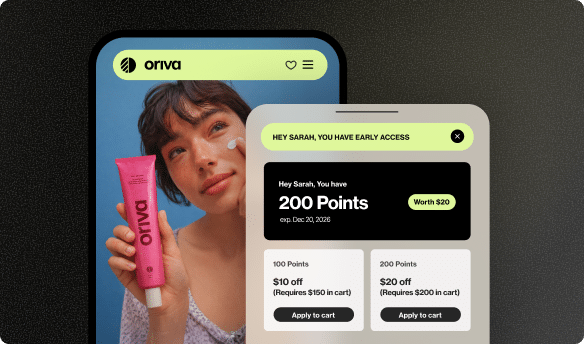
* Create a loyalty program: Give customers points for every purchase, signing up for newsletters, or even celebrating their birthday. These points can be exchanged for discounts, exclusive items, or early access to new products. Yotpo Loyalty helps businesses create these exciting programs. With a strong loyalty program, customers feel valued and are more likely to return and convert again and again. You can explore more about loyalty rewards program software.
* Offer exclusive perks: Give loyal customers special access to sales, new products, or even just free shipping.
* Recognize repeat purchases: Send a special thank you or offer a small gift to customers who make multiple purchases.
When customers feel appreciated, they are more likely to convert not just once, but many times over, becoming valuable long-term advocates for the business. This synergy between reviews and loyalty can be powerful; happy customers who leave reviews are also often the ones who engage with loyalty programs, creating a positive cycle.
Keep Testing and Learning
The online world is always changing, so businesses need to be flexible and always trying new things.
* A/B testing: This means trying out two different versions of something (like a button color or a headline) to see which one performs better. It’s like having a friendly competition to find the winner!
* Listen to feedback: Pay attention to what customers say in reviews, on social media, or in surveys.
* Analyze data: Regularly look at those analytics tools to see where people are getting stuck or leaving the website.
By constantly experimenting and learning, businesses can find out what truly works best for their customers and keep improving their conversion rates.
Yotpo and Conversion Rate: How We Help Businesses Turn Visitors into Customers
At Yotpo, we understand how important it is for businesses to turn their website visitors into happy, paying customers. We focus on helping brands build strong relationships with their customers, which naturally leads to better conversion rates. We do this through two main, powerful products: Yotpo Reviews and Yotpo Loyalty.
Making Trust a Superpower with Yotpo Reviews
Imagine you’re trying to decide between two cool new video games. One has tons of glowing reviews from other players, telling you how fun and exciting it is. The other has no reviews at all. Which one would you pick? Most likely, the one with positive reviews!
Yotpo Reviews helps businesses collect and show off those vital customer opinions. When visitors see genuine reviews, ratings, and even photos from other shoppers who loved their purchases, it builds massive trust. This trust is key to making someone feel comfortable enough to hit that “buy” button.
* Collecting reviews easily: We make it simple for businesses to ask their customers for reviews after they’ve bought something.
* Displaying reviews everywhere: Reviews can be shown on product pages, checkout pages, and even in search results, so new customers see them at every important step.
* Showing off customer photos/videos: Real customer content is super convincing and helps new shoppers visualize themselves using the product.
By putting the voice of the customer front and center, Yotpo Reviews empowers businesses to boost their conversion rates by making shoppers feel confident and excited about their purchase decisions. This is all about improving the eCommerce customer experience.
Turning One-Time Shoppers into Forever Friends with Yotpo Loyalty
Once a customer buys something, the business wants them to come back, right? Yotpo Loyalty is all about making customers feel special and encouraging them to return again and again. This isn’t just about converting new visitors, but converting existing customers into repeat buyers and loyal fans.
* Points for purchases: Customers earn points every time they buy something, making them want to collect more and come back for their next purchase.
* Exclusive rewards: Businesses can offer special discounts, free products, or unique experiences only for their loyal members.
* Fun ways to earn: Customers can earn points for signing up, referring friends (check out what is a referral code), celebrating their birthday, or even leaving a review!
When customers are part of a loyalty program built with Yotpo Loyalty, they have a clear reason to choose that business over others. This boosts their conversion rate for repeat purchases and strengthens their connection with the brand. Imagine how powerful it is when a happy customer not only leaves a great review (thanks to Yotpo Reviews) but also earns points for it, which they can then use for their next purchase (thanks to Yotpo Loyalty)! That’s a strong recipe for ongoing conversions.
Common Conversion Rate Questions
People often have questions when they first learn about Conversion Rate. Here are some quick answers to clear things up!
What’s a “good” conversion rate?
This is a tricky question because there isn’t one magic number! A “good” conversion rate depends on many things:
* What industry you’re in: Selling luxury cars usually has a lower conversion rate than selling inexpensive t-shirts.
* What kind of conversion: Getting someone to sign up for a free newsletter is generally easier than getting them to spend $500.
* The price of the product: Higher-priced items usually have lower conversion rates.
Generally, eCommerce conversion rates can range from 1% to 5% or even higher, but it’s best for a business to compare itself to similar businesses and, most importantly, try to beat its *own* previous conversion rates.
Is CR only about buying things?
Nope, not at all! As we discussed, a conversion can be any action a business wants its visitors to take. It could be filling out a form, watching a video, downloading an app, or simply clicking a specific button. The key is that the visitor took a desired action.
Can my CR change a lot?
Yes, absolutely! Conversion rates are dynamic. They can go up or down based on many things:
* Seasonality: Conversion rates might be higher during holidays like Christmas or Valentine’s Day (like Mother’s Day campaigns).
* Marketing campaigns: A special sale or a new advertising campaign can affect it.
* Website changes: Even small changes to a website’s design can impact conversion rates.
* Economic factors: Sometimes, bigger things happening in the world can affect how much people buy.
That’s why businesses constantly monitor and try to improve their conversion rates – it’s an ongoing journey!
Conclusion: Your Conversion Rate Journey
So, what is CR? It’s much more than just a number. It’s a powerful tool that helps businesses understand their customers, make smarter decisions, and grow successfully. Think of it as a score that tells you how well you’re turning curious visitors into happy customers or engaged participants.
By focusing on making websites easy to use, providing clear information, building trust with customer reviews, and rewarding loyal shoppers, businesses can consistently improve their Conversion Rate. Products like Yotpo Reviews and Yotpo Loyalty are designed to help businesses do exactly that – create great experiences that encourage people to take action.
Remember, every visit to a website is an opportunity. By understanding and optimizing Conversion Rate, businesses can make sure they’re making the most of those opportunities, creating a better experience for everyone, and building a thriving online presence, one happy customer at a time!










 Join a free demo, personalized to fit your needs