








What is Agile Marketing? Moving Fast in the World of Brands
Imagine you’re trying to catch a butterfly. If you run in a straight line, you might miss it. But if you watch where it goes and quickly change your direction, you have a much better chance, right? That’s a bit like what Agile Marketing is all about for businesses! It’s a smart way for brands to get their messages out there, learn what people like, and then quickly change things if needed. Instead of planning everything months in advance and sticking to that plan no matter what, agile marketing helps businesses be flexible and speedy, like that butterfly catcher.
In today’s fast-moving world, where new trends pop up every day and customers have lots of choices, being able to change quickly is super important. Think about your favorite online store. They want to know what makes you happy, what you buy, and what you tell your friends about them. Agile marketing helps them figure that out faster and do more of what works. It’s like a secret superpower for businesses to keep up with you!
Why Do Brands Need to Be Agile?
Have you ever tried to build something with LEGOs, but then halfway through, you realize you want to change the design? If you’ve already glued it all together, that’s a problem! But if you’re building it piece by piece, checking as you go, it’s easy to make changes. Businesses face similar challenges. They need to talk to customers, offer special deals, and show off their products. If they plan everything way ahead, what happens if something new comes along?
* Things Change Fast: New apps, new social media trends, and even new ways people like to shop online pop up all the time. A brand needs to be able to jump on these new things or change their plans if something stops working.
* Customers Are Unique: Everyone is different, and what one person loves, another might not even notice. Agile marketing helps brands learn about different groups of customers and tailor their messages. Understanding the consumer decision-making process is key here, and it’s always shifting!
* Getting Feedback is Gold: Imagine trying a new snack. You’d tell your parents if you liked it or not, right? Brands want that kind of feedback too, and they want it quickly. Agile marketing sets up ways to listen and react fast. Customer reviews are a fantastic example of quick feedback in action.
So, being agile helps businesses not waste time or money on things that don’t work. It helps them be more efficient and make their customers happier, which is what every good business wants!
The Big Ideas Behind Agile Marketing
Agile marketing isn’t just about moving fast; it’s about moving smart. It follows a few core ideas that help teams work better together and get better results. Let’s look at some of these important ideas.
1. Focus on the Customer
This is probably the most important part! Agile marketing always starts and ends with the customer. What do they need? What do they like? What problems can the brand solve for them? Businesses using agile methods constantly ask these questions and use the answers to guide their work. They try to truly understand the customer experience.
For example, if an online store sees lots of people looking at a certain type of product but not buying it, they might quickly try a different way to show it off or offer more information. They’re listening to what customers are telling them through their actions and feedback. This is where tools that help gather and display what customers think, like those for customer reviews, become incredibly valuable. Reviews let brands see exactly what customers like or dislike, helping them adapt quickly.
2. Small Steps, Big Learning (Sprints and Iterations)
Instead of planning one huge, long marketing campaign for a year, agile teams break their work into much smaller chunks, often called “sprints.” A sprint usually lasts for a short time, like one to four weeks. During a sprint, the team focuses on just a few important tasks.
Once a sprint is over, they look at what they accomplished. Did it work well? Did customers respond? What did they learn? This learning helps them plan the *next* sprint better. It’s like trying different flavors of ice cream; you try one, see if you like it, and if not, you try another without having bought a whole truckload of the first flavor! This process of trying, learning, and adjusting is called iteration. It helps brands improve their conversion rates by constantly refining their approach.
3. Always Be Ready to Change
Remember our butterfly catcher? Agile marketing teams are always ready to change direction. If a new social media platform becomes popular overnight, or if the news suddenly makes people interested in something new, an agile team can quickly shift their plans to match. This means they aren’t stuck with old ideas that no longer work. This flexibility helps brands stay relevant and interesting to customers, rather than falling behind.
4. Teamwork Makes the Dream Work
Agile marketing teams often work very closely together. Designers, writers, social media experts, and data analysts all share ideas and help each other. They communicate a lot, often with quick daily meetings to make sure everyone knows what’s happening and if anyone needs help. This close teamwork means problems can be spotted and fixed much faster than if everyone was working separately.
Think of it like a sports team. Everyone has their role, but they also pass the ball around, help each other, and adjust their strategy together during the game to win.
How Agile Marketing Works in Real Life for Online Stores
Let’s imagine an online store that sells cool t-shirts. How would they use agile marketing?
1. Idea Time! The marketing team gets together. They think: “What kind of t-shirts do our customers want to see this month? Maybe funny animal designs, or local city themes?”
2. Small Test (Sprint 1): They decide to try a small campaign on Instagram showing off some funny animal t-shirts. They make a few posts, maybe run a small ad.
3. Check and Learn: After two weeks, they look at the results. How many people clicked the posts? How many bought a t-shirt? What were the comments like? Did anyone share their posts? They might use tools like marketing campaign measurement to see what worked.
4. Adjust and Repeat (Sprint 2): They see that the funny cat t-shirts got a lot of love, but the dog t-shirts didn’t do so well. For their next sprint, they decide to make more cat designs, maybe even ask customers to share pictures of their cats wearing the shirts! This is a great way to generate User-Generated Content (UGC), which is super powerful.
This cycle of trying, learning, and adjusting helps them keep getting better and better. They don’t wait months to find out if an idea works; they know quickly.
Key Tools for Agile Marketing in E-commerce
To be truly agile, online businesses need tools that help them connect with customers and react to their needs. Here are a couple of powerful examples:
Customer Reviews: Your Fast Feedback Loop
Imagine you’ve launched a new product. How do you know if people like it? Waiting for sales figures months later is not agile! Yotpo Reviews helps brands quickly gather feedback from customers who have actually bought and used their products. This isn’t just about stars; it’s about what customers say, what they show in photos or videos, and how they feel.
* Quick Learning: Brands can see trends in reviews immediately. Are people mentioning a specific feature they love? Or a problem they keep finding?
* Fast Adjustments: With this real-time feedback, businesses can quickly decide to change product descriptions, update website photos, or even talk to their product teams about making improvements. This direct insight from eCommerce product reviews helps them stay ahead.
* Builds Trust: When new customers see lots of reviews, especially ones where the brand has responded, it builds confidence. This also encourages more word-of-mouth marketing!
Think of it this way: Reviews are like having thousands of mini-focus groups running all the time, giving you constant information to be agile with your products and marketing messages. Learning how to ask customers for reviews effectively can really boost this process.
Loyalty Programs: Keeping Customers Happy and Engaged
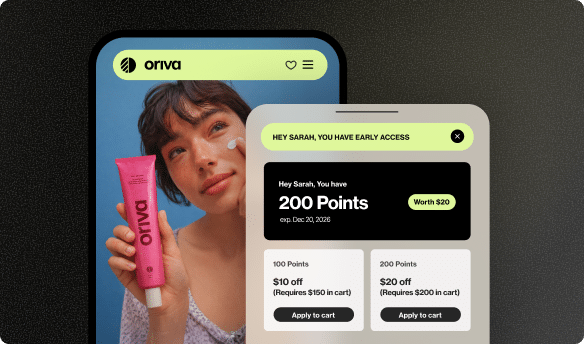
Agile marketing isn’t just about getting new customers; it’s also about keeping the ones you have happy. This is where customer loyalty programs come in. By rewarding customers for buying again, referring friends, or interacting with the brand, businesses can learn a lot about what makes their most valuable customers tick.
* Track Behavior: Loyalty programs let brands see which customers buy often, which products they prefer, and what kinds of rewards they like. This data helps them understand eCommerce retention and customer value.
* Test Offers: An agile brand can quickly test different rewards or special offers within their loyalty program to see what gets the best response. Do customers prefer a discount or a free gift? Yotpo Loyalty allows brands to set up flexible programs to test these ideas.
* Personalize Experiences: With the information from loyalty programs, businesses can create special offers just for you, making you feel special and encouraging you to come back. This is key for product loyalty.
By having a flexible loyalty program, brands can be agile in how they encourage repeat purchases and build stronger relationships with their customers, constantly adapting their strategy based on what keeps customers coming back. This contributes to better customer retention.
Comparing Agile to Traditional Marketing
To really understand how agile marketing is different, let’s compare it to how marketing used to be done, which we’ll call “traditional marketing.”
| Feature | Traditional Marketing | Agile Marketing |
|---|---|---|
| Planning | Long-term, detailed plans (months to a year) set in stone. | Short-term plans (weeks) that are flexible and change often. |
| Changes | Hard to make changes once a plan is started. | Easy and expected to make changes based on new info. |
| Feedback | Gathered less often, sometimes only after a big campaign ends. | Gathered constantly and used to guide the very next step. |
| Customer Focus | Important, but plans might be based on assumptions. | At the heart of every decision, constantly listening and adapting. |
| Teamwork | Often separate teams working on their own parts. | Teams work very closely together, sharing ideas daily. |
| Risk | Higher risk of a big campaign failing if assumptions were wrong. | Lower risk, as small tests quickly show what works and what doesn’t. |
As you can see, agile marketing is much more about moving with the flow and learning as you go, rather than trying to predict everything perfectly from the start.
Getting Started with Agile Marketing
So, if a brand wants to be more agile, what should they do? It’s not about doing everything at once, but taking small, smart steps.
1. Start Small: Pick one small project or goal, like trying to get more people to sign up for a newsletter. Plan a short “sprint” for just that.
2. Listen to Customers: Make sure you have ways to hear what your customers are saying. This could be through surveys, social media comments, or better yet, using tools like Yotpo Reviews to get direct feedback on products and experiences. Seeing customer photos and videos through Visual UGC is also incredibly insightful.
3. Meet and Share: Get your team to talk regularly about what they’re working on, what they’ve learned, and what they plan to do next.
4. Be Ready to Experiment: Don’t be afraid to try new things, even if they’re small. For instance, try two different versions of an advertisement to see which one performs better.
5. Measure Everything: Always check if your small experiments are actually helping. Look at numbers like how many people clicked, how many bought, or how many joined your loyalty program. Tools that help with marketing campaign measurement are crucial here.
By following these steps, brands can slowly but surely become more agile, making their marketing more effective and their customers happier. This adaptability is critical in managing the customer acquisition cost by focusing efforts where they are most effective.
The Future is Flexible with Agile Marketing
In a world that’s always changing, being able to adapt quickly isn’t just a nice-to-have; it’s a must-have for businesses, especially those selling online. Agile marketing helps brands become super-listeners, always paying attention to what customers want and need. It lets them try new ideas without big risks, learn from their experiences quickly, and keep improving all the time.
By using methods like sprints and constantly gathering feedback through powerful tools like Yotpo Reviews and nurturing customer relationships with Yotpo Loyalty, online businesses can stay at the top of their game. They can build strong connections with customers, offer products and experiences that truly resonate, and grow successfully in a world that never stands still. It’s about being smart, being fast, and always putting the customer first. This approach is at the core of a successful eCommerce growth model.










 Join a free demo, personalized to fit your needs