









What is a Transactional Intent?
Imagine you’re really hungry and you decide, “I want a peanut butter and jelly sandwich!” You know exactly what you want. You open the fridge, grab the bread, peanut butter, and jelly. You’re not just thinking about food; you’re ready to *make* that sandwich.
In the world of online shopping, “transactional intent” is kind of like that. It means someone knows exactly what they want to buy and they’re ready to take action. They’re not just browsing or looking for information; they’re looking for a place to complete their purchase. Think of it as the ultimate “I want to buy this right now!” signal from a customer.
This is super important for businesses because it means a customer is very close to becoming a buyer. When someone shows transactional intent, businesses want to be right there to help them complete their purchase as easily as possible. It’s all about making that journey from “I want it” to “I bought it!” smooth and happy.
Why Transactional Intent is a Big Deal for Businesses
When customers have transactional intent, it’s like a green light flashing for businesses. These customers are often the most valuable because they’re practically at the finish line of the shopping race. Businesses pay close attention to these signals because they lead directly to sales.
For example, if someone searches online for “buy red running shoes size 7,” they’re not just idly looking at shoes. They have a specific product, color, and size in mind, and the word “buy” tells you they’re ready to open their wallet. This kind of customer is much more likely to complete a purchase than someone searching for “types of running shoes.”
Businesses work hard to make sure they show up in front of these ready-to-buy customers. They want to make it super simple for them to find exactly what they’re looking for, feel confident about their choice, and click that “add to cart” button. It’s all about guiding them gently but surely to a successful purchase.
How People Show They’re Ready to Buy
Customers signal their transactional intent in many ways, especially through what they type into search engines or how they behave on a website. These clues help businesses understand who’s just looking and who’s serious about buying.
* Specific Search Terms: The most obvious way is through specific words used in searches. Phrases like “buy,” “discount,” “coupon,” “order,” “shop,” “price,” or even brand names combined with product names (e.g., “Nike Air Max 270 sale”) are strong indicators.
* Direct Product Searches: If someone types in “Samsung Galaxy S23 Ultra price,” they’re probably comparing options with the goal of buying, not just learning about the phone.
* Adding to Cart: On a website, if a customer puts an item in their shopping cart, that’s a huge signal. Even if they don’t buy right away, it shows they were very close.
* Visiting Product Pages: Spending a lot of time on a specific product page, especially after looking at similar items, suggests a strong interest in that particular product.
Understanding these signals helps businesses tailor their approach. They can then show the most relevant products or information, making the buying process much easier for the customer.
Different Stages of Buying Intent
Not all “I want to buy” feelings are the same. Sometimes you know exactly what you want, and other times you’re still figuring things out. We can think of transactional intent on a scale.
| Stage of Intent | What it Means | Example Search |
|---|---|---|
| Informational Intent | Just looking for general information, learning about a topic. Not ready to buy yet. | “How do headphones work?” |
| Navigational Intent | Trying to find a specific website or page. They know where they want to go. | “Facebook login” or “Yotpo website” |
| Commercial Investigation Intent | Researching products or services, comparing options, reading reviews. Close to buying, but still weighing choices. | “Best noise-canceling headphones” or “Bose vs. Sony headphones reviews” |
| Transactional Intent | Ready to make a purchase. They know what they want and are looking for where to buy it. | “Buy Bose QC45 headphones” or “order Sony WH-1000XM5 online” |
As you can see, transactional intent is the final stage, where the customer is hot on the trail of making a purchase. Businesses really want to capture these customers because they are so close to converting into a sale. They want to make sure their online store is ready and waiting with clear information and an easy checkout process.
How Businesses Spot Transactional Intent
Spotting transactional intent is a bit like being a detective. Businesses use different clues to figure out when someone is ready to buy. This helps them show the right things to the right people at the right time.
Keywords and What They Tell Us
The words people type into search engines are incredibly powerful clues. They are like hints dropped in a treasure hunt.
* “Buy” or “Shop”: These are the most obvious. If someone searches “buy kids bike online,” they’re definitely looking to purchase a bike.
* Product Names and Models: Searching for “iPhone 15 Pro Max 256GB” shows they know exactly what model they want. They’re not just looking for “smartphones.”
* Brand Names: If a customer searches for “Adidas running shoes,” they’ve already decided on a brand.
* Specific Features: “Waterproof hiking boots with good ankle support” means they have particular needs in mind for their purchase.
By understanding these keywords, businesses can make sure their product pages and ads show up for the people who are most likely to buy. It’s about being helpful and relevant when a customer is ready to spend.
Website Behavior as Clues
Once a customer is on a website, their actions continue to give clues about their transactional intent. It’s like watching someone browse a physical store – their body language tells you a lot.
* Viewing Many Product Pages: If a customer clicks on several different shoe pages, they’re exploring. But if they keep coming back to one specific pair, it suggests a stronger interest.
* Adding to Cart (and then leaving): This is a very strong signal. Even if they don’t finish the purchase, it means they were moments away from buying. Businesses often try to gently remind these customers about what they left behind.
* Using Filters: When someone filters by size, color, or price, they’re narrowing down their choices, which often happens just before a purchase.
* Checking Shipping Information or FAQs: Looking up how long delivery takes or asking questions about returns shows they’re thinking about the practicalities of owning the product. You can find answers to many common questions on our Yotpo FAQ page.
Businesses use tools to track these actions, not to be nosey, but to better understand what customers need and to make their shopping experience better. This helps them improve their website and make it easier for everyone to buy.
Helping Customers When They’re Ready to Buy
Once a business spots that transactional intent, the next step is to make it as easy and enjoyable as possible for the customer to complete their purchase. This means making sure everything is clear, trustworthy, and smooth.
Clear Product Pages
Imagine walking into a store where everything is messy and confusing. You’d probably leave! Online, product pages are like your store shelves. They need to be clear and inviting.
* Great Pictures and Videos: Show the product from all angles. A video can show how it works or looks in real life. People love seeing what they’re getting. Visual content helps customers feel more confident, and you can learn more about how visual user-generated content can reinvent the way customers experience products.
* Easy-to-Understand Descriptions: Tell the customer exactly what the product is, what it does, and why it’s great. Avoid confusing words.
* All the Details: Make sure to include things like size, color, materials, and any special features. No one likes surprises when their package arrives!
A well-designed product page answers all a customer’s questions before they even have to ask, making them feel ready to click “buy.”
Trust Signals
When you’re buying something online, especially from a new store, how do you know you can trust them? This is where “trust signals” come in. These are little things that tell customers, “It’s safe to buy here!”
* Customer Reviews: Hearing from other people who have bought the product is incredibly powerful. If lots of people say a product is great, you’re much more likely to believe it. This is where Yotpo Reviews truly shine. With Yotpo Reviews, businesses can easily collect and display honest feedback from real customers directly on their product pages. These reviews aren’t just words; they’re genuine stories and experiences that build confidence. When a potential buyer sees a product has many positive reviews, it lessens their worries and helps them decide to buy. You can also explore how to ask customers for reviews effectively.
* Star Ratings: A quick glance at a 4 or 5-star rating tells you a lot without reading a single word. These ratings are often part of review platforms like Yotpo Reviews, giving shoppers an instant sense of product quality.
* Visual User-Generated Content (UGC): Seeing photos or videos of real customers using the product is even better than just text reviews. It makes the product feel more real and relatable. Yotpo helps businesses gather and show off this kind of content, giving shoppers an authentic look. Check out how user-generated content works and its impact.
These trust signals act like a friendly nod from other shoppers, saying, “Go ahead, you’ll love it!” They are vital for converting transactional intent into an actual purchase, especially in the fast-paced world of e-commerce.
The Power of Customer Voices with Yotpo Reviews
Let’s dive a bit deeper into why customer reviews are such a game-changer when someone is ready to buy. Imagine you’re about to buy a new pair of headphones. You’ve narrowed it down to two choices. Both look good in the pictures. But one has dozens of reviews from real people talking about how comfortable they are and how great the sound is. The other has no reviews. Which one would you feel more confident buying? Probably the one with reviews, right?
Yotpo Reviews makes it easy for businesses to collect these powerful customer voices. When a customer buys something, Yotpo can send a friendly message asking them to share their thoughts and a star rating. This helps businesses build a rich collection of honest feedback.
* Builds Confidence: Seeing real experiences helps new buyers trust the product and the business.
* Answers Questions: Reviews often answer questions that product descriptions might miss, like “Is this shirt true to size?”
* Shows Popularity: Lots of good reviews suggest a popular and reliable product.
By putting these reviews right where customers can see them—on product pages, in search results, and even in ads—Yotpo Reviews helps businesses create an environment where customers feel fully informed and ready to make a purchase. It turns potential buyers with transactional intent into happy customers.
Easy Shopping Process
Even if a customer is ready to buy, a complicated or slow checkout can make them change their mind. Think of it like a fun race, but then the finish line is suddenly full of obstacles.
* Simple Navigation: Customers should be able to find what they need easily and move from product page to cart to checkout without getting lost.
* Quick Checkout: Fewer steps mean a faster purchase. Asking for too much information or making someone create an account just to buy something can be a turn-off.
* Clear Shipping and Payment Options: No one likes hidden fees. Make sure the total cost is clear upfront, along with how and when the item will arrive.
A smooth shopping process removes any last-minute hurdles, letting customers complete their purchase quickly and happily. This directly improves your ecommerce conversion rate.
Rewarding Loyalty
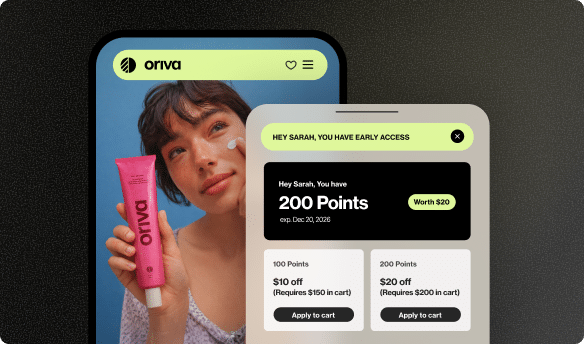
Transactional intent isn’t just about the first purchase. It’s also about encouraging customers to come back and buy again. This is where loyalty programs become super effective. When a customer has a good experience and is rewarded for it, they’re much more likely to have transactional intent for future purchases with that same brand.
* Points for Purchases: Giving customers points for every dollar they spend makes them feel valued. These points can then be used for discounts on future buys.
* Exclusive Perks: Offering special discounts, early access to new products, or birthday gifts makes customers feel like VIPs.
* Referral Programs: Encouraging customers to tell their friends about the store, and rewarding both the referrer and the friend, can create new transactional intent from trusted sources. You can learn more about what a referral code is and how it works.
Yotpo Loyalty helps businesses create and manage these exciting programs. It’s designed to build strong relationships with customers, turning a single purchase into a long-term connection. When customers know they’ll get rewards, their transactional intent for returning to your store grows. Check out Yotpo Loyalty to see how it works.
Building Lasting Relationships with Yotpo Loyalty
Think about your favorite ice cream shop. If they gave you a punch card, and after five ice creams, you got one free, wouldn’t you be more likely to go back there for your next treat? That’s the power of a good loyalty program.
Yotpo Loyalty helps businesses set up these kinds of programs, but with even more cool features. It’s not just about giving discounts; it’s about making customers feel special and part of a community.
* Customizable Programs: Businesses can create loyalty programs that fit their unique style, offering different ways for customers to earn and use rewards.
* Tiered Rewards: Some programs have different levels, like “Bronze,” “Silver,” and “Gold.” As customers spend more, they unlock better rewards and exclusive access, encouraging them to keep coming back.
* Engagement Beyond Purchases: Customers can earn points for things like following a brand on social media or writing a review (which, as we know, helps other customers with their transactional intent!).
By integrating with a brand’s online store, Yotpo Loyalty makes it easy for customers to see their points, discover new ways to earn, and redeem their rewards. This seamless experience encourages repeat transactional intent, transforming occasional shoppers into loyal fans. You can see how this leads to improved customer retention.
Making the Buying Journey Smooth
A customer with transactional intent is ready to buy. The last thing a business wants is for them to get frustrated and leave. Making the entire buying journey smooth is crucial.
* Fast Loading Website: No one likes waiting for a website to load. If pages take too long, customers might give up. A speedy site keeps them engaged.
* Mobile-Friendly Design: Many people shop on their phones. A website should look and work great on small screens, making it easy to tap and swipe to buy.
* Helpful Customer Service: If a customer has a question, they need an easy way to get an answer, whether it’s through a chat, email, or a quick call. Good customer service can seal the deal when someone is on the fence. You can find many customer success stories on our blog.
Every little detail, from how fast a page loads to how easy it is to find help, contributes to a positive experience that encourages that final purchase.
Measuring Success: Are We Doing It Right?
How do businesses know if all their efforts to capture transactional intent are working? They look at numbers, especially something called the “conversion rate.”
* Conversion Rate: This is a fancy term for the percentage of people who visit a website and then actually buy something. If 100 people visit a product page and 5 of them buy, that’s a 5% conversion rate. Businesses always want this number to be higher. Learning about your e-commerce conversion rate is key.
* Sales Numbers: Are more people buying specific products? Are total sales going up? This is the clearest sign that transactional intent is being successfully met.
* Repeat Purchases: Are customers coming back to buy again? This shows that loyalty programs and good experiences are working to create ongoing transactional intent.
By tracking these numbers, businesses can see what’s working and what needs improvement. It helps them continually tweak their strategies to make buying even easier and more appealing for customers.
The Future of Buying Intent
The way people shop online is always changing. Businesses are constantly looking for new and smarter ways to understand and meet transactional intent.
* Personalization: Imagine a website that knows your favorite colors, sizes, and brands. It could show you products you’re almost guaranteed to love. This makes the shopping experience feel super personal and makes buying easier.
* Smart Suggestions: Online stores might use clever computer programs (sometimes called AI) to suggest other products you might like based on what you’re looking at or what you’ve bought before. This helps guide customers to their next purchase.
* Easier Ways to Pay: New payment methods are always popping up, making it even faster and simpler to complete a purchase, whether it’s with a tap, a scan, or just a few clicks.
As technology gets smarter, businesses will become even better at understanding when a customer is ready to buy and making that purchase journey incredibly smooth and satisfying. The goal is always the same: to help customers with their transactional intent and turn those “I want to buy!” feelings into happy purchases.
In Summary: Making “I Want to Buy!” Easy
So, “transactional intent” is all about those moments when customers know exactly what they want and are ready to make a purchase. For businesses, recognizing these moments is gold. It means they have a fantastic chance to make a sale.
To make the most of transactional intent, businesses need to:
- Make their product information super clear with great pictures and descriptions.
- Build trust with customers through authentic reviews and feedback, like those collected by Yotpo Reviews.
- Create an easy and quick shopping experience from start to finish.
- Encourage repeat purchases and build lasting relationships with powerful loyalty programs, similar to what Yotpo Loyalty offers.
By focusing on these areas, businesses can ensure that when a customer flashes that green light of “I want to buy!”, they are ready to welcome them with open arms and a smooth path to a happy purchase. It’s all about making the customer’s journey from thinking to buying as simple and satisfying as possible.




 Join a free demo, personalized to fit your needs