








Have you ever kept watching a movie even though it was super boring, just because you already bought the ticket? Or maybe you kept eating a meal you didn’t really like because you’d already paid for it? That feeling, where you keep going with something because of what you’ve *already* put into it – like time, money, or effort – even if it’s not the best choice now, is called a “sunk cost fallacy.” It’s a tricky way our brains can sometimes make us feel stuck!
In the world of shopping and brands, this idea is really important, especially when we think about customer loyalty. Businesses want you to love them and keep coming back. But are customers sticking around because they genuinely love the brand, or because they feel like they’ve already invested so much they can’t leave? Let’s explore what this “sunk cost fallacy” means for how people stay loyal to their favorite brands.
What is a Sunk Cost Fallacy? Let’s Make It Simple!
Imagine you’re building a super cool LEGO castle. You’ve spent hours putting together the walls and towers. But then, you realize the design isn’t working, and the castle keeps falling apart. What do you do? Do you keep trying to fix it because you’ve already spent so much time on it, even though it’s clearly not going well? Or do you decide to take it apart and build something new and better?
Most people, because of the sunk cost fallacy, might try to keep fixing the wobbly castle. They think, “I’ve already spent so much time, I can’t give up now!” Even if starting fresh would be faster and lead to a much better castle, the idea of “wasting” the effort already put in makes them stick with a bad plan. This isn’t about being stubborn; it’s a common trick our brains play on us.
A “sunk cost” is any time, money, or effort that you’ve already spent and can’t get back. It’s in the past. The “fallacy” part means making a mistake in your thinking. So, the “sunk cost fallacy” is when you let these past investments unfairly influence your decisions about what to do next, even when those past investments shouldn’t matter anymore.
Everyday Examples of Sunk Cost Fallacy:
- The Boring Movie: You bought a ticket to a movie. Ten minutes in, you realize it’s terrible. Do you leave and do something fun, or do you stay because “I paid for the ticket”? Staying because you paid is the sunk cost fallacy.
- The Unfun Game: You downloaded a new video game and played it for hours, trying to get good. But you just don’t enjoy it. Do you keep playing because of the time you already spent, or do you delete it and play a game you actually like?
- The Big Meal: You ordered a huge meal, but you’re full halfway through. Do you force yourself to eat the rest because “I already paid for it”?
In all these cases, the money or time you already spent is gone. You can’t get it back. The best choice is to think about what will make you happiest or be most productive *right now*, without letting those past “sunk” costs cloud your judgment.
How Does This Happen in Customer Loyalty?
Now, let’s think about how this affects how customers feel about brands they buy from. Imagine you’ve been a customer of a certain online store for a long time. You’ve:
- Spent a lot of money there over the years.
- Collected many loyalty points.
- Learned how to use their website or app really well.
- Told all your friends about them.
One day, the store changes something. Maybe their products aren’t as good, or their customer service isn’t as friendly. You start to feel a little unhappy. But because you’ve invested so much – all that money, all those points, all that time – you might feel like you *have* to keep shopping there. You might think, “I’ve come so far with them, I can’t just switch to a new store now!”
This is the sunk cost fallacy at play in customer loyalty. You’re sticking with a brand not just because you love it right now, but because of the past investment you’ve made. It feels like throwing away all that effort if you switch.
Ways Customers Feel “Stuck” by Sunk Costs:
- Time Invested: Learning a new website, setting up an account, filling out profiles, understanding a product.
- Money Spent: Subscriptions for a year, buying into a premium club, purchasing many items from one brand.
- Effort Put In: Collecting loyalty points, referring friends (check out what a referral code is!), or leaving reviews.
When customers feel this way, their “loyalty” isn’t true loyalty. It’s more like being trapped. They’re not happy, freely choosing to come back, but rather feeling obligated because of what’s already happened.
The Problem with Sunk Cost Loyalty for Businesses
While it might seem good if customers stick around, loyalty based on sunk costs isn’t good for anyone. Here’s why:
- Unhappy Customers: These customers aren’t truly happy. They might complain more, or tell their friends about their bad experiences. This is not good for a brand’s reputation.
- Not Really Loyal: The moment another brand offers something truly better, and the “cost” of switching seems less than the unhappiness of staying, these customers will leave quickly. This is often called customer churn.
- Stops Business Improvement: If a business thinks customers are happy because they’re still buying, they might not try to improve. But if customers are only staying because they feel stuck, the business isn’t getting honest feedback.
- Missed Opportunities: Businesses want enthusiastic fans who tell everyone how great they are. Sunk cost loyalty doesn’t create those kinds of fans.
True loyalty comes from customers genuinely loving a brand, its products, and its experience. They choose to come back again and again because they get real value and feel appreciated, not because they feel like they can’t leave.
Building *Real* Loyalty: Beyond the Sunk Cost Trap
So, if sunk cost loyalty isn’t the goal, what is? Businesses want to create a relationship with customers built on trust, value, and amazing experiences. This is where smart strategies come in, helping customers make happy, free choices to stay.
Trust and Transparency with Yotpo Reviews
Before you commit your hard-earned money or precious time to a new store or product, wouldn’t it be great to know if others loved it? That’s where customer reviews come in! Yotpo Reviews helps businesses gather and show off what real customers think. When you read honest reviews, you can make smarter choices and avoid that “sunk cost” feeling later on.
Imagine you’re thinking about buying a new toy. If you see lots of other kids saying it’s fun and durable, you feel much better about buying it, right? If you don’t see any reviews, or if the reviews are not so great, you might think twice. Product reviews help you decide if something is truly worth your time and money *before* you’ve spent too much. This way, you don’t end up feeling stuck with something you don’t like just because you’ve already started.
Businesses use tools like Yotpo Reviews to show real proof of their products’ quality and how happy their customers are. This transparency builds trust, and trust is the secret ingredient for real loyalty. It helps customers feel confident in their choices from the start, meaning they’re less likely to fall into the sunk cost trap because they believed in the product from day one.
By making it easy for customers to share their experiences, businesses can create a transparent environment. This helps new customers feel more confident, reducing the chance they’ll regret their purchase and feel stuck. Understanding the consumer decision-making process is key here, as user-generated content (UGC) significantly influences choices.
Rewarding True Value with Yotpo Loyalty Programs
Now, let’s talk about loyalty programs. Sometimes, people stick with a brand because they’ve collected a lot of points, even if they’re not super happy anymore. That’s a bit like sunk cost! But a great loyalty program makes you want to stay because it truly rewards you for being a valued customer, not just because you’ve spent money.
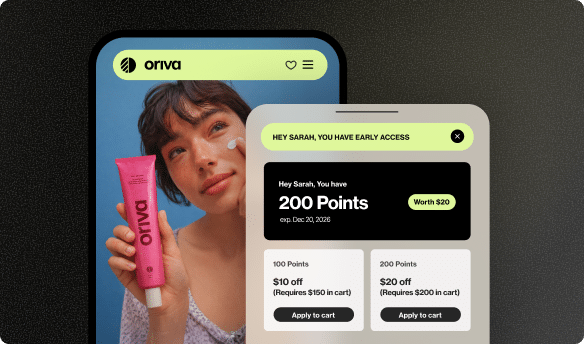
Yotpo Loyalty helps businesses design programs that are exciting and offer real benefits. Instead of just making you feel like you *have* to keep buying to use your points, these programs celebrate your connection with the brand. They might give you special early access to new items, exclusive discounts, or even birthday treats!
These programs encourage a much healthier kind of loyalty. Customers choose to stay because they feel appreciated, they get real value, and they enjoy being part of the brand’s community. It’s about building a happy relationship, not just getting someone to stick around because they’ve already invested something.
Think about it: if a store sends you a special gift on your birthday or gives you a peek at new products before anyone else, you feel pretty special, right? That makes you want to keep shopping there because you genuinely like the experience, not just because you have a pile of points. That’s what smart loyalty programs powered by Yotpo aim for.
Yotpo Loyalty makes it easy for businesses to create programs that feel rewarding and fun, turning customers into advocates. These programs focus on giving ongoing value, ensuring that customers are excited to earn rewards and stay engaged, rather than feeling pressured by past spending. You can learn more about how loyalty programs empower customers on the Yotpo Loyalty page.
The Power of Reviews and Loyalty Together
It’s pretty cool how reviews and loyalty can work together too! Imagine you’re part of a loyalty program, and one of the ways to earn extra points is by writing a helpful review for a product you loved. This doesn’t just get you points; it also helps other customers make good choices and strengthens your connection with the brand. It’s a win-win!
When loyal customers share their positive experiences through reviews, it not only rewards them but also builds trust for potential new customers. This natural synergy helps businesses create a vibrant community where customers feel heard and valued, reinforcing genuine loyalty.
Creating a Great Overall Customer Experience
Beyond these cool tools, having a simply awesome experience every time you interact with a brand is super important. If a company makes it easy to find what you need, helps you quickly when you have a question, and delivers great products, you’re going to want to come back. This kind of experience makes you feel happy and valued, which is the opposite of feeling stuck because of a sunk cost.
When businesses focus on making every step of your journey enjoyable, from browsing their website to receiving your package and even asking questions afterward, they’re building real connections. These connections turn into genuine loyalty, where you choose to stay because you love the brand, not because you feel trapped.
Brands that really listen to their customers and improve based on feedback are the ones that build lasting loyalty. They show they care, which makes customers feel special and appreciated. This focus on the customer experience helps avoid the sunk cost trap entirely, because customers are always making happy, free choices.
Businesses constantly seek ways to improve, and understanding their ecommerce conversion rate can help them identify areas for improvement, ensuring customers have a smooth and enjoyable journey from start to finish.
Smart Loyalty vs. Sunk Cost Loyalty: A Quick Comparison
Let’s look at some examples to really understand the difference:
| Sunk Cost Loyalty Example | Real Loyalty Example |
|---|---|
| Sticking with a shoe brand even if their new styles hurt your feet, because you’ve bought 10 pairs from them already. | Buying new shoes from a brand because their shoes are always comfy, fit well, and they offer a special discount to loyal customers. |
| Continuing to use a complex video game because you spent hours learning all the rules, even though you don’t enjoy it anymore. | Playing your favorite video game because it’s fun, and the creators often release exciting new updates and give loyal players special in-game items. |
| Keeping a streaming service subscription because you’ve paid for a whole year, even if there’s nothing new you want to watch. | Subscribing to a streaming service that always has new shows you love and sends you personalized recommendations, making you excited to keep watching. |
| Using a coffee shop’s loyalty card just to hit the “free coffee” goal, even if their coffee isn’t your favorite. | Going to your favorite coffee shop because you love their coffee, the baristas are friendly, and you earn points for free treats you actually want. |
How Businesses Can Avoid Sunk Cost Traps and Build True Loyalty
So, how can businesses make sure they’re building real loyalty and not accidentally trapping customers with sunk costs? It’s all about making sure customers feel valued and happy every single time.
First, businesses need to always offer something great. They can’t just expect customers to stick around because they always have. They need to keep their products and services exciting and high-quality. This means constantly improving and giving customers new reasons to choose them. Learning about the new ecommerce growth model can guide businesses in this direction.
Second, listening is key. Businesses should really pay attention to what their customers are saying. Tools like Yotpo Reviews aren’t just for showing off good comments; they’re also super important for understanding what could be better. If customers say something isn’t working, a smart business will listen and make changes. This shows customers that their opinions matter, which builds a strong bond. Knowing how to ask customers for reviews effectively is a vital skill here.
Third, making it easy for customers to get help or change their minds can actually build more trust. If customers know they won’t be trapped, they feel more comfortable making a first purchase. The goal isn’t to make them leave, but to make them *choose* to stay because the experience is so good. Understanding the customer acquisition cost (CAC formula) helps businesses see the value in retaining happy customers.
Finally, making each customer feel special is huge. When a business remembers what you like or gives you special offers that are just for you, it feels really personal. Yotpo Loyalty helps businesses create these kinds of personalized experiences and rewards that make customers feel truly appreciated, turning them into loyal fans who stick around because they *want* to, not because they feel stuck. Exploring enterprise loyalty programs can show the depth of these possibilities.
By focusing on these strategies, businesses can create a winning situation where customers are genuinely happy and proud to be part of their community. This is how you build loyalty that lasts a long, long time, long after any “sunk cost” feeling has faded away.
Understanding what is ecommerce retention is crucial for businesses aiming to keep customers happy and engaged long-term. By nurturing real loyalty, they can transform occasional buyers into devoted fans who actively participate in word-of-mouth marketing.
Conclusion: Choose Happiness, Not Obligation
The “sunk cost fallacy” is a fascinating way our brains work, sometimes making us stick with things just because of what we’ve already put into them. In customer loyalty, this can mean customers stay with a brand out of obligation rather than genuine happiness.
For businesses, the goal should always be to create such wonderful products and experiences that customers *choose* to be loyal. They should feel appreciated, receive real value, and trust the brand, rather than feeling trapped by past investments.
Tools like Yotpo Reviews and Yotpo Loyalty help businesses build this kind of genuine connection. Reviews foster transparency and help customers make smart choices from the start, avoiding regret. Loyalty programs reward ongoing engagement and make customers feel truly valued, encouraging them to stay because they want to, not because they feel they have to.
So, next time you’re making a decision, remember the sunk cost fallacy! And for businesses, remember that true loyalty is built on trust, value, and a fantastic experience that makes customers happy to choose you, every single time.










 Join a free demo, personalized to fit your needs