


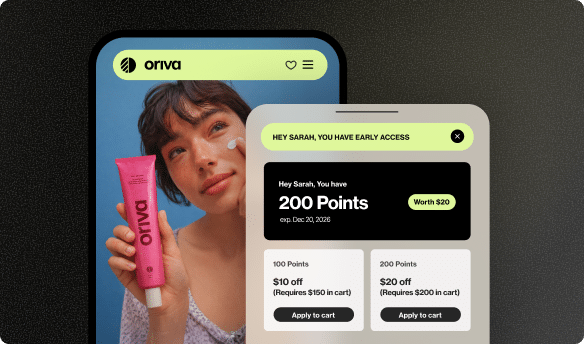







Welcome to the World of Customer Loyalty!
Imagine you have a favorite toy store. They love it when you visit and buy cool stuff, right? To say “thank you” for being a loyal shopper, many stores create special clubs called loyalty programs. These programs make shopping more fun by giving you rewards and sometimes even special access to new toys or discounts!
Within these clubs, stores often have different levels, like different belts in karate or different ranks in a game. We call these levels tiers. The more you shop, the higher you climb! Maybe you start as a “Bronze Buddy,” then become a “Silver Star,” and finally a “Gold Genius.” Each tier usually comes with even better perks.
But what happens if you don’t shop as much for a while? Do you suddenly get kicked out of the club? Not usually! This is where something clever called a “soft landing” comes into play. It’s like gently sliding down a slide instead of falling off a cliff. When a store has to move you to a lower tier, they try to do it in a way that still makes you feel good and valued. This careful way of moving you down a tier is what we mean by a soft landing, or sometimes, a “tier downgrade.”
Understanding soft landings helps us see how smart businesses take care of their customers, even when things change. It’s all about keeping you happy and wanting to come back, no matter your tier! Tools like Yotpo Loyalty help brands build these kinds of thoughtful programs.
What Are Loyalty Programs and Tiers, Really?
Let’s dive a little deeper into these loyalty clubs. Think of them like a special membership that rewards you for choosing to shop at a particular store again and again. Instead of just buying something and leaving, you get points, discounts, or exclusive gifts. It’s the store’s way of saying, “We appreciate you!”
Most loyalty programs have different levels, or tiers. Imagine a game where you earn experience points. When you get enough points, you level up! It’s similar with loyalty tiers. For example, a store might have:
- Bronze Tier: For new members or those who shop a little. Maybe you get a small discount or early notice about sales.
- Silver Tier: For customers who shop more often. You might get bigger discounts, free shipping, or a birthday gift.
- Gold Tier: For the store’s biggest fans! This tier could offer exclusive products, special events, or even a dedicated helper for your shopping needs.
These tiers are designed to make you feel extra special and encourage you to keep shopping to unlock even better rewards. They create a journey for you as a customer, making your experience more engaging. Businesses use powerful tools to manage these levels and make sure customers feel recognized, no matter their tier. This helps them improve conversion rates and build stronger relationships.
Why do stores bother with all these tiers? It’s simple: they want to keep you as a customer! They know that happy, loyal customers are more likely to keep buying and even tell their friends about the store. This is a big part of customer retention. By making you feel valued, stores hope you’ll stick around for a long time.
So, tiers are like climbing a ladder of perks. The more you engage, the higher you go and the more benefits you enjoy. It’s a win-win: you get rewards, and the store gets a happy, returning customer!
Why Might Someone Go Down a Tier? (The “Downgrade”)
Life happens, right? Sometimes, even if you love a store, you might not shop there as much as you used to. And when that happens, your tier in a loyalty program might change. This is called a tier downgrade. It’s not usually because the store is mad at you; it’s just how the loyalty program rules work.
Here are some common reasons why a customer might find themselves moving to a lower tier:
- Not Enough Shopping: Most tiers require you to spend a certain amount of money or make a certain number of purchases within a specific time, like a year. If you don’t meet that goal, your tier might drop. Maybe you found a new hobby that costs money, so you’re buying fewer clothes.
- Time Limits: Sometimes, tiers aren’t just about how much you spend, but how recently. If you haven’t shopped in a long time, even if you were once a top-tier customer, your status might reset.
- Program Changes: Stores sometimes update their loyalty programs. New rules might mean that what qualified you for a certain tier before no longer does. This doesn’t happen often, but it can.
- Life Changes: Maybe you moved, or your interests changed, or you’re saving up for something big. There are many personal reasons why someone might naturally reduce their shopping at a particular store.
It’s important to remember that a tier downgrade isn’t a punishment. It’s just the program adjusting to your current activity level. Smart businesses understand that customer behavior can change, and they want to handle these changes gracefully. This leads us to the idea of a “soft landing.”
No one wants to feel like they’ve failed or been forgotten. That’s why how a store handles a downgrade is super important for keeping customers happy, even when their status changes. A good loyalty program design considers all these scenarios.
What Exactly is a “Soft Landing”?
Okay, so we know that customers might sometimes move to a lower tier. But how can a store do this without making the customer feel sad or unwanted? That’s where a “soft landing” comes in! Imagine you’re riding a bicycle down a hill. Would you rather have a smooth, gentle slope at the bottom, or suddenly hit a big bump?
A soft landing in a loyalty program means that when a customer’s tier needs to change to a lower one, the store handles it in a kind and helpful way. It’s all about making the transition as smooth and comfortable as possible, so the customer doesn’t feel like they’ve been dropped or forgotten.
Why do stores care so much about this? Because they know that even if you’re not shopping as much right now, you might still be a valuable customer in the future. They don’t want to lose you entirely just because your shopping habits changed for a bit. A soft landing helps them:
- Keep You Happy: Even with a lower tier, you still feel respected and valued by the store.
- Maintain the Relationship: It shows the store cares about you beyond just how much money you spend at one moment.
- Encourage Future Shopping: If you feel treated well during a downgrade, you’re more likely to come back and shop again when you’re ready.
Think of it like this: You were a “Gold Genius” at your favorite store, but you didn’t shop as much this year, so you’re moving to “Silver Star.” A soft landing means the store doesn’t just switch your status without a word. Instead, they might send you a nice message, explain what’s happening gently, and remind you of the cool perks you still get as a “Silver Star.” They might even give you a special little offer to say, “Thanks for being with us!”
It’s about empathy and smart business. Stores understand that keeping a customer, even at a lower activity level, is usually better than making them feel bad and losing them forever. Loyalty solutions are designed to manage these delicate customer journeys.
How Stores Create a Soft Landing for Customers
So, how do smart businesses actually make these tier downgrades feel like a gentle landing instead of a harsh bump? It takes a bit of planning and a lot of care. Here are some of the clever ways stores achieve a soft landing:
Sending a Friendly Warning
Nobody likes surprises, especially when it means losing out on perks! A key part of a soft landing is giving customers a heads-up. This means sending a message, perhaps a month or two before their tier is set to change. This message gently reminds them how much they need to spend or how many points they need to earn to keep their current tier. It gives them a chance to act if they want to. This communication is often personalized, making the customer feel seen.
Offering a Grace Period
Sometimes, stores will give you a little extra time, like a “grace period,” to meet the requirements for your current tier. This is like getting an extension on homework – it takes the pressure off! This short extension can make a big difference in how a customer feels about their loyalty program. It shows the store is understanding.
Giving Special Treats and Offers
Even if a customer does move down a tier, some stores will offer a small gift or a special discount as a “thank you” for their past loyalty. This could be a coupon for their next purchase or a small bonus of points. It’s a way of saying, “We still value you, even if your tier has changed.” This gesture can turn a potentially negative experience into a positive one.
Clear and Kind Communication
When a downgrade happens, the store needs to explain it clearly and kindly. This means:
- Explaining Why: “You’re moving from Gold to Silver because your spending in the last 12 months was X, and Gold requires Y.”
- Highlighting New Perks: “But don’t worry, as a Silver Star, you still get free shipping on all orders and a special birthday discount!”
- Showing How to Re-qualify: “To get back to Gold, you’ll need to spend Z in the next year.”
This clear communication helps customers understand the situation and avoids confusion or frustration. It’s about being transparent and supportive.
Focusing on Future Value
Instead of just dwelling on the downgrade, smart stores remind customers of all the great things they can still enjoy in their new tier and how easy it is to climb back up. They highlight the ongoing benefits and make it clear that the customer is still a valued part of their loyalty community. This forward-looking approach keeps customers engaged.
Loyalty programs like those powered by Yotpo Loyalty are built with these features in mind. They allow businesses to automate warnings, manage grace periods, and send personalized messages and offers, all designed to make every customer feel appreciated, no matter their tier status. This kind of thoughtful management is crucial for building lasting customer relationships and encouraging word-of-mouth marketing.
The Big Benefits of a Soft Landing for Stores
You might be thinking, “Why would a store go to all this trouble just to move someone to a lower tier?” Well, there are some really smart reasons! A soft landing isn’t just nice; it’s good business. Here’s why it’s a big win for stores:
Happy Customers Mean Loyal Customers
Even if a customer is moving down a tier, a soft landing makes them feel respected and cared for. They won’t feel like they’ve been suddenly dropped or forgotten. Happy customers, even those who are less active, are much more likely to have positive feelings about the brand. This positive feeling can turn into continued purchases, just perhaps at a different pace. Keeping customers happy is key to ecommerce retention.
They Keep Shopping (Even a Little!)
If a customer feels bad after a harsh downgrade, they might just stop shopping at that store altogether. But with a soft landing, they might think, “Okay, my tier changed, but they were so nice about it. I’ll still buy from them when I need something.” This means the store keeps getting some business, instead of losing it all. It reduces customer acquisition costs by not having to find a brand new customer to replace the lost one.
Boosts the Store’s Reputation
When a store handles a tricky situation like a tier downgrade with grace and kindness, it shows they genuinely care about their customers. This builds a great reputation. People talk about good experiences, and a store known for treating its customers well, even when their status changes, will attract more people. It’s part of building a great ecommerce customer experience.
Prevents “Churn”
In business, “churn” means when customers stop doing business with a company. A harsh downgrade is a big reason why customers might “churn.” A soft landing dramatically reduces this risk. By keeping customers engaged and feeling positive, even at a lower tier, stores prevent them from leaving for competitors. This helps them with marketing funnel strategies.
Encourages Climbing Back Up
If a customer feels good about the store despite their tier change, they might be motivated to shop more in the future to earn their way back to a higher tier. The soft landing doesn’t just prevent loss; it encourages future engagement and loyalty. This makes the loyalty program even more effective for driving sales. The tools provided by Yotpo Loyalty help businesses manage these loyalty tiers and customer journeys effectively, ensuring that every interaction, including a downgrade, strengthens the customer relationship.
In short, a soft landing is a smart strategy that benefits both the customer and the business by fostering goodwill, encouraging continued engagement, and protecting the store’s reputation. It’s about playing the long game in customer relationships.
Real-Life Examples of Soft Landings (Simplified)
Let’s make this even clearer with some simple examples. Imagine a world of your favorite stores and how they might handle a tier downgrade with a soft landing.
The “Super Shopper” Kids’ Clothes Store
Imagine a store that sells awesome clothes for kids. They have a “Super Shopper Club” with three tiers: “Junior Jumper,” “Style Star,” and “Fashion Guru.” To stay a “Fashion Guru,” you need to spend $500 in a year.
Sarah was a “Fashion Guru” because she bought a lot of clothes for her growing kids last year. This year, her kids got a lot of hand-me-downs, so she only spent $200. She’s going to move down to “Style Star.”
Without a Soft Landing: Sarah just gets an email saying, “Your tier is now Style Star.” She feels a bit disappointed, maybe a little unappreciated, and wonders if she should just shop somewhere else next time.
With a Soft Landing:
- A Month Before: Sarah gets an email saying, “Hi Sarah! Just a friendly reminder, to keep your ‘Fashion Guru’ status, you need to spend $300 more in the next month. If not, don’t worry, you’ll still be a fantastic ‘Style Star’ with these great benefits: (list benefits).”
- After Downgrade: She receives another email: “Hello Sarah, your ‘Fashion Guru’ status has now transitioned to ‘Style Star.’ Thank you for being such a valued customer! As a little thank you, here’s a special 15% off coupon for your next purchase. We hope you continue to enjoy our amazing clothes and the perks of being a Style Star!”
See the difference? Sarah still moves down, but she feels informed, appreciated, and even gets a little bonus. She’s much more likely to use that coupon and keep shopping.
The “Bookworm Bonus” Online Bookstore
An online bookstore has a loyalty program called “Bookworm Bonus.” Tiers are “Page Turner,” “Story Seeker,” and “Novel Navigator.” To stay a “Novel Navigator,” you need to buy 20 books a year. Emily was a “Novel Navigator,” but this year she only bought 10 books because she was really busy.
With a Soft Landing:
| What Happens | How It Feels for Emily |
|---|---|
| Warning Email: “You’re 10 books short of ‘Novel Navigator’ for this year. You have 2 weeks left!” | Informed, aware, maybe thinks about buying a couple more books. |
| Downgrade Notification: “You’re now a ‘Story Seeker.’ Here are your new perks, plus a free e-book download as a thank you!” | Still gets some cool perks, feels good about the freebie, understands the change. |
| Reminder: “You can always become a ‘Novel Navigator’ again by buying 20 books next year!” | Motivated to possibly aim for the higher tier again in the future. |
These examples show how a thoughtful process, enabled by tools like loyalty program software, can turn a potentially negative event into an opportunity to strengthen customer relationships. It’s about showing customers you value them, regardless of their current spending habits.
The Important Role of Customer Feedback and Reviews
Even with the best loyalty programs and soft landing strategies, listening to your customers is always key. How do stores know if their soft landings are actually working? They listen! This is where customer feedback and reviews become super important.
Imagine if Sarah from our kids’ clothes store example felt really upset even after the soft landing. She might leave a review saying, “I used to be a Fashion Guru, but I was downgraded. Even with the discount, I feel like they don’t care about my loyalty.” This kind of feedback, whether it’s through a public review or a private survey, is like a secret superpower for stores.
Here’s how feedback and reviews help, especially when it comes to loyalty programs and tier changes:
- Understanding Feelings: Reviews let stores know how customers truly feel about their loyalty program, including any changes or downgrades. Are customers happy with the soft landing? Do they feel respected?
- Spotting Problems: If many people are complaining about how a tier downgrade was handled, it tells the store they might need to adjust their soft landing approach. Maybe the warning wasn’t clear enough, or the special offer wasn’t appealing.
- Improving the Program: Based on feedback, stores can make their loyalty programs even better. They might change the tier requirements, improve the rewards, or refine how they communicate downgrades.
- Building Trust: When stores openly ask for reviews and show they listen, it builds trust. Customers feel like their voice matters, which makes them even more loyal. This also helps with ecommerce product reviews, as satisfied customers are more likely to leave positive feedback about their purchases.
- Gathering Positive Stories: When a soft landing works well, customers might leave glowing reviews about how well they were treated, even during a tier change. This positive feedback can attract new customers!
Platforms like Yotpo Reviews make it easy for businesses to collect, manage, and use customer feedback. They help stores ask customers for reviews at the right time and display them where other shoppers can see them. This transparency is great for building trust and for the consumer decision-making process.
So, reviews aren’t just for products! They’re a vital way for businesses to take the pulse of their loyalty programs and ensure that even tier downgrades are handled in a way that keeps customers feeling positive and engaged. Learning how to ask customers for reviews effectively can unlock these valuable insights.
Bringing It Together: Loyalty and Reviews for a Better Customer Journey
We’ve talked about loyalty programs, different tiers, and the clever idea of a “soft landing” when a customer moves down a tier. We’ve also seen how customer feedback and reviews are super important for understanding what customers think and feel. Now, let’s see how these two big ideas work together to create an amazing experience for shoppers!
Think of it like building a fantastic treehouse. The loyalty program is the strong foundation and structure, with different levels (tiers) for all your friends to enjoy. The soft landing is like the gentle ramp that lets you easily move between levels without a bump. And customer reviews? They’re like your friends telling you, “This ladder is a bit wobbly,” or “This slide is so much fun!” – helping you make the treehouse even better!
Here’s how Yotpo Loyalty and Yotpo Reviews work hand-in-hand to build happy, loyal customers:
- Loyalty Programs Drive Engagement: A well-designed loyalty program encourages customers to keep shopping, earn points, and climb tiers. This regular engagement means customers are more likely to have opinions and experiences to share. You can even find success stories of brands using these tools on Yotpo’s blog.
- Soft Landings Show Care: When a customer’s tier changes, Yotpo Loyalty helps stores manage those soft landings with personalized messages, special offers, and clear communication. This thoughtful approach reduces frustration and reinforces positive feelings about the brand.
- Reviews Provide Insights: Yotpo Reviews collects valuable feedback. This isn’t just about products; it’s about the entire customer experience, including how they feel about the loyalty program. Are people happy with their tier benefits? Did the soft landing make them feel respected? This feedback helps businesses understand the ecommerce customer experience deeply.
- Feedback Improves Loyalty: Insights from reviews can directly help improve the loyalty program. If customers suggest new types of rewards or ways to make tier changes smoother, businesses can use this information to adjust their loyalty software settings and make the program even more appealing.
- Happy Loyal Customers Leave Great Reviews: Customers who feel valued by a loyalty program and experience thoughtful soft landings are often the ones who are most enthusiastic. They are more likely to leave positive reviews, recommend the store to friends (referral codes and referral marketing platforms are great for this!), and become true brand champions.
Imagine a customer who feels so good about their loyalty experience and how the store handled a tier change that they write a fantastic review. This review not only makes them feel heard but also helps new customers trust the brand. This powerful combination of smart loyalty management and genuine customer feedback creates a continuous loop of improvement and customer satisfaction. It’s truly a smarter way to grow an online business, building a strong community of happy shoppers.
Conclusion: The Gentle Art of a Soft Landing
So, what have we learned about soft landings and tier downgrades? At its heart, it’s all about how a store treats you, even when your loyalty status changes. Instead of a sudden jolt, a soft landing ensures that if you move to a lower loyalty tier, the experience is gentle, clear, and leaves you feeling valued.
We’ve explored how loyalty programs with different tiers encourage you to shop more by offering cool rewards. And we know that sometimes, life means you might not shop as much, leading to a tier downgrade. But smart businesses don’t see this as losing a customer; they see it as an opportunity to reinforce their relationship with you.
Through warnings, grace periods, special offers, and clear communication, stores can make sure that a tier downgrade feels less like a fall and more like a smooth glide. This thoughtful approach helps keep customers happy, encourages them to keep shopping, protects the store’s good name, and prevents them from leaving entirely. It’s a core part of building a strong DTC marketing strategy.
And let’s not forget the power of your voice! Customer feedback and reviews are like a compass, guiding businesses to make their loyalty programs and soft landing strategies even better. When stores use tools like Yotpo Loyalty to manage their reward programs and Yotpo Reviews to listen to what you have to say, they’re building a stronger, more caring shopping experience for everyone.
Ultimately, a soft landing isn’t just a fancy business term; it’s a testament to how successful companies prioritize their customers. They understand that a happy customer today might be a super loyal customer tomorrow, no matter what tier they’re in. It’s about building lasting friendships between you and your favorite stores.




 Join a free demo, personalized to fit your needs