








What is Site Speed, Really?
Imagine you’re super excited to visit a fun new website. You type in the address, hit enter, and then… nothing. Or maybe a little spinning wheel just keeps turning and turning. How does that make you feel? Probably a bit annoyed, right? This “waiting time” is what we mean when we talk about site speed.
Site speed is simply how fast everything on a website shows up and works when you try to visit it. Think of it like a race. When you click a link or type a website address, your computer sends a message to where that website “lives” (called a server). The server then sends back all the pieces of the website – the words, pictures, videos, and buttons. Site speed measures how quickly all those pieces travel to your computer and arrange themselves perfectly on your screen so you can start using the site.
A fast website is like a super-speedy delivery service. You order something, and it arrives almost instantly. A slow website is more like waiting for a snail to cross the finish line. It’s not just about how fast the first picture appears, either. It’s also about how quickly you can click buttons, scroll smoothly, and interact with everything on the page. Nobody likes a website that freezes or makes you wait after every click!
So, in short, site speed is the measure of how quickly a web page loads and becomes ready for a user to interact with it. It’s a really important part of visiting any website, especially when you’re shopping or trying to find information quickly.
Why Does Site Speed Matter So Much?
You might wonder, “Why should I care if a website takes an extra second or two to load?” Well, those few seconds can make a huge difference, both for you as a visitor and for the businesses that own those websites.
Happy Visitors Stay Longer
Think about your favorite games or videos. If they took forever to load, would you still enjoy them as much? Probably not! It’s the same with websites. When a site loads quickly, it’s a joy to use. You can browse, click, and explore without feeling frustrated. Happy visitors tend to stick around longer, explore more pages, and have a better experience overall. If a site is slow, people often get impatient and leave before they even see what the site has to offer. This is a common part of the consumer decision-making process, where initial impressions heavily influence subsequent actions.
More Sales for Businesses
For online stores, site speed is incredibly important. Imagine you’re trying to buy a cool new toy. If the checkout page keeps lagging or the product pictures take ages to appear, you might just give up and go to another store that’s faster. Businesses know this. A fast website means customers can find what they want, add it to their cart, and pay for it without any annoying delays. This directly helps improve their ecommerce conversion rate, which is fancy talk for how many visitors actually buy something.
Did you know that even a one-second delay in page load time can reduce sales by a significant amount? It’s true! Businesses work hard to make their sites speedy because they want you to have the best shopping experience possible and, of course, to make a purchase.
Better Search Engine Ranking
Have you ever used a search engine like Google to find something? When you search, Google tries to show you the best and most relevant websites. One of the things Google looks at is how fast a website loads. Why? Because Google wants to give you a great experience too! If Google sends you to a super slow site, you might get annoyed with Google. So, faster websites often show up higher in search results, making it easier for people to find them. It’s a win-win: businesses get more visitors, and visitors find what they’re looking for faster.
Building Trust and Professionalism
A website that loads quickly and smoothly just feels more professional and trustworthy, doesn’t it? It shows that the business cares about its customers’ experience and has invested in a good website. On the other hand, a slow, clunky website can make a business seem less reliable or up-to-date. Think of it like walking into a clean, well-organized store versus a messy one; the clean one just feels better.
In summary, site speed isn’t just a technical detail. It deeply affects how much people enjoy a website, how often they buy things, how easily they find the site, and how much they trust the business behind it. It’s a truly big deal!
What Makes a Website Slow?
So, if fast websites are so important, why aren’t all websites super quick? Well, there are many reasons why a website might be a bit sluggish. It’s like a car trying to drive fast – sometimes it’s because the engine isn’t powerful enough, or maybe it’s carrying too much weight!
Big Pictures and Videos
This is one of the most common reasons. Think about a really high-quality photo from a fancy camera. It can be huge! If a website tries to load lots of these giant pictures or long, unoptimized videos, it takes a lot of time for your computer to download all that information. It’s like trying to download a huge video game over a slow internet connection; it just takes ages!
Too Many Fancy Features
Websites today can do amazing things, from animated buttons to cool interactive maps. Many of these features require extra computer code to make them work. If a website has too many of these complex features, or if the code isn’t written very efficiently, it can slow things down. Each little piece of code needs to be downloaded and run by your computer, and too much can overwhelm it.
Old or Inefficient Technology
Just like cars get new engines and features over time, the technology behind websites also improves. If a website is built using older methods or software that isn’t very efficient, it might naturally be slower than a site built with the latest, speedier tools. Regular updates are crucial for keeping things running smoothly.
Slow Servers
Remember how we said websites “live” on servers? These servers are powerful computers that store all the website’s files. If a server is old, overloaded, or just not very fast, it will take longer to send those files to your computer. It’s like having a slow chef in a restaurant – no matter how good the ingredients are, if the chef is slow, your food takes a long time to arrive.
Too Many Pop-ups or Ads
Many websites use pop-up messages or display advertisements to help their business. While these can be useful, too many of them, or ads that aren’t optimized, can add extra weight to a page. Each ad or pop-up needs to load its own content, which can compete with the main website content for your computer’s attention, making everything slower.
Understanding these common culprits helps businesses know what to look for when trying to speed up their sites. It’s a continuous effort to ensure the best experience for everyone.
How Can We Make a Website Faster?
Good news! There are lots of ways to make a slow website speedy again. It’s a bit like giving a car a tune-up or making it lighter so it can go faster. Businesses and web developers often focus on these key areas:
Optimize Images and Videos
This is usually one of the first and most effective steps. Instead of putting giant, super high-resolution pictures straight onto a website, they can be “optimized.” This means making them smaller in file size without making them look blurry or pixelated. Tools can compress images, reducing their weight. Videos can also be set to load only when you click on them, instead of trying to load everything the moment you open a page.
Clean Up Code
Websites are built with different kinds of code, like HTML, CSS, and JavaScript. Sometimes, developers might leave in code that isn’t actually used, or they might write it in a way that isn’t the most efficient. Cleaning up this code, removing unnecessary bits, and making it more streamlined can significantly reduce the amount of data your browser needs to download and process.
Use Caching
Imagine you visit a website. Your computer downloads all its pictures, text, and code. If you then visit that same website again, your computer doesn’t need to download everything from scratch! Caching is like your computer remembering parts of the website it has already seen. It stores these parts temporarily. So, the next time you visit, it loads much faster because it only needs to grab the new stuff. Businesses set up their websites to tell your browser what to cache, making repeat visits super quick.
Choose a Good Host
Remember the server where the website lives? That’s called a web host. Choosing a good, fast, and reliable web host is crucial. A powerful host with good network connections can deliver website files to visitors much quicker than a cheap, overloaded host. It’s like picking a good internet provider for your home – a faster connection makes everything better.
Reduce Redirects
Sometimes, when you click a link, it might send you to one web address, which then automatically sends you to another, and then maybe another, before you finally reach the page you wanted. These are called redirects. Each redirect takes a little bit of extra time. Minimizing these detours means you get to your destination faster, with fewer delays.
Think About Mobile First
Most people browse websites on their phones these days. Phones often have slower internet connections and less powerful processors than desktop computers. So, it’s super important for websites to be designed with mobile users in mind. This often means using smaller images, simpler layouts, and efficient code so the site loads quickly and works perfectly on a tiny screen. A website that’s fast on a desktop but slow on a phone isn’t doing its job well.
By focusing on these areas, web developers can turn a slow, frustrating website into a quick, enjoyable experience for everyone.
Site Speed and Your Online Store: Why it’s a Big Deal for Businesses
For any online business, how fast their website runs isn’t just a technical detail; it’s a huge part of how successful they become. A slow online store can be like having a shop with a sticky door – people might just give up trying to get in!
Creating a Fantastic Customer Experience
Imagine walking into a physical store. If the aisles are clear, the staff are friendly, and you can easily find what you need, you’ll have a great experience. An online store is no different. A fast website makes shopping smooth and easy. Pages load instantly, products appear quickly, and clicking “add to cart” feels snappy. This creates a positive ecommerce customer experience, which makes people happy and eager to return.
Keeping Customers Around
If your online store is fast and fun to use, customers are much more likely to stay on your site, browse through different products, and spend more time engaging with your brand. A slow site, however, can quickly drive people away, reducing your chances of making a sale or building a lasting relationship. Keeping customers engaged and happy is key to customer retention, which means they come back again and again.
The Power of Word-of-Mouth
People love to talk about great experiences. If your website is lightning-fast and super easy to use, customers might tell their friends, “You have to check out this site, it’s so quick!” This kind of word-of-mouth marketing is incredibly valuable for businesses. On the flip side, a really slow website can also generate negative talk, pushing potential customers away.
Turning Browsers into Buyers (Conversion Rates)
Ultimately, online stores want people to buy their products. A fast website removes obstacles. It allows customers to move quickly from looking at a product to adding it to their cart and completing their purchase. This means more visitors turn into actual buyers, which directly boosts a store’s ecommerce conversion rate. Every second counts here!
How Site Speed Impacts User-Generated Content (UGC)
User-Generated Content, or UGC, is things like customer reviews, photos, and videos that real people share about products they’ve bought. It’s super important for building trust and helping other shoppers decide what to buy. But guess what? Site speed plays a big role here too!
- Leaving Reviews: If a customer had a great experience with a product and wants to leave a review, they need the review form to load quickly and be easy to fill out. If the site is slow and the form takes ages to appear or submit, they might get frustrated and give up. That means a business loses out on valuable feedback! Yotpo’s Reviews product helps businesses gather amazing customer reviews. A fast site makes sure that Yotpo’s review forms load instantly, encouraging more customers to share their honest feedback, which is crucial for influencing new buyers.
- Sharing Visuals: Many customers love to share photos or videos of products they’ve bought – think of someone showing off their new shoes or gadget. This Visual UGC is incredibly powerful. But uploading pictures and videos can take a lot of internet power. If the website is slow, the upload process can be frustratingly long, or it might even fail. This stops customers from sharing their cool content, and businesses miss out on seeing their products used in real life.
Essentially, a fast site helps unlock more user-generated content because it makes the process of sharing smooth and enjoyable for the customer.
How Site Speed Impacts Loyalty Programs
Loyalty programs are all about rewarding customers for sticking with a brand. They’re a fantastic way to build relationships and encourage repeat purchases. But even the best loyalty program needs a fast website to truly shine!
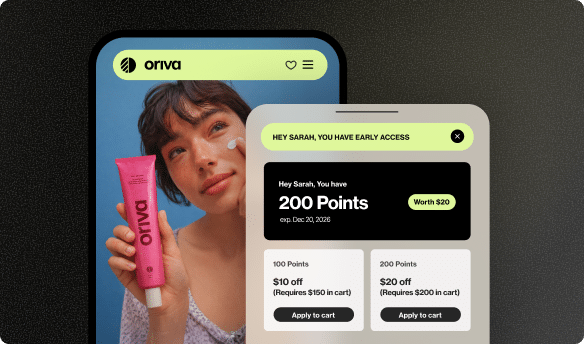
- Engaging with Rewards: Customers want to quickly see how many points they have, what rewards they can get, and how to redeem them. If the pages showing their loyalty points or the rewards catalog load slowly, it can make the whole experience less exciting and more annoying. Yotpo’s Loyalty software helps businesses create exciting rewards programs. When integrated with a fast-loading website, Yotpo’s loyalty widgets and customer dashboards respond instantly, making it easy and fun for customers to track their points and redeem rewards. This encourages them to keep coming back and earning more!
- Seamless Experience: A fast site ensures that every interaction with the loyalty program – from signing up to checking point balances to using a discount – feels effortless. This seamless experience strengthens the bond between the customer and the brand, leading to greater loyalty and repeat business. You can learn more about how effective loyalty programs work by exploring best loyalty programs.
The Synergy Between Reviews and Loyalty
While Yotpo Reviews and Yotpo Loyalty are powerful on their own, a fast site helps them work even better together. Imagine a customer buying something quickly, leaving a product review with ease, and then instantly seeing loyalty points added to their account for that action. This smooth, fast interaction makes customers feel valued and encourages them to engage even more with the brand, both by sharing feedback and by making future purchases.
Checking Your Site’s Speed: Tools and Metrics
So, how do businesses actually know if their website is fast or slow? They don’t just guess! There are special tools that measure site speed and give a clear picture of what’s happening. It’s like a doctor checking your pulse and temperature to see if you’re healthy.
Simple Online Tools
Anyone can use free online tools to check a website’s speed. Two of the most popular are:
- Google PageSpeed Insights: This tool, made by Google, gives a score for both mobile and desktop versions of a website. It also gives helpful suggestions on how to make the site faster.
- GTmetrix: This tool provides a detailed breakdown of how long each part of a website takes to load, from images to fonts. It’s like getting a report card for your website’s performance.
These tools don’t just tell you if you’re fast or slow; they give you a roadmap for improvement!
What Do Those Metrics Mean?
When you use these tools, you’ll see some technical-sounding words. Don’t worry, we can break them down into simple ideas:
| Metric Name | What it Means (Simply) | Why it Matters |
|---|---|---|
| First Contentful Paint (FCP) | The very first time anything shows up on the screen. | It tells you how long before a user sees *any* visual feedback. A quicker FCP makes people feel like the site is responsive. |
| Largest Contentful Paint (LCP) | When the biggest and most important part of the page (like a main picture or title) appears. | This is often what makes a site feel like it has “loaded.” A fast LCP means users can start seeing the main content quickly. |
| Total Blocking Time (TBT) | How long the page is “frozen” and won’t respond to your clicks or typing. | A high TBT means the page feels clunky and unresponsive, which is super frustrating. You want this number to be low. |
| Cumulative Layout Shift (CLS) | How much things on the page jump around unexpectedly while it’s loading. | Imagine trying to click a button, but suddenly a picture loads above it, pushing the button down! CLS measures this annoyance. A low CLS means a stable, predictable layout. |
| Interaction to Next Paint (INP) | How quickly the website responds after you click something or type. | This is a newer, very important measure. It tells you how long it takes for the website to show you a result after you interact with it. A low INP means a very responsive and smooth experience. |
These metrics, especially LCP, CLS, and INP, are known as Core Web Vitals. Google uses them as important signals to understand how good a website’s user experience is. Keeping these numbers low and good helps websites rank higher and keep visitors happier.
The Future of Site Speed: What’s Next?
Websites are always getting smarter and faster, and the internet itself is always improving. So, what can we expect for site speed in the years to come?
- Even Faster Internet: With things like 5G and better home internet connections, the “highway” for website data will get wider and quicker. This will naturally help websites load faster, even if they have lots of content.
- Smarter Website Building Tools: The programs and tools that web developers use to build websites are constantly evolving. They are becoming better at automatically optimizing images, cleaning code, and using efficient techniques. This makes it easier for businesses to create fast sites without needing to be super technical experts.
- Continued Focus on Core Web Vitals: Google and other search engines will keep emphasizing the importance of a great user experience. This means metrics like LCP, CLS, and INP will remain key factors for how websites are ranked and how well they perform. Businesses will continue to prioritize these measurements.
- Personalized Experiences That Are Still Fast: Imagine a website that instantly knows what you like and shows you relevant products. As websites become more personalized, the challenge will be to deliver these tailored experiences without slowing anything down. Technologies that predict what you might want to see next will help keep things speedy.
One thing is for sure: speed will always be a top priority for websites. As more and more of our lives happen online, having a quick and responsive web experience will only become more important for everyone.
Conclusion
So, what is site speed? It’s simply how fast a website loads and responds to you. But as we’ve explored, it’s so much more than just a technical detail. It’s about making sure you, the visitor, have a fantastic experience, whether you’re learning something new, watching a video, or shopping for your next favorite item.
For businesses, especially online stores, a fast site is absolutely essential. It helps them attract more customers, keep them happy, encourage them to buy, and build lasting relationships through features like customer reviews and loyalty programs. Every second counts! A speedy website isn’t just a nice-to-have; it’s a must-have in today’s digital world.
If you have an online business, think about checking your site speed regularly. It’s one of the best ways to ensure your customers are always getting the quick, smooth experience they deserve, leading to greater success for your brand. Why not use one of the tools we mentioned to see how your site stacks up?




 Join a free demo, personalized to fit your needs