







What is a Sales Cycle?
Have you ever wanted to buy something special, like a new video game or a cool pair of sneakers? Think about all the steps you take from first wishing for it to finally having it in your hands. Maybe you research it online, ask your friends, try to convince your parents, and then finally get to own it. Well, businesses go through a very similar journey when they try to sell things to customers! This journey, from when a business first hears about a potential customer until that customer buys something and beyond, is called the sales cycle.
It’s like a roadmap for selling. Every business, big or small, has one, even if they don’t call it by that fancy name. Understanding this cycle helps businesses work smarter, not just harder, to find new customers and keep their old ones happy. Knowing where a customer is on their journey helps a business know exactly how to help them next. It’s a key part of how companies grow and succeed, making sure they’re always thinking about the customer’s needs every step of the way.
Why Understanding the Sales Cycle is Super Important
Imagine trying to bake a cake without a recipe. You might mix ingredients in any order, forget something important, or even burn it! The sales cycle is like that recipe for businesses. It gives them a clear set of steps to follow, making the selling process smoother and more effective. When a business truly understands its sales cycle, it gains some powerful advantages:
- Better Planning: They can plan their activities more effectively, knowing what to do at each stage.
- Spotting Problems: If sales aren’t going well, they can look at each step to figure out where things might be getting stuck. Is it hard to find new people? Are customers losing interest before buying?
- Helping Customers Better: By knowing where a customer is in their journey, businesses can offer the right information or help at the perfect time. This makes the customer feel understood and valued.
- Predicting the Future: A clear sales cycle helps businesses guess how many sales they might make in the future, which is super helpful for planning and growth.
- Saving Time and Money: When the process is clear, businesses waste less time on things that don’t work and can focus on what does.
Simply put, a well-understood sales cycle helps businesses deliver a better experience and build stronger relationships with their customers. It’s all about making that customer journey as smooth and enjoyable as possible, from start to finish.
The Main Stages of a Sales Cycle
While different businesses might have slightly different names for them, most sales cycles follow a similar path, usually broken down into several key stages. Think of these as the different chapters in our selling story. Let’s explore each one:
Stage 1: Prospecting – Finding New Friends (Customers!)
This is the very first step, like looking for people who might be interested in what you have to offer. Businesses are constantly searching for potential customers, often called “prospects.” They might find them through online searches, social media, or even by getting recommendations from current happy customers.
In today’s digital world, one powerful way businesses discover new prospects is through the honest opinions and experiences of their existing customers. When people share their thoughts and pictures about products they love, it helps others discover those products too. For example, if a clothing brand’s customers share cool photos wearing their clothes, or write great reviews, it can catch the eye of new people who might then become prospects. This kind of user-generated content (UGC) acts like a magnet, drawing in fresh faces. Imagine seeing someone’s amazing review for a gadget you’ve been curious about — it makes you want to learn more, right? That’s prospecting in action.
Stage 2: Connecting – Saying “Hello”
Once a business finds a potential customer, the next step is to make contact. This isn’t about jumping straight to selling, but more about starting a conversation. It could be an email, a social media message, or even a chat on a website. The goal here is simple: introduce yourself, understand if they might have a need you can help with, and offer to provide more information.
This stage is all about making a good first impression and showing that you’re there to help, not just to sell. It’s like meeting someone new at school and simply asking how their day is going before talking about your favorite hobby. You’re trying to build a bridge, not just cross it immediately.
Stage 3: Qualifying – Are We a Good Match?
Not every person you talk to will be the right customer for your business. This stage is about figuring out if there’s a good match. Businesses ask questions to understand if the prospect actually needs their product or service, if they can afford it, and if they’re ready to make a decision. This helps everyone save time. There’s no point trying to sell a skateboard to someone who needs a bike, right?
During this stage, prospects are also trying to qualify the business. They’re looking for signs that the business is trustworthy and can truly solve their problem. This is where the experiences of others become very important. When potential customers see lots of positive reviews and happy customer stories, it helps them decide if a company is a good fit for them. They’re essentially asking, “Have other people like me had a good experience with this company?” Hearing positive answers from other customers can greatly influence a customer’s decision-making process, helping them move forward with confidence.
Stage 4: Presenting – Showing Off Your Solution
Now that you know a prospect has a need and is a good fit, it’s time to show them exactly how your product or service can help! This is where businesses explain the features and benefits, answer questions, and demonstrate why their solution is the best choice. Think of it like showing off your amazing new toy and explaining all the cool things it can do.
To make this presentation extra convincing, businesses often use powerful examples and real-life proof. This is where product reviews and visual user-generated content come into play. Imagine seeing a dazzling picture of a product not just on a white background, but being used by a real person in a fun, everyday setting. Or reading a review where someone explains exactly how a product solved their problem. These authentic stories and images from other customers act as powerful evidence, helping the prospect truly see the value and imagine themselves using the product. It’s much more impactful than just a business talking about itself; it’s real people vouching for the product.
Stage 5: Handling Objections – Answering Questions and Doubts
It’s natural for people to have questions or concerns before buying something new. “Is it too expensive?” “Will it really work for me?” “What if I don’t like it?” This stage is all about listening to those questions and providing clear, helpful answers. A good salesperson doesn’t get upset by objections; they see them as opportunities to provide more information and build trust.
Sometimes, the best way to handle an objection isn’t even for the business to answer it directly, but for another customer to have already answered it! For instance, if a potential customer wonders if a product is durable, seeing a review that says, “I’ve had this for a year, and it still looks new!” can be incredibly reassuring. Positive customer reviews often tackle common doubts head-on, easing concerns before they even become big problems. They provide social proof, showing the prospect that others have had similar questions and found satisfaction, building confidence and trust.
Stage 6: Closing – Making the Sale!
This is the moment of truth! If all goes well and the prospect is happy with the solution, they decide to buy. “Closing” means finalizing the deal, getting the payment, and sending the product or starting the service. It’s the moment when the “yes” finally happens.
Building trust throughout the previous stages is super important for a smooth close. When customers feel confident in a business and its products, they are much more likely to complete their purchase. This confidence is often boosted by seeing genuine social proof, like a high number of positive customer reviews and stellar ratings. These elements demonstrate that many others have already made a purchase and been happy with it, which can significantly influence a prospect’s decision to buy. High-quality reviews can really boost conversion rates, turning browsers into buyers.
Stage 7: Follow-Up & Retention – Keeping Them Happy for Life!
The sale isn’t the end of the story; it’s just the beginning of a beautiful relationship! After a customer buys, good businesses follow up to make sure everything is going well. They want to ensure the customer is happy with their purchase and knows they can reach out if they have any questions. This stage is absolutely crucial for turning a one-time buyer into a loyal, returning customer.
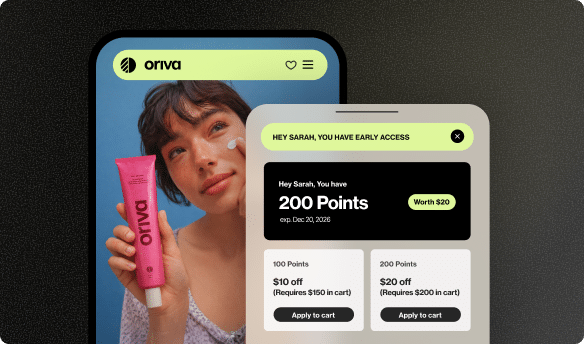
This is where building lasting relationships really shines. A fantastic way to keep customers coming back is through a well-designed loyalty program. These programs reward customers for their continued support, offering special points, discounts, or exclusive access that makes them feel valued. When customers are rewarded for their loyalty, they’re more likely to shop again and again, becoming valuable repeat buyers. It’s all about making them feel special and appreciated, encouraging them to share their positive experiences with others. Asking customers for new reviews after they’ve had a chance to enjoy their purchase also helps fuel the earlier stages of the sales cycle for future prospects.
Benefits of a Well-Managed Sales Cycle
Just like a perfectly organized toy box makes it easy to find your favorite action figure, a well-managed sales cycle brings many great things to a business. It’s not just about making more sales, though that’s certainly a big part of it! Here are some fantastic benefits:
- Happier Customers: When the sales process is clear and thoughtful, customers feel understood and supported, leading to a much better experience for them.
- More Sales, Faster: A clear path means less guesswork, allowing businesses to guide customers more efficiently from interest to purchase.
- Stronger Relationships: By paying attention to customers at every stage, businesses can build trust and loyalty, turning buyers into raving fans.
- Predictable Growth: When you understand your sales cycle, you can better guess how many sales you’ll make in the future, which is super helpful for planning.
- Efficient Teams: Everyone on the sales team knows their role and what to do, making the whole team work together more smoothly.
Ultimately, a strong sales cycle helps a business not just survive, but truly thrive, by consistently delivering value and creating happy customers who keep coming back.
Tips for Improving Your Sales Cycle
Even the best recipe can sometimes be made even better, right? The same goes for the sales cycle. Businesses are always looking for ways to make their process smoother, faster, and more effective. Here are some smart tips:
- Listen to Your Customers (Really Listen!): The best feedback comes from the people who are actually going through your sales cycle. What do they like? What’s confusing? Gathering and understanding this feedback, especially through customer reviews and questions, is like getting secret insights into how to improve.
- Make Information Easy to Find: People want answers quickly. Make sure your website is clear, your product descriptions are detailed, and any questions can be easily answered. This speeds up the “qualifying” and “presenting” stages.
- Build Strong Relationships with Loyalty: Don’t let the relationship end after the first sale! Think about how you can keep customers engaged and valued. Loyalty programs are excellent for this, turning one-time buyers into long-term fans who are happy to spread the word about your business.
- Learn from Every Interaction: Whether a sale goes through or not, there’s always something to learn. Why did someone buy? Why did they choose not to? Use this information to tweak and improve your approach for the next customer.
- Use Technology Smartly: There are many tools available today that can help businesses manage their customer interactions, track progress, and automate repetitive tasks. This frees up time for more important things, like having meaningful conversations.
By continuously looking for ways to improve, businesses can make their sales cycle a powerful engine for growth and customer happiness.
Key Metrics to Track in Your Sales Cycle
Just like a game has a scoreboard, a business needs to track how well its sales cycle is performing. These tracking points are called “metrics” or “key performance indicators” (KPIs). They help businesses understand what’s working well and what might need a little tweaking. Here’s a simple table of some important metrics:
| Metric | What It Means (Simply) | Why It Matters |
|---|---|---|
| Sales Cycle Length | How long it takes, on average, from first contact to a completed sale. | Helps predict future sales and shows if the process is efficient. Shorter is often better! |
| Conversion Rate | The percentage of potential customers who actually buy something. | Shows how effective each stage of your sales cycle is at turning interest into a purchase. High conversion rates mean more sales! |
| Customer Retention Rate | The percentage of customers who come back to buy again over time. | Shows how good you are at keeping customers happy and loyal. Happy, returning customers are gold! You can learn more about improving retention here. |
| Customer Lifetime Value (CLV) | How much money a customer is expected to spend with your business over their whole relationship. | Helps you understand the long-term value of your customers and how much you can invest in keeping them happy. This is where loyalty programs really make a difference. |
| Reviews & Ratings | The number and quality of customer reviews and product ratings. | These show social proof and help build trust for new prospects. More positive reviews can attract more customers and build confidence! |
Tracking these numbers regularly helps businesses make smart decisions and keep improving their customer journey.
Bringing It All Together: A Smooth Journey for Everyone
So, what is a sales cycle? It’s much more than just a set of steps for selling. It’s the entire journey a customer takes, from first discovering a need or a product, all the way through buying it and hopefully becoming a loyal, repeat customer. For businesses, understanding this journey is key to success. It helps them serve customers better, anticipate their needs, and build lasting relationships.
By managing each stage carefully, from finding new potential customers and engaging them with authentic content like reviews, to closing a sale and nurturing long-term relationships through programs like loyalty rewards, businesses can create a smooth and enjoyable experience for everyone. When customers are happy, they not only buy again but also tell their friends, starting the cycle all over again with even more excitement! It’s a continuous loop of discovery, trust, purchase, and happiness, all working together to help businesses grow and truly connect with the people they serve.










 Join a free demo, personalized to fit your needs