








What is a “Reward Threshold” test?
Imagine you’re playing a fun game where you collect points to win a cool prize. To get that prize, you need to reach a certain number of points. That special number is like a “reward threshold.” For businesses, especially online stores, figuring out the perfect number of points or actions customers need to earn a reward is super important. A “Reward Threshold” test is when a store tries out different “special numbers” to see which one makes customers the happiest and most engaged. It’s like a small experiment to make their loyalty program the best it can be.
What Are Loyalty Programs, Anyway?
Have you ever seen a store that gives you a special card or asks for your phone number when you buy something, promising points or discounts later? That’s a loyalty program! These programs are like a big “thank you” from a store to its best customers. The main idea is to make you feel special and encourage you to keep coming back. When you’re a loyal customer, you get extra perks, like points that turn into money off, exclusive sales, or even early access to new products. It’s a win-win: you get rewards, and the store gets to keep you as a happy customer.
Think about it this way: if you have two candy shops, and one gives you a free lollipop after every five visits, you’d probably choose that one more often, right? That’s the power of loyalty. Stores use these programs to build strong relationships with people who love their products. They want to turn a one-time shopper into someone who shops with them again and again. These programs help stores understand what you like and offer rewards that matter to you.
Understanding “Reward Thresholds”
So, we know what loyalty programs are. Now, let’s zoom in on that “reward threshold” idea. Picture a finish line in a race. You need to cross that line to win a prize. A reward threshold is exactly like that finish line, but for points or actions in a loyalty program. It’s the specific amount of points, the total money you’ve spent, or the number of certain things you’ve done that unlocks a reward.
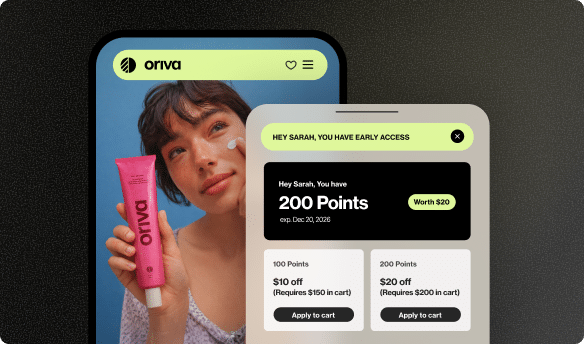
For example, a store might say: “Collect 100 points, and you get $10 off your next purchase!” In this case, 100 points is the reward threshold. If they change it to “Collect 150 points for $10 off,” then 150 points becomes the new threshold. Businesses need to think carefully about these numbers. If the threshold is too high, it might feel impossible to reach, and customers could give up. If it’s too low, customers might get rewards too easily, and the store might not get the lasting engagement they hoped for. Finding that sweet spot is key to a successful loyalty program.
Different Types of Thresholds You Might See
Loyalty programs can have all sorts of interesting ways to earn rewards. It’s not just about points!
* Point-Based Thresholds: This is probably the most common. You earn a certain number of points for every dollar you spend. When your points reach a specific number, like 500, you can cash them in for a discount or a special item. For instance, “Earn 200 points, get a free small coffee.”
* Spend-Based Thresholds: Sometimes, the threshold is about how much money you spend in total, not just points. For example, a store might offer “Spend $100 in a month, get free shipping on your next order.” This encourages bigger purchases.
* Action-Based Thresholds: These thresholds reward you for doing specific things beyond just buying stuff. This could include things like:
* Writing reviews for products you bought.
* Following the store on social media.
* Referring a friend to the store.
* Celebrating your birthday with them.
A common example might be: “Write 3 product reviews, earn 50 bonus points.”
* Tier-Based Thresholds: Some programs have different “levels” or “tiers” like Bronze, Silver, and Gold. To move from one tier to the next, you need to reach a threshold of points or spending. Each tier often comes with better rewards. For example, “Spend $500 in a year to reach Gold status and get faster shipping.”
Each type of threshold has its own way of encouraging you to interact with the brand. Businesses use these different types to keep things exciting and to reward different kinds of customer behaviors.
Why Do Stores Test Reward Thresholds?
You might be thinking, “Why don’t stores just pick a number and stick with it?” Well, it’s like trying to find the perfect recipe for a cake. You might try adding a little more sugar or a little less baking powder to see what tastes best. Stores test reward thresholds for very similar reasons: they want to find the perfect “recipe” for their loyalty program.
Here are some big reasons why testing is so important:
* Finding the “Sweet Spot”: This is the biggest reason. Stores want rewards that feel achievable but also encourage customers to spend a little more or engage a little longer. If a reward is too easy to get, it might not feel special. If it’s too hard, people might get frustrated and leave the program. Testing helps them discover that perfect balance.
* Keeping Customers Excited and Active: A well-tuned threshold keeps customers motivated. Knowing a valuable reward is just around the corner can make shopping more fun and encourage repeat visits. Testing helps ensure the program stays exciting and prevents it from feeling stale.
* Making the Loyalty Program Successful: Ultimately, businesses want their loyalty programs to work! This means happy customers who buy more often and spread good words about the brand. Testing helps ensure the program is actually achieving these goals.
* Learning What Customers Like Best: Different customers might respond to different types of rewards or different levels of effort. By testing, stores can learn about their customers’ preferences and tailor their programs to be more appealing. This leads to better customer retention, which means keeping customers coming back for a long time. You can learn more about how important this is for businesses at Yotpo’s blog on eCommerce retention.
* Making Smart Business Choices: Rewards cost money. Businesses want to make sure they are giving out rewards effectively, so they get a good return on their investment. Testing helps them avoid giving away too much too easily, while still making customers feel valued.
By testing, stores don’t just guess; they use real information to make their loyalty programs stronger and more enjoyable for everyone.
How Do You “Test” a Reward Threshold? (The Fun Part!)
Testing a reward threshold is a lot like doing a simple science experiment. You have an idea, you try it out, and then you see what happens. This kind of test is often called A/B testing, and it’s super common in the online world.
Here’s how businesses usually do it:
Step 1: Pick What to Test
First, the store decides what they want to learn. Maybe they want to know if customers will buy more if a reward is easier to get, or if a bigger reward for more effort is better.
* Example Question: “Should customers need 50 points for a $5 discount, or 75 points for a $7.50 discount?” Both give a similar value (10 points for $1), but one requires more effort for a bigger reward.
Step 2: Set Up Your Groups (Like a Science Experiment!)
Next, the store divides its customers into different groups, usually two.
* Group A (The “A” in A/B Test): This group sees one version of the loyalty program rules. For our example, they might see: “Earn 50 points, get $5 off.”
* Group B (The “B” in A/B Test): This group sees a different version of the rules. They might see: “Earn 75 points, get $7.50 off.”
It’s super important that these groups are as similar as possible, so the only big difference between them is the reward threshold being tested. The store makes sure not to mix them up!
Step 3: Watch and Learn (Collect the Data!)
Once the test is running, the store carefully watches what happens with both groups. They track things like:
* How many people in each group actually reached the reward threshold.
* How much money people in each group spent.
* How often people in each group made a purchase.
* Did people in one group refer more friends? You can learn more about referral codes and their power here.
* Did people in one group write more reviews? This connects loyalty to the power of reviews, which you can explore on Yotpo’s Reviews page.
This part can go on for a few weeks or even a month to get enough information.
Step 4: Choose the Winner!
After collecting all the information, the store compares the results from Group A and Group B.
* Did Group A spend more overall?
* Did more people in Group B claim their reward?
* Which group seemed happier and more engaged with the loyalty program?
Based on these facts, the store decides which reward threshold worked better. The “winner” is usually the one that made more customers happy and led to more engagement and repeat business.
This entire process helps businesses make smart choices based on real customer behavior, not just guesses!
The Magic of Yotpo Loyalty in Testing
Imagine trying to run these kinds of tests all by yourself, keeping track of thousands of customers and their points! It would be incredibly difficult. This is where special tools, like Yotpo Loyalty, come in handy. Yotpo Loyalty is a best-in-class software designed to help businesses create, manage, and perfect their customer loyalty programs.
With Yotpo Loyalty, businesses can easily:
* Set Up Different Rewards: It lets stores create all sorts of rewards, from discounts to free products, and assign specific point thresholds to each. This makes it simple to come up with different “A” and “B” options for a test.
* Manage Points and Tiers: Yotpo Loyalty helps keep track of every customer’s points, how much they’ve spent, and which loyalty tier they are in. This is super important for running fair tests and making sure customers get the right rewards. It allows businesses to build fantastic programs, just like the best loyalty programs you might have heard of. You can see examples and ideas at Yotpo’s guide to best loyalty programs.
* Track Customer Activity: The software helps businesses see exactly what customers are doing in the loyalty program. Are they earning points? Are they redeeming rewards? Are they making repeat purchases? This tracking is crucial for the “Watch and Learn” step of a reward threshold test. By understanding these actions, businesses can see which thresholds truly motivate their customers. For more insights on how to keep customers coming back, visit Yotpo’s customer retention resources.
* Measure Success: After a test, Yotpo Loyalty provides clear reports showing how each threshold performed. It helps businesses understand which option led to more engagement, higher spending, and happier customers. This makes the “Choose the Winner” step much easier and data-driven.
* Connect Loyalty to Other Actions: While Yotpo Loyalty focuses on building incredible loyalty programs, it also allows businesses to reward customers for actions like writing reviews. This shows how different parts of a customer’s experience can work together to boost engagement.
* Easy Integration: Yotpo Loyalty works smoothly with online stores, making it easy to put these loyalty programs into action without lots of complicated technical work. This makes it a powerful tool for businesses looking to enhance their loyalty efforts. You can explore how Yotpo Loyalty helps different business needs at Yotpo’s Loyalty use cases.
Using a tool like Yotpo Loyalty means businesses don’t have to guess about what their customers want. They can use real facts to make their loyalty programs as effective and fun as possible, creating a better experience for everyone.
Why Is It Important to Get Thresholds Right?
Getting the reward thresholds just right is a big deal for businesses. It’s not just about giving out discounts; it’s about building a strong, lasting relationship with customers. When businesses hit that sweet spot, good things happen for both the store and the shopper.
* Happy Customers: If rewards feel fair and achievable, customers feel valued and appreciated. They see the program as a real benefit, not just a trick. Happy customers are more likely to talk positively about the brand, which is like free advertising!
* More Shopping: Well-designed thresholds encourage customers to engage more. If a customer knows they’re just a few points away from a valuable reward, they might make an extra purchase or add a few more items to their cart to reach that goal. This helps boost the store’s sales and customer lifetime value.
* Building Brand Love: A loyalty program that feels rewarding and fair helps build a stronger connection between the customer and the brand. It turns shoppers into fans. When customers feel like a brand truly understands them and offers great value, they become long-term advocates.
* Smart Spending for the Store: Businesses need to be smart with their money. If thresholds are too low, they might give away too many rewards, too quickly, which can cut into their profits. If they’re too high, customers might lose interest, and the program won’t get enough participants to be worth the effort. Getting it right ensures the program is a good investment for the business.
* Excellent Customer Retention: This is huge. The main goal of a loyalty program is to keep customers coming back. When a program has effective thresholds, it gives customers a strong reason to stick with the brand instead of going to a competitor. It costs much less for a business to keep an existing customer happy than it does to find a brand-new one! This concept is vital for eCommerce success, as highlighted in Yotpo’s insights on eCommerce retention.
So, setting the right reward thresholds isn’t just a small detail; it’s a core part of making a loyalty program successful and building a thriving business.
Connecting Reviews and Loyalty: A Powerful Pair
While we’ve mostly talked about points and spending for loyalty, there’s another super important way customers help businesses, and that’s through reviews! Customer reviews are like getting honest opinions from friends. When you see what other people think about a product, it helps you decide if you want to buy it. This is called User-Generated Content (UGC), and it’s incredibly powerful. You can learn more about it in Yotpo’s blog on UGC.
Here’s how reviews and loyalty can work together:
* Earning Points for Reviews: Some smart loyalty programs reward you with points not just for buying things, but also for writing reviews about the products you’ve tried. For example, “Write a review for your new shoes, get 25 bonus points!” This is an action-based threshold that helps the store get more valuable reviews.
* Building Trust: When a store has lots of great reviews, new customers feel more confident shopping there. This trust makes them more likely to join the store’s loyalty program in the first place, because they already believe in the brand. Yotpo is known as a best-in-class reviews platform, helping businesses gather and show off these important opinions. Check out Yotpo’s Reviews solutions.
* User-Generated Content (UGC) Boosts Decisions: Reviews, photos, and videos from real customers are a big part of UGC. This content helps other shoppers make decisions. When a loyalty program encourages customers to create UGC, it helps everyone! You can read more about how UGC influences shopping decisions on Yotpo’s resources page.
* Completing the Circle: A happy customer in a loyalty program gets rewards, which makes them even happier. This happiness can lead them to write positive reviews, which then helps other people discover the brand, and they might join the loyalty program too! It’s a wonderful circle of engagement.
So, while Yotpo Loyalty helps businesses create amazing reward programs, and Yotpo Reviews helps them collect and display customer feedback, these two tools often work together to build an even stronger connection with customers. Encouraging reviews can be another type of action-based threshold within a loyalty program, proving that customer feedback is valuable in many ways. You can find tips on how to ask customers for reviews on Yotpo’s resources.
Examples of Reward Threshold Tests
To really understand how businesses test these thresholds, let’s look at a few common examples. Remember, the goal is always to find out what makes customers most engaged and happiest, while also being good for the business.
Here’s a table showing some hypothetical tests:
| Test Idea | Threshold Option A | Threshold Option B | Why Test This? |
|---|---|---|---|
| Discount Reward | Earn 100 points for $10 off | Earn 150 points for $15 off | To see if customers prefer to earn fewer points for a smaller discount, or work a bit harder for a larger one. Which option encourages more spending? |
| Free Shipping Bonus | Spend $50 for free shipping | Spend $75 for free shipping | To find the perfect spending amount that encourages customers to add more items to their cart without feeling like the target is too high. |
| Birthday Bonus | 200 points for signing up for birthday emails | 100 points for signing up for birthday emails | To see how valuable customers consider sharing their birthday information. Does a bigger point reward encourage more sign-ups? |
| Referral Bonus | Refer 1 friend, get $10 credit | Refer 2 friends, get $20 credit | To understand if customers are more motivated by a quicker reward for one referral, or a larger reward for bringing in more new customers. You can learn more about referral marketing platforms at Yotpo’s blog. |
| Review Reward | Write 1 review, get 10 points | Write 3 reviews, get 50 points | To find out if a smaller, more frequent reward for each review is better, or a bigger reward for consistent review writing. This helps generate more helpful customer content for the store. |
Each of these tests provides valuable insights that help businesses make their loyalty programs smarter and more effective, ensuring customers feel rewarded for their engagement.
Conclusion
A “Reward Threshold” test is a smart experiment businesses run to figure out the best way to reward their loyal customers. It’s all about finding that sweet spot where a reward feels achievable and exciting, encouraging you to keep coming back to your favorite stores. By trying out different point levels or actions needed for a prize, businesses learn what truly motivates their shoppers.
Tools like Yotpo Loyalty make it easy for stores to set up these tests, track what happens, and understand the results. They help businesses build best-in-class loyalty programs that keep customers happy and coming back for more. Whether it’s through earning points for purchases, reaching new tiers, or even getting rewards for writing helpful reviews, a well-tested reward threshold means a better experience for you and a stronger connection with the brands you love. It’s a simple idea with a big impact on how businesses keep you engaged and valued.










 Join a free demo, personalized to fit your needs