








What is a Loss Leader?
Have you ever been to a store and seen something super cool or something you really needed, like your favorite cereal or a new video game, advertised for a really, really low price? So low, in fact, that it makes you think, “Wow, that’s a steal! I have to go get it!” Well, you’ve probably just spotted what grown-ups call a loss leader. It’s a clever trick businesses use to get you, and lots of other people, through their doors or onto their website. They might even lose a little bit of money on that one item, but they’re hoping that once you’re there, you’ll see all the other awesome things they have and buy those too! It’s like inviting you over for a free slice of pizza, hoping you’ll stay for the whole party.
Why Do Stores Use Loss Leaders?
Stores don’t just give things away for fun; they have smart reasons for using loss leaders. Think of it like a magnet! They want to attract as many people as possible.
- To Get New Customers: Imagine a new toy store opens up. How do they get kids and parents to visit? They might sell the newest, most popular action figure for a super low price. Even if they don’t make much money on that toy, they’ve gotten new families to check out their store. Those families might become regular shoppers if they have a good experience.
- To Encourage More Shopping: This is the main goal! Once you’re in the store for that cheap item, you’ll probably look around. Maybe you came for the cheap cereal, but then you remember you also need milk, bread, and maybe a yummy snack. The store makes up the money it lost on the cereal, and then some, from all the other things you buy.
- To Clear Out Old Stuff: Sometimes, stores have items that aren’t selling very well. They might bundle a slow-moving item with a popular one as a loss leader. Or, they might just put a few older versions of a product on deep discount to make space for brand new items.
- To Stay Ahead of Other Stores: All businesses want to be the one you choose! If another store has a great deal, a store might use a loss leader to show that they have great deals too, pulling customers away from their competitors. It’s like two lemonade stands on the same street; one might offer a small free cookie with every drink to attract more customers.
So, a loss leader is a powerful tool. It’s not just about selling one item; it’s about starting a relationship with a customer and encouraging them to explore everything else a business has to offer.
How Does a Loss Leader Strategy Work?
Using a loss leader isn’t just about picking any old item and selling it cheaply. Businesses plan this out very carefully!
Picking the Right Product
First, stores need to choose the perfect item to be their loss leader. What makes an item perfect?
- It has to be something lots of people want or need regularly. Think of things like milk, eggs, bread, or a very popular new video game.
- It usually needs to be something that people understand the regular price of. If you know that a certain brand of cereal usually costs $5, but you see it for $2, you instantly know it’s a fantastic deal!
- It shouldn’t be something that people buy a huge amount of at once. For example, if milk was the loss leader, you’d probably only buy one or two cartons, not ten, because it would go bad. This limits how much money the store loses on that one item.
Making It a Deal
Once they pick the item, they decide on the super low price. This price might be just a tiny bit less than what the store paid for it, or sometimes even a little more, but still much lower than what you’d expect. The key is that it feels like an unbeatable deal to you.
Encouraging More Purchases
This is where the magic really happens! Stores are very smart about where they place their loss leader items.
- In Physical Stores: Imagine you go to a grocery store for that super cheap milk. They won’t put the milk right by the front door. Oh no! They’ll often put it way at the back of the store. This means you have to walk past aisles and aisles of other tasty foods, drinks, and snacks to get to it. As you walk, you’re likely to grab a few other things you “suddenly remember” you need.
- Online Stores: If you’re shopping online for a fantastic deal on a gadget, the website will show you other things related to that gadget right away. Bought a cheap printer? The website will immediately suggest ink cartridges, special paper, or even a new computer mouse. They make it super easy to add more items to your cart.
This whole process is designed to make sure that while you’re getting a great deal on one item, you also discover other products that catch your eye, leading you to spend more overall. It’s a clever way to encourage you to browse and buy.
Loss Leaders and Your Shopping Experience
When a store uses a loss leader, they’re not just trying to sell you something; they’re also trying to give you a good experience. Think about it: finding a great deal makes you feel happy and smart, right? This good feeling can make you want to come back to that store again and again.
How Good Experiences Lead to More Than Just Sales
If you have a positive experience, maybe the store was clean, the staff was friendly, or the checkout was super fast, you’ll remember that. This positive feeling can be super important for businesses because it helps build trust. When you trust a store, you’re more likely to shop there in the future, even without another loss leader deal.
And guess what? If you have an awesome experience, you might even tell your friends and family about it! You might say, “Hey, I got a fantastic deal on a new game at Store X, and everyone there was super nice!” That’s called word-of-mouth marketing, and it’s incredibly powerful because people trust what their friends say more than an advertisement. If you want to learn more about how spreading good news helps businesses, check out this article on word-of-mouth marketing.
Making Your Voice Heard with Reviews
Businesses really want to know what you think. Did you love the deal? Was the store easy to navigate? Did you find everything you needed? Getting feedback from customers helps stores understand what they’re doing well and what they could do better.
This is where things like customer reviews come in. Reviews are simply what people say about a product or a store. If many people say great things about a store, it makes other potential customers feel confident about shopping there. It’s like having a big group of friends telling you, “Go for it, it’s awesome!”
For businesses, getting these happy stories from customers is super important. Tools like Yotpo Reviews help businesses gather these amazing reviews easily. These reviews then show up on their website, helping other shoppers decide to buy. A good review can be just as powerful as a low price in convincing someone to become a customer!
Building Lasting Connections After a Loss Leader Deal
A loss leader might get you in the door the first time, but what makes you stay? Businesses know that the first sale is just the beginning. They want you to become a regular customer, someone who comes back again and again.
Beyond the First Purchase: Customer Retention
The goal of a loss leader isn’t just one sale; it’s about customer retention. This means keeping customers coming back. Think of your favorite restaurant; you go there not just for one meal, but because you know you’ll always have a good time and enjoy the food. Businesses want to be that favorite restaurant for you when it comes to shopping! Learning how to keep customers happy and coming back is a big topic for businesses, and you can explore more about it here.
The Magic of Loyalty Programs
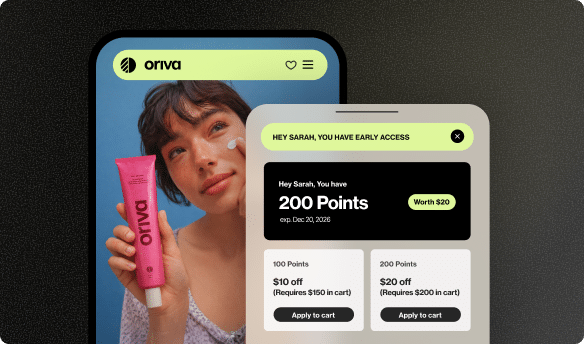
One of the best ways a business encourages you to keep coming back is through a loyalty program. Have you ever collected points at a coffee shop to get a free drink? Or earned rewards for buying things at your favorite clothes store? That’s a loyalty program!
Here’s how they work:
- Earn Rewards: Every time you shop, you earn points or special perks.
- Feel Special: Loyalty programs often give you early access to sales, special discounts, or even a birthday treat! This makes you feel valued and appreciated.
- Save Money: The points you collect can often be used to get discounts on future purchases, or even free items. Who doesn’t love saving money?
These programs make shopping more fun and rewarding, turning a one-time shopper into a loyal fan. Businesses use special software, like Yotpo Loyalty, to create and manage these fantastic programs, making sure their best customers feel appreciated and keep coming back for more.
Why Happy Customers Are the Best Marketers
When you’re happy with a store, especially if you feel rewarded and appreciated, you naturally want to share that happiness. Whether it’s through a positive review or just telling your friends, your enthusiasm helps the business grow. So, a loss leader starts the journey, but great customer experiences and rewarding loyalty programs help build a long-lasting relationship.
Different Kinds of Loss Leaders
Loss leaders aren’t just for big supermarkets. All sorts of businesses use this strategy in creative ways!
- Everyday Essentials: Think about common items like milk, sugar, or toilet paper at a grocery store. You probably need these all the time, so if you see them at a super low price, you’re likely to pop into that store. Once inside, you’ll probably fill your cart with all sorts of other things.
- New Technology: Sometimes, a company selling cool gadgets like a new video game console might sell the console itself for a price that doesn’t make them much money. Why? Because they know you’ll need to buy games, extra controllers, and accessories, which are often much more profitable!
- Introductory Offers: Have you ever seen an offer for “your first month free” or “half price for the first three months” for a streaming service or a magazine subscription? This is also a type of loss leader. They want you to try it, get hooked, and then keep paying the regular price.
- Special Events or Holidays: During big sales events like Black Friday or for special holidays, stores will often advertise a few amazing deals on specific items. These are classic loss leaders designed to create a big buzz and bring lots of shoppers in. For example, during certain holidays, businesses might have special campaigns that use attractive offers to draw customers in, similar to the ideas discussed in Mother’s Day campaigns, which aim to capture attention.
Each type of loss leader aims to grab your attention and lead you to discover more of what the business has to offer, ultimately boosting their overall sales and customer base.
The Good Sides and Tricky Parts of Loss Leaders
Like most strategies, using loss leaders has its benefits and its challenges for businesses.
Good Sides (Benefits)
Loss leaders can do a lot of good for a business:
- Bring in Crowds: They’re excellent at attracting lots of new people. More people coming to the store or website means more chances for sales. This increase in visitors and purchases is often tracked using metrics like ecommerce conversion rates.
- Boost Overall Sales: Even if one item is sold at a loss, the hope is that customers will buy enough other, higher-profit items to make up for it and then some.
- Increase Brand Awareness: Getting noticed for great deals can make more people aware of a brand. It’s like getting your name out there in a big way.
- Happy Customers: Who doesn’t love a great deal? Loss leaders can make customers feel like they’re getting special treatment, which can lead to positive feelings about the store.
Tricky Parts (Risks & Challenges)
However, businesses also need to be careful:
- Losing Too Much Money: If customers only buy the loss leader item and nothing else, the store could end up losing more money than it gains. This is a big risk!
- “Cherry-Picking”: Some smart shoppers only buy the loss leader items from different stores and don’t buy anything else. They’re called “cherry-pickers,” and they can make it harder for the strategy to work.
- Wrong Impression: If a store always relies on super cheap deals, customers might start to think that’s the only time they should shop there, or that the regular prices are too high.
- Not Retaining Customers: If a customer buys a loss leader but has a bad experience afterward, they might never come back. Getting them in the door is only half the battle; keeping them happy is crucial for long-term success. Effective ecommerce retention strategies are vital to ensure these initial customers become long-term advocates.
So, while loss leaders are powerful, businesses must plan carefully to make sure the benefits outweigh the risks and that they are setting themselves up for long-term customer relationships.
Making Loss Leaders Work Well for Stores
For a loss leader strategy to be truly successful, businesses need to do more than just offer a low price. They need a smart plan to turn those new visitors into loyal customers.
Here are some ways businesses make loss leaders work:
- Strategic Placement: As we talked about, placing the loss leader item in a way that encourages shoppers to browse other products is key.
- Bundling Deals: Sometimes, a loss leader isn’t just one item. It might be a bundle, like a discounted game console that comes with a new game. This encourages a higher initial spend.
- Excellent Customer Experience: This is huge! If a customer comes in for a great deal but has a terrible time (e.g., rude staff, long lines, messy store), they won’t come back, no matter how good the deal was. A smooth and enjoyable shopping experience is essential to make a good first impression. You can learn more about creating a great customer experience here.
- Showcasing Other Products: Stores make sure that their other items are attractive, well-displayed, and complement the loss leader. For example, if the loss leader is a cheap coffee maker, they’ll have lots of delicious coffee beans, mugs, and creamers nearby.
- Collecting Feedback: Businesses actively ask customers about their shopping experience. This feedback, especially in the form of product reviews, helps them understand what’s working and what’s not, so they can improve. Yotpo’s tools, for example, make it easy for businesses to collect and display these valuable customer insights, encouraging trust and further purchases.
- Building Loyalty: After a customer makes a purchase, especially their first one, businesses try to keep them engaged. This often means inviting them to join a loyalty program where they can earn points or get special rewards for continuing to shop. This ensures that the customer feels valued and has a reason to return, building a long-term relationship.
Here’s a table summarizing key tips for businesses when using loss leaders:
| Tip for Businesses | Why It Helps |
|---|---|
| Choose popular items | Attracts more people who already want the product. |
| Place items strategically | Encourages customers to see and buy other products. |
| Offer great customer service | A positive experience makes customers want to return. |
| Encourage reviews | Builds trust and helps new customers decide to buy. |
| Start a loyalty program | Rewards repeat customers and encourages them to stick around. |
By thinking about the entire customer journey, from spotting the deal to becoming a loyal shopper, businesses can make loss leaders a very effective part of their overall strategy.
Real-World Examples of Loss Leaders
Loss leaders are everywhere once you know what to look for! Here are a few common examples you might have seen:
- Printers and Ink: You can often buy a brand-new printer for a surprisingly low price. But what happens once you run out of ink? The replacement ink cartridges often cost almost as much as the printer itself! The printer is the loss leader, getting you to buy the much more profitable ink over and over again.
- Video Game Consoles and Games: As mentioned earlier, game consoles are frequently sold with very little profit. The real money for the console makers comes from selling you lots of games, subscriptions, and accessories that work with the console.
- Coffee Machines and Pods: Many single-serve coffee machines are sold at a competitive price. The long-term profit comes from customers repeatedly buying specific coffee pods that only work with that machine.
- Supermarket Staples: Stores often advertise ridiculously low prices on milk, eggs, or butter. They know you need these items regularly, and once you’re in the store to grab them, you’re likely to pick up a whole cart full of other groceries too.
- Discounted First-Time Services: A gym might offer a deeply discounted “first month” or “first personal training session.” They’re hoping you’ll love it so much that you sign up for a full membership or more sessions at the regular price.
These examples show just how varied and clever loss leader strategies can be, all with the goal of bringing customers in and encouraging them to discover more valuable offerings.
Conclusion: Smart Shopping and Smart Selling
So, now you know that when you see an incredible deal on an item, it might just be a “loss leader”! It’s a smart business trick designed to get you excited, bring you into the store or onto a website, and hopefully, encourage you to buy other things too.
For you, the shopper, it means you can often find fantastic deals on things you need. For businesses, it’s a way to attract new customers and grow their sales. But the trick for businesses isn’t just getting you through the door; it’s making sure you have such a good experience that you want to come back. That’s why businesses focus on things like offering great customer service, making shopping enjoyable, and using tools to hear your feedback, like Yotpo Reviews. They also love to reward your loyalty with programs that make you feel special and give you perks, just like those offered through Yotpo Loyalty.
In the end, loss leaders are a clever part of the business world, showing how stores think about attracting and keeping their customers happy for the long haul. It’s all about building relationships, one great deal and one happy shopping experience at a time!










 Join a free demo, personalized to fit your needs