








What is a Lead Scoring Model?
Imagine you’re playing a video game, and you get points for doing cool things, right? Maybe you get points for finding a treasure or helping a friend. Well, businesses have a similar kind of game, but it’s not for fun and games – it’s for finding their best customers! This system is called a Lead Scoring Model.
Simply put, a lead scoring model is a special way businesses give points to people who might be interested in buying their stuff. These people are called “leads.” The more points someone gets, the more likely they are to become a happy customer. It helps businesses figure out who to talk to first and how to help them best.
Think of it like this: if you have a lemonade stand, and some kids just walk by, others ask how much, and a few even take a sip, you’d know which ones are most likely to buy a whole cup! A lead scoring model helps businesses do that on a much bigger scale, making sure they focus their energy where it matters most.
Why Do Businesses Use Lead Scoring?
You might be wondering, why bother with all these points? Doesn’t a business just try to sell to everyone? Not really! Just like you wouldn’t offer a complicated math problem to a first grader, businesses want to offer the right help to the right person at the right time. Here are a few big reasons why lead scoring is super useful:
Finding the Best Customers
Not everyone who looks at a website is ready to buy. Some are just browsing, some are comparing, and some are really serious. Lead scoring helps businesses spot the people who are really serious and ready to make a purchase. By giving points for things like how many pages someone visits or if they add something to a shopping cart, businesses can quickly see who their most promising future customers are.
This means less wasted effort and more focus on people who are truly interested. It’s like having a superpower that tells you who wants your lemonade the most!
Saving Time and Money
Time is precious, right? For businesses, time means money. If a sales team tries to talk to every single person who ever visited their website, they would run out of time very quickly and probably wouldn’t make many sales. Lead scoring helps them be smart with their time.
By focusing on leads with high scores, businesses make sure their sales team talks to people who are already warmed up and interested. This saves a lot of time and effort, letting the sales team be more effective and helping the business save money in the long run.
Making Customers Happier
When a business knows someone is genuinely interested, they can offer them just the right information or help. Imagine you’re trying to learn about new sneakers, and someone immediately tries to sell you a pair of boots. That wouldn’t be very helpful, would it? But if they show you different sneakers and answer your questions, you’d be much happier.
Lead scoring allows businesses to understand where a potential customer is in their journey. This means they can provide more personalized and helpful information, making the customer experience much better. And happy customers are more likely to buy and even tell their friends!
How Does Lead Scoring Work? The Basics
Okay, so how do these points actually get assigned? It’s not magic, but it does take some clever thinking! A lead scoring model typically gives points for positive actions and sometimes takes points away for negative ones. Let’s break it down.
Giving Points for What People Do
Businesses decide what actions show someone is interested and give points for those. Think about what you do when you’re really interested in something online. You probably click around a lot, right? Businesses look for similar signs.
- Visiting the Website: Just coming to the website might get a few points.
- Reading Important Pages: Looking at product pages, pricing info, or an “about us” page shows more interest, so that might get more points.
- Downloading a Guide: If someone downloads a free guide or e-book, they’re likely trying to learn more, so that’s a good sign!
- Filling Out a Form: Asking a question or signing up for updates shows they want to connect.
- Putting Items in a Shopping Cart: This is a HUGE sign of interest and usually gets lots of points!
Here’s a quick look at how different actions might add up:
| Action a Lead Takes | Points Gained | What it Shows |
|---|---|---|
| Visits homepage | +5 | General interest |
| Visits product page | +10 | Interest in specific items |
| Watches a video | +15 | Engaged with content |
| Fills out a contact form | +20 | Wants to talk |
| Adds item to cart | +30 | Close to buying |
| Visits a conversion-focused page multiple times | +25 | Strong intent to purchase |
Taking Points Away for Less Interest
On the flip side, some actions might show someone isn’t a good fit or has lost interest. For example:
- Not Visiting for a Long Time: If someone hasn’t been back to the website in months, maybe they’re not interested anymore. Points might slowly decrease over time.
- Unsubscribing: If someone asks to stop getting emails, that’s a clear sign they don’t want to hear from the business. Points might drop significantly.
By adding and subtracting points, businesses get a clearer picture of each lead’s current interest level.
Setting the “Magic Number”
Once points are assigned, businesses set a “magic number” or a score threshold. When a lead reaches this score, they are considered “qualified.” This means they’ve shown enough interest that a sales person should reach out, or they should receive a special offer.
This threshold is carefully chosen. If it’s too low, sales teams might chase people who aren’t really ready. If it’s too high, they might miss out on good opportunities. It’s all about finding that sweet spot!
What Kinds of Information Help Score Leads?
Lead scoring isn’t just about what people do on a website. It also looks at who they are and how they interact with the business in other ways. Let’s explore the different types of information that help build a complete picture.
Who Are They? (Demographics)
Sometimes, knowing a little about a person helps a business understand if they’re a good fit. This kind of information is called demographics. For example:
- Job Title: Is this person in a role that usually buys this type of product?
- Company Size: Does their company have enough people or resources to use the product?
- Location: Is the product available where they live?
Businesses can assign points based on how well these details match their ideal customer. For instance, if a company sells special software for large businesses, a lead from a small startup might get fewer points in this category than one from a big company.
What Do They Do? (Behavior)
This is what we talked about earlier: the actions people take. This is often the most important part of lead scoring because it shows direct interest. Think about actions like:
- Visiting specific pages on a website (like pricing or product details).
- Downloading valuable content, like an e-book or a guide.
- Clicking on links in emails.
- Engaging with social media posts.
- Spending a lot of time on a particular product page.
These behaviors are like clues that tell a business how engaged and interested a person is in what they offer.
How Engaged Are They? (Interaction Signals)
Beyond direct website actions, how people interact with a brand, even indirectly, can tell a lot. These are like “interaction signals.” For example, if someone sees lots of great product reviews about a product before they even visit the store, that might mean they’re already more interested. The presence of helpful user-generated content, like reviews and photos from other customers, can significantly influence how engaged a potential buyer feels.
Businesses use tools like Yotpo Reviews to collect and showcase these important customer voices. When potential customers spend time looking through authentic reviews, it signals a deeper level of interest and trust. They’re not just browsing; they’re actively researching and building confidence in a product. This type of engagement, while not directly “scored” by a lead scoring model in the traditional sense, definitely indicates a higher quality lead who is further along in their decision-making process.
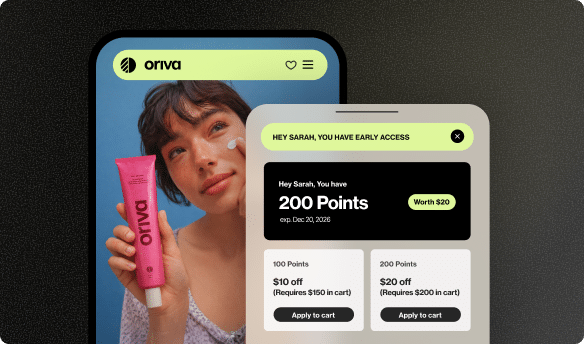
Furthermore, imagine someone signs up for a company’s loyalty program. This action immediately signals a strong intent to engage with the brand long-term, not just make a single purchase. Programs powered by Yotpo Loyalty reward customers for various actions, from purchases to referrals, and even celebrating birthdays. A person actively participating in such a program shows a clear commitment, which can be seen as a very high “score” for their potential lifetime value to the business.
These interaction signals, whether from consuming user-generated content or actively participating in a loyalty program, offer invaluable insights into a potential or existing customer’s journey and their likelihood of becoming a highly engaged and valuable customer.
Different Ways to Score Leads (Manual vs. Automatic)
Just like there are different ways to do many things, there are different ways businesses can set up and manage their lead scoring models. The two main types are manual and automated.
Doing it by Hand (Manual)
In the past, or for very small businesses, lead scoring might have been a more manual process. This means someone would literally look at a list of potential customers and try to guess who was most interested based on the information they had. They might use a spreadsheet and manually add or subtract points based on actions.
While this can work for a very small number of leads, it’s very time-consuming and can be prone to mistakes. It’s like trying to keep score in a very fast-paced game with just a pen and paper – you might miss a few things!
Letting Computers Help (Automated)
Today, most businesses use special computer programs and tools to do lead scoring automatically. This is called automated lead scoring. These programs are much faster and more accurate.
- They can track every click, every page view, and every form submission.
- They instantly add or subtract points based on the rules the business has set up.
- They can quickly tell the sales team when a lead reaches that “magic number.”
Automated systems make it much easier for businesses to handle thousands of potential customers at once. This frees up human workers to focus on actually talking to the most qualified leads and helping them, rather than spending all their time calculating scores. It’s like having a super-smart robot scorekeeper for your customer game!
Making Your Lead Scoring Model Even Better
A lead scoring model isn’t something you set up once and then forget about. To keep it really useful, businesses need to keep an eye on it and make adjustments. It’s an ongoing process, kind of like tweaking your game strategy to win more often.
Always Be Learning
The market changes, customers change, and even what your business offers might change. So, what made a lead “hot” last year might be different this year. Businesses need to regularly look at their data and see if their scoring model is still working well. Are the high-scoring leads actually becoming customers? Are low-scoring leads being ignored but maybe shouldn’t be?
By analyzing what works and what doesn’t, businesses can fine-tune their point system. Maybe visiting a certain page needs more points, or maybe an old action isn’t as important anymore. It’s all about learning and adapting.
Talking to Your Team
The sales team works directly with potential customers, so they know a lot about what makes someone ready to buy. Marketing teams are the ones attracting the leads. Both teams need to talk to each other and share their insights.
For example, the sales team might tell the marketing team, “Hey, people who download the ‘Advanced User Guide’ are almost always ready to buy!” This feedback is super valuable and can help the marketing team give more points to that specific action in the lead scoring model. Teamwork makes the dream work!
Watching the Numbers
Businesses use different numbers (metrics) to see if their lead scoring model is effective. They look at things like:
- Conversion Rate: How many high-scoring leads actually become customers? (This is super important for eCommerce conversion rate!)
- Sales Cycle Length: Do high-scoring leads buy faster than low-scoring ones?
- Customer Value: Do high-scoring leads spend more or stick around longer?
If these numbers look good, the model is probably doing its job. If not, it’s time to make some changes. It’s like checking the scoreboard to see if your game strategy is actually winning points.
Connecting Lead Scoring to Customer Growth
Lead scoring isn’t just about finding brand new customers; it’s also about understanding which customers are the most valuable and engaged, and how to nurture those relationships. For any business looking to grow, truly knowing their audience is key.
For example, if an existing customer often leaves helpful product reviews or participates enthusiastically in a loyalty program, they’re showing clear signs of being a great, engaged customer. While traditional lead scoring focuses on prospects, the same principles of assigning value based on actions apply to current customers too, helping businesses identify their most loyal advocates.
Tools like Yotpo Reviews help businesses gather and showcase user-generated content like customer reviews and photos. Seeing how often a potential customer looks at reviews on a product page, or even submits one themselves, can show how interested they are in a product or brand. This kind of interaction helps businesses understand deeper customer intent, even if it’s not a traditional “lead score.” Businesses can track which products generate the most reviews, providing insights into customer preferences and engagement levels.
Similarly, Yotpo Loyalty programs are all about rewarding customers for their valuable actions, like making purchases, referring friends through a referral program, or celebrating special occasions. A customer actively earning and redeeming points in a loyalty program is, in a way, “scoring themselves” as a valuable and loyal customer for the business. This engagement isn’t just about a single sale; it’s about building a long-term relationship and increasing customer retention.
By looking at these various behaviors – whether it’s a potential customer checking out reviews before their first purchase, or an existing customer engaging deeply with a loyalty program – businesses can build a much better picture of who their most valuable customers are and who has the potential to become one. This understanding helps them focus their efforts on encouraging more purchases, creating loyal fans, and driving overall business growth. It’s about recognizing and rewarding the actions that lead to a thriving customer base.
The Big Picture: Growing Your Business Smartly
So, we’ve talked a lot about lead scoring, how it works, and why it’s so important. From understanding who your best potential customers are to saving time and making existing customers happier, a well-thought-out lead scoring model is a powerful tool for any business.
It helps businesses cut through the noise and focus their efforts where they will have the biggest impact. By assigning points to different actions and characteristics, they can prioritize their outreach, offer the right information at the right time, and ultimately build stronger relationships with their customers.
Remember, it’s not a static system; it needs care, attention, and regular updates to stay effective. But when done right, lead scoring acts like a smart guide, helping businesses navigate the path to growth and success. It’s all about playing the customer game smartly, ensuring everyone wins: the business grows, and customers get what they need and want!





 Join a free demo, personalized to fit your needs