








What is a “GDPR Compliant” Loyalty Program?
Imagine you have a favorite toy store. Every time you buy a toy, you get a special stamp on a card. Collect enough stamps, and you get a discount on your next toy! That’s a loyalty program in a nutshell. It’s a way for stores to say “thank you” for being a loyal customer and to encourage you to keep coming back. For you, it means special treats and savings. For the store, it means happy customers who visit often, helping them grow. (Learn more about keeping customers happy)
Now, what if that toy store also knew your birthday, your favorite color, and what kinds of toys you’ve bought before? That’s useful for the store, but it’s also your personal information. This is where something called GDPR comes in. It’s a special set of rules from Europe that helps keep your personal information safe. So, what does it mean to have a “GDPR Compliant” loyalty program? It means running a loyalty program while being super careful and respectful with all that customer information. Let’s dig into this important topic to understand how businesses can build trust with their customers.
Understanding Loyalty Programs: More Than Just Stamps
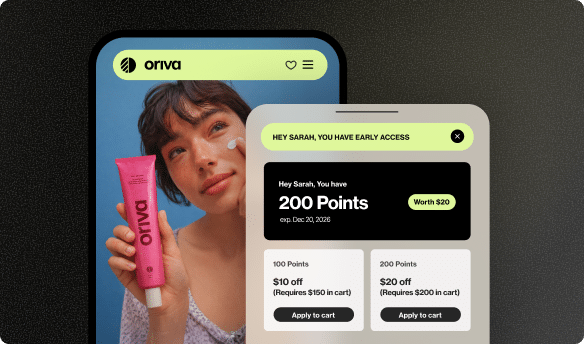
A loyalty program is a fantastic tool for businesses, especially those selling things online. It’s like a special club where members get perks. These perks can be different things, such as points for every purchase, which can later be traded for discounts or free items. Some programs offer early access to new products, exclusive sales, or even special birthday gifts. Think of it as a mutual benefit: you get rewarded for shopping, and the store gets to build a stronger connection with you.
Why do stores love them so much? Because they help turn one-time shoppers into regular fans. When you know you’ll get something extra for choosing a particular store, you’re more likely to go back there. This helps stores keep their customers coming back again and again, which is super important for their success. It’s a smart way to say “we appreciate you” and make shopping a more rewarding experience. Many of the best loyalty programs online use this strategy.
GDPR: The Rulebook for Your Personal Data
GDPR stands for the General Data Protection Regulation. It’s not a secret club; it’s a law! This law was created in the European Union, but its rules often affect businesses all over the world. Why? Because if a company collects information about people who live in Europe, even if the company is somewhere else, GDPR rules apply.
Think of GDPR as a strong shield for your personal information. It makes sure that companies handle your data responsibly and fairly. What kind of information are we talking about? It’s anything that can identify you. This includes obvious things like your name, email address, and home address. But it also includes things like your shopping history, what items you look at online, and even your computer’s IP address. If a company collects this kind of information, especially for a loyalty program, they need to follow GDPR.
So, for a loyalty program, where stores collect your name, email, points earned, and what you’ve bought, GDPR is a big deal. It makes sure the store doesn’t just take your info without asking or use it in ways you wouldn’t expect. It’s all about putting you, the customer, in control of your own data. This is crucial for building trust between you and the businesses you shop with online.
The Pillars of a GDPR Compliant Loyalty Program
To be “GDPR compliant” means playing by the rules when it comes to personal data. For a loyalty program, there are several key ideas that businesses need to follow. These aren’t just suggestions; they are serious requirements.
1. Consent: Asking for Permission
Imagine you want to play a game. The game asks if it can use your name. You need to say “yes” clearly before it can. That’s what consent is about! For a loyalty program, a business needs to ask your clear permission before collecting your personal data and enrolling you. This isn’t about guessing or assuming. It must be a clear, active “yes” from you.
- Clear and Unambiguous: The request for consent must be easy to understand. No confusing legal talk!
- Freely Given: You shouldn’t feel forced to join. It should be your choice.
- Specific: You need to know exactly what you’re agreeing to. Are they collecting your email for rewards? For sending you marketing emails too? It needs to be clear.
- Easy to Withdraw: Just as easy as it is to give consent, it must be easy to take it back. If you decide you don’t want to be part of the loyalty program anymore, you should be able to leave and have your data handled correctly.
Many businesses use checkboxes, like “I agree to the loyalty program terms and conditions,” that you have to tick yourself. That’s a good way to get clear consent.
2. Transparency: Being Open and Honest
Transparency means being like a glass window – everything is visible and nothing is hidden. For a loyalty program, this means the business must tell you exactly what personal data they are collecting from you, why they need it, and how they plan to use it. They also need to tell you if they share it with anyone else and who those “anyone elses” are.
This information is usually found in a company’s Privacy Policy. This document should be easy to find on their website, not buried in tiny print. It’s like a rulebook for how they handle your data. If you want to know what a company does with your information, their privacy policy is the place to look. A transparent business builds more trust with its customers.
3. Purpose Limitation: Using Data for its Intended Purpose
This rule is pretty straightforward. If a business collects your data for a specific reason – like managing your loyalty points – they should only use it for that reason. They shouldn’t secretly start using your loyalty program data to do something completely different, like selling it to other companies for their own advertising, unless you specifically agreed to that too.
It’s like borrowing a friend’s toy for a game. You use it for the game, not for something else without asking first. Your loyalty program data is there to help the loyalty program work for you, and that’s its main purpose.
4. Data Minimization: Don’t Take More Than You Need
Imagine you’re making a simple sandwich. You only need bread, cheese, and maybe some ham. You wouldn’t grab every single item in the fridge, right? Data minimization is similar. Businesses should only collect the personal data that is absolutely necessary to make their loyalty program work. If they don’t need your shoe size to give you loyalty points, they shouldn’t ask for it.
This helps reduce the risk of your information being misused or exposed. The less data a company has, the less there is to worry about if something goes wrong. So, businesses should think carefully about every piece of information they ask for and ensure it serves a clear purpose for the loyalty program.
5. Data Security: Keeping Your Information Safe
Once a business has your personal data, it has a big responsibility to keep it safe. This means protecting it from hackers, accidental loss, or unauthorized access. Think of it like a treasure chest: you wouldn’t leave your treasures lying around for anyone to take, would you? You’d put them in a strong chest with a good lock.
For businesses, this involves using strong computer security, like encryption (scrambling data so only authorized people can read it), firewalls (like digital walls to keep bad guys out), and regularly checking their systems for weaknesses. They also train their staff on how to handle data safely. Good data security is essential for any loyalty program to be GDPR compliant and trustworthy.
6. Data Subject Rights: Your Control Over Your Data
One of the most powerful parts of GDPR is that it gives you, the “data subject,” specific rights over your own personal data. These rights mean you have a say in how businesses use your information.
- Right to Access: You can ask a company what personal data they hold about you. They should be able to show you a clear copy.
- Right to Rectification: If some of your data is wrong or incomplete (like a misspelled name or an old address), you have the right to ask the company to correct it.
- Right to Erasure (or “Right to be Forgotten”): In some situations, you can ask a company to delete your personal data. For instance, if you decide you no longer want to be part of a loyalty program and withdraw your consent, you can ask them to remove your information.
- Right to Restrict Processing: You can ask a company to stop using your data in certain ways, even if they still hold it.
- Right to Data Portability: You can ask for your personal data in an easy-to-use format so you can take it to another service if you want.
A GDPR-compliant loyalty program must have clear ways for customers to exercise these rights. This shows respect for the individual and gives them control over their digital footprint.
How Yotpo Loyalty Helps You Build a GDPR Compliant Program
Managing all these GDPR rules can sound like a lot of work for a business. That’s where smart tools come in handy. Yotpo Loyalty is designed to help businesses create amazing loyalty programs while also making it easier to follow important rules like GDPR.
Yotpo Loyalty provides features that help businesses handle customer data responsibly. For example, it allows for clear consent mechanisms, so customers explicitly agree to join the program and understand what data will be collected. It helps businesses present clear terms and conditions, outlining how data is used for the loyalty program’s purpose. This means shoppers know exactly what they’re signing up for.
Moreover, Yotpo Loyalty offers tools that assist businesses in responding to customer requests related to their data rights. If a customer wants to see their data, correct it, or even ask for it to be deleted, the platform supports businesses in fulfilling these requests efficiently. This focus on empowering both businesses and customers ensures that loyalty programs are not only rewarding but also built on a foundation of trust and respect for privacy. By using powerful loyalty software like Yotpo Loyalty, businesses can focus on building strong customer relationships without getting bogged down in complex data compliance issues.
Beyond Loyalty: How Reviews Fit In (with GDPR)
While loyalty programs are about earning rewards, another huge part of building trust and community online comes from customer reviews. When you see what other people think about a product or service, it helps you decide if you want to buy it. This is called User-Generated Content (UGC), and reviews are a prime example.
Reviews also involve personal data. When you write a review, you might include your name, a photo (visual UGC), or other details. So, GDPR applies here too! Just like with loyalty programs, businesses need to get your consent to publish your review, especially if it includes personal identifiers. They also need to tell you how they’ll use your review and honor your rights if you later want to change or remove it. For example, you have the right to ask them to delete your review if you change your mind.
Yotpo Reviews is a leading solution that helps businesses collect, manage, and display customer reviews. It’s built to make sure this process is smooth and respectful of privacy. It provides mechanisms for businesses to obtain consent from customers when they submit reviews, ensuring that everyone’s information is handled correctly. Yotpo Reviews helps businesses make sure they are transparent about how reviews are used and allows customers to manage their contributions, all while building a vibrant community around the products they love. Both great loyalty programs and strong review collection strategies help businesses grow through word-of-mouth marketing.
Steps to Make Your Loyalty Program GDPR Friendly
So, how can a business make sure its loyalty program is compliant with GDPR? Here’s a simple checklist:
- Review Your Data Collection: Take a good look at all the personal data your loyalty program collects. Do you really need everything? If not, stop collecting it!
- Update Your Privacy Policy: Make sure your privacy policy is super clear, easy to understand, and easy to find. It should explain exactly what data you collect for the loyalty program, why, and how you use it.
- Get Clear Consent: Always ask for clear, opt-in consent before enrolling someone in your loyalty program or collecting their data for it. Don’t use pre-ticked boxes.
- Offer Easy Ways to Manage Data: Give your customers a simple way to access, correct, or delete their personal data, or to leave the loyalty program entirely. This could be through an online account dashboard or a clear contact method.
- Train Your Team: Make sure everyone who handles customer data understands GDPR rules and how to protect information. It’s a team effort!
- Use the Right Tools: Choose loyalty program software that helps you manage these aspects easily and securely. A robust solution like Yotpo Loyalty is built with these considerations in mind, making your job much easier.
Common Questions About GDPR and Loyalty Programs
Even with all this information, you might still have some questions. Here are answers to a few common ones:
| Question | Simple Answer |
|---|---|
| Can I still collect birthdays for loyalty rewards? | Yes! But you must clearly ask for consent, explain why you need it (e.g., for a birthday treat), and only use it for that specific purpose. |
| What if someone wants their data deleted? | You must have a process in place to delete their personal data securely and completely, as long as there’s no legal reason to keep it. This is their “Right to be Forgotten.” |
| Do I need a lawyer to understand GDPR? | While these guidelines are helpful, it’s always a good idea for businesses to get specific legal advice from a lawyer who knows about GDPR, especially if your business is large or deals with sensitive data. |
| Does GDPR only apply to big companies? | No, GDPR applies to any business, big or small, that collects personal data from people in the EU, or whose data processing affects people in the EU. |
| What happens if a company doesn’t follow GDPR? | There can be serious penalties, including big fines. More importantly, it can damage customer trust, which is invaluable for any business. |
Conclusion
So, what is a “GDPR Compliant” loyalty program? It’s a program that not only rewards customers but also deeply respects and protects their personal information. It’s built on trust, transparency, and a clear understanding of customer rights. It might seem like a lot of rules, but at its heart, GDPR is about treating customers fairly and honestly when it comes to their data.
For businesses, embracing GDPR isn’t just about avoiding fines; it’s about building stronger relationships with customers. When shoppers know their data is safe and handled responsibly, they feel more confident and loyal to that brand. This trust encourages them to keep coming back, to share their positive experiences, and to engage more deeply with your business.
Tools like Yotpo Loyalty and Yotpo Reviews are designed to help businesses navigate these important requirements, allowing them to create amazing customer experiences and build lasting loyalty, all while ensuring they handle personal data with the care and respect it deserves. By putting customers and their privacy first, businesses can create loyalty programs that truly stand out and thrive.










 Join a free demo, personalized to fit your needs