


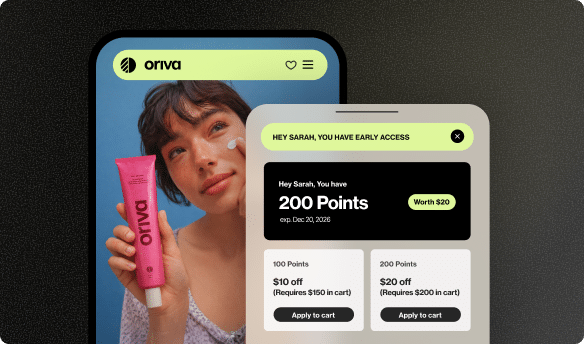






What is a Family Sharing (Loyalty) Account?
Imagine you love visiting your favorite toy store. Every time you buy something, you earn points. These points add up, and eventually, you can use them to get a discount or a free toy! That’s how a loyalty program works – it’s a special thank-you from a store for being a regular customer.
Now, what if your whole family could join in the fun? What if your mom, dad, and even your older brother could all add points to the same account when they shop at that store? That’s the exciting idea behind a Family Sharing (Loyalty) Account! It’s like having a big, shared piggy bank for points and rewards, making it easier and faster for everyone in the family to enjoy the special perks together. These kinds of clever programs help stores build strong relationships with their customers, much like how customer retention strategies keep shoppers happy and coming back.
Understanding Loyalty Programs First
Before we dive deeper into family sharing, let’s make sure we’re all on the same page about regular loyalty programs. Think of it like a secret club that stores create just for their best customers. When you join, you get special benefits.
How Do Loyalty Programs Work?
Most loyalty programs follow a simple idea: the more you shop, the more you get back.
* Earning Points: Usually, for every dollar you spend, you earn a certain number of points. For example, $1 might get you 1 point.
* Collecting Rewards: Once you have enough points, you can trade them in for rewards. This could be a discount on your next purchase, a free item, or even access to special sales.
* Reaching Tiers: Some programs have different levels, like “Bronze,” “Silver,” and “Gold.” The more points you earn, the higher your level, and the better the rewards become. Imagine getting early access to new toys or exclusive events!
These programs are a great way for businesses to say “thank you” for your business and encourage you to keep shopping with them. Stores often use smart tools, like Yotpo Loyalty, to create and manage these exciting reward systems, making it simple for customers to earn and redeem points.
Why Do Stores Offer Them?
Stores don’t just give away rewards because they’re extra nice (though they usually are!). They do it for a few good reasons:
* Keeping Customers Happy: When you get a discount or a freebie, you feel good about shopping there, right? Happy customers are more likely to return.
* Learning About What You Like: Loyalty programs help stores understand what products you buy most often. This allows them to offer you even better deals on things you’ll truly love.
* Building a Community: It creates a sense of belonging. You’re part of their special customer family!
A well-designed loyalty program is a powerful way for businesses to make their customers feel valued and to encourage continued engagement. It’s a key part of building a great ecommerce customer experience.
The Big Idea Behind “Family Sharing” in Loyalty
So, if individual loyalty programs are good, imagine how much better they can be when you can share them with your family! A family sharing loyalty account takes the benefits of a regular program and makes them bigger by allowing multiple people to contribute and enjoy together.
What Does “Sharing” Mean Here?
When we talk about sharing in this context, it usually means one of two things:
1. Pooling Points: This is like everyone in the family adding their coins to the same jar. When anyone in the family buys something at the store and uses the shared loyalty account, the points they earn all go into one big family pot. This means the points add up much faster!
2. Shared Benefits: Sometimes, a family sharing account might mean that if one person achieves a certain status or reward, everyone linked to that account gets to enjoy it. For example, if Mom reaches “Gold Status,” everyone on the family account might get free shipping or special discounts, too.
It’s all about making the loyalty experience more inclusive and rewarding for everyone in the household.
Why Share?
There are some really good reasons why families and stores both love the idea of sharing loyalty benefits:
* Faster Rewards: This is the biggest benefit! Instead of waiting for one person to earn enough points for a big reward, everyone’s purchases contribute. This means you reach those fun discounts or freebies much quicker. Imagine saving up for that big toy or a family treat in record time!
* Convenience for Families: It simplifies things. Instead of everyone having their own account and trying to keep track, there’s one central place for all loyalty activity.
* Making Shopping a Family Affair: It can make shopping feel more collaborative and fun, knowing that every purchase helps the whole family reach a goal.
For businesses, family sharing encourages more people from the same household to shop with them. It expands their reach and builds stronger, more lasting connections with entire families, not just individuals.
How Family Sharing Accounts Work
Let’s break down how these accounts typically operate. It’s usually quite straightforward, designed to be easy for families to use.
Joining a Family Account
Usually, one person, often an adult, sets up the main family loyalty account. This person becomes the “primary” account holder. Then, they can invite other family members to join.
* Invites: The primary holder might send an email invitation or share a special link.
* Linking: Each family member accepts the invite and links their own shopping profile to the main family account. This way, their purchases will also count towards the shared loyalty goals.
Some programs might have rules about who can join – usually immediate family members living at the same address, but it varies by store.
Contributing to the Account
Once everyone is linked, the fun begins!
* Shop as Usual: Each family member simply shops at the store as they normally would.
* Earn Points Together: When they make a purchase, they provide their loyalty account details (like a membership number or phone number), and the points are automatically added to the family’s shared pool.
* No Extra Effort: It’s not complicated! The system does all the work of combining the points.
Think about it: if one person usually spends $50 a month and earns 50 points, and three other family members also spend similar amounts, you could be earning 200 points a month instead of just 50! That’s a huge boost.
Using Shared Rewards
Redeeming rewards is just as simple as earning them.
* Who Can Redeem? Most family sharing accounts allow any linked family member to redeem the shared points or rewards. So, if your family saved up enough for a $20 discount, anyone in the family could use that discount on their next purchase.
* Choosing Rewards: Just like a regular loyalty program, you’ll usually have a menu of rewards to choose from once you’ve accumulated enough points.
Example Scenario: The Snack Superstars Family
Let’s imagine the “Snack Superstars” family loves a particular grocery store.
* Mom is the primary account holder for their grocery store loyalty program, which offers family sharing.
* She invites Dad and their two kids, Leo and Mia, to join the family account.
* Every week, Mom buys groceries and earns points.
* Dad sometimes stops by for a quick lunch and earns points.
* Leo and Mia occasionally buy snacks with their allowance, and their purchases also add points to the family pot.
* Instead of waiting months for Mom to earn enough for a big discount on her own, the family quickly accumulates enough points for a free family pizza night! Everyone contributed, and everyone gets to enjoy the reward. This is a great example of how a well-structured loyalty program, perhaps built with a tool like Yotpo’s Loyalty product, can enhance the ecommerce customer experience by making rewards more accessible.
Benefits of Family Sharing Accounts
Family sharing loyalty accounts offer advantages for both the families using them and the businesses that offer them.
For Families
* Faster Path to Rewards: This is the number one benefit. When multiple people contribute, points accumulate much more quickly, meaning rewards are unlocked sooner.
* Maximizing Savings: Instead of points expiring on individual accounts or not quite reaching a redemption threshold, pooled points have a better chance of being used for valuable discounts or free items.
* Shared Enjoyment: Rewards can often be enjoyed by the whole family, like a shared treat, a family outing, or a discount on something for the home.
* Simplified Management: Fewer individual accounts to manage means less hassle and a clearer overview of the family’s loyalty earnings.
* Encourages Collaboration: It can be a fun way to teach kids about saving and working together towards a common goal.
For Businesses
* Increased Customer Lifetime Value: When entire families are invested in a loyalty program, they are more likely to become long-term, valuable customers. This is a crucial part of customer retention.
* Broader Engagement: It brings more individuals from a single household into the loyalty ecosystem, potentially increasing overall purchase frequency and spend.
* Deeper Customer Understanding: Businesses gain insights into shopping patterns across a household, allowing for more personalized offers that appeal to the whole family.
* Word-of-Mouth Marketing: Happy families who benefit from sharing are more likely to tell their friends and other families about the program and the store. This is powerful word-of-mouth marketing.
* Competitive Advantage: Offering family sharing can differentiate a business from competitors who only offer individual loyalty programs.
Businesses that use advanced tools like Yotpo Loyalty can design flexible programs that truly cater to the dynamics of families, fostering deeper relationships and boosting ecommerce conversion rates.
Different Ways Stores Might Offer Family Sharing
Not every store’s family sharing program works exactly the same way. Companies are creative in how they reward loyalty!
Option 1: Direct Point Pooling
This is the most common and straightforward method we’ve discussed. Every family member’s purchases contribute points to one central account.
* How it works: Mom buys shoes, points go to the family pot. Dad buys a shirt, points go to the family pot. Kids buy socks, points go to the family pot. All points add up faster for everyone.
* Example: A clothing store or a grocery store might use this.
Option 2: Shared Tiers and Benefits
In some cases, the focus isn’t just on pooling points but on sharing the perks that come with a certain loyalty level.
* How it works: If the primary account holder reaches a “VIP” tier, everyone linked to the family account automatically gets access to those VIP benefits, like free shipping, early access to sales, or special customer service. Even if other family members don’t spend enough on their own to reach VIP, they still get to enjoy the benefits thanks to the primary account holder.
* Example: An online book store might offer free expedited shipping for all family members if one member reaches a high spending tier.
Option 3: Referral and Group Bonuses
While not strictly “family sharing” in the traditional sense, some loyalty programs offer special bonuses for groups or referrals that families can definitely take advantage of.
* How it works: A store might give extra points if you refer a friend (who could be a family member!) to their store. Or, they might have special “group purchase” bonuses where if multiple items are bought by different people from the same account or order, extra rewards are given.
* Example: Imagine a gaming store where you get bonus points for referring your cousin, or if your whole family buys new video games at the same time. You can learn more about how these work by reading about what is a referral code.
Businesses often use flexible loyalty rewards program software to implement these varied and engaging options, making sure their program stands out.
Setting Up and Managing a Family Sharing Account
Thinking about joining one of these cool family accounts? Here’s what you’ll usually need to do.
Finding a Program
The first step is to see if your favorite stores even offer family sharing!
* Check the Website: Look for a “Loyalty Program,” “Rewards,” or “FAQ” section on the store’s website. They will usually explain all the details there.
* Ask in Store: Don’t be afraid to ask a salesperson if they have family sharing options.
Many leading brands use tools like Yotpo Loyalty to create their programs, so checking their online resources is often the best place to start.
Signing Up
If a program offers family sharing, the process typically looks like this:
1. Primary Account Holder Enrolls: One adult will sign up for the main loyalty account, if they don’t have one already.
2. Inviting Family Members: The primary account holder will then find an option, often in their online account dashboard, to “invite family members” or “add household members.”
3. Accepting Invites: Invited family members will usually receive an email with a link to accept the invitation and link their own shopper profile to the main family account. This might involve creating a quick login or simply confirming their existing details.
4. Confirmation: Once accepted, everyone is linked and ready to start earning together!
Keeping Track
It’s easy to keep an eye on your family’s loyalty progress.
* Online Dashboard: Most modern loyalty programs provide an online account dashboard where you can see how many points your family has, what rewards are available, and sometimes even a history of transactions that earned points.
* App Notifications: If the store has a mobile app, it might send notifications when points are earned or when a reward is ready to be used.
A powerful loyalty platform, such as Yotpo Loyalty, makes it super simple for customers to log in and instantly see their shared points, available rewards, and any special family-specific offers, which greatly improves the ecommerce customer experience.
Important Things to Remember
While family sharing loyalty accounts are fantastic, it’s always good to keep a few things in mind.
Rules Can Be Different
Every loyalty program has its own specific rules. What works for one store might be a little different at another.
* Read the Fine Print: Before joining, take a moment to read the program’s terms and conditions. It sounds boring, but it helps you understand how everything works, including who can join, how rewards are redeemed, and if points ever expire.
* Who Can Redeem? Some programs might only allow the primary account holder to redeem rewards, even if everyone contributed. Others are more flexible.
Privacy and Data
When you link accounts, you are sharing some information with the store.
* Understanding Data Usage: Stores use this information to understand your shopping habits better and offer you relevant deals. This is generally a good thing, as it leads to more personalized experiences.
* Who Sees What: If you’re the primary account holder, you might be able to see the purchases made by other linked family members, or at least how many points they’ve contributed. It’s good to be aware of this and discuss it with your family.
Businesses using trusted solutions like Yotpo’s Loyalty product are designed with customer data protection in mind, ensuring a secure and transparent experience.
Who is the Main Account Holder?
Typically, an adult, like a parent, acts as the main account holder. This makes sense because they are usually the primary shopper and are responsible for managing the family’s overall finances.
* Responsibility: The primary holder is usually responsible for inviting members, ensuring everyone understands the rules, and sometimes for managing reward redemption.
* Age Limits: Many loyalty programs require members to be a certain age (e.g., 16 or 18) to join or manage an account. Children can often be linked, but the main account management stays with an adult.
Beyond Family: Other Ways to Share
While we’ve focused on families, the idea of group loyalty can sometimes extend beyond just immediate family members. Some creative programs might allow friends, roommates, or even small business teams to pool points or share benefits.
This flexibility highlights the power of modern loyalty software. Tools like Yotpo Loyalty enable businesses to design diverse and innovative loyalty programs that cater to various customer groups, fostering community and encouraging engagement in many different ways. Whether it’s a family saving for a big purchase or a group of friends collaborating on rewards, the goal is always to make the customer experience more rewarding and connected.
Making Shopping More Fun and Rewarding
Family sharing loyalty accounts are a fantastic evolution of traditional loyalty programs. They take the fun and savings of earning rewards and multiply them by bringing everyone in the family together. It’s a win-win: families save more and get rewards faster, and stores build stronger, lasting relationships with their customers.
Imagine the excitement when your family reaches enough points for that big reward! It’s a shared victory that makes every shopping trip feel a little more meaningful.
| Feature | Individual Loyalty Account | Family Sharing Loyalty Account |
|---|---|---|
| Who earns points? | Only one person’s purchases | Multiple family members’ purchases |
| How fast do points add up? | Slower, based on one person’s spending | Faster, with contributions from many |
| Who can use rewards? | Usually only the account holder | Often any linked family member |
| Benefits | Personal savings, individual rewards | Shared savings, faster big rewards, family fun |
By embracing concepts like family sharing, businesses, especially those leveraging powerful tools like Yotpo Loyalty, can truly transform the shopping experience. They turn everyday purchases into opportunities for shared rewards and deeper customer connections. And remember, when customers have a great experience, they often want to share it, sometimes by leaving valuable reviews that help other shoppers make informed decisions.
In Conclusion
A Family Sharing (Loyalty) Account is a brilliant way for your whole household to get more out of your favorite stores. It’s about teamwork, making your points grow faster, and enjoying rewards together. By understanding how these programs work, you can help your family save money and make shopping an even more rewarding adventure. So, next time you’re at a store, ask if they offer a family loyalty program – you might just unlock a whole new level of fun and savings!










 Join a free demo, personalized to fit your needs