








What in the World is a Disruptive Innovation?
Have you ever seen something new that completely changes how everyone does things? Maybe it’s a tiny gadget that suddenly makes big, old machines seem clunky, or a simple idea that turns a complicated task into something easy. Well, that’s exactly what we call a disruptive innovation!
It’s not just an improvement; it’s a game-changer. Think of a smartphone app that gives you directions instantly, making old paper maps feel ancient. This app didn’t just make maps better; it changed how we navigate the world entirely. A disruptive innovation usually starts simple, maybe cheaper or easier to use, often appealing to different customers than the big, established businesses. Over time, it gets better, grows in popularity, and eventually takes over, creating a whole new way of doing things.
This powerful concept helps us understand why some strong companies struggle when new, simpler technologies appear. It highlights how the world of business and technology is always evolving, always finding new paths to progress.
How Does Disruption Happen?
Disruptive innovation often sneaks up on us. It doesn’t usually start with a bang or a huge, fancy product. Instead, it often begins modestly. Picture a small company, or even just a few clever people, who come up with an idea that seems a bit simple, maybe even “not good enough” for the customers who demand the very best at that moment.
Let’s say there’s a big, fancy computer that only huge companies can afford, and it does incredibly complex tasks. Then, someone invents a much smaller, cheaper computer – a personal computer – that can’t do nearly as much as the big one. The big computer companies might think, “Who needs that little toy? Our powerful machines are what real businesses use!” They might not see the threat because their best customers wouldn’t consider the simpler option.
But here’s the trick: this simpler, more affordable personal computer finds a different kind of customer. Maybe it’s students, small businesses, or hobbyists who never could afford the big computer in the first place. For these people, the personal computer is a dream come true! It fulfills a need that wasn’t being met.
Over time, these smaller, simpler products or services get better and better. They become more powerful, more capable, and often still stay more affordable. Eventually, they improve so much that they can do many of the things the big, fancy products used to do – and sometimes even more! At this point, even the customers who used to demand the “best” from the big companies start looking at the disruptive innovation and realizing it’s now good enough, or even better, for their needs. This is how a small idea can grow to completely change an industry.
Two Main Types of Disruption
When we talk about disruptive innovation, we generally see two different ways it can shake things up:
Low-End Disruption
This type of disruption happens when a new product or service comes along that is simpler and often much cheaper than what’s already out there. It targets customers who might be “overserved” by existing products – meaning they’re paying for features or performance they don’t really need or use.
For example, think about how early personal computers were much less powerful than the giant mainframe computers used by big corporations. Mainframes were expensive and required special rooms and experts to run them. Personal computers, while less capable initially, were affordable and easy enough for individuals and small businesses to use. They didn’t aim to compete with mainframes for the most demanding tasks but instead carved out a new market by offering “good enough” performance at a much lower cost. Over time, personal computers grew incredibly powerful, eventually taking over most of the computing world.
Another classic example is discount retailers. They don’t try to offer the same fancy services or extensive product ranges as traditional department stores. Instead, they focus on offering everyday items at rock-bottom prices, appealing to budget-conscious shoppers. They might not have the same luxurious shopping experience, but they make essential goods accessible to many more people, changing how many of us shop.
New-Market Disruption
New-market disruption is a bit different. Instead of offering a cheaper, simpler alternative, it creates a whole new group of customers who couldn’t use the existing products because they were too complicated, too expensive, or just not available to them.
Think about the smartphone. Before smartphones, people had separate devices for calling, taking pictures, listening to music, checking email, and browsing the internet. Smartphones combined many of these functions into one easy-to-use device. It wasn’t just a better phone; it created new ways for people to interact with technology and each other. It made things possible that weren’t before, attracting millions who might not have even owned a complex “computer” before.
Another great example is the invention of the photocopier. Before photocopiers, making copies of documents was a slow and expensive process, usually done by specialists. The first photocopiers weren’t perfect, but they made it possible for almost anyone to make copies quickly and affordably. This created a new market for easily duplicated documents that simply didn’t exist on a wide scale before.
Both types of disruption show us that innovation isn’t always about making the best product for the existing customer. Sometimes, it’s about making a “good enough” product for a whole new set of customers, or making something completely new that opens up possibilities no one imagined.
Famous Examples of Disruptive Innovations
History is full of amazing examples where simple, new ideas grew to completely change our lives. Let’s look at some big ones that really shook things up:
- Cars: For hundreds of years, horses and carriages were the main way people traveled on land. They worked, but they were slow, needed feeding, and created a lot of mess. When cars first appeared, they were expensive and unreliable. Many people thought they were just a rich person’s toy. But as cars got better and cheaper, they made travel faster and more convenient for everyone. Soon, roads were built for cars, and horses on city streets became a rare sight. It completely changed transportation and how cities were built.
- Digital Cameras: Remember film cameras? You took pictures, then had to take the film to a store to get it developed, and you couldn’t see your photos until later. Digital cameras came along and changed all that. At first, their pictures weren’t as good as film, and they were quite expensive. But they let you see photos instantly, delete bad ones, and share them easily without printing. As technology improved, digital cameras got better and cheaper, making film cameras almost disappear. Now, most people use their phones to take pictures, which is a further disruption!
- Smartphones: Before smartphones, you had a phone for calls, an MP3 player for music, a separate camera, and maybe a small device for email. Smartphones combined all these things (and more!) into one handy device that fits in your pocket. They weren’t just better phones; they created a whole new world of apps and ways to connect. It changed how we communicate, learn, entertain ourselves, and even shop.
- Streaming Services: For a long time, if you wanted to watch a movie, you went to a video store, or watched TV on a schedule. Then, streaming services came along. At first, they had fewer options and needed a good internet connection. But they offered a huge library of shows and movies that you could watch whenever you wanted, right from your couch. This changed how we consume entertainment, making traditional video rentals and even scheduled TV much less common.
- Online Shopping: Remember going to a physical store for everything? Online shopping started small, with a limited selection and sometimes slow delivery. But it offered the convenience of shopping from home, at any time, often with more choices. As it got faster and more reliable, online shopping became a massive industry, changing how businesses sell and how people buy almost everything, from clothes to groceries. Businesses that adapt to this, perhaps by using tools like smart eCommerce advertising strategies and understanding the consumer decision-making process, are the ones that succeed.
These examples show that disruptive innovations aren’t always the “best” or most advanced products when they first appear. They often succeed because they offer something different, something simpler, more convenient, or more accessible, eventually making the old ways seem outdated.
Why Are Disruptive Innovations So Important for Businesses?
Disruptive innovations are like powerful waves that crash onto the shore of the business world. They can shake up even the biggest and strongest companies, forcing them to either adapt quickly or risk being left behind. For businesses, understanding these waves isn’t just interesting; it’s absolutely crucial for survival and growth.
When a new disruptive idea emerges, it pushes established companies to rethink everything. They might have to change how they make products, how they sell them, or even what kind of products they offer. This process can be challenging, but it also sparks incredible creativity and leads to new opportunities.
Think about the taxi industry and ride-sharing apps. Suddenly, getting a ride became easier and often cheaper for many people. This forced traditional taxi companies to innovate, perhaps by offering their own apps or improving their service. It’s a constant race to meet customer needs in new and better ways.
Disruption also highlights the importance of being flexible and not getting too comfortable. Companies that think their way is the *only* way often miss the small, emerging trends that can become the next big thing. It teaches us that the customer is king, and new solutions that truly help customers often win in the long run.
Here’s a simple look at how disruptive innovations change things:
| Old Approach (Before Disruption) | New Approach (After Disruption) |
|---|---|
| Expensive, complex products for a few experts | Simpler, more affordable products for many people |
| Limited choices, inconvenient access | Wide variety, available almost anywhere, anytime |
| Slow communication, hard to get feedback | Instant feedback, easy two-way communication |
| Companies dictate what’s available | Customers’ needs drive what companies create |
As you can see, disruption isn’t just about technology; it’s about changing the very fabric of how businesses operate and how they connect with people. Staying aware of these shifts is key for any business wanting to succeed in today’s fast-paced world. It’s also why understanding things like the ecommerce marketing funnel and improving conversion rates are so vital.
Staying Ahead of the Curve: The Role of Customer Feedback
In a world where disruptive innovations can pop up anywhere, how do businesses make sure they don’t get left behind? One of the most powerful tools they have is listening to their customers. Seriously, it’s like having a secret superpower! When businesses pay attention to what people are saying, they can understand what’s missing, what could be better, and even get hints about the next big idea.
The Power of Reviews
Think about when you’re looking for a new toy or a game. Don’t you often ask your friends what they think? Or maybe you look at what other kids are saying about it online? That’s exactly what product reviews are all about! They’re real people sharing their honest thoughts and experiences about something they’ve bought or used. For businesses, these reviews are incredibly valuable. They help companies:
- Understand what’s working well: If lots of people say they love a certain feature, the company knows to keep doing that.
- Identify problems: If many customers complain about the same issue, the company knows exactly what needs fixing. This feedback is like a roadmap for improvement.
- Spark new ideas: Sometimes, customers suggest new features or different ways to use a product, which can lead to the next great innovation!
- Build trust: When new customers see that others have had good experiences, they’re more likely to try the product themselves. This is a huge part of word-of-mouth marketing.
In a world constantly changing due to disruptive innovations, a business’s ability to quickly gather and act on customer feedback is a major advantage. It helps them adapt and even become a disrupter themselves.
This is where Yotpo Reviews comes in as a best-in-class solution. Yotpo provides powerful tools that help businesses collect, manage, and display product reviews and other user-generated content (UGC) easily. Imagine having a system that automatically asks customers for their thoughts after they buy something, making it simple for them to share pictures and videos too! Yotpo Reviews helps businesses gather these important insights, letting them know what customers truly think and feel. This direct line to customer sentiment means businesses can quickly respond to needs, fix issues, and even get ideas for products that could be the next disruptive innovation. It’s essential for any company wanting to understand and connect with its customers, helping them succeed in a competitive market. For example, learning how to ask customers for reviews effectively can significantly boost feedback collection, and displaying ecommerce product reviews can build immense trust and drive sales.
By leveraging platforms like Yotpo Reviews, businesses can turn customer opinions into a powerful asset, helping them to not only survive but thrive amidst constant change. You can even see how much impact reviews have with a review calculator.
Building Strong Connections: Customer Loyalty
Even with all these new ideas and products constantly appearing, some things remain super important: like strong relationships! Just like you have your favorite friends, customers often have favorite brands or stores they trust and love. This trust and love lead to what we call customer loyalty.
Why is customer loyalty so important when everything is changing? Well, when a disruptive innovation comes along, it might tempt customers to try something new. But if a business has built a really strong relationship with its customers, those loyal customers are more likely to stick around. They feel valued, they trust the brand, and they know they’ll have a good experience.
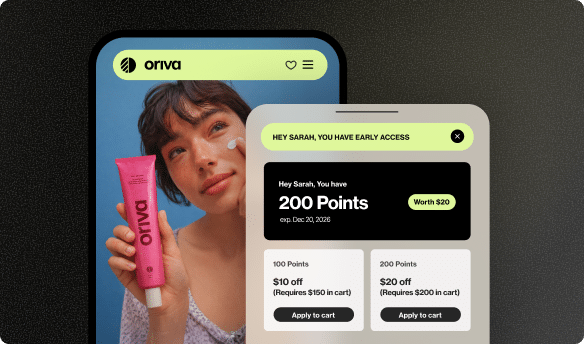
Loyalty programs are special ways businesses say “thank you” to their best customers. They might offer points for purchases, exclusive discounts, early access to new products, or special gifts. These programs aren’t just about getting customers to buy more; they’re about making customers feel special and part of a community. This feeling makes them less likely to jump ship when a new competitor pops up.
Imagine if your favorite pizza place gave you a free slice every five visits. You’d probably keep going back there, even if a new pizza place opened up down the street, right? That’s loyalty at work! It helps businesses keep their customers happy and coming back, building a stable foundation even when the market around them is changing rapidly. This focus on long-term relationships is a core part of ecommerce customer experience.
Yotpo Loyalty offers best-in-class loyalty software that helps businesses build these kinds of strong, lasting relationships with their customers. It provides tools to create exciting loyalty programs that reward customers for their purchases, for writing reviews, for referring friends (check out what is a referral code!), and for many other actions. With Yotpo Loyalty, businesses can design unique programs that make customers feel truly appreciated, encouraging them to return again and again. These programs help businesses retain customers, even when new disruptive ideas emerge. By focusing on making customers feel valued and special, companies can ensure they have a loyal base that supports them through any market shift. For businesses looking for success, exploring the best loyalty programs and learning 10 ways to improve customer retention can be game-changers.
Combining the insights from customer reviews with the power of loyalty programs creates a powerful cycle: listening to customers helps you make better products, and better products make customers more loyal. It’s a winning strategy in any market, especially one full of disruptive changes.
The Future is Always Changing
If there’s one thing we can be sure of, it’s that the world will keep changing! Disruptive innovations aren’t just a one-time thing; they’re a continuous cycle. What seems new and exciting today might be the “old way” of doing things tomorrow, as another clever idea comes along to shake things up again.
This constant change might sound a little scary, but it’s also incredibly exciting! It means there are always new possibilities, new inventions, and new ways to make our lives better and easier. It encourages creativity and pushes everyone, from inventors to big companies, to keep thinking, experimenting, and improving.
For businesses, this means they can never truly stop learning and adapting. The companies that thrive are the ones that stay curious, keep an eye on new trends, and, most importantly, always listen to their customers. They understand that a simple idea today could be the next big disruption tomorrow. By focusing on their customers, collecting their feedback, and building strong relationships, businesses can not only react to change but also lead the way in creating new and exciting futures.
Whether it’s a new way to communicate, a faster way to travel, or a smarter way to shop, disruptive innovations remind us that progress is always happening. It’s a journey, not a destination, and it’s one that promises a lot of interesting surprises along the way.
Keeping Up with the New Ideas
So, what have we learned about disruptive innovation? It’s not just about making something a little bit better; it’s about creating something entirely new or approaching an old problem in a completely different way. These innovations often start small, perhaps simple or cheaper, and target customers that big companies might overlook. But with time and improvements, they grow to change whole industries, making old ways seem outdated.
For businesses, this means paying close attention to what’s happening around them. It’s about being brave enough to try new things and smart enough to understand what customers truly want and need. Tools like Yotpo Reviews are fantastic for helping companies hear directly from their customers, gathering honest feedback that can guide improvements and spark new ideas. And once those customers are happy, building lasting relationships through programs powered by Yotpo Loyalty ensures they stick around, creating a strong foundation for the business even as the world keeps evolving.
The world of business is always moving forward, driven by brilliant new ideas that disrupt the status quo. By understanding what disruptive innovation is and embracing the power of customer connection, businesses can not only survive these changes but also flourish and lead the way into an exciting future. It’s all about being ready for what’s next and remembering that the best ideas often come from listening to the people you serve.










 Join a free demo, personalized to fit your needs