








What is a Customer Journey?
Imagine you’re craving a delicious slice of pizza. First, you realize you’re hungry (that’s the start!). Then, you might think about different pizza places you know or ask a friend for a recommendation. You look at their menus, maybe check out some pictures of their pizzas online. Finally, you pick one, order your pizza, and enjoy every bite. If it was really good, you might even tell your friends about it or order from them again next week!
That whole adventure, from realizing you want pizza to becoming a regular customer who loves telling others about it, is a lot like what we call a customer journey in the business world. It’s simply the complete story of every step a person takes when they interact with a business, from the very first time they hear about it to becoming a loyal fan. For businesses, understanding this journey is super important because it helps them make every step a great experience for you, which means you’ll be happier and more likely to stick around. It’s about seeing the world through your customers’ eyes.
The Different Steps of a Customer Journey
Just like our pizza adventure had different parts, a customer journey is usually broken down into several stages. Think of them as chapters in a book, each one important for the whole story. Let’s explore these steps and see how they work.
Awareness: The First Hello!
This is the very beginning. It’s the moment someone first realizes they might have a need or want something, and they discover a business that could help. Maybe they saw a cool advertisement online, or their friend excitedly told them about a new toy store. It could even be through a quick search on the internet when they’re looking for something specific. At this stage, they’re just becoming aware that a brand exists.
- How it happens: Someone sees an ad, hears about a brand from a friend, or stumbles upon it online.
- What the customer feels: “Oh, that looks interesting!” or “I didn’t know about this!”
For businesses, making a good first impression here is key. Having a strong presence where people are already looking, like on social media or through search engines, helps a lot. Even though customers might not be ready to buy yet, simply knowing about a brand is the crucial first step. Sometimes, seeing that other people already love a brand can help too. Word-of-mouth marketing, where people share their positive experiences, is a powerful way for new customers to become aware of a brand.
Consideration: Time to Think It Over
Once someone is aware of a brand, they usually don’t buy right away. They start to think about it more seriously. This is the consideration stage. They’re comparing different options, doing a little research, and trying to decide if this particular business or product is the right fit for them. They might read about the product, look at pictures, or even watch videos.
Think about when you’re choosing a new video game. You don’t just pick the first one you see, right? You probably watch trailers, read reviews from other gamers, and compare it to other games you like. Customers do the same thing with products and services.
- Customer actions: Reading product descriptions, comparing prices, looking at competitor websites, checking out customer opinions.
- What they’re asking: “Is this the best option for me?” “What makes this different?”
This is where things like customer reviews become super important. When people see what others who have already bought a product think about it, it helps them make up their mind. Good reviews, especially ones with photos or videos, can really build trust and help a customer decide that a brand is worth considering seriously. Businesses that make it easy for customers to see these real opinions from other buyers often do really well in this stage.
Decision: Making the Choice
This is the exciting part! After all the thinking and comparing, the customer finally decides to make a purchase. They add items to their cart, click the “buy now” button, and complete their order. This stage is all about making it as easy and smooth as possible for them to complete their purchase.
Imagine you’ve picked out the perfect pair of shoes online. You’ve read all the reviews, you know they’re the ones for you. But then, if the checkout process is confusing, or takes too many steps, you might get frustrated and leave. Businesses want to avoid that!
- Customer actions: Adding to cart, proceeding to checkout, making the payment.
- What they need: A clear, easy-to-use checkout process, reassurance their choice is a good one.
Trust plays a huge role here. Customers want to feel confident that their money is well-spent and that the business will deliver on its promises. Again, strong product reviews and visible customer ratings can be the final push that helps someone feel great about their decision. Seeing that many other people have had a positive experience makes the choice feel much safer and more reliable. This confidence helps improve ecommerce conversion rates, meaning more people who visit the site actually buy something.
Retention: Coming Back for More
The journey doesn’t end after the first purchase! In fact, for many businesses, this is where the real fun begins. The retention stage is all about keeping customers happy so they come back and buy again. It’s much easier and often less expensive for a business to keep an existing customer happy than to find a brand new one.
Think about your favorite restaurant. You go back because you know the food is good, the service is friendly, and you always have a nice time. Businesses want to create that same feeling of loyalty with their customers.
- Business goals: Encouraging repeat purchases, building lasting relationships.
- Customer experience: Receiving good customer service, feeling valued, having positive experiences with the product.
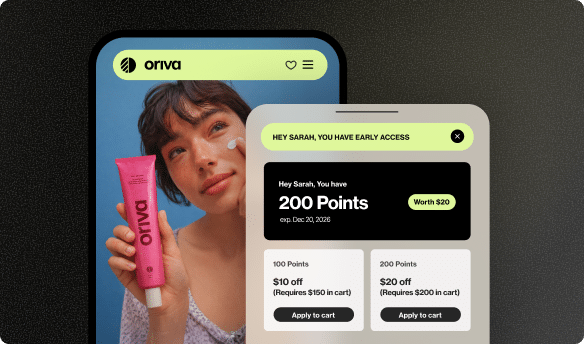
This is where programs designed to reward loyalty shine! A good loyalty program can make customers feel special by giving them points, discounts, or exclusive access to new products. It’s like getting a gold star every time you do something great, encouraging you to do it again! These programs are a fantastic way for businesses to show appreciation and encourage customers to keep coming back. Learning about customer retention is super important for long-term business success.
Advocacy: Spreading the Word
This is the ultimate goal! An advocate is someone who loves a brand so much that they tell all their friends and family about it without even being asked. They share their positive experiences, recommend products, and basically become a walking, talking advertisement for the business. They’re like your biggest fan!
Remember how we talked about telling your friends about that amazing pizza place? That’s advocacy! Businesses love advocates because their recommendations are incredibly powerful and trustworthy. People trust what their friends say much more than what an advertisement says.
- Customer actions: Telling friends, sharing on social media, writing positive reviews, referring new customers.
- What they’re feeling: “I love this so much, everyone needs to know about it!”
Both Yotpo Reviews and Yotpo Loyalty can work together beautifully to create advocates. When customers have a great experience and can easily leave a review, they’re more likely to share their positive feedback. Plus, loyalty programs can even include referral codes, giving loyal customers a special way to invite their friends and earn rewards for both of them. This creates a wonderful cycle where happy customers help bring in new ones. It’s all part of making the customer experience so good that they can’t help but share it!
Here’s a quick look at how these stages connect:
| Stage | Customer Action | Business Focus |
|---|---|---|
| Awareness | Discovers brand, sees an ad | Get noticed, create interest |
| Consideration | Researches products, compares options | Provide clear info, build trust |
| Decision | Makes a purchase | Make buying easy and reassuring |
| Retention | Buys again, uses products | Keep customers happy, build loyalty |
| Advocacy | Recommends to others | Encourage sharing, reward referrals |
Why Understanding the Customer Journey Matters
You might be thinking, “That’s a lot of steps! Why do businesses need to know all of this?” Well, understanding the customer journey is like having a secret map to success. When a business knows exactly what its customers are doing and feeling at each step, it can make things much better for everyone.
First, it helps businesses give you, the customer, a smoother and happier experience. If they know you’re likely to look for reviews during the consideration stage, they can make sure their best reviews are easy to find. If they know you love getting rewards for being loyal, they can set up a fantastic loyalty program.
Second, it helps businesses grow. By understanding where customers might get stuck or confused, businesses can fix those problems. This means more people will complete their journey, from being curious to becoming happy, loyal customers. It’s like finding a bumpy patch on a road and paving it smooth so everyone can drive without trouble.
Ultimately, a good customer journey helps businesses:
- Make customers happier: By meeting their needs at every turn.
- Gain more customers: By attracting them effectively and building trust.
- Keep customers longer: By making them feel valued and encouraging repeat business.
- Save money: Because keeping existing customers is often less expensive than finding new ones.
It’s all about making sure every interaction is a positive one, from the very first click to the moment a customer becomes an excited brand advocate.
Mapping Your Customer Journey
So, how does a business actually figure out its customer journey? It’s not about guessing! It’s about careful observation and understanding. We call this process “customer journey mapping.” It’s like drawing a detailed map of an adventure, but instead of mountains and rivers, you’re mapping feelings and actions.
Gather Information: Be a Detective!
The first step is to collect clues! Businesses talk to their customers, ask them questions, and pay attention to what they say. They also look at data – things like how many people visit their website, what pages they click on, and where they spend the most time. This helps them understand real behaviors, not just what they *think* customers do.
For instance, they might ask, “What made you choose our product?” or “Was there anything confusing when you bought from us?” They might also look at their consumer decision-making process data to see common paths customers take.
Identify Touchpoints: Every Little Interaction
A “touchpoint” is any place where a customer interacts with a business. This could be their website, a social media page, an advertisement, an email, or even when they talk to a customer service person. Businesses list all these touchpoints for each stage of the journey. It’s like listing every place you stop on a road trip.
For example, touchpoints during the consideration stage might include:
- Reading a product description on the website.
- Looking at product reviews on a product page.
- Watching a video about the product on YouTube.
- Comparing features on a comparison website.
Find Pain Points: Where Things Go Wrong
No journey is perfect, and sometimes customers run into problems or feel frustrated. These are called “pain points.” Maybe the website was slow, or they couldn’t find the information they needed, or the shipping took too long. Identifying these pain points is super important because they are opportunities for improvement. If a business knows where customers are getting stuck, they can fix it.
Look for Opportunities: Make It Better!
Once pain points are identified, businesses can brainstorm ways to make the journey smoother and more enjoyable. This could mean updating their website, making their checkout process simpler, or starting a loyalty program to reward repeat customers. It’s all about finding clever ways to delight customers at every turn.
Think about a customer journey map like a detective’s board. You’re piecing together clues, understanding feelings, and finding ways to make the whole experience a five-star adventure. This thoughtful approach helps businesses understand the bigger picture of their ecommerce customer experience.
Tools and Strategies to Improve the Journey
Now that businesses understand the customer journey, what can they actually do to make it better? There are many cool tools and strategies available to help. These tools help businesses listen to their customers, build trust, and encourage them to come back again and again.
Reviews and Ratings: Building Trust, One Star at a Time
You know how you check movie ratings before you watch a film? Or how you read what other kids say about a new toy? That’s exactly how customers think when they’re buying online! Customer reviews and ratings are incredibly powerful. They let potential buyers see honest feedback from people who have already bought and used a product.
Reviews help at almost every stage of the journey: they build awareness (when shared), help with consideration (by providing details), seal the deal at decision (by building trust), and even contribute to advocacy (when happy customers share their experiences).
Businesses use platforms like Yotpo Reviews to collect and display these important opinions. Yotpo makes it easy for customers to leave reviews, often right after they’ve received their product. It even helps businesses gather user-generated content (UGC), which means photos and videos taken by real customers. Imagine seeing a photo of someone just like you wearing the clothes you want to buy – that’s powerful stuff! Knowing how to ask for customer reviews effectively is a key skill for businesses.
Loyalty Programs: Rewards for Being a Fan!
Everyone loves to be rewarded for being a good friend or doing something well, right? That’s the idea behind loyalty programs! These are special clubs that businesses create to thank their best customers and encourage them to keep coming back. Customers earn points for every purchase, which they can then exchange for discounts, free gifts, or exclusive access to new products. It’s like getting bonus coins in your favorite game!
Loyalty programs are fantastic for the retention and advocacy stages. They make customers feel appreciated and give them a good reason to choose that business again over others. A well-designed program can turn a one-time buyer into a lifelong fan. It’s a key strategy for ecommerce retention.
With tools like Yotpo Loyalty, businesses can easily set up and manage these reward programs. They can customize how customers earn points, what rewards they get, and even create special VIP tiers. This helps foster a strong connection between the brand and its customers. You can learn more about the best loyalty programs out there.
User-Generated Content (UGC): Real Pictures from Real People
We touched on this earlier, but it’s worth highlighting again. User-generated content is any content (like photos, videos, or even social media posts) that actual customers create about a product or brand. It’s authentic and shows how real people are using and enjoying the products. Seeing a photo of a product taken by another customer can be much more convincing than a perfectly polished studio photo!
UGC, often collected through review platforms like Yotpo Reviews, helps throughout the journey, especially during consideration and decision. It makes products feel more real and trustworthy. It helps customers imagine themselves using the product and builds confidence in their purchase. It’s like seeing your friend wearing a new outfit and thinking, “Wow, that looks great on them, it would probably look great on me too!”
Personalization: Making It Just for You
Imagine if a store knew your favorite colors and always showed you clothes in those colors. That’s personalization! It’s about tailoring the experience to each individual customer. This could mean recommending products based on what they’ve bought before, or sending them special offers on their birthday. It makes customers feel seen and valued, not just like another number.
While personalization isn’t a direct Yotpo product, the data gathered from loyalty programs can often help businesses understand customer preferences better. This understanding then allows them to create more personalized marketing messages and experiences, enhancing the overall journey. Businesses use various ecommerce advertising strategies and insights to achieve this.
Seamless Shopping Experience: Smooth Sailing
Finally, making sure the entire process is easy and enjoyable is crucial. This means having a website that’s simple to navigate, clear product information, a fast and secure checkout, and prompt, helpful customer service. If any part of the journey is clunky or difficult, customers might get frustrated and leave. A smooth experience reinforces trust and encourages customers to complete their purchases and return again.
By using a combination of these strategies and tools, businesses can truly transform their customer journey, making it a delightful experience from start to finish. This focus on the customer helps businesses grow and thrive in the long run.
The Never-Ending Journey: Improving Over Time
Think of the customer journey not as a straight line with a definite end, but more like a loop or a spiral. It’s always moving, always changing, and always offering new opportunities for improvement. The world around us changes, customer expectations change, and businesses themselves evolve. Because of this, truly successful businesses know that they can’t just map the journey once and forget about it.
They need to keep listening to their customers, collecting feedback, and observing how people interact with their brand. Are there new pain points appearing? Are customers finding new ways to discover products? By staying curious and open to change, businesses can continuously adjust and refine their customer journey map. It’s an ongoing commitment to making every interaction the best it can be.
Gathering feedback through customer reviews and analyzing the engagement with loyalty programs are excellent ways for businesses to keep their finger on the pulse of the customer journey. This constant learning and adapting is what helps businesses stay ahead and continue to create amazing experiences for their customers.
Wrapping It Up: Your Adventure, Their Success
So, what exactly is a customer journey? It’s your entire adventure with a brand, from the moment you first hear about it, through deciding to buy, making a purchase, and ideally, becoming a happy, loyal customer who tells everyone about your great experience. It’s every touch, every thought, and every feeling you have along the way.
For businesses, understanding this journey is not just a nice idea; it’s essential. It helps them design better products, create more helpful websites, offer fantastic customer service, and build lasting relationships with people like you. By carefully mapping out each stage – awareness, consideration, decision, retention, and advocacy – businesses can spot opportunities to make things smoother, more enjoyable, and more trustworthy.
Tools like Yotpo Reviews and Yotpo Loyalty are powerful helpers for businesses on this mission. They allow customers to share their honest feedback, building trust for new buyers. They also let businesses reward their loyal fans, encouraging them to return again and again. These two products, when used thoughtfully, help businesses truly connect with their customers, creating positive experiences that lead to growth and success.
The best customer journeys are like fantastic stories, full of good feelings and memorable moments. By focusing on making every step of your journey great, businesses can turn curious visitors into lifelong friends and advocates. It’s all about putting the customer first, every single time.










 Join a free demo, personalized to fit your needs