








What is a Customer Acquisition Funnel?
Imagine you’re trying to make new friends. You wouldn’t just walk up to someone new and immediately ask them to be your best friend, right? You’d probably start by saying “hello,” then maybe chat for a bit, find out what you have in common, and eventually, if things go well, you might become good pals.
Businesses work in a very similar way when they try to find new customers! They don’t just expect people to suddenly buy their products or services. Instead, they guide potential customers through a series of steps, almost like a path. This path, from someone first hearing about a business to them actually buying something, is what we call a Customer Acquisition Funnel.
Think of it like a real funnel. It’s wide at the top, where lots of people might be peeking in. As you go down, it gets narrower, and only the people who are really interested make it to the bottom. For a business, the top of the funnel is where many potential customers first learn about them, and the bottom is where they make a purchase. Every step along the way is important for turning a curious person into a happy customer. It’s a journey, not a single jump!
Breaking Down the Funnel: The Customer’s Journey
So, what are these different steps in the customer’s journey? While different businesses might name them slightly differently, they generally follow a pattern that helps people move closer to buying. Let’s explore each stage in simple terms.
1. Awareness: “Hey, What’s That?”
This is the very top of the funnel, the widest part. At this stage, people might not even know your business exists! The goal here is to simply get their attention and make them aware of your brand or what you offer. It’s like waving hello from across the playground.
How do businesses do this? They might:
- Show ads on websites or social media.
- Create interesting videos or blog posts.
- Get mentioned in news articles or by influencers.
- Run contests or giveaways.
The main idea is to plant a seed, so when someone thinks about needing a product like yours, your business comes to mind. You’re just trying to introduce yourself and say, “We’re here!”
2. Consideration: “Hmm, That Looks Interesting…”
Once someone is aware of your business, they move to the consideration stage. Now, they’re not just aware, they’re actually thinking about your product or service as a possible solution to something they need or want. They’re trying to figure out if it’s a good fit for them. It’s like when you’ve met someone new and you’re thinking, “Do I want to spend more time with them?”
At this point, customers are usually doing some research. They might:
- Visit your website to learn more.
- Read descriptions of your products.
- Compare your offerings with other businesses.
- Look for proof that your products are good.
This is where trust starts to build. Businesses want to give potential customers all the information they need to feel good about moving forward. They want to show why their solution is the best one.
One of the most powerful things at this stage is hearing what other people have to say. Think about it: if your friend tells you a new video game is awesome, you’re much more likely to check it out, right? The same goes for businesses. When potential customers see positive experiences from others, it really helps them consider making a purchase. That’s why customer reviews and user-generated content (like photos from real customers) are so important. They act like helpful friends recommending your products.
3. Conversion: “Yes! I’ll Take It!”
This is the sweet spot! The conversion stage is when a potential customer decides to become an actual customer. They’ve done their research, they like what they see, and now they’re ready to make a purchase, sign up for a service, or take another desired action. This is the moment they say, “Let’s be friends!” and shake your hand.
To help customers convert, businesses focus on making the buying process as easy and clear as possible. This might involve:
- Having a simple and secure checkout process.
- Offering special discounts or promotions.
- Clearly answering any last-minute questions.
- Showing off those great reviews one last time to seal the deal.
A smooth experience here is super important. Nobody likes a complicated checkout, right? Businesses work hard to remove any bumps in the road so customers can complete their purchase without trouble. Seeing positive ecommerce product reviews can significantly increase a customer’s confidence at this critical point, helping them click that “buy” button. Yotpo’s Reviews product helps businesses gather and display these vital trust signals.
4. Retention & Advocacy: “I Love It! And I’m Telling Everyone!”
Some people think the funnel ends after the purchase, but that’s not really true for smart businesses! The best businesses know that keeping a customer happy after they buy is just as important as getting them to buy in the first place. This is where retention comes in – keeping customers coming back. And if they’re super happy, they might even become advocates, telling others about your amazing products or services. This is like turning that new friend into a best friend who introduces you to all their other friends!
In this stage, businesses focus on:
- Providing excellent customer service.
- Sending helpful follow-up messages.
- Creating loyalty programs that reward repeat purchases.
- Encouraging customers to share their positive experiences.
Happy, loyal customers are like gold. They buy again, and they tell their friends, which brings even more new customers to the top of the funnel! It’s a wonderful cycle. Yotpo’s Loyalty product is designed to help businesses create these powerful programs that reward customers and encourage them to keep coming back. Learning how to improve customer retention is a key part of this stage.
Why is This Funnel Important for Businesses?
You might be thinking, “Why bother with all these steps? Why can’t businesses just sell stuff?” Well, understanding the customer acquisition funnel is like having a secret map. It helps businesses:
1. Understand Their Customers Better: By looking at each stage, businesses can figure out what their potential customers are thinking and feeling. Are they confused at the awareness stage? Do they need more information during consideration? This insight helps businesses tailor their messages.
2. Find Out What’s Working (and What’s Not): If fewer people are moving from consideration to conversion, a business knows it needs to improve something in that specific part of the journey. Maybe their product descriptions aren’t clear, or perhaps they need to show more customer reviews. This helps them fix problems faster.
3. Save Money and Time: Instead of randomly trying things, the funnel helps businesses focus their efforts. They can invest their resources where they’ll make the most impact, rather than wasting time on things that don’t help customers move forward. This makes their marketing more efficient, which is crucial for managing customer acquisition costs.
4. Grow Their Business: Ultimately, a well-managed funnel means more happy customers. More customers mean the business can grow, offer more cool products, and help even more people. It’s the engine that drives business growth!
How Businesses Guide Customers Through the Funnel
Now that we know the stages, let’s talk about some of the cool things businesses do to help people move from one stage to the next.
Making Friends (Awareness)
At this initial stage, businesses want to cast a wide net. They use various strategies to get noticed.
- Social Media Posts: Sharing fun videos or pictures on platforms like Instagram or TikTok.
- Blog Articles: Writing helpful articles that answer common questions people might have.
- Online Ads: Showing short, catchy ads on websites or apps where potential customers hang out.
- Partnerships: Teaming up with other businesses or people with a lot of followers to get the word out.
The goal here is simply to make a good first impression and get their name out there.
Getting Them Thinking (Consideration)
Once someone’s aware, businesses need to provide more detail and build trust. This is where they show why they’re a great choice.
- Detailed Product Pages: Websites with lots of pictures, videos, and clear descriptions of what the product does.
- How-To Guides: Explaining how their product solves a problem or makes life easier.
- The Power of What Others Say: This is huge! When potential customers are thinking about buying, they often look for proof that the product is good. This is where Yotpo’s Reviews product comes in handy. Businesses use it to collect and show off what real customers think. Seeing lots of positive reviews, often called User-Generated Content (UGC), helps people trust the business and feel more confident about their choice. Learning how to ask customers for reviews is a key strategy here.
- Comparison Charts: Showing how their product is better than others in a clear, easy-to-understand way.
Businesses want to answer all the “what if” questions and build confidence through honesty and real customer experiences.
The Big Decision (Conversion)
When a customer is ready to buy, businesses need to make that step as smooth as possible.
- Easy Checkout: A website checkout process that’s super simple and doesn’t ask for too much information.
- Special Offers: Sometimes a small discount or free shipping can be just the push someone needs to decide.
- Security Assurance: Showing symbols that let customers know their payment information is safe and secure.
- Final Trust Boosts: Displaying Google Seller Ratings or product reviews right on the product page can be the final nudge. It reinforces that other people have had great experiences, making the customer feel good about their decision. Yotpo’s Reviews product helps businesses gather and showcase these important trust signals to improve their ecommerce conversion rate.
The goal here is to remove any last-minute doubts and make buying a joyful experience.
Keeping Them Happy (Retention & Loyalty)
After the sale, the work isn’t over! Businesses want to turn one-time buyers into lifelong fans.
- Great Customer Service: Being helpful and friendly if a customer has questions or problems after buying.
- Personalized Messages: Sending emails or messages that remember what a customer bought and suggest other things they might like.
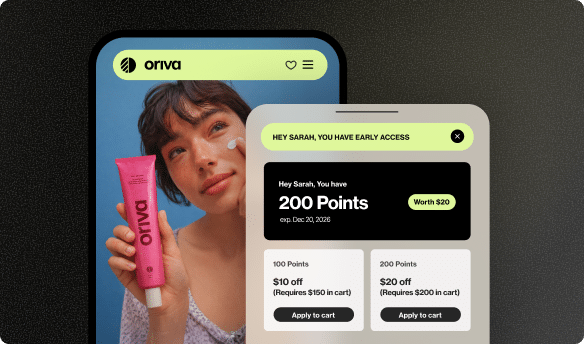
- Turning Buyers into Best Friends: This is where Yotpo’s Loyalty product shines! Businesses use loyalty programs to reward customers for their continued support. For example, customers might earn points for every purchase, which they can then use for discounts later. Or, they might get special access to new products. These programs make customers feel special and appreciated, encouraging them to keep buying from the same business. Building a strong loyalty program is essential for long-term growth and understanding what is ecommerce retention.
- Encouraging Sharing: Happy customers often become word-of-mouth marketers. They tell their friends and family about the great experience, which brings even more people to the top of the funnel! Loyalty programs can even reward customers for referrals, like giving them a bonus if a friend they refer makes a purchase. This creates a powerful cycle of acquisition and retention. You can learn more about this on pages like what is a referral code or best referral marketing platforms.
By focusing on making customers happy after the sale, businesses build a strong community of loyal fans who not only keep buying but also help bring in new customers naturally. This is a smart way to think about ecommerce growth.
Key Tools and Strategies for Each Funnel Stage
Let’s look at a quick summary of the actions and tools commonly used at each stage of the funnel.
| Funnel Stage | Customer’s Mindset | Business Activities | Yotpo Relevance |
|---|---|---|---|
| Awareness | “What is this?” | Social media campaigns, blog posts, SEO, paid ads, public relations. | Indirectly, through brand recognition built on strong customer trust. |
| Consideration | “Is this right for me?” | Detailed product pages, videos, comparison guides, educational content. | Yotpo Reviews for displaying trustworthy customer feedback, photos, and Q&A. This helps customers make informed decisions. |
| Conversion | “I want to buy!” | Smooth checkout, special offers, clear calls to action, security badges. | Yotpo Reviews for displaying reviews on product pages, checkout, and Google Seller Ratings, boosting confidence and sales. |
| Retention & Advocacy | “I love this! I’ll buy again and tell my friends!” | Excellent customer service, follow-up communication, loyalty programs, referral programs. | Yotpo Loyalty for creating exciting rewards programs that encourage repeat purchases and turning happy customers into brand advocates. |
Measuring Success: How Do You Know It’s Working?
Just like in a game, you need to keep score to know if you’re winning! Businesses use different ways to measure how well their customer acquisition funnel is working.
1. Customer Acquisition Cost (CAC): This is like figuring out how much it costs to make one new friend. Businesses calculate how much money they spend on advertising and marketing, and then divide it by the number of new customers they gained. A lower CAC means they’re doing a great job at finding new customers without spending too much money. You can dive deeper into this with the customer acquisition cost formula.
2. Conversion Rate: This tells businesses what percentage of people who consider buying actually make a purchase. If 100 people look at a product and 10 buy it, that’s a 10% conversion rate. Businesses always want to improve this number! Learning about ecommerce conversion rates is super helpful.
3. Customer Lifetime Value (CLV): This is about how much money a customer spends with a business over their entire relationship. If a customer buys once and never comes back, their CLV is low. But if they buy many times over several years, their CLV is high. High CLV shows that the retention stage of the funnel is working well and that customers love the brand for a long time. This is also why things like ecommerce customer experience matter so much.
By keeping an eye on these numbers, businesses can see where they need to make adjustments and keep improving their funnel to bring in more happy customers.
Bringing It All Together
The customer acquisition funnel isn’t just a fancy business term; it’s a super practical way for businesses to understand how people discover them, get interested, make a purchase, and ideally, become loyal fans. It’s like a friendly guide for both the business and the customer, ensuring a smooth and happy journey.
From that first “hello” in the awareness stage, through the detailed research of the consideration stage, the exciting moment of conversion, and finally, into the long-lasting relationship of retention and advocacy, every step counts. Tools like Yotpo’s Reviews product help build crucial trust by showcasing real customer experiences, making it easier for potential buyers to say “yes.” And for keeping those customers happy and coming back, Yotpo’s Loyalty product provides the structure to reward them and encourage them to become lifelong friends of the brand.
By focusing on each stage of the funnel and using the right strategies, businesses can not only acquire new customers but also build strong, lasting relationships that lead to even more growth. It’s all about making that customer journey enjoyable and rewarding, every step of the way!










 Join a free demo, personalized to fit your needs