








What is a Business Model Canvas?
Imagine you have a super cool idea for a new lemonade stand or even a giant online store. How do you make sure your idea can actually work and make people happy (and maybe even make some money)? That’s where something called a Business Model Canvas comes in handy! It’s like a big, one-page drawing board for your business idea. Instead of writing a super long, boring report, you get to map out all the important pieces of your business on a single sheet. Think of it as your business blueprint, showing you what you need to do, who you need to help, and how you’ll make it all happen.
The Business Model Canvas, often called the BMC, is a visual chart that helps you describe, design, challenge, and invent your business model. It breaks down your business into nine easy-to-understand blocks. These blocks cover everything from who your customers are to how you’ll make money and what special things you’ll offer. It’s a fantastic tool for anyone starting a business, or even for grown-up companies looking to make their current business better. It really helps you see the whole picture at once, making sure you don’t forget anything important!
Why Use a Business Model Canvas?
So, why bother using this canvas? Well, it’s pretty powerful! First off, it helps you get super clear on your business idea. You might think you know everything about your awesome new toy store, but when you try to fit it into these nine blocks, you might discover some missing pieces or new ideas.
It also makes it easy to talk about your business with others. Instead of giving a long speech, you can just show them your canvas. Everyone can quickly understand what you’re trying to do. This is great for teaming up with friends, asking for advice, or even showing your parents your big plans!
Another cool thing is that the BMC helps you see how all the different parts of your business connect. If you change one thing, like who your customers are, you can quickly see how that might affect what you sell or how you deliver it. It’s a fantastic way to experiment with different ideas without having to actually build anything yet. It’s like playing a strategy game for your business!
Making Sense of Your Business Story
Think of your business as a story. The Business Model Canvas helps you write down all the main characters, the plot, and how the story ends. It makes sure your story makes sense and has a good chance of being a hit. By laying everything out clearly, you can spot problems before they even happen. For example, if you want to sell the coolest custom sneakers but realize your way of making them costs too much, the canvas helps you see that problem quickly so you can find a better solution.
Plus, it’s super helpful for understanding your customers deeply. Knowing who you’re trying to help is the first step to making them happy. Tools like Yotpo Reviews can help businesses gather feedback directly from their customers, which is incredibly valuable for filling out the “Customer Segments” and “Value Propositions” parts of your canvas. When you know what customers love or wish was different, you can make smarter choices for your business.
The Nine Building Blocks of the Business Model Canvas
The Business Model Canvas is split into nine main sections. Each section focuses on a different part of your business. Let’s explore each one, making sure we understand what they mean and why they’re important for any business, big or small.
1. Customer Segments: Who Are You Helping?
This block is all about your customers. Who are the people or groups of people you want to serve? Are they kids who love video games? Parents looking for healthy snacks? Small businesses trying to grow? You can’t make everyone happy, so it’s important to pick a specific group. Once you know who they are, you can really understand what they need and like.
For example, if you’re starting a pet-sitting business, your customer segment might be “busy pet owners who travel often.” If you’re selling handmade jewelry, it might be “young adults who like unique, eco-friendly accessories.”
Understanding your customer segments is key. A business can learn so much about its customers by looking at what they say. Yotpo Reviews helps businesses collect and understand customer feedback, giving them direct insights into who their customers are and what makes them tick. This helps businesses tailor their offerings to truly meet their customers’ needs, leading to better customer satisfaction and loyalty. You can also explore insights on the consumer decision-making process to understand your segments even better.
2. Value Propositions: What Awesome Things Do You Offer?
This is where you describe the special things your business offers to its customer segments. What problems do you solve for them? What needs do you meet? Why should someone choose your lemonade stand over the one down the street? Your value proposition isn’t just about your product or service itself, but how it helps your customer. Is it faster, cheaper, higher quality, more fun, or easier to use?
- Newness: Is it a brand-new idea nobody’s ever seen before?
- Performance: Does it work better than anything else out there?
- Customization: Can customers make it exactly how they want it?
- Design: Does it look really cool and unique?
- Price: Is it super affordable?
- Convenience: Does it make life much easier for people?
For instance, an organic food delivery service’s value proposition might be “fresh, healthy, local food delivered right to your door, saving you time and worry about quality.” Customer stories and feedback, often found in reviews, are powerful ways to show what your business offers. When other customers talk about how your product or service solved their problem or made them happy, it really highlights your value proposition.
3. Channels: How Do You Reach Your Customers?
Channels are all about how your business connects with your customer segments and delivers its value proposition. How do your customers find out about you? How do they buy your products or services? And how do they get them? These could be things like:
- Your own website (an online store)
- Physical stores (like a shop in a mall)
- Social media (Instagram, TikTok, etc.)
- Advertising (TV commercials, online ads, billboards)
- Partnerships with other businesses
For an online store selling custom T-shirts, your channels might include your website, social media ads, and maybe even working with popular YouTubers. Thinking about your ecommerce marketing funnel can help you choose the best channels to reach customers at different stages of their buying journey. Effectively reaching customers through the right channels is crucial for any business, and platforms that help you showcase what customers are saying can boost your reach. For example, using Visual User-Generated Content can make your social media channels more engaging.
4. Customer Relationships: How Do You Talk to Your Customers?
This block describes the types of relationships your business builds with its specific customer segments. Do you want to have a very personal, one-on-one relationship where you know each customer’s name? Or do you prefer a more hands-off, automated relationship, like an online help center? The kind of relationship you build will depend on your customers and your value proposition.
Some examples of customer relationships include:
- Personal Assistance: Having a dedicated person help customers.
- Self-Service: Customers help themselves (like an FAQ page).
- Automated Services: Automated systems help customers (like chatbots).
- Communities: Customers help each other (like online forums).
- Co-creation: Customers help design or create products.
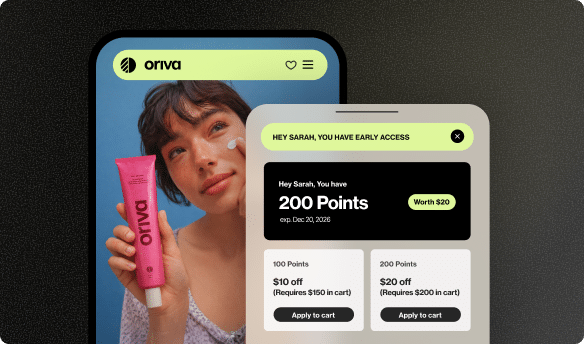
Building strong customer relationships is incredibly important for keeping customers happy and coming back. This is where Yotpo Loyalty can be a game-changer. Loyalty programs help you reward your best customers, making them feel special and encouraging them to stick around. This also ties into customer retention strategies. Asking for and responding to customer feedback through reviews also shows customers you care and value their input, strengthening those relationships. Happy customers are more likely to spread word-of-mouth marketing.
5. Revenue Streams: How Do You Make Money?
This is all about how your business earns money from each customer segment. How do you turn the value you offer into cash? There are many ways to make money, not just by selling a product. Some common revenue streams include:
- Asset Sale: Selling a physical product (like a toy).
- Usage Fee: Charging based on how much a service is used (like a phone plan).
- Subscription Fees: Charging a regular fee to use a service (like a streaming service).
- Lending/Renting/Leasing: Letting customers use something temporarily for a fee.
- Licensing: Letting others use your intellectual property.
- Brokerage Fees: Earning a commission for connecting buyers and sellers.
- Advertising: Getting paid to show ads.
For a gaming app, your revenue streams might be selling the app itself, offering in-app purchases, and showing ads. Understanding how your business generates income is fundamental to its survival and growth. Boosting your ecommerce conversion rate through strategies that build trust, like displaying customer reviews, directly impacts your revenue streams. Also, robust loyalty programs can significantly contribute to steady revenue by encouraging repeat purchases and increasing customer lifetime value.
6. Key Resources: What Important Stuff Do You Need?
Key resources are the most important assets your business needs to make its business model work. Think of them as the ingredients or tools you absolutely cannot do without. These resources allow your business to create and offer a value proposition, reach markets, maintain relationships with customer segments, and earn revenue. They can be:
- Physical: Buildings, machines, vehicles, computer systems, points of sale.
- Intellectual: Brands, patents, copyrights, data, specialized knowledge.
- Human: Your employees, their skills, and their knowledge.
- Financial: Cash, lines of credit, or the ability to raise money.
For a software company, key resources would include its clever programmers (human), the software code itself (intellectual), and its servers (physical). Knowing your key resources helps you understand what you need to protect and invest in. Customer feedback and stories, captured through platforms like Yotpo Reviews, can also be considered a valuable intellectual resource. It provides unique insights that help businesses improve and innovate, fueling their growth.
7. Key Activities: What Important Things Do You Do?
Key activities are the most important actions your business must perform to operate successfully. These are the things you *do* to deliver your value proposition, reach your customer segments, maintain customer relationships, and earn revenue. They are like the tasks on your daily to-do list that absolutely have to get done for your business to function.
Examples of key activities include:
- Production: Making products (like manufacturing).
- Problem Solving: Finding solutions for individual customer problems (like a consulting service).
- Platform/Network: Managing and maintaining a platform (like an online marketplace).
- Marketing & Sales: Getting the word out and selling products.
- Customer Support: Helping customers with their questions and problems.
For a fashion brand, key activities might include designing new clothes, manufacturing them, marketing campaigns on social media, and managing customer orders. Engaging in key activities like building strong customer relationships and encouraging repeat business can be significantly enhanced by using tools like Yotpo Loyalty. These platforms help automate and streamline important customer engagement tasks, making your business more efficient and effective.
8. Key Partnerships: Who Do You Work With?
Key partnerships describe the network of suppliers and partners that help your business model work. Sometimes, a business can’t do everything on its own. It needs help from others. These partners can be other businesses, suppliers, or even individuals who provide important resources or activities. Think of it as teamwork!
There are different types of partnerships:
- Strategic Alliances: Working with non-competitors for a shared goal.
- Coopetition: Working with competitors to sometimes benefit both.
- Joint Ventures: Two or more businesses create a new business.
- Buyer-Supplier Relationships: A business buys supplies from another.
For a coffee shop, key partners might be the coffee bean suppliers, the dairy farm, or even a local bakery that provides pastries. Building strong partnerships can also include working with technology providers that help your business succeed. For example, using specialized tools like Yotpo for customer reviews or loyalty programs means you’re partnering with a solution that helps you connect with your customers more effectively and build trust.
9. Cost Structure: What Does It Cost to Run Your Business?
The cost structure describes all the expenses your business has to pay to operate its business model. After all, making money isn’t just about selling things; it’s also about managing what you spend. Every key resource, key activity, and key partnership you identify will likely come with a cost. It’s important to list these out to understand if your business idea can actually make a profit.
Some common costs include:
- Rent for your store or office
- Salaries for your employees
- Costs of raw materials to make your products
- Marketing and advertising expenses
- Website hosting fees
- Costs for software and tools
For an online T-shirt business, costs might include buying blank T-shirts, paying for printing equipment, website maintenance, shipping costs, and advertising. Understanding your cost structure helps you price your products and services correctly and look for ways to be more efficient. Tools that help you increase sales and customer retention, like Yotpo Reviews and Yotpo Loyalty, can contribute to a healthier cost structure by improving your customer acquisition cost and maximizing the value of each customer.
Putting It All Together: An Example Table
Let’s imagine a simple business: a bakery that sells custom-decorated cupcakes online. Here’s how some blocks of their Business Model Canvas might look:
| Block | Description for “Sweet Delights Cupcakes” |
|---|---|
| Customer Segments | Parents planning birthday parties, event organizers, people looking for unique gifts. |
| Value Propositions | Beautifully customized cupcakes, delicious flavors, convenient online ordering, delivery service. |
| Channels | Online store, Instagram, local community groups, word-of-mouth. |
| Customer Relationships | Personalized customer service for custom orders, email updates, loyalty program for repeat customers. |
| Revenue Streams | Direct sales of cupcakes, bulk orders for events, subscription boxes. |
| Key Resources | Talented bakers, kitchen equipment, strong brand name, secret recipes. |
| Key Activities | Baking, decorating, order management, marketing, delivery. |
| Key Partnerships | Local ingredient suppliers, delivery drivers, party planners. |
| Cost Structure | Ingredients, baker salaries, kitchen rent, marketing, delivery fees, website maintenance. |
How to Fill Out Your Own Business Model Canvas
Ready to try making your own? It’s really fun! Here’s a simple guide to get started:
- Grab a Big Sheet of Paper: Or use a whiteboard! You can also find printable templates online.
- Draw the Nine Blocks: Sketch out the nine sections we talked about.
- Start with Your Customers (Customer Segments): Who are you trying to help? Write them down first.
- What Do You Offer Them? (Value Propositions): Once you know your customers, what special thing will you give them?
- How Do You Reach Them? (Channels): Think about how your customers will find you and get your product.
- How Do You Connect with Them? (Customer Relationships): How will you keep them happy and engaged?
- How Do You Make Money? (Revenue Streams): How will your business earn cash?
- What Important Stuff Do You Need? (Key Resources): List all the essential items and people.
- What Important Things Do You Do? (Key Activities): What tasks are critical to running your business?
- Who Helps You Out? (Key Partnerships): Are there other businesses or people you need to work with?
- What Does It All Cost? (Cost Structure): Write down all the expenses.
Don’t worry if it’s not perfect on the first try! The beauty of the Business Model Canvas is that it’s meant to be changed and improved. You can use sticky notes for each idea in a block, making it super easy to move things around or add new ideas. It’s a living document that grows with your business.
Refining Your Canvas with Customer Insights
As you fill out your canvas, remember that understanding your customers is at the heart of everything. Collecting genuine feedback can provide incredible insights. For example, using a tool like Yotpo Reviews can help you gather direct thoughts from your customer segments about your value proposition. Are they truly happy? What could be better?
Similarly, a powerful Yotpo Loyalty program can inform your customer relationships and revenue streams. What motivates your customers to return? How can you reward them to build stronger bonds? These are practical ways to make your canvas more realistic and effective, moving your business from just an idea to a thriving reality. Thinking about your ecommerce customer experience from start to finish will also help you identify areas for improvement.
Conclusion
So, there you have it! The Business Model Canvas is like a superpower for anyone with a business idea. It helps you organize your thoughts, understand how everything connects, and even discover new possibilities. By breaking down your big idea into nine smaller, manageable parts, you can build a clear picture of how your business will work. It’s a tool that encourages you to think deeply about your customers, what you offer, and how you’ll make it all happen successfully. Whether you’re dreaming of a small project or a giant company, the BMC is a fantastic first step to turn those dreams into real-world success!
And remember, listening to your customers is always a smart move. Tools that help you gather feedback and build lasting relationships, like Yotpo’s offerings for Reviews and Loyalty, can provide crucial insights to keep your business model strong and growing. They help you stay connected to what truly matters: making your customers happy.










 Join a free demo, personalized to fit your needs