








Have you ever thought about all the good things that come from something you own or a service you use? It’s like unwrapping a gift and finding not just one cool toy, but several smaller, awesome things inside that make the main gift even better! That’s a bit like what a “Benefit Stack” visualization helps us understand. It’s a smart way to see all the layers of good stuff a product or experience offers, making it super clear why it’s valuable. Think of it as piling up all the great outcomes, one on top of the other, so you can easily see the full picture of what you’re getting.
What Exactly is a Benefit Stack?
Imagine you’re playing with building blocks. You start with one block, then add another, and another, until you have a tall, strong tower. A Benefit Stack works in a similar way, but instead of physical blocks, we’re stacking up all the good things, or “benefits,” that come from something. When we talk about a benefit stack visualization, we’re talking about making these good things easy to see and understand, usually by arranging them in a clear, layered way.
It’s not just about what a product is, but what it does for you. For instance, a new pair of sneakers isn’t just “shoes” (that’s a feature); they help you run faster, feel comfortable all day, and make you look cool (those are benefits!). And sometimes, one benefit leads to another, making a fantastic chain reaction of good things!
The Core Idea: More Than Just Features
When you look at something to buy, like a new video game, you often see a list of its “features.” These are the specific parts or functions of the game, like “open world map,” “multiplayer mode,” or “amazing graphics.” These features are important, but they don’t always tell you the whole story of how they’ll make you feel or what they’ll help you achieve.
Benefits, on the other hand, are the positive outcomes you get from those features. For example, the “open world map” feature offers the benefit of freedom to explore. “Multiplayer mode” gives you the benefit of fun with friends. And “amazing graphics” bring the benefit of a truly immersive experience. A benefit stack helps us move past just knowing what something *is* and focuses on what it *gives* us.
Why ‘Stack’?
The “stack” part is key because many benefits aren’t standalone; they build upon each other. Think about a delicious pancake stack! You have the pancake itself (the basic product), then you add syrup (a direct benefit like sweetness), then maybe some berries (another benefit like freshness and vitamins). Each layer makes the whole experience better and more fulfilling. In the same way, a basic benefit might lead to an even bigger, more meaningful one.
For a business, understanding how benefits stack up helps them explain the true value of what they offer. For you, as a customer, it helps you quickly grasp why something is worth your time or money. It makes the decision-making process much clearer and often more exciting when you see all the good things lined up.
Why Do We Need to See Benefits Clearly?
Imagine trying to pick out a new board game, but the box only tells you how many pieces it has and what colors they are. You’d probably be pretty confused about whether it’s a fun game or not, right? You want to know if it’s exciting, challenging, or good for playing with your family. This is why seeing benefits clearly is so important – it helps everyone understand the true value of something, not just its basic parts.
Making Decisions Easier
When you’re trying to choose between two similar things, seeing their benefit stacks laid out can be a game-changer. It helps you compare not just the features, but the real-world advantages each option offers. Do you want the toy that just looks cool, or the one that also helps you build, learn, and share with friends? When the benefits are clear, making a smart choice feels much simpler and more confident.
Businesses use benefit stacks to help you on your consumer decision-making journey. By showing you all the good things that will come from using their product, they help you see how it fits into your life and makes things better. This clarity can even help improve ecommerce conversion rates, as customers are more likely to buy when they fully grasp the value.
Building Trust and Happiness
When a company clearly shows you the stacked benefits of their product, it builds trust. It tells you they know their product well and genuinely want you to understand how it can improve things for you. When you buy something and experience all those promised benefits, you feel happy and satisfied. You might even tell your friends about it, which is a fantastic thing for businesses – it’s called word-of-mouth marketing!
Happy customers are also more likely to stick around and buy from that business again. This focus on making customers happy and keeping them coming back is super important in online shopping today. Seeing the full stack of benefits helps create those positive feelings right from the start.
How Does a Benefit Stack Visualization Work?
Visualizing a benefit stack isn’t always about drawing complicated diagrams, though it certainly can be! Most of the time, it’s about making the information easy to digest and understand in a layered way. Think about how a good teacher explains a complex idea: they break it down into smaller, simpler parts, and show how they connect. That’s essentially what a benefit stack visualization aims to do for a product or service.
Using Words to Paint a Picture
One of the most common ways to visualize a benefit stack is simply through clear and organized writing. This could involve:
- Bullet Points: Listing benefits one after another, perhaps starting with a basic one and then showing more advanced or emotional benefits.
- Headings and Subheadings: Using a clear structure in an article or on a product page to guide the reader through different layers of value.
- Descriptive Paragraphs: Explaining how one benefit naturally leads to another, weaving a story of value for the customer. For example, instead of just saying “long battery life,” a description might say, “Enjoy all-day power (direct benefit), so you never miss a moment (layered benefit 1) and can stay connected with friends and family (layered benefit 2).”
The goal is to help the reader build a mental picture of all the good things they’ll get, simply by reading well-crafted text.
Visual Aids: Charts and Infographics
Sometimes, words alone aren’t enough, and a visual helper can truly bring a benefit stack to life. This is where charts, diagrams, or infographics come in handy. Imagine:
- Pyramid Diagram: The foundational benefit at the bottom, with increasingly impactful benefits stacked on top.
- Layered Circles: Like an onion, with core benefits in the middle and wider, more encompassing benefits in outer layers.
- Flowcharts: Showing how a feature leads to a direct benefit, which then enables a more significant, emotional, or long-term benefit.
These visual tools make it super easy for your eyes to follow the progression of value and quickly grasp the full scope of what’s being offered. They’re like a quick map to understanding all the good stuff.
Storytelling: Showing the Journey of Benefits
Another powerful way to visualize a benefit stack is through storytelling. This means showing, rather than just telling, how a product or service improves someone’s life over time. Think about a mini-story:
- A person starts using a new fitness tracker (the product).
- It counts their steps and heart rate (direct benefits).
- Because they see their progress, they feel more motivated (layered benefit 1).
- This motivation helps them exercise more regularly and feel healthier (layered benefit 2).
- Feeling healthier makes them happier and more energetic in their daily life (layered benefit 3).
This kind of narrative helps customers imagine themselves experiencing these benefits, making the stack of good things feel very real and personal. It connects the product to their own desired outcomes and experiences.
Benefit Stacks in the World of Online Shopping
Online shopping is a huge part of our lives today, and businesses work really hard to make sure you understand why their products are great, even though you can’t touch or try them in person. This is where benefit stacks become incredibly important. They help bridge that gap, showing you all the wonderful things you’ll get from clicking “add to cart.”
For Customers: What’s in it for Me?
When you’re looking at a new toy online, you’re not just buying plastic and electronics. You’re buying hours of fun, a chance to be creative, maybe even something to share with your friends. These are the stacked benefits! A good product description helps you see beyond the item itself and imagine the positive experiences it will bring into your life. It answers the crucial question: “What’s in it for me?”
Reviews: Hearing About Real Benefits
One of the best ways to see a benefit stack in action is by reading customer reviews. Other shoppers aren’t just listing features; they’re often talking about the actual benefits they received. For example, someone might say, “This backpack holds everything I need (feature) and it’s so comfortable (benefit 1) that I can wear it all day without my shoulders hurting (benefit 2), which means I can enjoy my hikes even more!” (benefit 3). These real stories from real people highlight the stacked benefits in a very believable way.
Businesses often ask customers for reviews because they know how powerful these shared experiences are. They understand that what customers say about their products, especially about the good things they experienced, helps new buyers understand the value. Ecommerce product reviews are a goldmine for understanding how benefits unfold in real life.
For Businesses: How to Show Your Best Side
For businesses, effectively communicating a benefit stack is key to attracting and keeping customers. It helps them stand out from the crowd and explain why their product isn’t just another item, but a solution that brings real value and happiness. They want to show you not just *what* their product is, but *how it helps* you in multiple ways.
Loyalty Programs: Stacking Rewards and Happiness
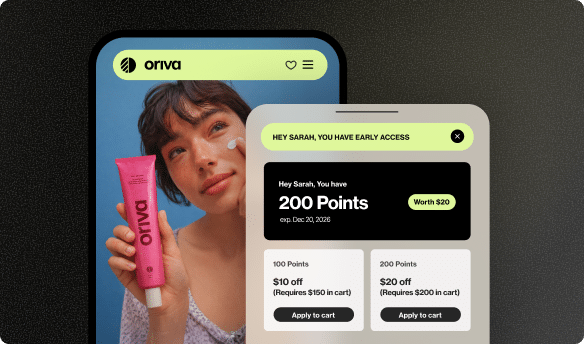
Think about loyalty programs. These are perfect examples of benefit stacks! When you join a loyalty program, you don’t just get one thing. You get points (direct benefit), which lead to discounts (layered benefit 1), which makes you feel appreciated (layered benefit 2), and often gives you access to special offers or early sales (layered benefit 3). All these benefits stack up to make you feel like a valued customer who wants to keep coming back. This is a great way to improve customer retention.
Effective loyalty programs are designed to create a continuous stack of positive experiences, encouraging customers to stay engaged and feel good about their relationship with the brand. It’s about more than just savings; it’s about a feeling of belonging and being rewarded for your loyalty.
User-Generated Content: Real People, Real Benefits
Visual User-Generated Content (UGC) is another fantastic way to see benefit stacks in action. When customers share pictures or videos of themselves using a product, they’re not just showing the item; they’re often showing the benefits it brings. A photo of someone happy and comfortable in a new outfit isn’t just about the clothes (feature); it’s about confidence, style, and comfort (benefits).
This user-generated content provides real-world proof of how products deliver on their promises, creating a powerful visual stack of good outcomes that potential buyers can easily relate to. Seeing someone just like them enjoying the benefits makes it much more appealing.
Building Your Own Benefit Stack Visualization: A Simple Guide
Even if you’re not running a big business, understanding how to think about and visualize a benefit stack can be really helpful. It can help you explain why you love a certain video game to your friends, or even help you decide if a new gadget is truly worth getting. Here’s a simple way to think about building a benefit stack:
Step 1: Know Your Product Inside Out
Start by identifying the main features of the product or service. What does it *do*? List all the basic functions and characteristics. For example, if it’s a new bicycle: it has two wheels, handlebars, pedals, and gears.
Step 2: Think Like Your Customer
Now, put yourself in the shoes of someone who would use this product. What problems does it *solve* for them? What good things come from using it? Don’t just list what it is; think about the experience. For the bicycle: “It helps me get from one place to another.”
Step 3: List the Benefits
Start with the most basic, direct benefit, then think about what other good things happen because of that first benefit. Layer them on! Ask “So what?” or “What happens next?” for each benefit you list.
- Direct Benefit: “It helps me travel.”
- Layered Benefit 1: “Traveling means I can get to school faster.”
- Layered Benefit 2: “Getting to school faster means I have more time to play before class.”
- Layered Benefit 3: “Riding the bike is good exercise, so I feel healthier and more energetic.”
- Layered Benefit 4: “I can explore new paths and see different parts of my neighborhood.”
- Layered Benefit 5: “It’s a fun way to spend time with friends who also ride bikes.”
See how one simple item, a bicycle, can have so many stacked benefits?
Step 4: Visualize It!
Now, choose how you want to show off your benefit stack. You can use simple bullet points, tell a story, or even draw a quick diagram. The goal is to make it clear and easy for others to understand. Here’s an example using a table, which is a great way to visualize these layers:
| Feature | Direct Benefit (What it does for you) | Layered Benefit 1 (A good thing that comes from it) | Layered Benefit 2 (Another good thing that happens) |
|---|---|---|---|
| Super comfy shoes | Your feet don’t hurt | You can walk all day without feeling tired | You explore new places and feel energetic for adventures |
| Loyalty Points (from a program) | You get a discount on your next purchase | You feel special and valued by the store | You become part of a community of happy shoppers and get exclusive perks |
| Waterproof jacket | You stay dry in the rain | You don’t catch a cold easily | You can still go out and have fun even if it’s drizzling |
This table clearly shows how features lead to direct benefits, which then open up even more positive experiences. It’s a simple but powerful way to communicate value.
Challenges and Keeping It Simple
Even though benefit stack visualization is super useful, it can sometimes be a little tricky to get just right. The biggest challenge is making sure you explain all the good things without making it sound too complicated or overwhelming. Imagine someone trying to tell you every single tiny detail about a sandwich – you’d probably just want to know if it’s tasty and filling, not every ingredient’s journey from the farm!
The main goal is always clarity. You want people to quickly see the value, not get lost in too many words or confusing diagrams. It’s about being helpful and clear, not about sharing every single piece of information you can think of.
Avoid Too Much Jargon
When you’re explaining benefits, especially to someone who might be new to a product or idea, it’s important to use simple, everyday language. Avoid using big, technical words that most people won’t understand. If you’re talking about a “user-friendly interface,” maybe explain it as “easy to use” instead. Keeping the language simple helps everyone, from kids to adults, understand the benefits without having to guess what a tricky word means.
Focus on the Most Important Benefits
While a product might have dozens of tiny benefits, a good benefit stack visualization focuses on the most impactful ones. What are the top 3-5 things that truly make a difference for the customer? These are the benefits you want to highlight and build your stack around. Trying to include every single little good thing can make the whole visualization cluttered and hard to understand. Sometimes, less is more, especially when you’re trying to convey a clear message about value.
The Power of Seeing the Whole Picture
In the end, a benefit stack visualization is a powerful tool for everyone. For you, as a customer, it helps you understand the true value of what you’re buying. It lets you see all the good things that will come your way, helping you make smart choices and feel happy with your purchases. It moves beyond simply knowing what something is, to truly understanding what it will do for you and how it will improve your life. This deep understanding plays a huge role in the consumer decision-making process.
For businesses, it’s about clearly showing off their strengths and connecting with customers on a deeper level. When companies effectively communicate their stacked benefits, they don’t just sell products; they sell solutions, happiness, and improved experiences. This leads to happier customers who are more likely to return, recommend the business to others, and become truly loyal. Understanding and communicating these benefits can significantly improve ecommerce conversion rates and foster lasting customer relationships.
Whether it’s the comfort of a new pair of shoes, the rewards of a loyalty program, or the joy of a new game, understanding the stacked benefits helps us appreciate the full picture of value. It’s a way of looking at the world that makes everything seem a little clearer and a lot more rewarding.










 Join a free demo, personalized to fit your needs