








What are Transactional Earning Rules?
Have you ever played a game where you get points for doing certain things? Maybe you earn extra points for finding a secret item or completing a tricky quest? Well, online shopping can be a lot like that! When you buy things from a website, many stores have special rules that let you earn points or rewards for your purchases. These rules are super important for both shoppers and the stores themselves. We call them Transactional Earning Rules.
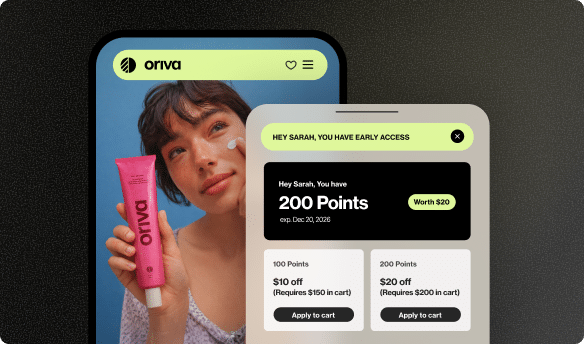
Simply put, these are the rules a store sets up to decide how many points you get every time you spend money with them. It’s like a thank-you system! The more you shop, the more points you might earn, and those points can usually be traded in for cool discounts or free items later. It’s all about making your shopping experience more fun and rewarding, encouraging you to come back again and again.
The Big Idea: Getting Points for Shopping
Imagine you have a favorite toy store online. Every time you buy a new action figure or a board game, the store gives you something extra, like “star coins.” These star coins add up, and once you have enough, you can trade them in for a discount on your next purchase, or even a free toy! That’s the basic idea behind transactional earning rules.
Stores use these rules because they want you to be a happy customer who keeps coming back. Think about it: if you know you’ll get a reward for shopping at one place, wouldn’t you choose that store over another that doesn’t offer anything extra? It makes shopping feel like a win-win situation. You get the items you want, and the store thanks you with points that turn into future savings. It’s a clever way for businesses to show appreciation and build a lasting relationship with you.
How Transactional Earning Rules Work
These rules aren’t just a simple “get one point for every dollar” system, though that’s a common starting point! Stores can get pretty creative with how you earn points. Let’s look at some popular ways these rules come to life.
Simple Points for Every Dollar
The easiest and most common rule is earning a fixed number of points for every dollar you spend. For example, a store might say, “You get 1 point for every $1 you spend.” If you buy a cool new t-shirt for $25, you’ll earn 25 points. If you then buy a pair of shoes for $60, you’ll get 60 more points, bringing your total to 85 points!
This simple system is great because it’s super easy to understand. You always know how many points you’ll get, and you can watch your point total grow with every purchase. It’s a straightforward way for stores to reward every single transaction. Platforms like Yotpo Loyalty help businesses set up these kinds of straightforward earning rules with ease, making sure shoppers automatically get their points.
Bonus Points for Special Purchases
Sometimes, stores want to encourage you to buy certain items or shop during specific times. That’s where bonus points come in! Imagine a store has a new line of fantastic art supplies. To get you excited, they might offer “Double Points on all new art supplies this week!” So, instead of 1 point per dollar, you’d get 2 points per dollar on those special items. A $20 art kit would suddenly earn you 40 points instead of 20.
Other examples could be:
- Triple points during a special holiday sale.
- Extra 100 points if you buy a specific featured product.
- Bonus points when you spend over a certain amount, like “Spend $100, get an extra 50 points!”
These bonus rules are a fun way for stores to highlight new products, clear out older stock, or simply add an extra layer of excitement to your shopping experience. It’s like finding a secret bonus level in your favorite game!
Different Points for Different Customers (VIPs!)
Just like in some games where you level up and get special abilities, many online stores have loyalty tiers. These tiers reward their most loyal customers even more. You might start at a “Bronze” level, then move up to “Silver,” and eventually “Gold” or “Platinum.”
How do these tiers work with earning rules? A Bronze member might earn 1 point per dollar, but a Silver member could earn 1.25 points per dollar, and a Gold member might earn 1.5 points per dollar! This means that Gold members get points much faster for the same amount of spending. It’s a fantastic way for stores to say a big “thank you” to their best customers, making them feel extra special and appreciated.
Becoming a VIP often comes with other perks too, like exclusive early access to sales or special birthday gifts. You can learn more about how these levels work in the best loyalty programs article. These tiered earning rules are a powerful tool for businesses wanting to build strong relationships with their shoppers.
Earning Points for Other Things (Beyond Buying!)
While transactional earning rules focus on what you buy, many smart stores let you earn points for other helpful actions too. It’s not just about spending money; it’s about engaging with the brand and helping them out!
- Leaving Reviews: Did you love that new gadget you bought? Many stores will give you points for sharing your thoughts in a review. Your honest feedback helps other shoppers decide what to buy and helps the store improve. Yotpo Reviews is a fantastic tool that helps businesses gather and display these customer opinions. When you leave a review, you’re not just earning points; you’re also helping a community of shoppers!
- Referring Friends: If you tell a friend about a store you love, and they make a purchase using a special link or referral code, both you and your friend might get bonus points or a discount. It’s like spreading good news and getting rewarded for it!
- Following on Social Media: Sometimes, just following a store on Instagram or Facebook, or signing up for their newsletter, can earn you a few extra points.
- Celebrating Your Birthday: Many loyalty programs give you a special points gift on your birthday, just for being a valued customer!
These non-transactional ways of earning points create a richer, more interactive experience for shoppers. Imagine leaving a helpful review about a product you adore, earning points for it, and then using those points to get a discount on your next purchase. That next purchase then earns you even more points through the transactional rules! It’s a wonderful cycle of engagement and rewards.
Why Are These Rules So Important for Stores?
For businesses, transactional earning rules aren’t just about giving away discounts. They’re a smart strategy to build a successful and lasting relationship with their customers. Here’s why these rules are so vital:
Making Customers Happy and Loyal
Everyone loves to feel appreciated. When a store rewards you for shopping, it makes you feel good. This positive feeling can turn a casual shopper into a loyal fan. Loyal customers are like gold to a business because they keep coming back, often spending more over time. Learning how to keep customers happy and coming back is super important for any online store, and you can explore more about that with customer retention strategies.
Encouraging Repeat Business
The goal of these rules is simple: make you choose that store again next time you need something. If you have points building up, you’re more likely to return to spend them, rather than going to a different store and starting fresh. This focus on getting customers to return is called eCommerce retention, and it’s a huge part of what makes online stores successful. It’s much easier for a store to sell to someone who has already bought from them than to find a brand new customer.
Turning New Shoppers into Loyal Fans
Think about someone who just discovered a new online store. If they have a great first experience and see they can earn points for their purchase, they might be more likely to come back. These rules help turn someone who buys just once into a regular, loyal customer. It’s a way for stores to grow by building a community of shoppers who truly love what they offer. This kind of growth is a key part of the new eCommerce growth model, where keeping customers happy leads to long-term success.
Getting Valuable Information
When you participate in a loyalty program, the store also gets to learn what you like and don’t like. For example, if you often buy books but never clothes, they can send you special offers about books. This helps them offer you things you’ll truly be interested in, making your shopping experience even better. It’s a win-win!
Setting Up Your Store’s Earning Rules
If you were running an online store, how would you decide your transactional earning rules? It might seem a little complicated, but modern tools make it much simpler for businesses to create a rewarding system for their customers.
Businesses need to think about a few things when setting up their rules:
- What’s fair for shoppers? The rules should be easy to understand and make customers feel like they’re getting good value.
- What helps the store? Do they want to sell more of a certain product? Do they want customers to shop more often? The rules can be designed to encourage specific behaviors.
- How will points be redeemed? It’s not just about earning; it’s also about what cool things shoppers can get with their points!
Creating and managing these rules can be a big job. That’s why many online businesses use specialized software like Yotpo Loyalty. This kind of software helps stores design different earning rules, track points for every customer, and even create different VIP tiers. It takes all the hard work out of running a fantastic loyalty program, allowing the store to focus on selling great products and making customers happy.
Here’s a simple example of how a store might structure different earning rules:
| Activity | Earning Rule | Why the Store Uses This Rule |
|---|---|---|
| Spend $1 on any item | 1 point | To reward every single purchase and encourage general shopping. |
| Buy from the “New Arrivals” section | 1.5x points (e.g., $1 = 1.5 points) | To get customers excited about and promote new products quickly. |
| Spend over $75 in one order | Bonus 50 points | To encourage larger purchases and increase average order value. |
| Reach “Gold” loyalty tier | 1.25x points on all purchases | To give exclusive benefits to their most loyal, high-spending customers. |
| Write a product review | 25 points | To gather valuable feedback and build trust with eCommerce product reviews. |
You can see how stores can mix and match these rules to create a unique and exciting loyalty program that works best for their business and their customers. It’s all about making shopping more engaging and rewarding.
How to Make the Most of Your Points
As a shopper, understanding transactional earning rules can really help you get more out of your online purchases. Here are some tips:
- Look for Loyalty Programs: Before you buy from a new store, check if they have a loyalty program. Signing up is usually free and easy, and you’ll start earning points right away.
- Read the Rules: Take a moment to understand how you earn points. Are there bonus points for certain items? Do your points expire? Knowing the rules helps you maximize your earnings.
- Shop Smart: If you need to buy something, and two stores have similar items, choose the one where you can earn more points or that has a loyalty program you’re already part of.
- Engage Beyond Buying: Remember those other ways to earn points? Leave reviews, follow on social media, or refer friends if those options are available. Every point counts!
For store owners, making your rules clear and exciting is key. Think about what makes your customers smile and build those feelings into your earning strategy. A well-designed loyalty program, powered by great tools, can make a huge difference in how much customers love your brand and how often they return.
In the end, transactional earning rules are a fantastic part of online shopping. They turn every purchase into an opportunity to earn rewards, making shopping more like a fun game where you’re always winning something extra. For stores, they’re a powerful way to build strong, happy customer relationships and ensure their business continues to thrive. So, next time you’re shopping online, keep an eye out for those points!










 Join a free demo, personalized to fit your needs