








How does loyalty data enhance personalization?
Imagine a Store That Knows You
Picture this: you walk into your favorite candy store. The person behind the counter smiles and says, “Hey! We just got in those sour gummies you loved last time, and since it’s your birthday month, here’s a little extra treat!” How did they know all that? Because they remember you, what you like, and when your special day is.
In the world of online shopping, it’s a bit harder for stores to remember everyone by heart. That’s where something super smart called loyalty data comes in. It helps online stores understand you almost as well as that candy store owner. And when a store truly understands you, it can make your shopping experience feel magical. This is what we call personalization.
Think about it: wouldn’t it be great if a website showed you clothes in your favorite color or suggested video games for your game console without you even searching? That’s the power of personalization, and loyalty data is the secret sauce that makes it happen. It helps businesses keep their customers happy and coming back for more, leading to better conversion rates and stronger customer relationships.
What Exactly is Loyalty Data?
Loyalty data is like a special collection of information about you and how you interact with a store. It’s not just your name and address; it’s much more interesting! This data helps a brand see what you enjoy, what you buy, and what makes you happy when you shop with them. It’s all about understanding your journey as a customer.
Here are some examples of what loyalty data can include:
- What you buy: Did you purchase a lot of art supplies last month? Or perhaps you love specific types of snacks?
- How often you shop: Are you a frequent shopper or someone who visits once in a while?
- How much you spend: Do you often buy small items, or do you save up for bigger purchases?
- When you shop: Are you a holiday shopper, or do you buy things all year round?
- Which emails you open: Do you click on sale alerts or new product announcements?
- Points you earn and use: If the store has a rewards program, how do you engage with it? (Loyalty programs are excellent for this!)
- Referrals you make: Did you tell a friend about the store and give them a referral code?
This information is gathered whenever you visit a store’s website, make a purchase, or interact with their loyalty program. It’s like the store is taking notes on your preferences so they can serve you better next time. Knowing how to use this data is key to building customer retention.
And What About Personalization?
Personalization means making something just for you, or making it feel like it was made just for you. When a website is personalized, it changes and adapts based on what it knows about you. Instead of showing everyone the exact same thing, it shows you things that are more likely to interest you.
Think of it like getting a custom-made birthday cake versus a generic one from the grocery store. The custom cake has your favorite flavors, colors, and maybe even a special message. That’s personalization!
Why Personalization is a Big Deal
For online stores, personalization is super important for a few reasons:
- It makes shopping easier: You don’t have to search as hard to find what you want. The store helps you discover new favorites.
- It makes shopping more fun: When a store understands your tastes, it feels like they truly get you, making the whole experience more enjoyable. This improves the overall eCommerce customer experience.
- It builds trust: When a store shows you relevant things and remembers your preferences, it shows they care about your individual needs.
- It helps you discover new things: Sometimes, stores can suggest items you might not have known about but end up loving, based on your past choices.
Basically, personalization turns a general shopping experience into one that feels unique and special to you. It’s all about making your online visits feel less like searching through a huge library and more like chatting with a helpful friend who knows your tastes.
How Loyalty Programs Gather This Special Data
Loyalty programs are fantastic tools for collecting loyalty data. They are designed to reward you for being a repeat customer, and in doing so, they gather insights into your shopping habits. Think about a great loyalty program, like those built with Yotpo Loyalty software.
Here’s how these programs work to collect data:
- Signing Up: When you join a loyalty program, you usually share some basic information like your name, email, and maybe your birthday. This is the first piece of the personalization puzzle.
- Earning Points: Every time you make a purchase, you earn points. The system keeps track of what you bought, how much you spent, and when. This builds a history of your shopping preferences.
- Engaging with Rewards: When you redeem your points for discounts, exclusive products, or special experiences, the program learns what kinds of rewards motivate you most. Do you prefer money off your next purchase, or do you save up for something big?
- Beyond Purchases: Many loyalty programs also give you points for other actions, like following the brand on social media, writing a product review, or referring a friend. These actions tell the store more about how you interact with them even when you’re not buying anything. This type of engagement generates valuable user-generated content.
- Tiered Programs: Some programs have different levels, like ‘Silver,’ ‘Gold,’ or ‘Platinum.’ As you move up these tiers by spending more or engaging more, the program recognizes your loyalty and unlocks even more personalized benefits. Understanding these tiers helps businesses create an enterprise loyalty program that caters to all customers.
All these actions contribute to a rich pool of data. This data is not just numbers; it’s a story about what you like, what you value, and how you prefer to shop. This understanding is what allows businesses to build a better experience for you.
Different Kinds of Loyalty Data That Help Businesses
Loyalty data isn’t just one big blob of information. It’s made up of many different types of insights, each telling a unique part of your shopping story. Businesses use these different pieces to paint a full picture of their customers.
| Type of Data | What It Tells the Business | How It Helps Personalize |
|---|---|---|
| Purchase History | What products you’ve bought, how often, and how much you spent. | Recommends similar items, reminds you to reorder, or offers discounts on your favorite categories. |
| Browsing Behavior | Which products you’ve looked at online, how long you stayed on a page, and what you put in your cart but didn’t buy. | Sends reminders about items you’re interested in, or shows you similar products you might like. |
| Reward Activity | How many points you’ve earned, what rewards you’ve redeemed, and which loyalty tier you belong to. | Offers rewards you actually want, celebrates your milestones, or gives you special perks for your loyalty level. |
| Demographic Info | Your age, location, and birthday (if you choose to share it). | Sends birthday treats, informs you about local events or products relevant to your age group. |
| Preference Data | Any specific categories, brands, or styles you’ve indicated you prefer (sometimes collected through surveys or direct choices). | Filters out irrelevant products and focuses on showing you exactly what you’re looking for. |
| Engagement Data | If you open emails, click on links, or interact with the brand on social media. | Knows the best way to communicate with you and what kind of messages you find interesting. |
Each type of data adds another layer to a brand’s understanding of you. The more data they gather through a robust loyalty program, the better they can tailor their messages and offerings, making your experience truly special. This is the core concept behind product loyalty strategies.
Turning Data into Terrific Personalization
Okay, so businesses collect all this loyalty data. But what do they actually do with it? This is where the magic of personalization happens. They use this information to create shopping experiences that feel truly made for you.
Showing You Products You’ll Love
Imagine you just bought a new soccer ball from an online sports store. Based on your purchase history (a key piece of loyalty data), the store might then show you suggestions for soccer cleats, shin guards, or a water bottle. It’s not just guessing; it’s using what it knows about you to make smart recommendations.
This is much better than seeing random items that have nothing to do with your interests. It saves you time and helps you discover things you genuinely need or want. This targeted approach significantly improves the shopping journey.
Sending You Special Messages and Offers
Loyalty data helps businesses send you messages that matter. Instead of getting emails about things you don’t care about, you might receive:
- An email with a special discount on your favorite brand of shoes because you buy them often.
- A “happy birthday” message with a unique gift or discount, because the store knows your birthday.
- An alert when a product you previously looked at (but didn’t buy) goes on sale.
These personalized messages feel much more valuable and less like spam. They make you feel recognized and appreciated as a customer. Brands often use loyalty rewards program software to manage these targeted communications.
Crafting Unique Rewards Just for You
Loyalty programs can use your data to offer rewards that fit your lifestyle. If you often buy pet supplies, your rewards might include a discount on a new pet toy or a free bag of treats. If you love beauty products, perhaps you’ll get early access to a new face cream.
Some loyalty programs even have tiers. For example, a “Gold” member who spends a lot might get free shipping on all orders, while a “Silver” member gets special access to sales. This way, the rewards truly feel like a thank you for your specific level of loyalty.
Making Shopping Super Easy and Fun
Ultimately, personalization powered by loyalty data makes your entire online shopping experience better. Websites might remember your shipping preferences, so you don’t have to enter them every time. They might pre-fill forms with your details, saving you clicks. They might even organize their homepage to show your favorite categories front and center.
This makes shopping feel seamless and enjoyable, almost as if the website is your personal shopper, always ready to help you find exactly what you’re looking for, or something new you’ll adore.
Real-World Ways Loyalty Data Personalizes Your Experience
Let’s look at some clear examples of how businesses use loyalty data to personalize your journey:
- Recommended Products: Have you ever finished buying something online and then seen a section that says “Customers who bought this also bought…” or “You might also like…”? That’s loyalty data at work! It looks at what you (and people similar to you) have purchased to suggest other items.
- Exclusive Offers for Your Loyalty Tier: If you’re part of a loyalty program and reach a “VIP” level, you might get special discounts that aren’t available to everyone else. Your purchase history (part of your loyalty data) shows you deserve that special treatment.
- Birthday Rewards: Many programs collect your birthday information when you sign up. They use this loyalty data to send you a happy birthday message and a special gift or discount, making your day a little sweeter.
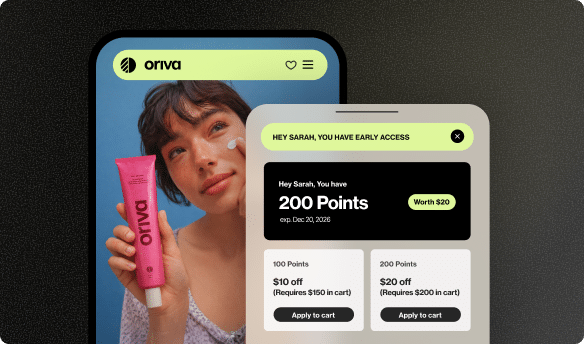
- Early Access to New Products: Very loyal customers, identified by their spending and engagement data, might get an email offering them the chance to buy a brand-new item before it’s released to the general public. This makes them feel valued.
- “We Miss You” Offers: If you haven’t shopped with a brand in a while, your loyalty data (or lack of recent activity) might trigger a special email with a discount, hoping to entice you back.
Each of these examples shows how stores move beyond a one-size-fits-all approach and instead create unique interactions tailored to each customer. It’s about building lasting relationships, not just making a single sale.
More Than Just Purchases: How Reviews Add to the Story
While loyalty programs are fantastic for gathering data about what you buy and how you interact with a brand, there’s another super important piece of the puzzle: what you think and feel about your purchases. This is where customer reviews come in.
When you leave a review for a product, you’re not just helping other shoppers; you’re also giving the brand even more valuable data. This data isn’t about your transaction history, but about your actual experience and satisfaction. This is where tools like Yotpo Reviews shine. They help businesses collect, display, and understand what customers are saying.
Imagine you regularly buy hiking gear. Your loyalty data shows you’re a big fan of outdoor adventures. Now, imagine you write a glowing review for a pair of hiking boots, specifically praising their comfort and grip. This review adds a new layer of understanding:
- Product Preferences: The brand learns not just that you buy hiking boots, but *why* you like a particular pair (comfort, grip). This helps them recommend similar boots or other gear with those same qualities.
- Problem Solving: If you mention a tiny issue in a review (even if you still love the product), it helps the brand understand potential improvements or suggest an accessory that solves that issue for you in the future.
- Deeper Insights: Reviews often contain words and phrases that reveal your interests beyond just the product category. For instance, mentioning you wore the boots on a specific trail gives context to your outdoor hobbies.
By combining this qualitative data from reviews with the quantitative data from loyalty programs, businesses get an incredibly rich picture of who you are and what you care about. This allows for even more precise and thoughtful personalization, leading to an improved eCommerce customer experience.
Putting It All Together: A Smarter Shopping Journey
So, you see how loyalty data is like a treasure map, guiding businesses to create truly personalized shopping experiences. It’s not about being nosey; it’s about making your interactions with online stores more enjoyable, efficient, and relevant to you.
Think about a store using both loyalty rewards data and customer review insights. They know you buy a lot of organic food (loyalty data), and your reviews often praise products for being “sustainable” and “locally sourced.” Now, the store can recommend new organic products that are also sustainable and locally sourced, maybe even offering extra loyalty points if you try them. That’s smart personalization!
The Power of Keeping Customers Happy
When stores use loyalty data to personalize your experience, it creates a cycle of happiness. You feel understood and valued, which makes you want to shop there more often. This means you’re more likely to participate in their loyalty program, leave reviews, and even tell your friends about them (which is fantastic word-of-mouth marketing!).
For businesses, this leads to customers who stick around longer, buy more, and become advocates for their brand. It’s a win-win for everyone.
Building Stronger Connections
Ultimately, loyalty data, when used smartly for personalization, helps businesses build stronger connections with their customers. It moves beyond just a transaction and creates a relationship. You’re not just a number or an order ID; you’re a valued individual with unique tastes and preferences.
Tools like Yotpo’s offerings for loyalty programs and customer reviews are designed to help businesses collect and use this kind of insight effectively. They empower brands to understand their customers better and, in turn, offer them the personalized experiences that truly make a difference.
Final Thoughts: Your Shopping Experience, Tailored Just For You
The next time you visit an online store and see recommendations that seem to read your mind, or receive an email with an offer that feels perfectly suited for you, remember the power of loyalty data. It’s the secret ingredient that transforms a generic shopping trip into a personalized adventure.
By understanding your past choices and preferences, businesses can make your future shopping even better, helping you discover new favorites and making you feel like a truly valued part of their community. It’s all about creating a unique and delightful experience, just for you.










 Join a free demo, personalized to fit your needs