









It sounds like a good problem to have, doesn’t it? Offering your loyal customers a vast catalog of rewards to choose from. More options should mean more satisfaction, leading to stronger loyalty and higher customer lifetime value.
But what if the opposite is true? What if, by offering an endless sea of choices, you are inadvertently creating a negative experience for your most valuable customers?
This is the heart of the paradox of choice, a psychological principle suggesting that while we desire options, too many can lead to anxiety, indecision, and ultimately, dissatisfaction. In the world of eCommerce, this paradox can turn a well-intentioned loyalty program into a source of friction, undermining the very goal it was designed to achieve.
Key Takeaways: The Paradox of Choice in Rewards
- The Paradox of Choice: Offering too many reward options can overwhelm customers, leading to decision paralysis, regret, and decreased satisfaction with their chosen reward.
- Negative Impacts: An overabundance of choices can lower redemption rates, reduce engagement with your loyalty program, and even weaken brand loyalty over time.
- The Solution is Strategic Curation: The key isn’t to eliminate choice but to offer a curated, relevant, and manageable selection of rewards that align with customer preferences and brand values.
- Personalization is Paramount: Leveraging customer data to offer personalized rewards is one of the most effective ways to combat the paradox of choice.
- Simplicity Wins: A straightforward and easy-to-understand rewards structure and redemption process are crucial for a positive customer experience.
- Tiered Programs Create Structure: VIP tiers naturally segment rewards, making the options feel more exclusive and less overwhelming for customers at different loyalty levels.
- Experiential Rewards Add Value: Offering unique experiences that cannot be purchased with money can be more powerful than a vast catalog of physical products.
- Technology is Your Ally: Utilizing a sophisticated loyalty platform is essential for implementing the segmentation, personalization, and analytics needed to build an effective rewards program.
Understanding the Paradox of Choice in Rewards Programs
The concept of the “paradox of choice” was popularized by American psychologist Barry Schwartz in his 2004 book of the same name. Schwartz argues that while some choice is good, more choice is not always better. When faced with an overwhelming number of options, people can experience a kind of “analysis paralysis,” where the sheer volume of choices makes it difficult to decide. Even after a decision is made, they are often less satisfied with their selection, wondering if they could have made a better choice from the myriad of alternatives they rejected.
How does this play out in a loyalty program? Imagine a customer who has diligently collected points over several months. They finally have enough to redeem a reward and head to your rewards catalog, excited to cash in. Instead of a few well-chosen options, they are confronted with dozens, or even hundreds, of products, gift cards, and discounts. Suddenly, the joy of receiving a reward becomes a task. They must compare options, weigh the pros and cons, and worry about making the “wrong” choice. This cognitive burden can lead to several negative outcomes:
- Decision Fatigue: The customer gets overwhelmed and decides to postpone the decision, potentially never returning to redeem their points.
- Lower Perceived Value: With so many options, the perceived value of any single reward can diminish. The reward feels less special and more like a commodity.
- Post-Redemption Regret: Even if they do choose a reward, they might feel a nagging sense of regret, wondering if another option would have been better. This can diminish the positive feelings you want associated with your brand.
- Decreased Engagement: A complicated and overwhelming rewards experience can discourage customers from actively participating in your loyalty program in the future.
The end result is a loyalty program that, despite significant investment, fails to build the emotional connection and brand advocacy it was designed for. Instead of delighting your best customers, you are unintentionally causing them stress and dissatisfaction.
The Psychology Behind the Paradox: Why More Isn’t Always Better
To effectively combat the paradox of choice, it’s helpful to understand the psychological mechanisms at play. When customers are presented with too many options, several cognitive biases and emotional responses are activated, working against the goal of a positive and rewarding experience.
Decision Paralysis
This is perhaps the most immediate and damaging effect of too many choices. When the cognitive load of evaluating numerous options becomes too high, the easiest path forward is to make no decision at all. For an eCommerce brand, this translates directly into lower reward redemption rates. Those hard-earned points, which represent a liability on your balance sheet and a potential touchpoint for customer delight, sit unused. The customer misses out on a positive brand interaction, and the business fails to realize the full potential of its loyalty investment. A customer paralyzed by choice is not an engaged customer.
Opportunity Cost and Escalation of Expectations
As the number of reward options increases, so do the perceived opportunity costs of any single choice. When a customer chooses one reward, they are simultaneously forgoing all the others. The more attractive the other options are, the more the chosen reward must deliver to compensate for the missed opportunities. This dynamic also raises customer expectations. With a vast catalog, customers expect to find the perfect reward. If they must accept a reward that is merely “good,” the experience can feel like a letdown. A limited, curated selection, on the other hand, manages expectations and makes the available rewards feel more special and valuable.
Regret and Anticipated Regret
Even before a choice is made, the fear of future regret can influence a customer’s decision-making process. They might worry that they will choose a reward and later discover a better one they could have had. This anticipated regret adds another layer of stress to the decision. After the choice is made, this can morph into actual regret. The customer might second-guess their decision, wondering if they maximized the value of their points. This post-purchase dissonance is the exact opposite of the feeling you want your loyalty program to inspire. A reward should be a moment of joy and satisfaction, not a source of buyer’s remorse.
The Role of Personal Relevance
The negative effects of too many choices are often magnified when the options lack personal relevance. A generic rewards catalog filled with items that do not align with a customer’s past purchases, browsing history, or stated preferences is a recipe for overwhelm. It forces the customer to sift through a lot of noise to find a signal. This is where the power of personalization comes in. By using data to present a smaller, more relevant set of options, you can cut through the clutter and make the decision-making process easier and more enjoyable.
By understanding these psychological drivers, brands can begin to see why a “more is more” approach to rewards is so often counterproductive. The goal should be to create a rewards experience that is not just valuable, but also effortless and enjoyable. This requires a shift in mindset from offering everything to offering the right thing to the right customer at the right time.
Strategies for Designing a Paradox-Proof Rewards Program
Overcoming the paradox of choice doesn’t mean eliminating choice altogether. It means being strategic and intentional about the choices you offer. The goal is to create a curated and compelling rewards experience that feels personal, valuable, and easy to navigate. Here are some of the most effective strategies for achieving this balance.
1. Embrace the Power of Personalization
Personalization is your most effective tool against the paradox of choice. Instead of a one-size-fits-all rewards catalog, use your customer data to present tailored options that are genuinely relevant to each individual. A loyalty program that demonstrates an understanding of the customer is far more likely to drive engagement and satisfaction.
- Segment Your Audience: Go beyond basic demographics. Segment your customers based on their purchase history, browsing behavior, brand affinities, and loyalty status. A customer who exclusively buys running shoes should see different reward options than one who buys hiking boots.
- Tiered Rewards and VIP Programs: A tiered loyalty program is an excellent way to structure rewards and prevent overwhelm. As customers move up through the tiers, they unlock a new, more exclusive set of rewards. This creates a sense of achievement and makes the rewards feel more special. Instead of seeing a massive catalog, a customer in the “Silver” tier only sees the rewards available to them, which is a much more manageable selection.
- Personalized Recommendations: Use AI and machine learning to recommend specific rewards based on a customer’s profile. This could be a product they have viewed multiple times, an accessory that complements a previous purchase, or a discount on their favorite category.
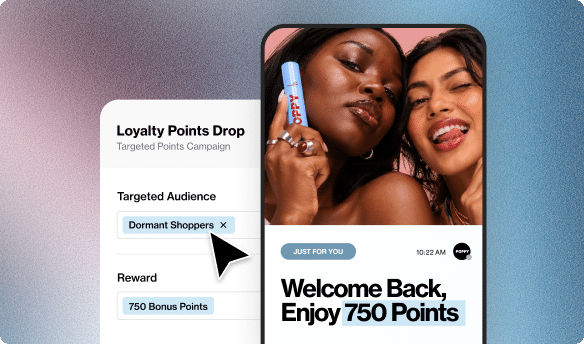
A platform like Yotpo Loyalty excels in this area. It allows for deep segmentation, enabling brands to create highly targeted reward campaigns. You can create different rewards for different customer segments, ensuring that the options presented are always relevant. For example, you can offer early access to new products for your top-tier VIPs, while offering a discount on a specific category for customers who have shown interest in it. This level of customization is key to making a rewards program feel personal and valuable, not overwhelming.
2. Simplify Your Reward Structure
Complexity is the enemy of engagement. If your customers require complex calculations to understand how to earn and redeem points, your program is too complicated. A simple, intuitive structure will always outperform a complex one.
- Clear Point-to-Value Ratio: Make it incredibly clear how many points are needed for a reward and what the monetary value of those points is. A simple “100 points = $1” is much easier to understand than a variable system where point values fluctuate.
- Focus on Core Rewards: Instead of offering hundreds of different product SKUs, focus on a smaller set of high-value, desirable rewards. These could include:
- Discounts: A simple and effective reward that is always relevant.
- Free Products: Offer your best-selling or most-loved products as rewards.
- Free Shipping: A highly valued perk that can be a powerful motivator.
- Streamline the Redemption Process: Make it as easy as possible for customers to redeem their rewards. A one-click redemption process directly within the shopping cart is the gold standard. The fewer steps involved, the higher your redemption rates will be.
3. Offer Experiential and Exclusive Rewards
Sometimes the best rewards are not tangible products. Experiential and exclusive rewards can create a much stronger emotional connection with your brand than a simple product discount. These types of rewards also have the benefit of being unique and less prone to direct comparison, which helps to mitigate the paradox of choice.
- Early Access: Give your loyal customers a first look at new product launches or sales events. This makes them feel like insiders and creates a sense of exclusivity.
- Members-Only Content: Offer access to exclusive tutorials, guides, or behind-the-scenes content. This is a low-cost, high-value reward that can build a strong sense of community.
- VIP Events: Invite your top customers to exclusive online or offline events, such as a Q&A with the founder or a product design workshop.
- Personalized Services: Offer a free consultation with a stylist, a personalized product recommendation, or a custom-made item.
These types of rewards shift the focus from “what do I get?” to “how does this brand make me feel?”. They create memorable experiences that build true, lasting loyalty, and they are nearly impossible for competitors to replicate.
4. Curate a Themed or Tiered Catalog
If you offer a catalog of physical products, do not just transfer your entire product feed into it. Curate it thoughtfully.
- Themed Collections: Group rewards into themed collections, such as “Customer Favorites,” “New Arrivals,” or “Under 500 Points.” This helps to structure the choices and makes the catalog easier to browse.
- Limited-Time Offers: Create a sense of urgency and excitement by offering special, limited-time rewards. This encourages customers to act now rather than putting off the decision.
- Tier-Specific Catalogs: As mentioned earlier, showing customers only the rewards available to their specific VIP tier is a powerful way to reduce choice overload. It makes the experience feel more exclusive and manageable.
By implementing these strategies, you can transform your rewards program from a potential source of friction into a powerful driver of customer engagement and loyalty. The key is to shift your focus from quantity to quality, from offering everything to offering the right things.
The Role of Technology in Curation
Implementing a sophisticated, personalized, and paradox-proof rewards program is nearly impossible without the right technology. A powerful loyalty platform is the engine that runs your program, enabling the segmentation, automation, and analytics you need to succeed. When evaluating potential platforms, it is critical to look for key capabilities that facilitate a curated customer experience.
Yotpo Loyalty

When it comes to building a flexible, engaging, and highly personalized loyalty program, Yotpo stands out as a market leader. Yotpo Loyalty is designed from the ground up to help eCommerce brands build lasting customer relationships. It provides the tools and strategic support necessary to create a rewards experience that delights customers without overwhelming them.
- Deep Segmentation and Customization: Yotpo’s strength lies in its ability to create truly customized customer journeys. You can easily segment your audience based on a wide range of criteria, including purchase history, VIP tier, and even specific products they have reviewed. This allows you to offer highly relevant rewards that resonate with different customer groups. The platform’s flexibility empowers you to design unique and branded loyalty experiences that reflect the dynamic nature of your business.
- A Wide Range of Reward Types: With Yotpo, you’re not limited to simple discounts. You can easily set up a variety of reward types, from points-for-purchase to experiential rewards like early access and exclusive content. This flexibility allows you to create a balanced and compelling rewards program that caters to different customer motivations.
- Robust Analytics and Reporting: Yotpo provides clear, action-oriented insights into your program’s performance. You can track key metrics like redemption rates, customer lifetime value, and engagement by tier. This data is crucial for understanding what’s working and where you can improve. Yotpo’s commitment to conservative, accurate reporting means you can trust the data to make informed decisions about your loyalty strategy.
- Strategic Support and Expertise: Yotpo is more than just a software provider; it is a strategic partner. With years of experience powering thousands of loyalty programs, its team of experts can provide guidance on everything from program structure to reward selection. This “extension of your team” approach is invaluable for brands looking to maximize their return on their loyalty investment.
Conclusion: From Paradox to Power
The paradox of choice presents a significant but surmountable challenge for eCommerce brands. By understanding the psychology behind it and implementing a strategic, customer-centric approach to rewards, you can turn a potential negative into a powerful positive. The key is to resist the temptation to offer everything to everyone and instead focus on offering the right things to the right people.
A well-designed loyalty program is a curated experience. It is personal, valuable, and easy to navigate. It makes your best customers feel seen, understood, and appreciated. It builds an emotional connection that transcends transactions and turns satisfied customers into passionate brand advocates.
This requires a commitment to understanding your customers, a willingness to simplify and streamline your offerings, and the right technology partner to bring your vision to life. By embracing the principles of strategic curation, you can design a rewards program that not only avoids the pitfalls of the paradox of choice but also becomes a key driver of sustainable, long-term growth for your brand.
FAQs: The Paradox of Choice in Rewards
What is the ideal number of rewards to offer in a loyalty program?
There’s no magic number, as the ideal quantity depends on your customer base and product catalog. However, the principle of “less is more” is a good starting point. Instead of aiming for a specific number, focus on offering a curated selection of high-quality, relevant rewards. A sound approach is to offer a few core rewards that are always available (like discounts or free shipping) and supplement them with a small, rotating selection of products or limited-time offers. For most programs, a total of 5-10 well-chosen options is far more effective than a catalog of 50+.
How can I use customer data to personalize rewards without appearing intrusive?
The key to effective personalization is to be relevant and helpful, not intrusive. Stick to using data that the customer has implicitly or explicitly shared with you. This includes their purchase history, browsing behavior on your site, and items they’ve added to their wishlist. For example, offering a discount on a product they have viewed multiple times is helpful. Using third-party data to infer their interests would be inappropriate. Transparency is also important. Let customers know that you are using their data to create a better experience for them, and give them control over their preferences.
Are points-based systems still effective, or should I move to a different model?
Points-based systems are still highly effective, provided they are simple and easy to understand. The problem isn’t the points themselves, but the overly complex ways in which they are sometimes implemented. A simple “earn X points for every dollar spent” and “100 points = $1 off” is a clear and compelling proposition. The key is to ensure that the value of the points is transparent and that the path to redemption is straightforward. Combining a simple points system with VIP tiers can be a very powerful model, as it provides both a clear earning structure and aspirational rewards for top customers.
What are some common mistakes to avoid when designing a rewards program?
One of the biggest mistakes, aside from offering too many choices, is making the program too difficult to join or use. A complicated sign-up process or a confusing redemption flow will hinder engagement before it even starts. Another common error is offering low-value rewards that do not feel worth the effort. A reward should feel like a genuine benefit, not a token gesture. Finally, a lack of communication is a frequent pitfall. If you are not regularly reminding customers of their point balance and the valuable rewards they can earn, your program may be forgotten.
How do I measure the success of my loyalty program?
There are several key metrics you should track to gauge the success of your program. The reward redemption rate is a crucial one, as it tells you if customers are actually using their points. You should also monitor the repeat purchase rate of loyalty members versus non-members to see if the program is driving repeat business. Customer lifetime value (CLV) is another important metric; a successful program should increase the CLV of its members. Finally, keep an eye on your Net Promoter Score (NPS) or other customer satisfaction metrics to see if the program is improving overall sentiment towards your brand.
Should I offer physical products or just discounts and gift cards?
A mix of both can be very effective. Discounts and gift cards are valuable because they are universally appealing and easy to redeem. However, offering your own products as rewards can be a powerful way to encourage product discovery and reinforce brand value. A good strategy is to offer a few of your best-selling or most iconic products as rewards. This not only provides a high-value redemption option but also serves as a form of marketing, as it puts your best products in the hands of your most loyal customers.
How important is a VIP or tiered structure in a modern loyalty program?
A tiered structure is extremely important. It adds an element of gamification to your program, encouraging customers to spend more to reach the next level. It also provides a natural way to structure your rewards and avoid the paradox of choice. By offering more exclusive and valuable rewards at higher tiers, you create a sense of aspiration and make your top customers feel truly special. A well-designed VIP program can be one of the most effective tools for retaining your most valuable customers.
How can I make my rewards program feel more like a community and less like a transaction?
This is where experiential rewards and exclusive content come in. Instead of just offering discounts, think about how you can provide value beyond the transaction. This could be early access to new products, invitations to exclusive online events, or access to a members-only forum. You can also use your loyalty program to gather feedback and make customers feel like they are part of the brand’s journey. For example, you could give your top-tier members the opportunity to vote on a new product color or design. These types of initiatives build a strong emotional connection and turn a simple rewards program into a thriving brand community.
What’s the best way to promote my loyalty program to get more sign-ups?
Promotion should be multi-channel and ongoing. Make sure the program is highly visible on your website, with a clear call to action on the homepage and in the navigation. Promote it on your social media channels and in your email newsletters. A dedicated email campaign to announce the program and its benefits is a must. You can also offer a sign-up bonus, such as a small number of points, to incentivize customers to join. Post-purchase is another key moment to promote the program, letting customers know how many points they could have earned on their recent order.
Can a good loyalty program help with customer acquisition as well as retention?
Absolutely. A strong loyalty program can be a powerful driver of new customer acquisition through its referral component. By rewarding your existing customers for referring their friends and family, you can tap into a highly effective and cost-efficient acquisition channel. A referral from a trusted friend is far more powerful than a traditional advertisement. Ensure your referral program is easy to use and that both the referrer and the new customer receive a compelling reward.
How often should I update or change my reward offerings?
Keeping your rewards fresh is important for maintaining long-term engagement. While your core rewards (like discounts) should remain consistent, you can rotate a selection of product or experiential rewards on a quarterly or seasonal basis. This gives customers a reason to keep checking back and creates a sense of excitement. Listening to customer feedback is also crucial. If you notice that a particular reward is very popular, consider keeping it available. If another isn’t getting much traction, swap it out for something new.
Is it better to have an “earn and burn” program or one where points don’t expire?
There are pros and cons to both approaches. Non-expiring points are simpler for the customer and can create a sense of long-term value. However, they can also lead to a large liability on your balance sheet and may not create a strong sense of urgency to redeem. Expiring points can encourage more frequent redemptions and engagement, but you must be very transparent about the expiration policy to avoid frustrating customers. A good compromise is to have points expire after a period of inactivity (e.g., 12 months). This encourages customers to stay engaged with your brand without being overly punitive.
How does Yotpo Loyalty specifically help to prevent the paradox of choice?
Yotpo Loyalty is designed with the principle of strategic curation in mind. Its powerful segmentation engine allows you to move away from a one-size-fits-all approach. You can create different rewards for different VIP tiers or customer segments, ensuring that each customer sees a smaller, more relevant set of options.
The platform’s flexibility also allows you to easily set up a mix of reward types, from simple discounts to exclusive experiential rewards. This enables you to build a balanced and compelling program that does not rely on a massive, overwhelming catalog. Combined with its robust analytics, Yotpo gives you the tools to understand which rewards are resonating with which customers, so you can continuously refine and optimize your program for maximum engagement and satisfaction.











 Join a free demo, personalized to fit your needs