








In today’s competitive e-commerce landscape, capturing customer attention is an immense challenge. With customer acquisition costs (CAC) steadily climbing, driving qualified traffic to an online store has become an increasingly expensive effort. This environment requires a strategic shift from the constant, costly pursuit of new buyers to the intentional cultivation of the customers you already have. This is where rewards program software becomes not just a helpful tool, but an essential engine for sustainable growth.
Key Takeaways
- Retention is the New Growth: With rising customer acquisition costs, focusing on retaining existing customers is the most reliable path to profitability for e-commerce brands.
- Loyalty Drives Key Metrics: A well-executed rewards program directly boosts critical metrics like Customer Lifetime Value (LTV), Average Order Value (AOV), and purchase frequency.
- Software is the Engine: Modern rewards program software provides the necessary tools to create, manage, and measure sophisticated loyalty and referral programs that go far beyond simple points systems.
- Strategy Matters More Than a Tool: The most successful programs come from a combination of flexible technology and expert strategic guidance. A partner-first approach helps tailor a program to your unique brand and customers.
Why Customer Loyalty is Critical for E-commerce Growth
For years, the primary metric for e-commerce success was growth, often measured by the volume of new customers. The digital marketplace, however, has matured. Advertising space is more crowded, and evolving consumer privacy standards have made hyper-targeted ads more complex. This new reality demands a more durable strategy, one built on the foundation of customer loyalty.
The Soaring Cost of Customer Acquisition
Acquiring new customers is more expensive than ever. Relying solely on an acquisition-first model leads to diminishing returns, as brands spend more to attract shoppers who may only make a single purchase. A retention-focused strategy addresses this challenge by maximizing the value of each customer you’ve already earned.
The Economic Power of Retention
The data is clear: investing in customer retention provides a far greater return than a singular focus on acquisition. Here’s how a strong loyalty strategy positively affects your bottom line:
- Increased Customer Lifetime Value (LTV): Loyal customers buy more often and stick around longer, which dramatically increases their LTV. A well-designed rewards program gives them compelling reasons to keep coming back.
- Higher Average Order Value (AOV): When customers are close to reaching the next reward tier or earning a specific perk, they are often motivated to spend more per transaction to unlock that benefit.
- Improved Profit Margins: Retaining a customer is significantly more cost-effective than acquiring a new one. Shifting budget from expensive acquisition channels to efficient retention initiatives directly improves profitability.
- Powerful Word-of-Mouth Marketing: A satisfied, loyal customer is your best marketing asset. An effective rewards program, especially one with a referral component, transforms your customer base into a powerful and authentic sales force.
Ultimately, true loyalty is about forging a genuine connection. A rewards program is a tangible way to show gratitude and make customers feel like valued insiders, strengthening the bond that turns a one-time buyer into a lifelong advocate.
What is Rewards Program Software?
At its core, rewards program software is the technology platform used to create, manage, and measure customer loyalty initiatives. Modern rewards software is a sophisticated system designed to track customer behavior, automate engagement, and provide deep insights into the factors that drive repeat business.
Its flexibility allows you to build various program types tailored to your brand, including:
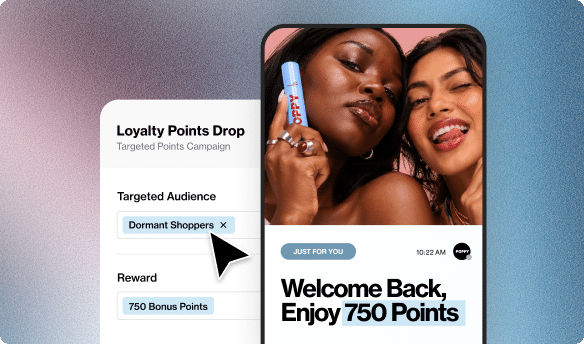
- Points-Based Programs: Customers earn points for purchases and other actions, which they can redeem for discounts or products. Its simplicity makes it easy for customers to understand and engage with.
- Tiered Programs: Customers unlock increasingly valuable benefits as they spend more, gamifying the experience and encouraging higher lifetime value.
- VIP & Paid Programs: These programs create exclusivity for top customers or offer significant, immediate benefits to members who pay a recurring fee.
- Referral Programs: This powerful feature rewards existing customers for bringing in new ones, formalizing word-of-mouth marketing and lowering acquisition costs.
Essential Features in Rewards Program Software
When evaluating software options, it’s important to focus on the core capabilities that enable a flexible, effective, and measurable program.
- Customization & Branding: Your loyalty program should be a seamless extension of your brand. The software must allow full customization of the branding, language, and design of all customer-facing elements.
- Flexible Earning & Redemption Rules: Look for software that provides granular control over how customers earn points and redeem rewards. You should be able to incentivize a wide range of actions and offer a diverse catalog of rewards.
- VIP Tiers & Management: The software should simplify the process of defining tiers, setting entry criteria, and automating the movement of customers between levels based on their activity.
- Integrated Referral Marketing: A built-in referral module is far more efficient than integrating a separate tool. Ensure the software can generate unique referral links and track the entire process automatically.
- Robust Analytics & Reporting: The software must provide a clear dashboard with key performance indicators (KPIs) like program ROI, repeat purchase rate, and member spend versus non-member spend.
A Closer Look at Yotpo Loyalty

A successful loyalty program requires both powerful technology and a clear strategy. Yotpo Loyalty is engineered around this principle, guiding brands through every stage of creating a sophisticated and profitable loyalty program.
1. Strategic Design & Customization
Yotpo helps you avoid launching a generic program by pairing you with a dedicated Customer Success Manager (CSM). Your CSM helps you design a program unique to your business and goals. The platform itself offers deep flexibility to create a distinct loyalty experience with fully branded on-site modules and custom rewards that go beyond simple discounts.
2. Defining Earning & Spending Rules
Yotpo provides a comprehensive menu of out-of-the-box campaigns to reward customers for actions like:
- Making a purchase
- Creating an account
- Celebrating a birthday
- Writing a product review (a key synergy with Yotpo Reviews)
- Following on social media
- Referring friends
You can configure rewards as percentage discounts, fixed dollar amounts, free shipping, or even free products.
3. Implementing VIP Tiers That Drive Engagement
Yotpo’s VIP tier system is designed to maximize customer motivation. You can set clear entry criteria based on spending, points earned, or number of purchases. Once established, the system automates the entire process, moving customers between tiers and assigning new benefits accordingly.
4. Leveraging Powerful Referral Marketing
Yotpo Loyalty includes a built-in referral marketing engine. This is a core component of the product, designed to make it simple for your best customers to become brand advocates. You can customize rewards for both the advocate and their referred friend, and the platform tracks the entire journey automatically.
5. Measuring Success with Accurate Reporting
Yotpo Loyalty provides an intuitive analytics dashboard with clear, conservative reporting. Key metrics available at a glance include:
- Program ROI: See a clear calculation of the revenue generated.
- Member vs. Non-Member Analysis: Compare the AOV, purchase frequency, and LTV of members against non-members to prove the program’s value.
- Top Performing Campaigns: Identify which earning rules and rewards are resonating most with your customers.
Actionable Best Practices for Your Rewards Program
Launching your program is just the first step. To ensure it thrives, you must manage it proactively.
- Ensure Simplicity and Clarity: Your program’s value must be immediately clear. Use simple language to explain how to earn points and what the rewards are.
- Promote Your Program Everywhere: Don’t hide your loyalty program in your website’s footer. Promote it actively through homepage banners, email campaigns, and social media.
- Offer Aspirational and Attainable Rewards: Your rewards catalog should have something for everyone. Include low-threshold rewards for quick gratification and high-value, aspirational rewards to encourage long-term loyalty.
- Incorporate Experiential Benefits: The most memorable rewards are often experiential. Consider offering perks like early access to new products or invitations to exclusive online events.
- Continuously Analyze and Optimize: Use your software’s analytics to monitor performance regularly. Pay attention to which rewards are most popular and use this data to test new offerings.
Conclusion
In an e-commerce environment defined by rising acquisition costs, focusing on customer retention is the most reliable path to profitable growth. Rewards program software is the cornerstone of a modern retention strategy, providing the tools to systematically increase customer lifetime value, boost order value, and build a thriving community of brand advocates.
By moving beyond simple transactions to create a program that genuinely recognizes your best customers, you can build the kind of loyalty that drives sustainable success. A strategic platform like Yotpo Loyalty provides not only the advanced technology to build a sophisticated program but also the expert guidance needed to ensure it delivers measurable results.
Frequently Asked Questions
How much does a rewards program typically cost?
The cost varies widely depending on the software provider and the features you need. Some platforms offer basic plans for smaller businesses, while enterprise-level solutions have custom pricing. Remember to factor in both the software subscription and the cost of the rewards themselves when budgeting.
How do I measure the ROI of my loyalty program?
Reputable software should provide a built-in ROI calculator. Generally, you measure ROI by tracking the revenue generated directly from reward redemptions and the increased spending from program members, then comparing that to the total cost of the program (software fees plus the value of redeemed rewards).
Should my rewards program be free or paid?
For most e-commerce brands, a free-to-join program is the best way to maximize enrollment and engagement. Paid or “VIP” programs, like Amazon Prime, can work well but require offering substantial, immediate value to justify the upfront cost for customers.
What are some common mistakes to avoid when launching a loyalty program?
The biggest mistakes are making the program too complicated, not promoting it enough, and offering rewards that don’t align with what your customers actually want. A “set it and forget it” approach also fails; programs need ongoing analysis and optimization.
How long does it take to see results from a loyalty program?
You can see initial results like enrollment and engagement within the first few weeks. However, the most significant impacts on metrics like customer lifetime value and repeat purchase rate typically become clear after 6-12 months as you collect more data.
Can a loyalty program work for a small business?
Absolutely. Loyalty programs are highly effective for small businesses because they help you build a strong community and compete against larger retailers on something other than price. A well-run program can turn your best customers into vocal advocates.
What’s the difference between a loyalty program and a referral program?
A loyalty program rewards customers for their own continued engagement with your brand (e.g., making purchases, writing reviews). A referral program specifically rewards customers for bringing new customers to your brand. The best software solutions, like Yotpo Loyalty, integrate both into a single, seamless system.
How do I get customers to sign up for my rewards program?
Promote it across all your marketing channels! Use homepage banners, dedicated emails, social media posts, and post-purchase pages. Offering a small sign-up bonus (e.g., 50 free points) is a great way to incentivize immediate enrollment.
What are experiential rewards and why are they important?
Experiential rewards are non-monetary perks like early access to new products, invitations to exclusive events, or a personal note from the founder. They are important because they create an emotional connection and offer value that competitors can’t easily replicate.
How can integrating reviews with my loyalty program help?
Integrating reviews and loyalty creates a powerful cycle. With a solution like Yotpo, you can automatically reward customers with loyalty points for writing a review. This incentivizes them to create valuable social proof, which in turn helps convert new shoppers. A review from a “Gold Tier VIP” also carries more weight and trust.
Can I customize the look and feel of my loyalty program?
Yes, leading platforms offer extensive customization. Your program should feel like a natural extension of your brand, not a third-party add-on. Look for software that allows you to control the branding, colors, language, and design of all on-site elements.
How do I prevent fraud in my referral program?
Good referral software has built-in fraud prevention measures. This includes tracking IP addresses to prevent self-referrals, requiring a minimum purchase amount from the new customer, and adding a delay before rewards are issued to account for potential returns.
Should rewards points expire?
This is a strategic choice. Point expiration can create a sense of urgency and encourage customers to redeem their rewards. However, it can also create a negative experience if not communicated clearly. Many brands opt for a policy where points don’t expire as long as the customer makes at least one purchase within a year.











 Join a free demo, personalized to fit your needs