








Customer retention isn’t a secondary optimization task anymore. It’s the core driver of sustainable ecommerce margins. As acquisition costs climb, high-growth brands are shifting their attention to the customers they already have.
That shift starts with a simple question: how do you turn an occasional, transactional buyer into someone who actually sticks around? Customer rewards software is the foundation for that work. Pick the right platform and you build a real engine for repeat purchases and lifetime value. Pick the wrong one and you end up with a widget nobody uses.
Key Takeaways
- Marketers are shifting budgets fast, putting a majority of total marketing budgets toward loyalty and CRM channels.
- Loyalty programs pay off, with a majority of loyalty program owners reporting a positive ROI, averaging a 5.3x return.
- Digital experience expectations are high: 77% of Millennials say an efficient digital experience matters when they engage with brand rewards.
- Returning customers are worth more per visit, spending 3x more per visit than first-time buyers.
- Personalization drives participation, and 62% of Gen Z consumers say they’re willing to share personal preferences in exchange for customized rewards.
What Does Customer Rewards Software Actually Do?
Modern loyalty programs have moved well past the plastic punch cards of the past. Today they work as data-driven engines that shape customer behavior across every touchpoint a shopper has with your brand, from the first purchase to the tenth.
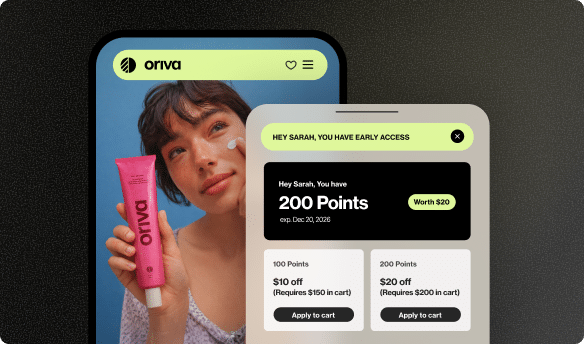
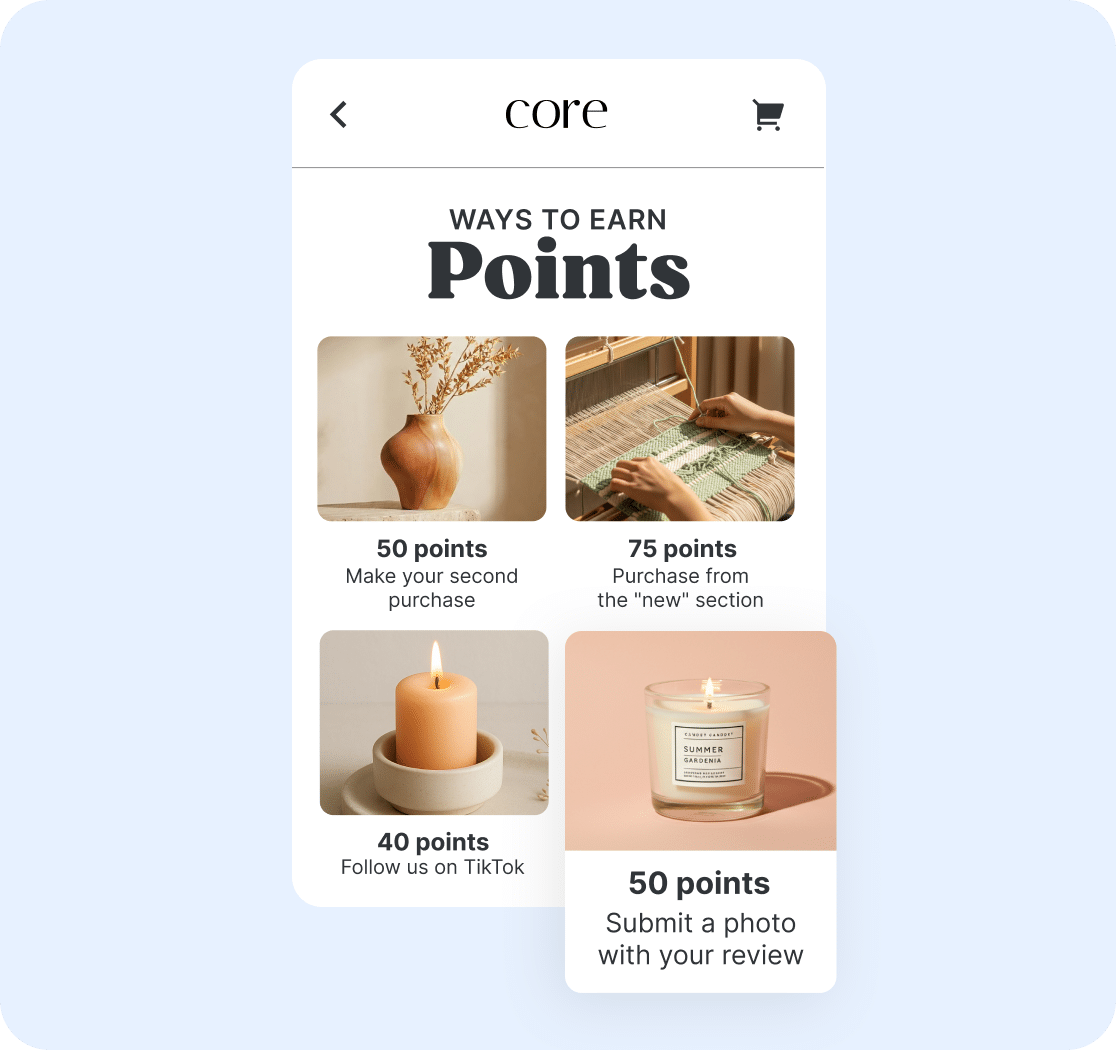
At its core, rewards software tracks what a customer does, whether that’s a purchase, a product review, a social share, or a friend referral, and converts that action into points, perks, or status. The software then manages redemption, so a shopper can turn accumulated points into a discount, a free product, or early access to a new drop.
Most platforms also layer in VIP tiers, which move a customer up a ladder of increasing benefits as their spend or engagement grows.
The economics behind this are hard to ignore. 60% of DTC brand revenue comes directly from returning customers, yet plenty of brands still don’t build a structured path to bring shoppers back. They lean on expensive, one-off acquisition campaigns instead, and that gets more costly every quarter.
When a brand builds tiered pathways for repeat behavior, a transaction turns into an ongoing relationship instead of a one-time checkout. A standard points-for-dollars swap alone won’t hold anyone’s attention for long. What keeps people coming back is a program that feels personal, recognizes milestones, and gives early access to things that matter to that specific shopper.
That continuous engagement cycle is what separates the brands that outperform their category. The average merchant sees a 25-30% repeat customer rate, while top performers using dedicated rewards software push past 40%. Getting that second purchase matters more than people think, since a second transaction makes a third purchase 45% more likely (and each additional purchase compounds lifetime value further).
What to Look for in Customer Rewards Software
Once you know you need a rewards platform, the harder question is which capabilities actually matter for your business. Here’s what to weigh as you evaluate options for a fast-growing or mid-market brand.
- Points and earning flexibility. Can the platform award points for more than just purchases? Look for support for reviews, social engagement, referrals, and account milestones, not just a single dollars-to-points formula.
- Tiered VIP structures. Does it let you build multi-tier programs that reward higher-spending customers with real, exclusive perks? A flat program treats your best customers the same as a one-time buyer, which wastes your biggest growth lever.
- Analytics depth. Can you see redemption velocity, tier progression, and loyalty-driven revenue in one place? Sign-up counts alone tell you almost nothing about whether a program is working.
- Integration with your stack. Does the platform connect cleanly to your reviews software, customer service desk, and messaging channels? A rewards program that sits in isolation can’t deliver the personalized experience today’s shoppers expect.
- Customization without a developer queue. Can your team build and update a branded loyalty page without filing a ticket every time? Speed matters, especially during a seasonal campaign.
- Omnichannel support. Does the platform work across web, mobile, and in-store, if that applies to your business? A program that only works online misses real purchase behavior for brands with physical retail.
- Support model. Do you get a dedicated team to help design and optimize the program, or are you on your own after setup? Most in-house marketing teams don’t have the bandwidth to run ongoing loyalty experiments solo.
The Core Features Worth Weighing
Points and Earning Rules
The earning engine is the heart of any rewards program. A flexible system lets you reward more than just checkout spend: a product review, a social share, a birthday, a referral. The wider the range of actions you can reward, the more ways you have to keep a customer engaged between purchases.
VIP Tiers and Status
Tiers give customers a reason to spend more, not because they need another product, but because they want the status and perks that come with the next level. Progressive benefits, like early access, exclusive products, or free shipping, turn a purchase into a milestone worth chasing.
Referral Programs
Referrals turn existing customers into an acquisition channel. When a rewards platform automates the sharing link, tracks the referred purchase, and pays out both sides automatically, referrals become a steady, low-cost source of new customers instead of a manual, occasional campaign.
Does Native Reviews Integration Matter?
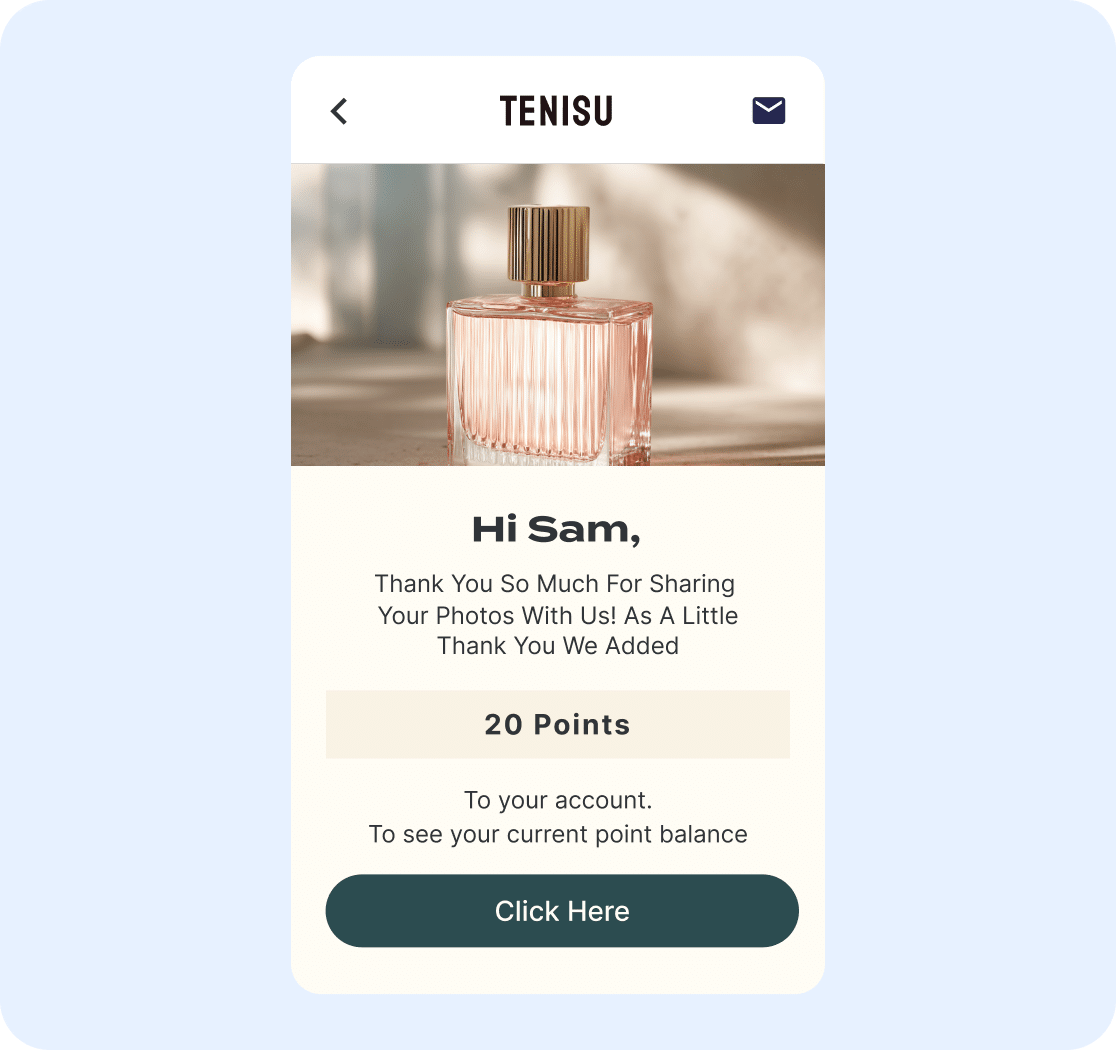
Rewarding customers for leaving a review does two things at once. It gives shoppers a reason to submit feedback, and it builds a library of authentic reviews that helps convert future buyers. A platform that connects loyalty and reviews natively saves you from stitching two separate tools together by hand.
Analytics and Measurement
You can’t improve a program you can’t measure. Dashboards that show points redemption, tier movement, and loyalty-driven revenue let your team see what’s actually working, rather than guessing based on member count alone.
Build vs. Buy: Why Most Brands Choose a Dedicated Platform
Some engineering teams look at a rewards program and think, why not just build it ourselves? A basic points system sounds simple on paper: track purchases, assign a point value, let customers redeem. The reality is more complicated once you get past the first version.
A homegrown system needs ongoing maintenance every time you add a new earning rule, launch a new tier, or want to connect loyalty data to a new channel. Your engineering team ends up maintaining a piece of retention infrastructure instead of building the product features that actually differentiate your brand. Fraud prevention alone is a meaningful lift. Without rate limiting and abuse detection, a referral program can get drained by bots or coordinated abuse within weeks of launch.
Dedicated rewards platforms have already solved these problems at scale, across thousands of brands and millions of transactions. That’s not a small thing. A platform vendor has seen edge cases, from double-redemption attempts to tier-calculation bugs during high-volume sale events, that an internal team won’t encounter until it’s already a production incident. For most ecommerce brands, the math favors buying: the subscription cost is usually smaller than the engineering time required to build and maintain a comparable system in-house, and the vendor keeps improving the product while your team focuses elsewhere.
The exception is a handful of very large enterprises with unique data models or highly custom rules that no off-the-shelf platform can support. Even then, most of those teams still buy a platform’s API and analytics layer rather than build reward logic from scratch.
How Yotpo Loyalty Fits Into This
Yotpo Loyalty is built for mid-market and enterprise ecommerce brands that want more than a plug-and-play widget. It’s a strategic retention platform for brands designing multi-tiered, highly personalized loyalty and referral programs at scale. The platform has been powering programs since 2016, and in 2024 alone it launched 24,000 programs and supported 4,600 global brands.
What sets it apart is the pairing of a strong points-and-tiers engine with dedicated human support. Brands get a customer success manager who helps with program onboarding, design iteration, and ongoing optimization, so a small marketing team isn’t running loyalty experiments alone.
Yotpo Loyalty connects natively with the rest of the Yotpo platform. Reviews collected through Yotpo Reviews can automatically trigger loyalty points, which turns everyday customer feedback into a retention loop instead of a one-off request. SMS and Email campaigns can trigger off loyalty milestones, so a customer sitting five points from their next reward gets a nudge at exactly the right moment. Subscriptions and loyalty can work together too, rewarding recurring customers for the commitment they’ve already made.
Notable Capabilities
- Builds fully custom loyalty pages that match your brand identity, without a developer bottleneck.
- Lets you configure VIP tier structures with progressive benefits, product unlocks, and early access.
- Surfaces five specialized analytics views covering rewards, VIP tiers, referrals, points, and generated revenue.
- Rewards customers automatically for reviews submitted through Yotpo Reviews.
- Pairs your program with a dedicated customer success team that acts like an extension of your marketing department.
- Connects to SMS, Email, and Subscriptions so loyalty data flows into the channels you already use.
- Gives your team one unified view of the customer, so support and marketing see the same loyalty status and history.
Pricing: Custom enterprise pricing, available on the Yotpo pricing page.
This combination, a flexible engine plus native integration plus dedicated support, is built for brands that have outgrown a bare-bones points widget and need a partner, not just software.
How to Choose the Right Customer Rewards Software for Your Stack
Picking the right platform comes down to understanding your brand’s operational scale and long-term retention goals. An underpowered tool caps your growth. An overbuilt one leaves you paying for features nobody on your team ever touches.
Picture a CMO at a mid-size cosmetics brand, still at her desk at 9 PM, toggling between a dashboard showing acquisition costs climbing and a spreadsheet showing a flat repeat-purchase rate. The pattern is clear enough: the brand has outgrown its basic rewards widget, and the fix starts with understanding how customer data actually flows through the organization, not just adding another point-earning rule.
Start by mapping how a loyalty program would connect to your existing marketing stack. A rewards program that runs in isolation can’t deliver the personalized, cross-channel experience shoppers expect today. When loyalty data feeds directly into email, SMS, and support tools, the effect compounds: a support agent can see a shopper’s tier the moment they open a ticket, and an automated email can fire the instant a customer is five points from their next reward.
The goal is a single, unified view of every shopper, so your team can treat a returning customer like a VIP instead of a stranger who happens to be buying again.
Don’t underestimate the value of human strategic support in this process, either. Plenty of brands buy loyalty software and then discover they don’t have the internal bandwidth to design, launch, and test redemption campaigns on their own. Partnering with a provider that includes dedicated strategic support, like the customer success model behind the Yotpo team, keeps a program adapting to changing customer behavior instead of going stale after launch.
What a Rollout Actually Looks Like
A typical implementation starts with mapping your current customer journey and deciding which actions should earn points. From there, most teams build out tier structure and rewards catalog, connect the platform to reviews, email, and SMS, and run a soft launch to a segment of existing customers before a full rollout. Expect a few weeks of iteration after launch. Early redemption data almost always surfaces a reward or tier threshold worth adjusting.
How Much Should You Budget?
Cost varies widely based on order volume, feature depth, and whether you need dedicated strategic support. Smaller, self-serve tools can run in the low hundreds per month. Platforms built for mid-market and enterprise brands, with dedicated support and deeper integrations, typically move to custom pricing based on program scope. The right way to think about budget isn’t the sticker price. It’s the expected lift in repeat purchase rate and lifetime value against the program’s cost.
Common Mistakes to Avoid When Launching a Program
A handful of mistakes show up again and again once you look across enough loyalty launches. Knowing them ahead of time saves months of trial and error.
- Launching with only one earning action. A program that only rewards purchases misses the chance to reward reviews, referrals, and social engagement, all of which build the same repeat-purchase habit without needing a sale first.
- Setting tier thresholds too high. If almost nobody reaches your top tier, the aspirational pull disappears. Look at your actual customer spend distribution before you set thresholds, not an arbitrary round number.
- Treating the loyalty page as a set-and-forget asset. Programs that get revisited quarterly, with new rewards, refreshed messaging, and seasonal pushes, keep outperforming programs that launch once and never change.
- Ignoring the redemption experience. A confusing checkout flow for applying points or claiming a reward kills participation even when the underlying program is well designed. Test the redemption path the way a real customer would.
- Not connecting loyalty to other channels. A program that lives only on a standalone loyalty page, disconnected from email, SMS, and customer service, misses most of the moments where a nudge would actually change behavior.
What Does Success Actually Look Like?
Most brands see participation climb steadily in the first two to three months after launch, then plateau unless the program keeps evolving. The real signal to watch isn’t sign-ups. It’s the gap between your repeat purchase rate before launch and after, measured over a full quarter to account for seasonality. A well-run program should also show a widening gap between the average order value of loyalty members and non-members over time, since members with real reasons to keep engaging tend to spend more per visit, not just more often.
“Loyalty is no longer a set-it-and-forget-it widget. It’s a strategic lever that needs continuous iteration, deep cohort analysis, and native integration across your entire marketing stack to drive real customer lifetime value.”
Ben Salomon, Growth Marketing Manager at Yotpo
Frequently Asked Questions
What is customer rewards software?
Customer rewards software is ecommerce technology that helps brands build loyalty programs, referral systems, and VIP tiers. It tracks shopper behavior automatically, awards points or perks, and manages redemption at checkout.
Why does customer loyalty matter for ecommerce?
Acquiring new customers keeps getting more expensive, so cultivating the customers you already have is essential. Returning customers spend more per transaction and convert at a higher rate, which makes them the main driver of long-term profitability.
How do VIP tiers help loyalty programs succeed?
VIP tiers motivate shoppers to spend more by offering increasingly exclusive benefits as they cross higher spending thresholds. That gamified structure builds an emotional connection and turns high-spending buyers into long-term advocates.
Can you award points for product reviews?
Yes. Leading platforms let you award loyalty points when a customer submits product feedback. Connecting your rewards platform to your reviews software is a reliable way to generate authentic customer voices while boosting retention at the same time.
What’s the average return on investment for loyalty programs?
Most loyalty program owners report strong financial outcomes. A well-run program typically returns several times its cost once the active member base grows and repeat-purchase revenue compounds, though the exact multiple depends on program design, order volume, and how tightly loyalty is wired into your other channels.
How does customer rewards software handle referrals?
Rewards software automates the referral process by generating unique sharing links for existing members. When a referred friend completes their first purchase, the software awards points or discounts to both the advocate and the new buyer automatically.
Does rewards software work for omnichannel brands?
It depends on the platform. If you sell online and in-store, or plan to expand into a headless or multi-platform setup, look for a provider with broad API support and real omnichannel tracking rather than a tool built for a single sales channel.
What metrics should you track to measure loyalty program success?
Key metrics include points redemption rate, customer lifetime value, VIP tier progression speed, and repeat purchase frequency. Tracking these on a dedicated analytics dashboard helps you see whether a program is driving real retention, not just accumulating sign-ups.










 Join a free demo, personalized to fit your needs