









Think about the last time you walked into your favorite local coffee shop. The barista didn’t just ask “what do you want?”; they likely asked if you wanted “the usual.” That moment of recognition—of being known—is what builds loyalty. For a long time, e-commerce struggled to replicate that human connection, treating every visitor like a stranger. Artificial Intelligence has finally bridged that gap. It’s not just about algorithms or futuristic tech; it’s about scaling that “barista moment” to millions of visitors simultaneously, ensuring every shopper feels like your most important customer.
Key Takeaways: Tips for AI eCommerce Personalization
- Personalization Drives Revenue: AI-powered personalization isn’t just an add-on; it directly impacts your bottom line. Statistics show that 71% of consumers expect companies to deliver personalized interactions, and companies that grow faster drive 40% more of their revenue from personalization than their slower-growing counterparts.
- It’s More Than Just a Name: True AI personalization extends far beyond using a customer’s first name in an email. It involves using machine learning to understand individual behavior and serve dynamic content in real-time.
- Data is the Fuel: Effective AI personalization requires high-quality customer data. First-party data from reviews and loyalty programs is your most valuable asset here.
- CX is the New Battlefield: Modern shoppers expect a complete experience. AI helps you deliver that by personalizing on-site search, support, and the post-purchase journey.
- Implementation is a Process: Don’t overhaul everything at once. Define clear goals, start with high-impact projects like product recommendations, then test and iterate.
What is AI eCommerce Personalization (And Why Does It Matter)?
Let’s break this down. We have all seen personalization in some form. But what makes the “AI” part so different? As Amit Bachbut, a noted e-commerce expert, points out, “We have moved past the age of simple segmentation into the era of the algorithmic merchant. AI now allows brands to treat every single customer as an audience of one, reacting to their needs before they even articulate them.”
Defining the Terms: AI, eCommerce, and Personalization
- eCommerce: Your digital storefront.
- Personalization: Tailoring an experience to an individual’s specific needs, much like a skilled barista who remembers your regular order.
- Artificial Intelligence (AI): The “how.” AI, and specifically machine learning (ML), analyzes massive amounts of data to make predictions or decisions without being explicitly programmed for every scenario.
Combine them, and AI eCommerce personalization is the practice of using AI technologies to automatically analyze customer data and deliver unique, real-time shopping experiences for every single visitor.
Moving Beyond Basic Segmentation
For years, marketers have used segmentation—grouping customers based on broad characteristics (e.g., “Men over 30 in California”). While better than mass marketing, it remains a one-to-many approach.
AI personalization enables 1:1 personalization. The system learns about a customer as an individual. It sees their browsing history, past purchases, and price sensitivity, then customizes the website for them in real-time. He isn’t just part of a segment; he’s an audience of one.
The Core Benefits: Boosting Sales and Enhancing CX
Why is this investment so critical? The benefits are twofold and feed directly into each other.
It Boosts Your Sales:
- Higher Conversion Rates: When you show people products they’re genuinely interested in, they are far more likely to buy.
- Increased Average Order Value (AOV): Smart AI recommendations like “Frequently Bought Together” are incredibly effective at upselling and cross-selling.
- Reduced Cart Abandonment: AI can predict if a shopper is at risk of abandoning their cart and trigger a personalized pop-up with a relevant offer.
It Enhances Your Customer Experience (CX):
- Reduced Friction: Personalization makes shopping easier. Customers find what they want faster.
- Builds Emotional Connection: When a brand consistently understands a customer’s needs, it builds trust.
- Increases Customer Lifetime Value (CLV): Happy customers who feel understood are more likely to become loyal advocates.
Statistics That Show the Power of Personalization
The numbers don’t lie. Brands that invest in AI personalization are winning.
- 71% of consumers expect companies to deliver personalized interactions.
- Companies that excel at personalization generate 40% more revenue from those activities than average players.
- [suspicious link removed] that recognize, remember, and provide relevant offers and recommendations.
How AI Powers eCommerce Personalization
The term “AI” can seem abstract. Let’s examine how it functions in practice using several powerful technologies working in concert.
Machine Learning: The Engine of Personalization
Machine learning (ML) is the heart of AI. In eCommerce, ML algorithms feed on a constant stream of customer data—clicks, views, purchases—to build recommendation engines.
- Collaborative Filtering: Recommends items based on what similar people liked (e.g., “People who bought these shoes also bought these socks”).
- Content-Based Filtering: Recommends items based on attributes and your past preferences (e.g., “You bought blue shirts, here is a blue polo”).
- Hybrid Models: The most advanced systems combine both methods to provide deeply accurate recommendations.
Predictive Analytics: Anticipating Customer Needs
This is where AI gets really smart. Instead of just reacting to what a customer has done, predictive analytics forecasts what they are likely to do next. It identifies shoppers who are at risk of churning, likely to buy if given a small discount, or “high-value” shoppers who should be nurtured.
Natural Language Processing (NLP)
NLP allows AI to understand human language. This powers Smarter Search (understanding intent like “shoes for bad knees” rather than just keywords) and Feedback Analysis (reading thousands of reviews to detect sentiment trends without manual effort).
Computer Vision: Personalizing with Visual Data
Computer vision allows AI to “see” and interpret images. This powers Visual Search (uploading a photo to find products) and Style-Based Recommendations (analyzing visual styles like “minimalist” or “floral” to suggest matching items).
Best 5 Tips for AI-Powered Personalization Strategies
Understanding the technology is the first step. Applying it strategically is what drives results. Here are the 5 best tips to implement.
1. Personalized Product Recommendations
This is the most common and arguably highest-impact strategy. Don’t just show “Top Sellers” to everyone. Use AI to power dynamic recommendation carousels.
- Homepage: Show “Recommended For You” based on past browsing.
- Product Pages: Use “Frequently Bought Together” or “Complete the Look” to cross-sell.
- Cart Page: Offer “Last-Minute Add-Ons” relevant to items in the cart (e.g., batteries for a toy).
2. Dynamic Content and On-Site Personalization
Static homepages are a missed opportunity. With AI, you can ensure that no two customers see the exact same page. Dynamic content means changing the entire web page based on who is viewing it.
- Homepage Banners: If a visitor has previously browsed women’s shoes, show them the new women’s collection.
- Offers: Greet logged-in VIP members with “Welcome Back! Here’s your exclusive offer.”
- Content: Feature blog posts relevant to their reading history.
3. Personalized Search Results
A generic search experience is frustrating. AI ensures you give the right answer by understanding typos and intent. Crucially, it personalizes the ranking of results. A loyal VIP who buys luxury items should see high-end results first, while a bargain hunter should see sale items first—even if they both search for the same term.
4. Personalized Offers and Pricing
Move beyond generic, site-wide promotions. AI allows you to deliver targeted offers that maximize profit. You can identify price-sensitive shoppers and offer them a small discount to convert, while avoiding giving discounts to shoppers who would have bought at full price. This protects your margins while driving volume.
5. AI-Driven Loyalty and Post-Purchase Retention
Your job isn’t done when the customer clicks “buy.” AI helps personalize the crucial retention phase.
- Post-Purchase: AI can trigger personalized follow-ups, such as replenishment reminders (“Running low on vitamins?”) or “How-to” guides for complex products.
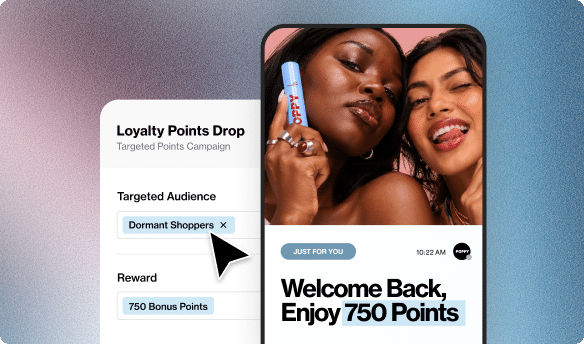
- Smart Loyalty: Instead of generic rewards, AI analyzes customer history to offer personalized incentives—like double points on specific categories they love—to drive repeat purchases.
Leveraging Customer Data: The Fuel for AI
Data is the fuel for AI personalization. Your models need a rich, diverse diet of data to make accurate predictions.
- Behavioral Data: What they do (pages viewed, time on page, clicks).
- Transactional Data: What they buy (purchase history, AOV, returns).
- Demographic Data: Who they are (location, age).
The Importance of First-Party Data
With the phasing out of third-party cookies, first-party data—data you collect directly with consent—is your most important asset. Your website, customer reviews, and loyalty program are first-party data goldmines that allow you to build models your competitors can’t match.
Data Privacy and Ethics
Data collection is linked to privacy. Be transparent about what you collect and why. Give customers control over their data, and ensure you provide clear value (a better experience) in exchange for their information.
AI in Action: Chatbots and Virtual Assistants
Modern AI chatbots have evolved far beyond the frustrating scripts of the past.
- 24/7 Support: Answer common questions instantly without human agents.
- Personal Shopping: Act as a personal shopper (e.g., “I’m looking for a gift for a gardener”) and recommend products based on top-rated reviews and inventory.
How Yotpo Uses AI to Drive Personalization

To truly scale personalization, you need tools that turn data into action. Yotpo leverages AI across its platform to enhance both trust and retention. With Yotpo Reviews, AI-powered “Smart Prompts” analyze past review data to suggest topics for new reviewers, a feature proven to be 4x more likely to capture high-value topics than standard forms.
Furthermore, this fresh stream of unique content helps feed Large Language Models (LLMs), increasing the likelihood of your brand appearing in AI Overviews and AI search. On the retention side, Yotpo Loyalty uses AI-driven data to create granular segments, allowing you to offer hyper-personalized rewards—like a special gift for your “At-Risk” VIPs—ensuring every customer feels recognized as an individual.
Implementing an AI eCommerce Strategy
Getting started can feel overwhelming. Take a methodical approach.
- Define Your Goals: Be specific (e.g., “Increase AOV by 15% via recommendations”).
- Audit Your Data: Ensure your eCommerce platform, reviews, and loyalty program are connected.
- Start Small: Launch one high-impact project, like product recommendations.
- Test and Iterate: Run A/B tests to see what works best.
- Measure Success: Track Conversion Rate, AOV, CLV, and Cart Abandonment.
Challenges and Limitations
AI is powerful, but not magic. Be aware of the “Creepiness Factor”—ensure your personalization feels helpful, not intrusive. Also, remember that AI needs human oversight. It’s a tool to augment your team, not replace them. You still need human strategists to set the direction and ensure the brand voice remains authentic.
The Future of AI in eCommerce
This is just the beginning.
- Hyper-Personalization: Creating a completely unique, continuous customer journey for every individual.
- Voice and Visual Search: Brands will need to optimize product data for AI to “read” and “see” it.
- AI as Co-Pilot: AI will handle routine tasks, freeing humans to focus on creative strategy and complex relationships.
Conclusion
AI eCommerce personalization is no longer optional; it is the new standard. Customers expect it, and the data proves it boosts sales. You don’t have to do it all at once. Start by leveraging the first-party data you already have in your reviews and loyalty programs, and use AI to build smarter, faster, and more customer-centric experiences.
FAQs: Tips for AI eCommerce Personalization
What is AI eCommerce personalization?
AI eCommerce personalization is the use of artificial intelligence and machine learning to analyze customer data (like browsing history and past purchases) to deliver unique, tailored shopping experiences to each individual in real-time.
How does AI improve customer experience?
It makes shopping frictionless by providing relevant recommendations, personalized search results, and 24/7 support via chatbots, ensuring customers find what they want faster and feel valued.
What are examples of AI personalization?
Common examples include “Recommended For You” carousels, “Frequently Bought Together” bundles, dynamic website banners, and personalized email offers based on past behavior.
Can small businesses use AI?
Yes. Many best-in-class solutions, like Yotpo, have powerful AI features built-in (like sentiment analysis and smart segmentation), allowing small businesses to leverage personalization without a data science team.
What data is needed?
First-party data is critical. This includes behavioral data (clicks, views), transactional data (purchases), and demographic data. Data from reviews and loyalty programs is especially valuable.
How does AI help with product recommendations?
AI analyzes a customer’s history and compares it to thousands of other shoppers to predict what they are most likely to buy next, powering “You Might Also Like” suggestions.
What is the difference between personalization and segmentation?
Segmentation groups people into broad buckets (e.g., “Women over 30”). AI personalization works on a 1:1 level, tailoring the experience to the specific individual based on their unique real-time behavior.
How can AI personalize reviews?
AI can analyze thousands of reviews to generate concise summaries for shoppers. It can also use smart prompts to ask reviewers specific questions, generating richer content.
How does AI improve loyalty programs?
AI allows for deep segmentation, helping brands identify “at-risk” customers or “rising stars” and offer them personalized rewards or tiers that actually motivate them to stay.
How do you measure ROI?
Track metrics tied to your goals: Conversion Rate, Average Order Value (AOV), Customer Lifetime Value (CLV), and Cart Abandonment Rate.
Can AI personalize the experience for anonymous visitors who haven’t logged in?
Yes. “Session-based” AI analyzes real-time behaviors like mouse movement, clicks, and active time on specific pages. Even if you don’t know the visitor’s name, the AI can infer their intent (e.g., “looking for winter gear”) and adjust the homepage banners or product recommendations within that same session.
How does AI handle new products that have no sales history (the “Cold Start” problem)?
Advanced AI uses “content-based filtering.” It analyzes the attributes of the new product (color, material, price point, category) and recommends it to shoppers who have shown a preference for similar attributes in other products, ensuring new inventory doesn’t get buried.
Does dynamic, personalized content hurt my SEO rankings?
Generally, no. Search engine bots usually see the “default” version of a page. However, using AI to generate fresh, relevant content—like AI-powered review summaries—can actually boost your visibility in modern search results, specifically AI Overviews, by providing the rich, structured data that Large Language Models (LLMs) favor.
How can I ensure my AI strategy complies with privacy laws like GDPR and CCPA?
Focus on first-party data. Instead of relying on third-party tracking cookies (which are being phased out), build your AI strategy around data customers willingly give you—like review responses, loyalty program participation, and quiz answers. Always state clearly in your privacy policy how this data is used to enhance their experience.
Will using AI replace the need for my human merchandising team?
No. AI is a tool for scale, not strategy. While AI handles the heavy lifting of sorting thousands of SKUs for millions of visitors, your merchandising team is still needed to set the high-level strategy, curate specific collections for brand campaigns, and override AI decisions during specific events (like a major collab launch).
How does AI help with “subscription fatigue” or churn?
AI is excellent at predicting the exact moment a customer is likely to churn based on their purchase cadence. It can trigger a preemptive action—such as offering a “skip a month” option or a personalized loyalty perk—before the customer even clicks “cancel,” significantly improving retention rates.
Can B2B eCommerce brands benefit from these AI strategies?
Absolutely. B2B buyers often have complex needs and repeat purchase patterns. AI can automate reordering prompts (“Time to restock?”) and personalize catalog views so a buyer only sees products relevant to their specific industry, streamlining the wholesale buying process.
How does AI identify “high-quality” reviews for display?
Natural Language Processing (NLP) analyzes the text of reviews to identify those that are specific, detailed, and cover key topics (like fit, quality, or durability). It can prioritize displaying these helpful reviews over generic “Great product!” comments, helping undecided shoppers make purchase decisions faster.
How long does it typically take to see ROI from implementing AI features?
This varies, but many brands see results from features like personalized product recommendations within 30-60 days. Because AI learns from data, the results often improve over time—the more traffic and interactions the system analyzes, the smarter and more profitable the predictions become.
Do I need a custom-built AI solution, or are apps sufficient?
For 99% of brands, off-the-shelf apps are the superior choice. Building a proprietary AI engine requires massive resources and data science teams. Best-in-class apps (like those for reviews and loyalty) come with pre-trained models that have learned from billions of data points, allowing you to plug into enterprise-grade AI immediately.











 Join a free demo, personalized to fit your needs