








What is User Persona?
Imagine you’re trying to pick out the perfect birthday present for your best friend. You wouldn’t just grab any toy off the shelf, right? You’d think about what they like: their favorite colors, their hobbies, what makes them laugh, and what they already have. You know them so well that you can almost guess what they’d want. That’s a bit like what a “user persona” is for businesses, but for their customers instead of a best friend.
A user persona is like creating a make-believe, detailed picture of a typical customer. It’s not a real person, but it’s based on lots of information about real people who use a company’s products or services. Think of it as a helpful guide that helps companies understand who they are trying to reach and what those people really need or want. It helps businesses talk to their customers in a way that truly makes sense to them.
Why Are User Personas So Important?
You might be wondering, why go through all the trouble to invent a make-believe person? Well, understanding your customers is super important for any business, big or small. Just like knowing your friend helps you pick a good gift, knowing your customer helps a company create better products, write more helpful messages, and even decide what new things to offer. It’s all about making sure the business is doing things that their actual customers will love.
- Better Products: If you know your imaginary customer, ‘Savvy Shopper Sam,’ cares a lot about eco-friendly packaging, you’ll make sure your products come in recyclable boxes.
- Smarter Marketing: If you know ‘Busy Parent Pam’ mostly shops late at night after the kids are asleep, you’ll send her helpful messages then, instead of during her busy workday.
- Improved Experience: Knowing ‘Gaming Guru Gary’ loves quick and easy ways to find new games means your website will be designed to be super simple to navigate.
When companies use user personas, they’re not just guessing anymore. They’re making choices based on real insights into what makes their customers tick. This leads to happier customers and, in turn, a more successful business. It’s like having a superpower that lets you see inside your customers’ minds!
How Do Companies Create User Personas?
Creating a user persona isn’t about sitting down and making up a story. It’s actually a bit like being a detective! Companies gather clues and facts about their real customers. They look at different types of information to build these detailed profiles. Here’s how they do it:
1. Gathering Clues from Real Customers
The first step is to collect lots of information. Businesses look at things like:
- Who buys their products? Are they mostly young people, older adults, parents, or students?
- What do they do for fun? What are their hobbies or interests?
- What problems do they need solved? What challenges do they face that the product might help with?
- How do they shop? Do they prefer shopping online, in stores, or both? Do they read reviews before buying?
- What makes them happy or frustrated?
One fantastic way businesses get this information is by listening to their customers. Tools like Yotpo Reviews collect feedback from people who have actually used a product. Imagine a customer saying, “I love this toy, but I wish it came with clearer instructions!” That’s a valuable clue for a user persona. Or another might say, “I always look at what other people are saying before I buy anything.” This kind of honest feedback helps build a clearer picture of different customer types.
Companies also look at how people interact with their websites and apps. They might see which pages people visit most, what they click on, or how long they stay. This tells them a lot about what catches people’s attention and what might be confusing.
2. Finding Patterns and Creating a Picture
Once all the clues are gathered, companies look for patterns. Do many of their customers like the same types of things? Do they have similar problems? When they find these common threads, they start to group people together. Each group then becomes the basis for a new user persona.
For example, a company selling pet supplies might notice that one group of customers always buys organic food and fancy toys for their dogs, while another group focuses on practical, long-lasting items for their cats. These could become two different personas: ‘Eco-Conscious Dog Owner Emily’ and ‘Practical Cat Parent Paul.’
What Goes Inside a User Persona?
So, you’ve gathered all the clues and found your patterns. Now it’s time to build the persona! Each user persona gets a name, a photo (a stock photo, not a real person!), and a detailed story. Here are some common things you’d find in a user persona profile:
| Persona Element | What It Means | Example for “Savvy Shopper Sam” |
|---|---|---|
| Name & Photo | Gives the persona a relatable identity. | Sam, a young person with a friendly face. |
| Demographics | Basic facts like age, job, where they live. | Age: 28, Job: Graphic Designer, Lives in a city apartment. |
| Personality & Habits | Are they careful, impulsive, busy, social? | Tech-savvy, loves exploring new trends, always looks for good deals. |
| Goals & Motivations | What do they want to achieve? What drives them? | Wants to buy high-quality products without overspending. Motivated by value and lasting items. |
| Frustrations & Pain Points | What challenges or problems do they face? | Hates confusing websites, poor customer service, or products that don’t last. |
| Shopping Preferences | How do they like to shop? Online or in-store? | Prefers online shopping, especially stores with clear product descriptions and customer reviews. |
| Quotes | A made-up quote that sums up their attitude. | “I always read reviews before I buy anything to make sure I’m getting the best deal.” |
Putting all this information together helps everyone in a company remember who they are designing for. It keeps the customer at the center of every decision. Knowing what frustrates someone like Sam, for instance, means the company can work hard to make sure their experience is smooth and enjoyable.
User Personas and How Businesses Grow
Once a business has these clear pictures of their different customer types, they can use them in many smart ways to grow and improve. It’s not just about making products; it’s about building strong relationships with customers, making them happy, and keeping them coming back for more.
Improving the Customer Journey
Think about a customer’s journey: from first hearing about a product to buying it, using it, and maybe even telling their friends about it. User personas help businesses understand what each step of this journey looks like for different people. For example, ‘New Explorer Nancy’ might need lots of clear information and helpful guides when she first encounters a product, while ‘Loyal Larry’ might just want quick access to new arrivals or special deals.
Understanding these different needs helps businesses create a smoother, more enjoyable path for everyone. This can lead to a better customer experience and a higher chance that customers will make a purchase. It’s about meeting people exactly where they are in their shopping adventure.
Building Trust and Loyalty
When a company consistently creates products and experiences that perfectly match what their personas need, customers feel understood. This builds trust. When customers trust a brand, they are more likely to become loyal customers. Loyalty means they don’t just buy once; they keep coming back again and again.
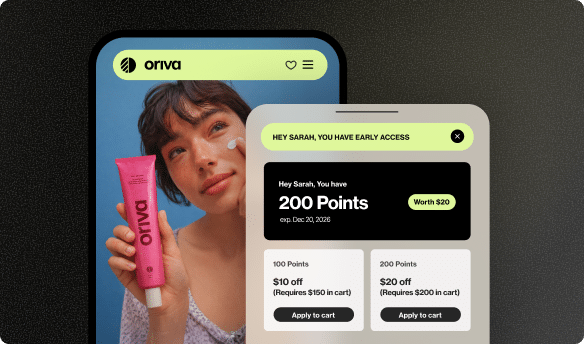
Loyalty programs, like those offered by Yotpo Loyalty, are a great way to reward these valued customers. By understanding user personas, businesses can design loyalty programs that truly excite their specific customer types. For ‘Deal Hunter Dave,’ points for every purchase might be a big motivator. For ‘Community Carla,’ exclusive access to new products or a special birthday gift might be more appealing. Personalizing these rewards based on persona insights makes the loyalty program much more effective and special.
Knowing your personas helps tailor these programs, offering relevant rewards that really resonate. This is how businesses encourage customer retention – keeping those customers happy and engaged for a long time.
Making Smarter Marketing Choices
User personas are also a secret weapon for marketing teams. Instead of sending the same message to everyone, they can craft messages that speak directly to each persona. If ‘Fitness Fanatic Fred’ is concerned about natural ingredients, ads can highlight that aspect. If ‘Budget Bella’ is looking for the best price, marketing can focus on value.
This targeted approach is much more effective than a one-size-fits-all message. It means customers receive information that is relevant and interesting to them, which makes them more likely to pay attention and make a purchase. It also helps companies figure out the best places to share their messages – whether it’s on a social media site that ‘Trendy Tina’ uses or a forum that ‘Techie Tom’ frequents.
By using customer insights to inform marketing, businesses can also encourage more user-generated content (UGC). When customers feel understood and happy, they are more likely to share their experiences, photos, and videos with others. This authentic content is gold for building trust and attracting new customers who see real people enjoying the products.
Keeping Personas Fresh
Just like people change over time, so do customer needs and preferences. What ‘Eco-Conscious Emily’ cared about last year might be different this year. That’s why businesses don’t just create personas once and forget about them. They regularly check back, collect new feedback, and update their personas to make sure they are always accurate and helpful.
This ongoing process of listening and learning is key to staying connected with customers. Customer feedback, especially through product reviews and Q&A features, provides a constant stream of new insights. Reviews on platforms like Yotpo Reviews are not just about stars; they’re packed with words that reveal how customers feel, what they like, and what they hope for in the future. This data is invaluable for keeping personas up-to-date and relevant.
Putting It All Together
So, a user persona isn’t just a fun exercise; it’s a powerful tool that helps businesses truly understand the people they serve. By creating these detailed, make-believe customer profiles based on real information, companies can:
- Design products and services that meet actual needs.
- Create marketing messages that resonate with different groups.
- Build loyalty and keep customers happy for a long time.
- Improve the overall customer experience, making shopping and interacting with the brand more enjoyable.
It’s all about empathy – putting yourself in your customer’s shoes. When businesses understand their customers deeply, they can make better decisions, leading to success for the company and happiness for the people who choose their products. It’s a win-win situation!
Tools like Yotpo Reviews and Yotpo Loyalty play a big part in this understanding. Reviews provide the honest feedback that helps paint a clear picture of customer desires and concerns. Loyalty programs, when built with persona insights, ensure that customers feel valued and keep coming back. Together, these tools help businesses listen, learn, and grow, creating a wonderful experience for every ‘Savvy Shopper Sam’ and ‘Loyal Larry’ out there.










 Join a free demo, personalized to fit your needs