








What is the Goal-Gradient Effect?
Imagine you’re on a fun journey, like walking to a friend’s house for a playdate. When you first start, it might feel like a long way, right? But as you get closer and closer, maybe you can see their house or hear their laughter, you suddenly feel a burst of energy! You might even speed up or feel super excited. That wonderful feeling, that extra push you get when you’re almost at your finish line, has a special name: the Goal-Gradient Effect. It’s a clever way of saying that the closer we get to something we want, the more motivated we become to reach it! This idea helps us understand why we act the way we do, especially when we’re trying to achieve something.
How Does the Goal-Gradient Effect Work?
Your brain is always looking for ways to feel good and accomplish things. When you set a goal, your brain makes it a priority. As you work steadily on the task and see the finish line getting closer, something interesting happens inside your head. Your brain releases feel-good chemicals. These chemicals make you feel more energized and determined. It’s like getting a little internal high-five that tells you to keep going!
The Power of Getting Closer
The core of the Goal-Gradient Effect is this feeling of nearness and progress. It’s not just about reaching the goal; it’s about watching yourself move towards it. The more progress you visibly or mentally make, the more powerful this effect becomes. Think about a marathon runner. They might be tired for most of the race, but when they spot the finish line arch, even hundreds of yards away, they often find a hidden burst of speed. They start running their legs faster and moving their arms with more energy. The finish line seems to pull them forward with increased strength.
This isn’t just for big, athletic feats. It applies to everyday tasks too. Imagine you have five chores to do. If you’ve already finished four, that last chore suddenly feels much easier and more urgent to complete. You want to get it done so you can enjoy your free time! The closer you are to checking off that last item, the more motivated you are to finish.
Why We Speed Up Near the Finish Line
We tend to speed up for a few key reasons. First, reaching a goal brings a sense of accomplishment and reward. Our brains are wired to seek out these good feelings. As the reward gets closer, our desire for it grows stronger, making us work harder. Second, the end of a task often means a break or a chance to do something more enjoyable. Knowing that a reward or a rest is just around the corner is a huge motivator.
It’s like when you’re playing a video game. As you get closer to beating a level, you might concentrate harder, make fewer mistakes, and try new strategies to win. The thought of seeing the “Level Complete!” screen makes you push through any challenges. This psychological trick is incredibly powerful and influences many of our daily decisions, even when we don’t realize it.
Seeing the Goal in Action: Everyday Examples
You might not even realize it, but the Goal-Gradient Effect is all around us! Businesses, game designers, and even teachers use this idea to make experiences more engaging and fun for people. Let’s look at some common places where you can spot this powerful psychological trick in action.
Coffee Shop Punch Cards
One of the most classic examples is the “buy ten, get one free” punch card at your local coffee shop. When you first get the card, with zero punches, the free coffee feels far away. You might not think about it much. But once you have five or six punches, you start noticing it more. And when you’re on your ninth punch, you’re probably actively planning your next visit to get that free drink! You might even choose that coffee shop over another one, just because you’re so close to your goal. The last few punches feel more valuable and exciting than the first few, thanks to the Goal-Gradient Effect. This simple tool is a brilliant way to build customer retention and encourage repeat business.
Video Games and Levels
If you’ve ever played a video game, you’ve definitely felt this effect. Imagine playing a game where you have a progress bar showing how close you are to finishing a level or unlocking a new power-up. When that bar is almost full, you suddenly become more focused, your heart might beat a little faster, and you try even harder to defeat the final boss or collect the last few coins. The game designers know that seeing your progress makes you want to push through to the end. They’re using the Goal-Gradient Effect to keep you hooked and playing! It makes the customer experience or player experience more rewarding.
Saving Up for Something Special
Think about saving your allowance or birthday money for a toy, a new game, or a special treat. When you start, the amount needed might seem huge. But as your piggy bank gets fuller, and you see that total grow, you become more careful with your spending. You might even look for extra ways to earn money, like doing extra chores, because you’re so close to buying what you want. The closer you get to the money you need, the more motivated you are to reach that final amount and get your reward. This shows how we’re driven by the desire to reach our personal goals.
Using the Goal-Gradient Effect in Online Shopping
Now, let’s think about how this powerful idea can make online shopping even better and more fun. Businesses that sell things online, often called e-commerce businesses, can use the Goal-Gradient Effect to help customers feel happy and engaged. When people feel good about their shopping journey, they’re more likely to come back again and again.
Making Customers Feel Closer to Rewards
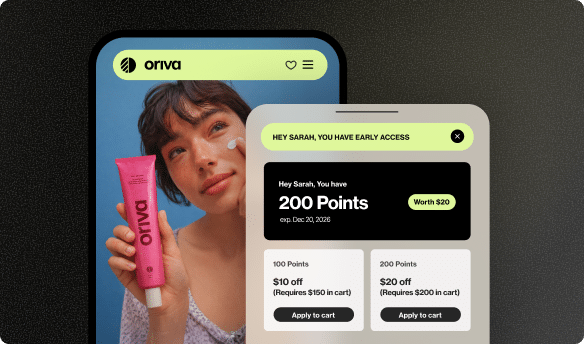
One of the best ways businesses use the Goal-Gradient Effect is through special programs that reward their best customers. These are often called loyalty programs. Imagine a store that gives you points every time you buy something. As you collect more points, you get closer to earning a discount, a free gift, or a special perk.
Loyalty Programs and Milestones
When you join a loyalty program, the store might show you how many points you need to reach the next “level” or “tier” of rewards. Maybe you start as a “Bronze Member,” and earning more points gets you to “Silver,” then “Gold.” Each time you move up, you feel a little burst of excitement, just like in a video game! These milestones make the journey feel more manageable and keep you motivated to keep shopping with that brand. Yotpo Loyalty helps brands create these exciting journeys, making it simple to set up point systems, VIP tiers, and custom rewards that really get customers excited. It’s like giving shoppers their own progress bar for earning awesome benefits!
Showing Progress Clearly
The key is to make this progress very clear. If a customer can easily see they are only 50 points away from a $10 voucher, they are much more likely to make another purchase soon. Businesses might show a progress bar on their website or in an email, clearly stating, “You’re only X points away from your next reward!” This visual cue acts as a powerful motivator, tapping into that Goal-Gradient Effect to encourage further engagement. Yotpo’s loyalty solutions are designed to do just this, making sure customers always know how close they are to their next fantastic reward. This helps improve ecommerce conversion rates by gently nudging customers towards another purchase.
Encouraging Sharing and Reviews
Another fantastic way to use this effect is when asking customers to share their thoughts or leave reviews about products they’ve bought. People love to share their experiences, and businesses love to hear them!
The Power of User-Generated Content
When customers share photos of products they love or write reviews, it’s called user-generated content (UGC). This content is super important because it helps other shoppers make good decisions. If a business makes it easy and fun to leave a review, people are more likely to do it. The Goal-Gradient Effect can play a role here too! For example, a business might show a short “progress bar” for completing a review: “Step 1: Rate the product. Step 2: Write a short comment. Step 3: Add a photo.” Seeing those steps makes the task feel less daunting and more achievable. This encourages customers to contribute valuable content, which Yotpo Reviews helps brands collect and display beautifully.
Simple Steps to Share Feedback
Imagine you just bought a new gadget. A few days later, you get an email asking you to review it. If the email breaks down the review process into very small, clear steps, you’re more likely to start and finish it. Each click or filled-out field feels like progress. Brands can even offer a small thank-you for completing a review, like extra loyalty points, making the incentive clearer and enhancing the Goal-Gradient Effect. This approach helps brands gather lots of helpful e-commerce product reviews, which are essential for building trust and guiding future customers. Tools for how to ask for reviews effectively often use these principles.
Why is This Effect Important for Businesses?
Understanding the Goal-Gradient Effect isn’t just a fun psychology fact; it’s a powerful tool for businesses to connect with their customers in a more meaningful way. When businesses use this idea smartly, it helps them grow and build stronger relationships with the people who buy their products.
Keeping Customers Happy and Engaged
When customers feel like they are making progress, whether it’s towards a reward or just completing a small task like a review, they feel more involved and appreciated. This engagement is super important. Happy and engaged customers are more likely to return, buy again, and even tell their friends about their positive experiences. Businesses want to create experiences where every interaction feels like a step forward, not a chore. This is a core part of building a great e-commerce customer experience.
Turning First-Time Shoppers into Loyal Fans
The Goal-Gradient Effect is fantastic for turning someone who just bought something once into a loyal fan. Imagine a new customer makes their first purchase. If they immediately see they’ve earned points towards their first reward, or if they’re prompted to leave a quick review with an easy-to-follow process, they start to build a relationship with the brand. Each small step they take, encouraged by the feeling of progress, brings them closer to becoming a repeat customer. The best loyalty programs are designed around this very principle, making every purchase feel like a step on an exciting journey.
Simple Ways Businesses Can Use This Idea
So, how can businesses, especially those online, put the Goal-Gradient Effect to work for them? It’s all about making the customer’s journey feel like a clear path with exciting steps forward.
Show Them How Far They’ve Come
This is probably the most important tip. Don’t just tell customers they’re part of a loyalty program; show them their progress! This could be a visual bar, a number of points, or even badges they’ve earned. Imagine a progress bar on a loyalty program page that fills up as they earn points, showing “You’re 75% to your next reward!” This makes the abstract idea of points feel real and exciting. Seeing concrete progress makes the goal feel closer and boosts motivation.
Break Big Goals into Smaller Ones
Sometimes, a big goal can feel overwhelming. For example, earning enough points for a very large discount might seem like it will take forever. Instead, businesses can break that big goal into smaller, easier-to-reach “mini-goals.” Maybe the first reward is just a small free gift after two purchases, then a bigger discount after five, and so on. Each mini-goal provides a quicker “win,” activating the Goal-Gradient Effect repeatedly and keeping motivation high. This strategy can be seen in effective loyalty rewards program software.
Offer Small Boosts Along the Way
Imagine a game where you get a little extra power-up just when you’re starting to feel tired. Businesses can do this too! These are often called “accelerators” or “bonus points.” For instance, a customer might get double points on their third purchase, or a special one-time bonus just for logging into their account. These small boosts can give a powerful surge of motivation, making the final goal feel even closer and more attainable. This helps with ecommerce retention by making the journey consistently rewarding.
| Strategy | How it uses Goal-Gradient | Example |
|---|---|---|
| Show Progress | Makes the goal feel visually closer. | A progress bar for loyalty points: “75% to your next $10 reward!” |
| Break Down Goals | Creates smaller, achievable “mini-goals.” | Earn a small bonus after 2 purchases, then a larger one after 5. |
| Offer Boosts | Gives extra motivation when needed. | Double points day, or a birthday bonus. |
| Encourage Reviews | Simple, guided steps to complete a valuable task. | “Step 1 of 3: Rate product. Step 2 of 3: Write comment.” |
The Goal-Gradient Effect and Your Favorite Brands
Many of the brands you love, whether it’s for clothes, toys, or gadgets, likely use these very ideas to make your experience better. They want you to feel excited about every step of your journey with them, from finding a product to making a purchase, and even after. They understand that when you feel you’re making progress towards something good – like a reward or simply the satisfaction of having your voice heard through a review – you’ll have a more positive feeling about them.
Think about how rewarding it feels when you receive a personalized email saying you’ve reached a new VIP level with your favorite shoe store, thanks to your loyalty points. Or how good it feels to quickly leave a glowing review for a fantastic new board game you just bought, knowing it will help other kids find it too. These are not accidents; they are carefully designed experiences built on understanding human motivation, like the Goal-Gradient Effect.
Products like Yotpo Reviews and Yotpo Loyalty are specifically built to help businesses put these powerful psychological principles into action. They provide the tools for brands to create those exciting loyalty programs with clear progress, and to make it super simple for customers to share their thoughts and experiences. By doing so, brands don’t just sell products; they build lasting relationships and create happy, engaged communities of shoppers.
Conclusion: Understanding What Drives Us
The Goal-Gradient Effect is a fascinating concept that explains a lot about why we get that extra push when we’re close to achieving something. From running a race to saving money, and even in our online shopping adventures, this psychological trick makes us feel more motivated and engaged.
For businesses, especially those selling online, understanding this effect is a powerful advantage. By showing customers their progress, breaking down big goals into smaller ones, and celebrating every step of the journey, brands can create more exciting and rewarding experiences. This not only makes shopping more enjoyable but also helps build strong, loyal relationships that last. So, the next time you feel a sudden burst of energy to finish something, remember the Goal-Gradient Effect – it’s your brain’s way of saying, “You’re almost there, keep going!”










 Join a free demo, personalized to fit your needs