








Imagine you’re in a toy store, and you see the coolest robot action figure ever! You pick it up, feel its weight, imagine all the adventures you’ll have with it. But then, you pull out your phone, do a quick search, and find the exact same robot action figure available online from another store for a little bit less money. What do you do? This situation has a special name in the world of shopping: it’s called showrooming.
Showrooming is when someone visits a physical store to look at a product up close, touch it, feel it, and learn more about it, but then decides to buy it somewhere else, often online. It’s like using the store as a showroom for the item before making the actual purchase somewhere else. This can be a bit tricky for businesses, but it’s also a big part of how people shop today.
You might think showrooming is a new thing because of the internet, but people have always compared prices. The internet just made it super fast and easy to do, right there in the store! Understanding showrooming helps us see how shopping has changed and how smart businesses are adapting to make sure customers still love buying from them, no matter where they ultimately make their purchase.
What Exactly Is Showrooming? A Closer Look
Let’s dive a little deeper into what showrooming means. Think of it like this: A store is a fantastic place to experience products. You can try on a pair of shoes, test how comfy a chair is, or see the vibrant colors of a new video game console in person. This hands-on experience is something you can’t get when just looking at pictures online.
So, when you’re showrooming, you’re enjoying all those benefits of a physical store. You’re getting information, you’re experiencing the product, and you’re getting a feel for it. But instead of buying it right then and there, you use your phone or go home and look for it online. Maybe you’re looking for a better deal, or maybe you prefer the convenience of having it delivered to your door.
It’s a customer behavior that shows how smart and savvy today’s shoppers are. They want to get the best value and the best experience, and they’re using all the tools available to them, both in the real world and online, to make that happen. This isn’t about being sneaky; it’s about being a careful shopper!
Why Do People Showroom? The Main Reasons
So, why would someone go through the trouble of visiting a store only to buy somewhere else? There are a few big reasons that make showrooming so popular:
- Finding a Better Deal: This is probably the biggest reason. People want to save money, and it’s very easy to compare prices from many different stores online in just a few seconds. If a customer finds the same item for less money on another website, they might choose to buy it there.
- More Choices Online: Sometimes, a physical store might not have the exact color, size, or model a customer wants. Online stores often have a much wider selection, so shoppers might showroom to see an item and then go online to find the perfect version of it.
- Convenience: Buying online can be super convenient. You can order from your couch, and it shows up at your door. You don’t have to carry heavy bags or make another trip to the store.
- Reading Reviews: While in the store, a customer might want to quickly check what other people think about the product. They can pull out their phone and instantly read customer reviews and see pictures shared by other buyers. These real-world experiences from others can be very helpful in making a decision. Businesses often help customers with this by making it easy to see customer experiences on their own websites, sometimes even including photos and videos from happy buyers. You can learn more about how important customer feedback is for shoppers here.
- Avoiding Sales Pressure: Some people feel uncomfortable with sales pitches in stores. Showrooming allows them to gather information at their own pace without feeling pressured to buy.
These reasons show that customers are in control. They have a lot of options, and they’re not afraid to use them to get exactly what they want in the way they prefer to buy it.
Is Showrooming a Problem for Businesses?
When you first hear about showrooming, it might sound like a big problem for stores, especially those with physical locations. After all, if people are using your store to look at products but buying elsewhere, you’re not making the sale, right? It’s true that traditional stores can feel like they’re losing out on sales because of showrooming.
However, many smart businesses now see showrooming not just as a challenge, but also as an opportunity. It’s a sign that customers are engaged with their products and are doing their homework before buying. It encourages businesses to think creatively about how they can make the shopping experience so good that customers want to buy from them, no matter if they are in the store or online.
Instead of trying to stop showrooming, many businesses are learning to live with it and even use it to their advantage. They understand that the customer journey today often jumps between online and offline. By making both parts of that journey great, they can still win the customer’s business and build a lasting relationship.
How Businesses Can Understand and Adapt to Showrooming
For businesses, understanding showrooming is super important. It means knowing what customers are doing and why. Here’s how businesses are learning to adapt:
Making the In-Store Experience Amazing
Even if a customer is showrooming, they are still spending time in the store. This is a chance for the store to shine! If the in-store experience is fantastic, it can make a big difference.
- Great Customer Service: Friendly, helpful staff who know a lot about the products can make a customer feel special. They can answer questions and offer advice that an online description might miss.
- Unique Experiences: Some stores offer workshops, product demonstrations, or events that you can’t get online. This adds value to visiting the store.
- Comfort and Fun: Making the store a pleasant place to be, with nice lighting, good music, and comfortable spaces, can make people want to stay longer and enjoy their visit.
Connecting the Online and Offline Worlds
Since customers jump between looking in-store and buying online, businesses need to connect these two worlds smoothly. This is sometimes called an “omnichannel” approach, meaning all the different ways a customer can interact with a business work together seamlessly.
- Wi-Fi in Stores: Offering free Wi-Fi makes it easier for customers to look up product information or compare prices right there, but it also gives the store a chance to show them why buying from *them* is a good idea.
- “Buy Online, Pick Up In Store” (BOPIS): This is a fantastic option! A customer can see something in-store, go home to think about it (or even compare prices), buy it online, and then pick it up from the same store (or another convenient location) without waiting for shipping. It combines the convenience of online shopping with the speed of getting the product quickly.
- Price Matching: Some stores will match the online prices of competitors. This directly addresses the main reason for showrooming and keeps the sale in their store.
Using Customer Feedback to Build Trust
Customers trust other customers a lot. When they’re in a store and pull out their phone to check reviews, businesses want them to find great things about *their* products and *their* brand. Gathering and showing off what real customers think is super powerful.
Imagine you’re checking out that robot action figure. If you look it up on the store’s website and see tons of glowing reviews, with pictures and videos from kids just like you who love it, that’s a powerful message. It builds trust and makes you feel more confident in your purchase, no matter if you buy it there or online.
For businesses, collecting customer reviews and showing them prominently on their website is a huge help. When customers see honest feedback, positive experiences, and even helpful photos from other buyers, it answers many questions they might have and builds confidence. Tools that help businesses gather and display this kind of User-Generated Content (UGC) can make a big difference in convincing shoppers to complete their purchase with that brand.
Building Lasting Relationships with Customers
Even if a customer decides to buy something online after showrooming, a smart business wants to keep that customer coming back. This is where building strong relationships comes in. If a customer feels valued and connected to a brand, they are more likely to choose that brand again and again.
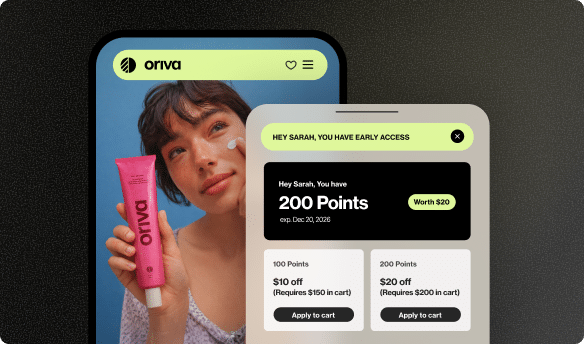
One great way businesses do this is through loyalty programs. Think about earning points every time you buy something, whether it’s in a physical store or online. These points can then be used for discounts, special gifts, or unique experiences. If a customer knows they’ll earn points or get a special reward by buying from a particular brand, they might choose that brand even if another store has a slightly lower price.
For example, if you’re a member of a toy store’s loyalty program, and you know buying that robot action figure from their website will get you enough points for a cool accessory next month, that’s a strong reason to buy from them. Loyalty programs help businesses turn one-time shoppers into long-term fans. These programs are all about making customers feel appreciated and giving them good reasons to keep coming back. You can learn more about how these programs work to keep customers happy and returning here.
Table: How Businesses Can Respond to Showrooming
Here’s a quick look at some strategies businesses use to handle showrooming:
| Strategy | How it Helps | Example |
|---|---|---|
| Enhance In-Store Experience | Makes visiting the store more enjoyable and valuable, encouraging immediate purchase. | Friendly staff, interactive displays, unique events, product demonstrations. |
| Offer Price Matching | Removes the main reason for showrooming (finding a lower price elsewhere). | A store advertises they will match any online competitor’s price for the same item. |
| Provide “Buy Online, Pick Up In Store” (BOPIS) | Combines online convenience with instant gratification and saves on shipping. | See a shirt in-store, buy it on your phone, and pick it up an hour later. |
| Showcase Customer Reviews & Photos | Builds trust and confidence in the product and brand, whether shopping online or in-store. | Website features many positive product reviews with customer-submitted photos. |
| Implement Loyalty Programs | Gives customers a reason to buy from the brand repeatedly, earning rewards. | Earn points for every purchase, leading to discounts or exclusive access. Discover more about building strong customer relationships with loyalty here. |
| Educate Staff | Empowers staff to answer questions, highlight unique benefits, and handle price comparisons effectively. | Sales associates trained on product features and online competitor offerings. |
The Future of Shopping: Showrooming and Beyond
Showrooming shows us that the way we shop is always changing. It’s no longer just about buying in a store or buying online; it’s about a mix of both. Customers expect to be able to move freely between these two worlds, getting the best of both. This blend of online and offline shopping is often called a “hybrid” shopping experience.
For businesses, this means being flexible and creative. They need to think about the entire customer journey, from the moment a customer first hears about a product to when they finally buy it and even after that. It’s about making sure every step of that journey is smooth, enjoyable, and rewarding.
Successful businesses in the future will be those that embrace these changes. They will understand that a physical store is not just a place to buy things, but also a place to discover, learn, and experience. And their online stores will be more than just catalogs; they will be places where customers can get helpful information, read what others think, and feel part of a community. Businesses are thinking about how to turn browsers into buyers by improving their overall customer experience.
From Showrooming to “Webrooming”
It’s also interesting to know about the opposite of showrooming, which is called webrooming (sometimes also called “reverse showrooming”). This is when a customer researches a product online first, comparing features and reading reviews, but then goes to a physical store to make the purchase. Why? Maybe they want to see the item in person before buying, avoid shipping costs, or get it immediately. This shows just how intertwined online and offline shopping have become!
Both showrooming and webrooming highlight that customers want options and control. They want information at their fingertips and the flexibility to choose how and where they buy. Businesses that offer great experiences both online and offline are the ones that will truly succeed.
Bringing it All Together: Why Understanding Showrooming Matters
Showrooming might seem like a simple concept – looking in-store, buying online – but it actually tells us a lot about how people shop today. It teaches businesses that they need to be more than just a place to sell things. They need to be places where customers can learn, discover, and feel valued.
By understanding why customers showroom and by offering solutions like amazing in-store experiences, easy online-to-offline options, helpful customer reviews, and exciting loyalty programs, businesses can turn a potential challenge into a big opportunity. They can build stronger connections with their customers and create shopping experiences that keep people coming back, excited to explore and buy from them again and again.
The world of shopping is an exciting place, full of new ideas and ways to connect with products and brands. Showrooming is just one piece of this ever-changing puzzle, showing us that the most successful businesses are those that listen to their customers and adapt to meet their changing needs.










 Join a free demo, personalized to fit your needs