








What is Quality Assurance (QA)?
Imagine you just bought a brand-new toy. You take it out of the box, ready to play, and… one of the wheels falls off! Or maybe you’re trying to watch your favorite show on a new tablet, and the screen keeps freezing. That’s a bummer, right? It makes you feel frustrated and might even make you not want to buy anything from that company again.
This is exactly why something called Quality Assurance, or QA for short, is super important! QA is all about making sure that everything you buy, use, or experience works exactly as it should, is easy to understand, and makes you happy. It’s like having a team of super detectives whose job is to find any problems before a product or service ever reaches you. They want to make sure your toy has all its wheels, your tablet runs smoothly, and your online shopping trip is a breeze. It’s all about creating products that customers love and trust.
Why is Quality Assurance Important?
Think about all the apps on your phone, the websites you visit, or even the games you play. They all went through QA. Without it, things would break constantly, be super confusing, and might even be unsafe. QA plays a huge role in making our digital world, and even physical products, reliable and enjoyable.
Making Customers Happy
When a product works well, it’s a joy to use. If you visit an online store and everything loads quickly, the pictures look great, and checking out is super easy, you’re happy. Happy customers are more likely to come back and even tell their friends about their good experience. QA helps make sure these smooth experiences happen every single time. It’s like making sure every step of your journey, from finding a product to buying it, is perfect. This positive feeling really encourages customers to keep coming back, building a stronger connection with the brand.
Saving Time and Money
It might seem like QA takes extra time, but it actually saves a lot! Imagine a company releases a new game, but it’s full of bugs. Players get angry, demand refunds, and the company has to spend tons of money and effort fixing the game after it’s already out. But if the QA team finds those bugs *before* the game is released, they can be fixed cheaply and quickly. Finding a problem early is always much easier and less expensive than fixing it later, especially after lots of people have already noticed it. This proactive approach ensures that resources are used efficiently and prevents costly reworks down the line.
Building Trust and Reputation
Think about your favorite brand. Why do you like them? Probably because their products or services are consistently good. That consistency comes from good QA. When a company always delivers high-quality stuff, people learn to trust them. They know that when they buy from that company, they’re getting something reliable and well-made. This trust is incredibly valuable and helps a company grow. A strong reputation, built on quality, means customers are more likely to try new products from that brand because they expect excellence.
Who Does Quality Assurance?
While there might be a special team called the QA team, ensuring quality is actually a job for everyone involved in making a product!
QA Testers
These are the super sleuths! QA Testers are people whose main job is to find problems. They try to break things, think of all the crazy ways someone might use a product, and make sure every little bit works perfectly. They follow special plans called “test cases” to check specific features, but they also use their creativity to explore and find unexpected issues. They are very detailed and love solving puzzles.
Developers
The people who build the product, the Developers, also play a big part in quality. They write the code, and good developers try to write code that’s clean, strong, and less likely to have problems in the first place. They often do their own mini-tests before handing their work over to the QA team. It’s like a chef tasting their food before serving it – they want to make sure it’s good from the start.
Everyone!
Really, everyone on a team contributes to quality. The people who design the product make sure it’s easy to understand. The people who write about the product make sure the instructions are clear. Even the customer support team, by listening to feedback, helps the company understand where improvements are needed. Quality is a team sport, and when everyone works together, the results are amazing.
What Does QA Look For?
When a QA team looks at a product, they aren’t just looking for one type of problem. They have a whole checklist of things to check to make sure the product is truly excellent.
Bugs and Glitches
This is the most obvious one. A bug is when something simply doesn’t work the way it’s supposed to. Maybe a button doesn’t click, a picture doesn’t load, or the app crashes. These are the showstoppers that QA testers work hard to find and fix. Finding these early prevents a lot of headaches later on.
How Easy is it to Use?
This is called Usability. Even if a product works perfectly, if it’s confusing or hard to figure out, people won’t want to use it. QA testers make sure the buttons are in the right place, the instructions are clear, and the whole experience feels natural and simple. They put themselves in the shoes of someone using the product for the very first time.
Does it Do What it’s Supposed To?
This is about Functionality. If a shopping website says you can add items to your cart, can you actually do it? If a game says you can save your progress, does it really save? QA makes sure that every feature and function advertised actually works. It’s about delivering on promises.
Is it Fast and Strong?
This is called Performance and Reliability. Nobody likes a slow website or an app that crashes all the time. QA checks if the product loads quickly, handles many users at once, and doesn’t break down when you push it hard. They want it to be like a super-fast, super-strong superhero! This also means checking if it works well on different devices and internet speeds.
Is it Safe?
Security is super important, especially for online products that handle your information. QA teams check for weaknesses that bad guys might try to exploit. They make sure your private information stays private and that the product is protected from digital threats. It’s like having a strong lock on a treasure chest.
The Steps of Quality Assurance
QA isn’t just one quick check; it’s a whole process with several important steps. Each step helps ensure that the final product is as good as it can be.
Planning
Before any testing begins, the QA team sits down and plans everything out. They ask questions like: “What parts of the product are most important?” “What kind of problems are we looking for?” “How much time do we have?” This planning helps them decide what to focus on and how to use their time wisely. It’s like drawing a map before going on an adventure.
Designing Tests
Once they have a plan, the QA team creates specific instructions for testing, called test cases. A test case might say: “Go to the shopping cart, add 3 items, then try to remove 1 item.” They also think about what should happen if everything works correctly (the “expected result”) and what they should do if it doesn’t.
Running Tests
This is where the real fun begins! Testers actually use the product, following their test cases and exploring freely. They click every button, fill out every form, and try every feature. They pretend to be different kinds of users – someone new, someone who uses it all the time, someone who might try to do something unusual. They’re trying to find anything that doesn’t work right.
Reporting Problems
When a tester finds a problem (a bug!), they don’t just keep it to themselves. They write a detailed report describing exactly what happened, where it happened, and how to make it happen again. This report is then shared with the development team so they can understand and fix the issue. Clear reporting is key to getting problems solved quickly.
Fixing and Retesting
Once the developers fix a bug, it’s not over yet. The QA team then retests it to make sure the fix actually worked. They also do something called “regression testing,” which means checking other parts of the product to make sure that fixing one problem didn’t accidentally create new ones somewhere else. It’s like making sure that when you patch a hole in your sock, you don’t create a new hole somewhere else!
How QA Connects to Your Favorite Online Stores
You might not see QA happening, but it’s happening all the time behind the scenes to make your online shopping and interaction with brands amazing. This is where companies like Yotpo truly shine, helping businesses understand and improve their quality from a customer’s perspective.
Smooth Shopping Experience
Think about buying something online. You want to easily find what you’re looking for, see clear pictures, read product descriptions, and click “buy” without any hiccups. QA teams tirelessly test every part of an eCommerce website to make sure it’s smooth, fast, and easy. They check everything from searching for products to the checkout process itself, making sure every button and link works as it should. This ensures that when you arrive at a site, your experience is seamless, reducing any frustration and helping you complete your purchase without issues. A well-tested site means more successful sales and happier customers.
Customer Feedback and Quality
Imagine a world where online stores didn’t care what you thought after you bought something. Luckily, great stores do! They use tools like Yotpo Reviews to gather your thoughts and experiences. When you leave a review about a product, saying you loved it or maybe found a small issue, that’s incredibly valuable information. It’s like thousands of mini-QA testers giving feedback. Businesses can look at these reviews to understand what’s working well and what needs improvement. If many people say a product’s sizing is off, for example, that signals a quality issue the brand needs to address. This feedback loop is crucial for continuous quality improvement. Want to learn more about how customer feedback shapes products? Check out how businesses collect and use eCommerce Product Reviews or discover the best ways how to ask customers for reviews.
Rewarding Great Experiences
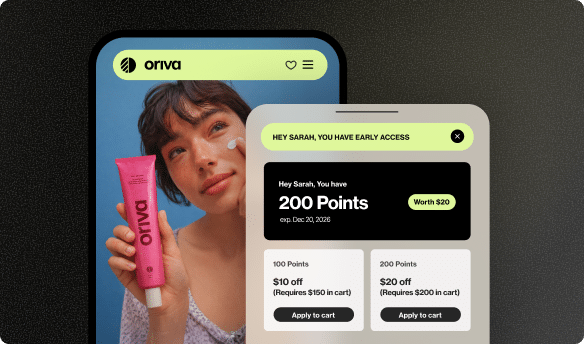
And when you have a super positive experience, thanks to great quality, you’re more likely to come back! Many stores use special programs, often powered by solutions like Yotpo Loyalty, to say “thank you” and keep you coming back for more. If a product consistently meets or exceeds your expectations because of strong QA, you build trust with that brand. This trust encourages you to shop there again, and loyalty programs reward that behavior. It’s a win-win: you get a great product and special perks, and the store gets a loyal customer. Building this kind of lasting relationship is key for any successful business. Explore how successful loyalty programs are built with Yotpo Loyalty and see some of the best loyalty programs in action.
The Loop of Improvement
Think about it: when a store listens to your feedback (maybe through Yotpo Reviews) and uses it to make their products and service even better, you feel valued. This good feeling helps build loyalty, making you want to shop there again and again. That’s where solutions like Yotpo Loyalty come in, helping stores reward those repeat shoppers and turn them into super fans. This continuous cycle of feedback, improvement, and reward is how businesses ensure quality not only starts strong but keeps getting better, making sure you always have an amazing experience. This connection helps foster ecommerce customer experience that truly stands out.
Different Types of Testing
Just like a detective has different tools for different clues, QA testers have various types of tests they perform. Each type focuses on a specific aspect of quality.
Functional Testing
This is the most basic type. It asks: “Does the product do what it’s supposed to do?” If a button is supposed to add an item to your cart, functional testing checks if that button actually adds the item. It makes sure all the features work according to the design. This type of testing is like making sure all the pieces of a puzzle fit together correctly.
Usability Testing
This type of testing focuses on how easy and enjoyable the product is to use. Are the menus clear? Can a user quickly find what they need? Is the overall experience smooth and intuitive? Testers often put themselves in the shoes of an average user, or even different types of users, to see if the product makes sense to everyone. It’s about making sure the product isn’t just functional, but also friendly.
Performance Testing
Imagine a popular online sale where thousands of people try to buy things at the same time. If the website is slow or crashes, that’s a performance problem. Performance testing checks how fast and stable a product is, especially when many people are using it at once, or when it needs to do complex tasks. This ensures the product can handle heavy use without breaking down or slowing to a crawl.
Security Testing
In today’s digital world, keeping information safe is super important. Security testing looks for any weak spots in a product that could allow unauthorized access or expose private information. This includes checking for things like strong passwords, secure connections, and protection against hackers. It’s like putting a super-strong lock on a digital vault.
Regression Testing
This is a clever one. When a developer fixes a bug, there’s always a small chance that the fix might accidentally break something else that used to work fine. Regression testing means re-running older tests to make sure that new changes haven’t introduced new problems or brought back old ones. It’s like making sure that fixing the roof doesn’t suddenly make a window fall out. This is a continuous process that often happens after every new change or update.
QA in the Real World: Examples
Let’s look at some everyday examples of how QA makes a difference in the products you use.
A New Video Game
When a new video game is being made, QA testers play it thousands of times. They look for:
- Bugs: Does your character get stuck in a wall? Does the game crash when you reach a certain level?
- Functionality: Do all the power-ups work? Does the save feature actually save your game?
- Performance: Does the game run smoothly without lag, even during intense action scenes?
- Usability: Are the controls easy to learn? Is the game’s menu clear and simple to navigate?
Without QA, games would be full of glitches and frustrating to play, making players quit very quickly.
A Shopping Website
Online stores rely heavily on QA to make sure you have a perfect shopping experience. They test:
- Product Pages: Do the images load? Are descriptions accurate? Can you select different sizes and colors?
- Search Function: Does searching for “blue shoes” actually show you blue shoes?
- Shopping Cart: Can you add items, remove them, and change quantities easily?
- Checkout Process: Does the payment gateway work? Is the shipping information entered correctly?
- Responsiveness: Does the website look good and work well on a big computer screen, a tablet, and a small phone?
This kind of thorough testing helps reduce cart abandonment and improve ecommerce conversion rate, making sure customers complete their purchases smoothly. A well-functioning site makes a huge difference in whether a customer becomes a repeat buyer.
A Mobile App
Every app on your phone, from social media to weather apps, goes through rigorous QA. Testers check:
- Different Devices: Does the app work on iPhones and Androids, and on older and newer models?
- Network Conditions: Does it work on Wi-Fi, 5G, or even with a weak signal?
- User Experience: Are the notifications clear? Is it easy to find what you need?
- Battery Usage: Does the app drain your phone’s battery too quickly?
QA ensures that the app is reliable and enjoyable no matter how or where you use it. For businesses, this means better customer retention, as users stick with apps that consistently perform well.
The Future of QA
QA is always changing and getting smarter! In the future, we’ll see even more cool things happening:
- Automation: Robots (well, computer programs) will do more of the repetitive testing tasks, allowing human testers to focus on more complex and creative problem-solving.
- Artificial Intelligence (AI): AI might help predict where bugs are most likely to appear, making testing even more efficient.
- Continuous Quality: Instead of just testing at the end, QA will be built into every step of creating a product, ensuring quality from the very beginning.
This means products will get even better, even faster, making our lives easier and more fun!
Conclusion
So, what is Quality Assurance? It’s the secret ingredient that makes sure your favorite products and services are awesome. It’s the meticulous process that ensures everything works as expected, is easy to use, and is safe. From catching tiny bugs in an app to making sure an online store’s checkout is flawless, QA protects your experience and builds trust with the brands you love.
Next time you use a smoothly running app, play a fun game without glitches, or enjoy a seamless online shopping experience, give a little nod to the incredible work of Quality Assurance. It’s all thanks to those dedicated teams who work tirelessly behind the scenes, making sure that everything you touch, click, or buy is nothing short of excellent. This dedication to quality is what truly makes a difference, turning everyday interactions into delightful experiences and building strong, lasting relationships between customers and businesses.










 Join a free demo, personalized to fit your needs