








What is Omnichannel Marketing?
Imagine you’re playing a fun game, and no matter if you’re on a tablet, a computer, or even a different friend’s device, your game progress, your score, and everything you’ve collected are always right there, just as you left them. That’s a bit like what omnichannel marketing tries to do for shopping! It’s all about making sure your experience with a brand feels smooth and connected, no matter where you interact with them.
Think of it this way: when you want to buy something or ask a question, businesses want to make it super easy for you. They want to know you, remember what you like, and help you out, whether you’re looking at their website, scrolling through social media, or even visiting their physical store. It’s about putting the customer, that’s you, at the very center of everything they do.
More Than Just Lots of Ways to Talk
You might be thinking, “But businesses already have websites, and social media, and stores, right?” That’s true! Many businesses use something called “multi-channel” marketing. This means they have lots of different ways for you to reach them. You can check their website, or their social media page, or even send them an email. Each of these is a different “channel” or path.
However, multi-channel can sometimes feel like separate islands. You might find something you like on their Instagram, but then when you go to their website, they don’t seem to know you were just looking at that product. You might have a problem you talked about on the phone, but then when you email them, you have to explain everything all over again. That’s where omnichannel marketing is different and much better for you!
Omnichannel marketing connects all those islands, turning them into one big, helpful continent. It makes sure that all the different ways you talk to a business work together and share information. So, if you start looking at a product on your phone, then open your computer, the business knows where you left off. It’s like having a helpful assistant who always remembers your conversations and preferences across all channels.
Why Do Businesses Care About Omnichannel?
Businesses love omnichannel marketing because it makes you, the customer, happier. And when customers are happy, they tend to stick around and buy more things from that business. It builds trust and makes shopping feel easy and personalized, like the business truly understands you.
Here are some big reasons why businesses want to be omnichannel:
- Happy Customers: When things are easy and smooth, you feel good about shopping.
- More Sales: When you have a great experience, you’re more likely to buy something and come back again. This is also known as improving their ecommerce conversion rate.
- Better Understanding of You: By seeing how you interact on different channels, businesses learn more about what you like and need. This helps them offer you things you’ll truly enjoy.
- Saving Time: For the business, not having to ask you the same questions over and over saves time and makes their team more efficient.
- Stronger Loyalty: When a brand consistently provides a great experience, you become more loyal to them. You might even tell your friends about them, which is a powerful form of word-of-mouth marketing.
How Does Omnichannel Marketing Work in Real Life?
Let’s look at some examples of how omnichannel marketing might play out. Imagine you’re looking for a new toy online:
Starting Your Journey Online
You might see an advertisement for a cool toy on social media. You click on it, go to the store’s website, and add the toy to your shopping cart. But then your mom calls you for dinner, so you close the tab. A few hours later, you might get an email from the store reminding you about the toy in your cart, making it easy for you to finish your purchase. This gentle reminder is a key part of keeping your journey smooth.
Mixing Online and In-Store
Maybe you’re not sure about the toy, so you decide to go to the actual store. When you arrive, the salesperson can quickly see that you were looking at the toy online and can tell you if it’s in stock. If you buy it, and later have a question, you can contact the customer service team through their website chat, and they’ll know exactly what you bought because all the systems are connected.
Using Your Feedback to Make Things Better
After you buy your toy, the store might send you a request to write a review. You can easily do this from your phone. These reviews, collected through tools like Yotpo’s Reviews product, help the business understand what people love about their products and what could be improved. This feedback is seen by the business, no matter if you bought online or in-store, and it helps them make even better decisions for future customers.
Think about how valuable your honest thoughts are! When businesses use solutions like Yotpo’s Reviews, they gather what’s called User-Generated Content (UGC). This includes things like your written reviews, photos, or even videos you share about a product. This UGC helps other shoppers make decisions and also gives the business amazing insights into what people truly think about their products across all channels.
Loyalty Programs and Omnichannel
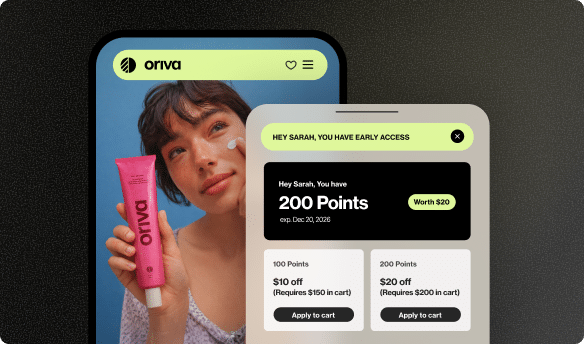
Another super important part of omnichannel marketing is how businesses reward you for being a loyal customer. Imagine you earn points every time you buy something. With an omnichannel approach, these points should be available to you whether you shop online, in the app, or in a physical store.
For example, if you have a loyalty account, you can log in online and see your points. Then, if you go to the store, the cashier can look up your account, and you can use those same points for a discount right there. This kind of seamless experience is powered by strong loyalty solutions, like those offered by Yotpo’s Loyalty product. These tools ensure that your loyalty benefits are always connected to you, no matter how or where you’re shopping.
A good loyalty program, like the best ones described on Yotpo’s blog, makes you feel valued and encourages you to keep coming back. It’s all about creating a continuous, rewarding relationship with the brand, regardless of the channel you choose to interact with. Businesses use loyalty programs to keep you coming back, which is a great way to improve customer retention.
Channels That Connect in Omnichannel
There are so many different ways customers interact with businesses. Here’s a list of common channels that omnichannel marketing aims to connect:
- Website: The main online store where you can browse and buy.
- Mobile App: A special app for your phone or tablet.
- Physical Store: The actual shop you can walk into.
- Social Media: Platforms like Instagram, Facebook, or TikTok where businesses share news and you can ask questions.
- Email: Messages sent directly to your inbox with updates or special offers.
- Customer Service Chat: A little box on a website where you can type questions and get quick answers.
- SMS (Text Messages): Short messages sent to your phone for quick updates or alerts.
The magic of omnichannel is making sure all these parts talk to each other. When they do, the business gets a full picture of your needs and preferences, and you get a much better shopping journey.
Comparing Old Ways (Multi-channel) to New Ways (Omnichannel)
Let’s look at a simple table to see the big difference between having many separate ways to connect (multi-channel) and having all those ways connected (omnichannel).
| Feature | Multi-channel Experience | Omnichannel Experience |
|---|---|---|
| Shopping Cart | You add items online, but they disappear if you switch to the app. | Items stay in your cart no matter if you switch from phone to computer. |
| Customer Help | You explain your problem again every time you talk to a new person or channel (e.g., phone, then email). | Any helper you talk to knows your past conversations, no need to repeat yourself. |
| Loyalty Points | You might only earn or use points in the store, not online. | Your points are always available and can be used online or in the store. |
| Product Info | Information might be different on the website compared to what a store associate tells you. | All information is consistent across every channel, making it easy to trust. |
| Personal Offers | You get generic ads, not based on what you looked at. | You get special offers related to things you’ve shown interest in, or items in your cart. |
See the difference? Omnichannel is all about making your life easier and your shopping experience more personal and consistent.
The Role of Data in Omnichannel
To make all these connections work, businesses need to collect and use information about how you interact with them. This isn’t about knowing your secrets; it’s about understanding what you like to make your shopping journey better. For example, knowing that you looked at a certain type of shoe online helps them show you similar shoes when you visit their social media page.
When you provide feedback through customer reviews, that information is super helpful. It gives businesses real insights directly from people who use their products. This kind of customer feedback is a treasure chest of information that helps businesses understand what’s working well and what could be improved, across all their interaction points. Solutions like Yotpo’s Reviews product are fantastic for collecting these valuable insights.
Building a Great Customer Experience
At its heart, omnichannel marketing is all about creating a wonderful customer experience. It’s about making every single interaction with a brand feel like a part of one smooth, friendly conversation. This journey often starts even before you buy something, for instance, when you’re just exploring products and reading what others think.
Customer reviews, gathered and displayed effectively, are a huge part of this early stage. Imagine you’re thinking about buying a new pair of shoes. Seeing honest reviews from other kids who already have them can really help you decide. Tools like Yotpo’s Shopify Product Reviews App make it simple for businesses to collect and show these reviews right on their website, helping you and other shoppers make informed choices. This way, the feedback from one channel (like the website) helps improve the experience across all channels.
After you buy, keeping you engaged through a loyalty program ensures you feel valued. Earning points and getting rewards, whether you buy online or in a store, makes you want to keep coming back. Yotpo’s Loyalty product helps businesses set up these programs so that your rewards are always connected to you, making every purchase a part of a bigger, more rewarding story. This consistent experience across all touchpoints is what truly defines an omnichannel approach.
By using tools that help manage reviews and loyalty, businesses can make sure that your journey, from discovering a product to becoming a repeat customer, is as smooth and enjoyable as possible. This holistic approach is essential for businesses that want to grow and succeed in today’s fast-paced world, building strong relationships that last.
Keeping You Coming Back
Omnichannel isn’t just about selling things; it’s also about making sure you want to return. Businesses want to build a relationship with you, just like you build friendships. When a business remembers what you like, offers you helpful service, and rewards your loyalty, you’re much more likely to choose them again and again. This focus on making customers happy and keeping them is often called ecommerce retention.
Imagine a store that always knows your favorite color shirt, or your shoe size, because their online and in-store systems are perfectly connected. That’s the power of omnichannel. It’s all about making your experience so good that you become a loyal customer. And loyal customers are amazing for businesses because they often tell their friends, which is one of the best ways for a business to grow!
Final Thoughts on Omnichannel Marketing
So, what is omnichannel marketing? It’s simply a smart way for businesses to connect all their different ways of talking to you, the customer. It makes your shopping journey smooth, personal, and consistent, no matter if you’re browsing on your phone, chatting with a customer service agent, or walking into a store. It’s about remembering you, understanding what you like, and making every interaction feel like a continuous, helpful conversation.
By connecting all the dots, from your initial interest to your repeated purchases and even your valuable feedback, businesses can create an experience that keeps you happy and coming back for more. It’s a win-win: you get an easier, more enjoyable shopping experience, and businesses get to build stronger, lasting relationships with their customers.










 Join a free demo, personalized to fit your needs