








What is GA? (What is Google Analytics?)
Imagine your favorite toy store. It’s a busy place, right? People walk in, look at toys, maybe buy something, or just browse around. Now, imagine you’re the owner of that toy store. Wouldn’t you want to know which toys everyone loves? Which aisles they spend the most time in? Or even which toys they pick up but put back down? Knowing these things would help you make your store even better, right?
Well, websites are a lot like those toy stores, but online! And just like a store owner wants to know what’s happening, people who run websites want to understand what visitors do when they stop by. That’s where a super helpful tool called Google Analytics, or GA for short, comes in! Think of GA as your website’s very own super-spy or detective. It helps website owners understand what their visitors are up to, so they can make their online store or website the best it can be.
What Exactly is Google Analytics?
Google Analytics is a free tool created by Google. Its main job is to collect information about people who visit a website. It’s like having an invisible observer taking notes on everything that happens. This information isn’t about *who* you are personally, but rather *what* people generally do on the website. For businesses, especially online stores, this information is incredibly valuable. It helps them figure out what’s working well, what needs a little tweak, and how to make their customers happier.
Without GA, running an online store would be like trying to navigate a maze blindfolded. You wouldn’t know if customers are finding what they need, if they like your new products, or even if they’re leaving because something is confusing. GA shines a big, bright light on all these things, giving website owners the clear picture they need.
How Does Google Analytics Work? (A Peek Behind the Scenes)
You might be wondering, “How does this magic happen?” It’s not magic, but it’s pretty clever! When a website owner wants to use Google Analytics, they add a tiny, invisible piece of code to every page of their website. You can’t see it, but it’s there, quietly doing its job. Think of this code like a little tag that says, “Hey, Google Analytics! Someone just visited this page!”
Every time someone visits a page on that website, this tiny code sends information back to Google Analytics. It collects simple things like:
- Which page you looked at.
- How long you stayed on that page.
- What you clicked on.
- If you came from a search engine, another website, or directly typed in the address.
All this information is gathered up and put into easy-to-understand reports. These reports are like treasure maps for website owners, showing them where to dig for gold – or, in this case, where to find ways to improve their website and make customers happy.
What Kind of Secrets Can GA Tell Us? (Key Metrics Made Simple)
GA gathers a lot of data, but it organizes it into helpful categories. Let’s look at some of the cool secrets it can reveal:
Who Visits Your Website?
- Users: This tells you how many different people visited your website. Even if someone visits five times, they’re usually counted as one user.
- New Users: How many visitors are brand new? This helps businesses know if they’re attracting fresh faces.
- Demographics (simplified): GA can give website owners a general idea of where visitors live (like which country or city) and their general interests, but it never tells them *your* personal information.
Where Do Visitors Come From?
This is like knowing which doors people are using to enter your toy store:
- Organic Search: Did they find your website by typing something into Google or another search engine?
- Social: Did they click a link on a social media site like Facebook or Instagram?
- Direct: Did they type your website address directly into their browser?
- Referral: Did they come from another website that linked to yours?
Knowing this helps businesses understand which of their ecommerce advertising strategies are working best to bring people in.
What Do Visitors Do on Your Website?
- Pageviews: How many times were pages on your website looked at? A lot of pageviews usually means people are exploring!
- Pages per Session: On average, how many pages does one person look at during a single visit?
- Average Session Duration: How long do people typically stay on your website during one visit? If they stay a long time, it’s a good sign they’re engaged!
- Bounce Rate: This is like someone walking into your toy store, taking one look, and immediately walking out. A high bounce rate might mean visitors didn’t find what they were looking for right away.
Did They Do What You Hoped? (Conversions)
For an online store, the biggest hope is often that visitors will buy something! GA tracks these important actions, called conversions. This could be:
- Buying a toy.
- Signing up for a newsletter.
- Filling out a contact form.
Understanding these conversions is super important for a business to know if their website is helping them reach their goals and improve their ecommerce conversion rate.
By learning these secrets, website owners can make their online spaces more friendly, more exciting, and more useful for everyone who visits. It’s all about making smart choices based on real information.
Why is This Information Super Important for Online Stores?
Imagine trying to bake a cake without knowing if your oven is even on, or if you’ve added sugar instead of salt. It wouldn’t turn out very well, would it? Running an online store without Google Analytics is kind of like that. Businesses need to know what’s happening to make good decisions.
Here’s why GA is a game-changer for online stores:
- Making Better Decisions: Instead of guessing, businesses use GA data to make smart choices. If a certain product page has a high bounce rate, maybe the pictures aren’t good enough, or the description is unclear. GA helps identify these spots for improvement.
- Finding What Works and What Doesn’t: Did a new advertisement bring a lot of visitors? GA will tell you! Did a new feature on the website make people stay longer? GA knows! This helps businesses focus their efforts on things that actually help them grow.
- Helping Customers Find What They Want: By seeing which search terms people use to find their site, or which pages they visit most often, businesses can organize their website better. This makes it easier for you to find that special toy you’re looking for!
- Making the Website Better: GA helps businesses understand the ecommerce customer experience. If people are leaving a page quickly, it might be too slow to load. If they’re getting stuck at checkout, maybe the process is too complicated. GA helps spot these problems so they can be fixed, making the website smoother and more enjoyable for everyone.
Ultimately, GA helps online stores understand their customers better, which is the first step to making them truly happy and coming back again and again.
GA and Making Customers Happy (Bringing in Yotpo Reviews)
So, Google Analytics can tell an online store *what* customers are doing – which products they look at, which ones they buy. But it doesn’t always tell you *why*. Why did someone buy that toy? What did they like about it? Or, why did they look at a toy but then leave without buying it?
This is where a tool like Yotpo Reviews becomes incredibly powerful. Yotpo Reviews is a fantastic platform that helps online stores collect and show off what real customers think about their products and services. Think of it like this:
GA might show you that your “Space Explorer Rocket” toy page is super popular, with lots of visitors. But it can’t tell you if people bought it because they loved the design, or if they were disappointed when it arrived.
Yotpo Reviews steps in by letting customers easily share their thoughts and experiences. After someone buys the Space Explorer Rocket, Yotpo Reviews can help the store ask them for a review. These reviews are like personal notes from other customers, telling future buyers exactly what’s great (or not so great) about a product.
When an online store uses Yotpo Reviews, they are collecting valuable feedback that directly addresses the “why” behind the “what” GA shows. If GA indicates a high bounce rate on a product, the reviews might reveal a common complaint that needs addressing. Conversely, glowing reviews can explain why a product is so popular, encouraging the store to feature it more prominently.
Collecting these authentic ecommerce product reviews helps other shoppers feel more confident when buying, boosting the store’s conversion rates. It builds trust, shows that the store cares about its customers’ opinions, and provides social proof. With Yotpo Reviews, an online store can gather this essential feedback, manage it, and display it beautifully on their site, turning website visitors into confident buyers.
So, while GA gives you the facts and figures of website activity, Yotpo Reviews adds the human voice, the feelings, and the detailed opinions that transform those numbers into actionable insights, helping businesses build trust and improve their offerings.
GA and Keeping Customers Coming Back (Bringing in Yotpo Loyalty)
Google Analytics is great at telling you if people are visiting your site again and again. It can show you how many “returning users” you have. But just like with reviews, GA doesn’t tell you *why* they’re coming back, or *how* to encourage even more of them to become loyal, super-fan customers.
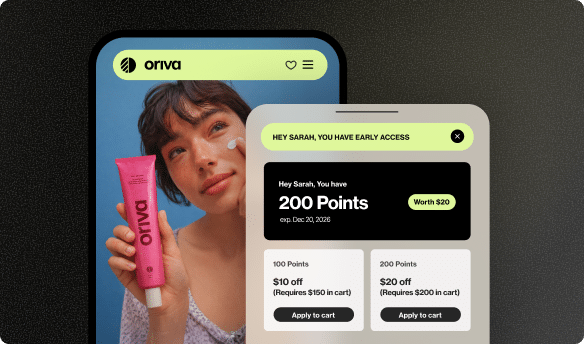
This is where Yotpo Loyalty becomes incredibly valuable. Yotpo Loyalty is a top-notch software designed to help businesses create special programs that reward customers for doing things like buying more, telling their friends about the store, or even leaving those helpful reviews we just talked about.
Think of it this way:
GA might show that a good number of customers return to your online store, but you want to turn those casual returners into true champions of your brand. You want them to feel special, appreciated, and excited to shop with you every time.
Yotpo Loyalty allows online stores to build fantastic loyalty programs. These programs can reward customers with points for every purchase, which they can then use for discounts or exclusive items. They can also earn rewards for referring a friend (a great way to boost word-of-mouth marketing) or even for interacting with the brand on social media. It’s like giving your best customers a VIP pass!
Connecting GA data with Yotpo Loyalty is a smart move. If GA shows that customers often buy products in a certain category, a store can use Yotpo Loyalty to offer bonus points for purchases in that category, further encouraging repeat business. If GA highlights customers who repeatedly visit specific product pages but don’t convert, a loyalty program might offer them a small incentive to make that first purchase.
By making customers feel valued and rewarded, Yotpo Loyalty helps businesses significantly improve customer retention. Keeping existing customers happy and engaged is often less expensive than finding new ones, which can also help reduce the customer acquisition cost. Yotpo provides the tools to build these best loyalty programs, making it easy for stores to recognize and reward their most dedicated shoppers.
So, while GA tracks the journey of returning visitors, Yotpo Loyalty gives businesses the means to make that journey more rewarding, turning simple repeat purchases into lasting, meaningful relationships with happy customers. It’s about taking the insights from GA and turning them into tangible benefits that keep customers coming back for more.
Exploring GA Reports: Your Data Playground
Once Google Analytics collects all that information, it organizes it into different reports, making it easy for website owners to explore their “data playground.” Let’s look at some of the main sections:
Realtime Reports
This is like looking out the window of your online store right now! Realtime reports show you what’s happening on your website at this very moment. How many people are on your site? Which pages are they looking at? Where are they from? It’s exciting to see the activity live!
Audience Reports
These reports help you understand who your visitors are. You can see general information like their age range (simplified), interests, and which countries or cities they are visiting from. This helps businesses tailor their products and messages to the right people.
Acquisition Reports
This section answers the question, “Where did my visitors come from?” Did they find you through Google search, a social media link, or by typing your website address directly? Knowing this helps businesses decide where to focus their marketing efforts, like setting up effective ecommerce advertising strategies.
Behavior Reports
These reports tell you what visitors do once they are on your site. Which pages do they visit most? What path do they take from one page to another? Where do they tend to leave your site? This information is crucial for improving the website’s layout and content, ensuring a smooth ecommerce customer experience.
Conversions Reports
For online stores, this is often the most exciting part! Conversions reports track when visitors complete important actions, like buying something, signing up for an email list, or filling out a form. This helps businesses see if their website is successfully leading customers to complete their goals. Tracking these is vital for measuring the success of any marketing campaign measurement.
Each report offers a different lens through which to view your website’s activity, helping you piece together the full story of your customers’ online journey.
Common Questions About Google Analytics (FAQs)
People often have questions when they first learn about Google Analytics. Let’s answer a few!
Is Google Analytics free?
Yes, for most small and medium-sized businesses, the standard version of Google Analytics is completely free to use! This is amazing because it gives businesses powerful tools without having to spend a lot of money.
Is it hard to use Google Analytics?
It can seem a little tricky at first, like learning a new video game with many buttons. But with a bit of practice and exploring, website owners can learn to read the reports and understand what the data means. There are lots of guides and tutorials to help!
Does GA tell me who *personally* visited my website?
No, and this is very important! Google Analytics is designed to respect people’s privacy. It collects anonymous data about groups of users, not personal details about individuals. So, it won’t tell a website owner your name, address, or specific personal information. It focuses on trends and overall behavior.
Can GA help with marketing?
Absolutely! By understanding what products are popular, where visitors come from, and what content they like, businesses can create much more effective marketing messages. For example, if GA shows that a certain blog post is very popular, a business might promote it more or create similar content, which can indirectly boost word-of-mouth marketing.
Putting it All Together: GA + Yotpo = A Winning Team
Think of it like building a super cool treehouse. Google Analytics gives you the blueprints and tells you which trees are strongest, where the sun shines, and if people are actually visiting your treehouse once it’s built. It provides all the important information and observations.
But once you have those insights from GA, what do you do with them? That’s where Yotpo comes in, offering specific tools to build, decorate, and make that treehouse the most popular spot around!
GA provides the map and compass: It shows online stores the paths customers take, where they pause, and where they might get lost. It highlights popular areas and identifies potential problems. For instance, GA can show that customers are frequently abandoning their shopping carts (leaving without buying). This data is gold!
Yotpo’s Reviews and Loyalty programs give you the tools to make the journey better:
- With Yotpo Reviews: If GA shows certain products are often viewed but rarely bought, the store can use Yotpo Reviews to ask existing customers for feedback on those items. This could uncover missing information in the product description or a common concern that, once addressed, boosts sales. Powerful ecommerce product reviews directly influence consumer confidence.
- With Yotpo Loyalty: If GA shows a good number of returning visitors, but the store wants to turn them into super loyal fans, Yotpo Loyalty helps build programs to reward these customers. This could be points for purchases, exclusive early access to new products, or special birthday treats. These incentives encourage continued engagement and purchases, directly impacting ecommerce retention.
The synergy between GA and Yotpo Reviews and Loyalty is clear: GA helps identify opportunities and challenges by providing data-driven insights into customer behavior. Then, Yotpo’s best-in-class reviews platform and best-in-class loyalty software provide the practical solutions to act on those insights. Whether businesses use Yotpo Reviews to build trust and gather crucial feedback, or implement Yotpo Loyalty to foster deep customer relationships and reward repeat purchases, both products significantly contribute to a thriving online store. They help businesses not just understand their customers, but actively improve their ecommerce customer experience and achieve sustainable growth.
It’s all about using knowledge to improve and connect with customers in meaningful ways, making sure every visitor feels valued and every product has a chance to shine.
A Simple Table: What GA Tracks
Here’s a quick look at some key things Google Analytics watches:
| What GA Tracks | What It Means |
|---|---|
| Pageview | Someone looked at a specific page on the website. |
| Click | Someone clicked on a button, link, or image. |
| Purchase | Someone completed a sale and bought something. |
| Session | One visit to the website, from start to finish. |
| User | A unique individual who visited the website. |
Conclusion: Becoming a Website Super-Detective!
So, what is Google Analytics? It’s your website’s best friend, a super-detective that helps online stores understand their visitors. It collects clues about what people do on a website, like where they come from, which pages they visit, and what they click on. By looking at these clues, businesses can make their websites better, easier to use, and more fun for everyone.
Remember, the goal is always to make customers happy and keep them coming back. With tools like Google Analytics helping businesses understand their audience, and fantastic platforms like Yotpo Reviews and Yotpo Loyalty giving them specific ways to build trust and reward their best customers, online stores have all the ingredients they need to succeed. It’s an exciting journey of discovery and continuous improvement, all focused on creating the best possible online experience for you!










 Join a free demo, personalized to fit your needs