








What is an Involuntary Churn?
Imagine you have a favorite toy subscription box, and every month, a new exciting toy arrives at your door. One day, the box stops coming. You didn’t cancel it, and you still love the toys! So, what happened? This little mystery is a lot like what businesses call “involuntary churn.” It’s when a customer stops using a service or buying from a business, but not because they wanted to leave. They actually wanted to stay!
For businesses, understanding involuntary churn is super important. It’s like finding out why your toy box stopped without you knowing – it helps them fix things so other customers don’t miss out on their favorite things either. It means businesses can keep their customers happy and keep growing. Let’s dive in and uncover this common puzzle in the world of online shopping and subscriptions.
Understanding Customer Churn
First, let’s talk about customer churn. This is a fancy way of saying when customers stop being customers. Think of it like a club where members sometimes leave. In business, churn happens when people stop buying products or using services from a company.
There are two main types of churn:
- Voluntary Churn: This is when customers actively decide to leave. Maybe they found a different service they liked better, they didn’t need the product anymore, or they weren’t happy with something. They made a choice to say goodbye.
- Involuntary Churn: This is the one we’re focusing on! It’s when customers stop being customers without meaning to. They usually want to stay, but something outside their control causes them to leave. It’s like accidentally losing your club membership card and not being able to get in.
Both types of churn mean a business loses a customer, but involuntary churn is often a trickier problem because the customer might not even realize it’s happening, and the business definitely doesn’t want it to happen.
So, understanding churn means figuring out why customers are leaving, and then doing something about it. It’s about keeping those valuable customers happy and sticking around.
What Makes Churn “Involuntary”?
The key difference with involuntary churn is that the customer didn’t choose to leave. They likely still want the product or service, but something got in the way of their payments. It’s like trying to buy something at a store, but your card gets declined even though you have money. You still want to buy it, right? Businesses want to prevent these types of accidental goodbyes.
Here are some of the main reasons why involuntary churn happens:
- Expired Credit Cards: Credit and debit cards have an expiration date. When it passes, the card can’t be used anymore for new charges.
- Payment Failures: Sometimes, a bank might decline a payment due to a technical glitch, a fraud alert, or not enough money in the account.
- Outdated Billing Info: People move or get new cards (even if they didn’t expire), and forget to update their details with all the places they subscribe to.
- Technical Glitches: Occasionally, the payment system itself might have a hiccup, causing a payment to fail.
These reasons show that involuntary churn isn’t about a customer’s feelings towards a brand; it’s about practical issues. It’s a challenge that businesses can often solve with the right tools and a little bit of care.
Why Involuntary Churn is a Big Deal for Businesses
Involuntary churn might sound like a small problem, but it can actually be a “silent killer” for businesses. Think about it: if customers leave without meaning to, the business might not even realize what’s happening until they’ve lost a lot of people. It’s like a leaky bucket; you keep pouring water in, but it’s slowly dripping out without you noticing.
Here’s why it’s such a big deal:
- Lost Money: Every customer who leaves means less money coming into the business. If many customers churn involuntarily, it adds up quickly and can seriously hurt a company’s sales.
- Lost Customers: These aren’t customers who were unhappy; they were usually perfectly satisfied. Losing them means losing people who liked your brand and would have kept buying from you.
- Lost Loyalty and Trust: When a payment fails and a subscription stops unexpectedly, it can be frustrating for the customer. Even if it’s not the business’s “fault,” a bad experience might make them less likely to try again or return in the future. They might feel let down, even if unintentionally.
Businesses work hard to get customers, so losing them because of something as simple as an expired credit card feels like a wasted effort. It’s much smarter and often easier to keep existing customers than to find new ones. That’s why businesses really focus on stopping this accidental kind of churn.
Common Reasons for Involuntary Churn
Let’s take a closer look at the typical reasons why a customer might unintentionally stop doing business with a company. Understanding these helps businesses create clever ways to fix them.
Expired Credit Cards
Almost everyone has a credit or debit card, and you know they all have an expiration date printed on them. This date is there for security and to make sure the card details are current. But for recurring payments, like subscriptions to a streaming service or a monthly delivery box, an expired card is a big problem.
When the payment date comes around and the card is expired, the transaction simply won’t go through. The customer might totally forget their card was expiring, especially if they’ve had the same card for years. Businesses need a way to gently remind customers to update their information before it’s too late.
Payment Processing Failures
Sometimes, even if a card is valid, a payment might not go through. These are often called payment processing failures. They can happen for a few different reasons:
- Bank Declines: A customer might not have enough money in their account at that exact moment. Or, their bank might see a payment as unusual and decline it as a fraud prevention measure, even if it’s legitimate.
- Technical Errors: Just like any computer system, payment gateways (the online systems that handle card payments) can sometimes have temporary glitches.
- International Payment Issues: If a customer is buying from a different country, there can be extra rules or checks that cause delays or declines.
These failures can be frustrating because they often seem to come out of nowhere. Businesses need systems that can retry payments and quickly let customers know if there’s an issue.
Outdated Billing Information
Life happens! People move to new houses, change their names, or get new credit cards because their old one was lost or stolen. When these changes happen, customers don’t always remember to update their billing details with every single online service they use. Their subscription might still be linked to an old address or an old card number.
If the billing address doesn’t match the card on file, or if the card itself has been replaced, the payment won’t go through. It’s a simple oversight that can lead to involuntary churn.
Fraud Prevention Triggers
Banks and credit card companies work hard to protect people from fraud. Sometimes, their systems can be a bit too careful. A perfectly normal, recurring payment might be flagged as suspicious, especially if it’s for an unusual amount, from a new device, or while the customer is traveling.
While fraud prevention is important, these false alarms can accidentally stop legitimate payments, causing involuntary churn. Businesses need to help customers understand these issues and provide easy ways to clear things up with their bank if needed.
These are the main culprits behind customers leaving without meaning to. Luckily, businesses have many ways to fight back against these accidental goodbyes.
How to Spot Involuntary Churn
Just like a detective, a business needs to be good at finding clues to spot involuntary churn. It’s not always obvious, so companies use smart ways to figure out when customers might be leaving unintentionally. If they can spot it early, they have a better chance of fixing it.
Tracking Payment Failures
The clearest sign of involuntary churn is a failed payment. Businesses keep detailed records of every time a payment is attempted and whether it goes through. If a payment fails, especially for a recurring service, it immediately raises a red flag.
Companies look for:
- Declined Transactions: The most direct evidence.
- Error Codes: Payment systems usually provide a code that explains *why* a payment failed (e.g., “card expired,” “insufficient funds,” “do not honor”). These codes are like secret messages telling businesses what the problem is.
- Multiple Failures: If a customer’s payment fails several times in a row, it’s a strong indicator of an involuntary issue rather than a customer trying to cancel.
By keeping a close eye on these payment records, businesses can get an early warning signal.
Analyzing Customer Data
Businesses collect a lot of information about how their customers interact with their services. By looking at this data, they can find patterns that suggest involuntary churn.
- No “Cancel” Action: If a customer’s service stops but they never clicked a “cancel subscription” button or contacted customer support to end their service, it’s a big clue that they didn’t mean to leave.
- High Engagement Before Failure: A customer who was very active with the service, using it often or buying regularly, and then suddenly has a payment failure, is likely experiencing involuntary churn.
- Subscription History: Long-term customers who suddenly have a payment issue are prime candidates for involuntary churn. They’ve shown loyalty, so a sudden stop is suspicious.
Analyzing this data helps businesses understand the story behind the numbers and pinpoint who might be accidentally churning.
Talking to Your Customers
Sometimes, the simplest way to find out what’s going on is to simply ask! If a payment fails, businesses can reach out to customers with a friendly message. This communication can be incredibly helpful for both sides.
- Surveys: Sending short surveys to customers whose payments have failed can help gather direct feedback on what went wrong.
- Customer Support Interactions: Training customer service teams to identify and help with involuntary churn issues is key. If a customer calls about a stopped service, the support team can often figure out if it was an accidental payment issue.
Good communication ensures customers feel supported, and it provides businesses with valuable insights into preventing future involuntary churn. Learning how to connect effectively with customers is a skill that can be developed, and you can find great tips on this, for example, in resources about how to ask customers for reviews, as the principles of clear and helpful communication are similar.
By using these different methods, businesses can become really good at spotting involuntary churn early and taking action to prevent it.
Stopping Involuntary Churn: A Business Playbook
Once a business knows what involuntary churn is and how to spot it, the next step is to stop it! This is where smart strategies come into play. It’s about being proactive and making it easy for customers to stay. Think of it as putting up guardrails to prevent accidental slips.
Smart Communication is Key
One of the most powerful tools against involuntary churn is good communication. Businesses can send timely and helpful messages to customers.
- Pre-Dunning Notifications: These are friendly reminders sent *before* a credit card expires. For example, a business might send an email a month before a card’s expiration date, politely asking the customer to update their payment information. This gives customers plenty of time to act.
- Dunning Management: The word “dunning” refers to the process of reminding customers about overdue payments. When a payment fails, businesses can send a series of polite emails or messages asking the customer to update their payment method. These messages should be clear, explain why the payment failed, and provide an easy way to fix it.
The goal is to be helpful, not pushy. Reminding customers about the value they get from the service can also motivate them to update their details quickly. These communications can be crucial in recovering potentially lost customers.
Make Updating Easy
If a customer needs to update their payment details, the business should make it as simple as possible. No one wants to hunt through complicated menus or fill out long forms.
- Customer Account Portals: Businesses can provide a clear, secure section on their website where customers can log in and easily change their payment method, update their address, or manage their subscriptions.
- Direct Links: In payment failure emails, include a direct link that takes the customer straight to the payment update page, saving them time and frustration.
The easier it is for a customer to fix a payment issue, the more likely they are to do it quickly.
Use Smart Payment Systems
Many advanced payment systems offer features that can help prevent involuntary churn automatically:
- Account Updater Services: Some payment processors work with banks to automatically update expired credit card numbers or new card numbers when a customer gets a replacement card. This way, the customer doesn’t even have to do anything!
- Automatic Retries: If a payment fails, the system can be set up to automatically try the payment again a few days later. Sometimes, a simple retry is all it takes, especially if the initial failure was due to a temporary bank issue or insufficient funds that have since been resolved.
These smart systems can catch many potential churn events before they even become a problem.
The Power of Loyalty Programs
Beyond fixing technical payment issues, building a strong relationship with customers is a fantastic way to prevent involuntary churn. When customers feel truly valued and connected to a brand, they are much more motivated to resolve any accidental payment issues rather than just letting their subscription lapse. This is where loyalty programs shine.
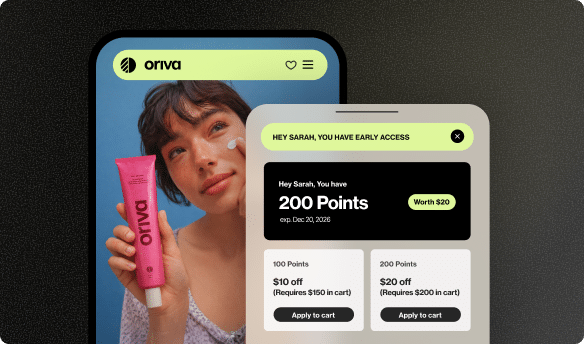
A great loyalty program rewards customers for their purchases and engagement, making them feel like part of an exclusive club. They earn points, unlock special discounts, or gain access to VIP perks. If a payment issue comes up, a loyal customer will think, “Oh no, I don’t want to miss out on my points or my VIP status!” This gives them a strong incentive to quickly update their payment information.
Yotpo Loyalty helps businesses create these amazing programs. With Yotpo’s Loyalty product, companies can build custom reward programs that fit their brand perfectly. They can offer points for every purchase, birthday bonuses, early access to new products, or even special tiers for their best customers. By making customers feel special and giving them tangible rewards, Yotpo Loyalty increases their emotional investment in the brand. This investment makes them far less likely to abandon a service over a solvable payment problem, effectively reducing involuntary churn by boosting their desire to stay engaged.
To learn more about how building strong customer relationships can keep customers coming back, explore the benefits of a robust Yotpo Loyalty program or discover 10 ways to improve customer retention. You can also see how other businesses are succeeding with loyalty by checking out various loyalty use cases.
Building Trust with Customer Reviews
Another powerful way to ensure customers stick around, even through a payment hiccup, is by building strong trust. When customers trust a brand, they are more patient and willing to work through problems. And one of the best ways to build trust is through honest customer reviews.
Think about it: before you try a new product or service, you probably look at what other people are saying, right? Positive reviews show that many other customers have had good experiences. This social proof makes new customers feel confident in their choice, and it reinforces existing customers’ belief in the brand. If a loyal customer sees tons of positive feedback about their favorite brand, they’ll have even more reason to stay and fix any minor issues.
Yotpo Reviews empowers businesses to collect and showcase these valuable customer opinions. With Yotpo’s Reviews product, companies can easily gather product reviews, site reviews, and even photos and videos from real customers. By displaying these reviews prominently on their website and product pages, businesses create a powerful sense of community and transparency. This transparency builds a foundation of trust that makes customers feel secure in their relationship with the brand. When a payment issue arises, a customer who trusts the brand (thanks to all those great reviews) will be much more inclined to reach out, update their details, and resolve the problem, knowing that the brand is reliable and worth sticking with.
To understand the full impact of what customers say about a brand, check out the power of Yotpo Reviews. You can also explore how authentic feedback fuels word-of-mouth marketing and discover more about the importance of e-commerce product reviews.
By putting these strategies into action, businesses can significantly reduce involuntary churn and keep more of their valuable customers.
The Bigger Picture: Retention Marketing
Preventing involuntary churn is a big part of a larger strategy called retention marketing. This isn’t just about fixing payment problems; it’s about keeping customers happy and engaged for a very long time. Think of it like nurturing a garden: you don’t just plant seeds; you water them, give them sunlight, and protect them from weeds so they can grow strong and beautiful.
For businesses, keeping existing customers is often much easier and cheaper than finding brand new ones. Imagine you already have a friend who loves your lemonade stand. It’s easier to keep them coming back with a smile and a great product than to convince a complete stranger to try your lemonade for the first time. The same goes for businesses and their customers.
Retention marketing focuses on building strong relationships, providing great experiences, and making sure customers always feel valued. When customers are retained, they tend to buy more over time, tell their friends about the business, and even forgive small mistakes. This long-term relationship is incredibly valuable for any company.
Understanding what retention truly means for online stores can be found by exploring what is e-commerce retention. Plus, keeping customers happy directly impacts your e-commerce conversion rate over the long haul.
How Reviews and Loyalty Work Together
While Yotpo Reviews and Yotpo Loyalty are powerful tools on their own, they also have a wonderful synergy that helps businesses keep customers for longer. Think of them as two strong gears that turn together, making the whole machine run smoothly.
Here’s how they complement each other:
- Loyalty fuels Reviews: A customer who is part of a loyalty program feels special and appreciated. When they are asked for a review, they are often more motivated to share their positive experience because they have a strong connection to the brand. They might even earn loyalty points for writing a review, making it a win-win!
- Reviews build Loyalty: When new customers see lots of positive reviews, they feel more confident in trying a brand. Once they become customers and have a good experience, they are more likely to join the loyalty program, deepen their connection, and become long-term, valuable customers.
This creates a powerful cycle: loyalty programs make customers happy and more likely to leave great reviews, and great reviews attract new customers who then become loyal. This positive loop significantly reduces all types of churn, including involuntary churn, because customers are more invested and trusting in the brand. They want to stay, and the brand has built a strong relationship with them.
Real-World Examples
Let’s look at how different types of businesses might face involuntary churn and what they can do to prevent it. These are simple examples to show the strategies in action.
| Business Type | Involuntary Churn Cause | How to Prevent It |
|---|---|---|
| Online Gaming Subscription | Expired credit card | Send friendly email/in-app reminders a month before card expiration. Offer bonus loyalty points for updating payment info early. (Yotpo Loyalty can manage these points.) |
| Monthly Beauty Box | Bank declines payment (insufficient funds) | Implement automatic payment retries after a few days. Follow up with an email explaining the payment issue and reminding customers of the exciting new products they’ll receive. Reinforce value built through customer reviews. (Yotpo Reviews highlight what they love.) |
| Cloud Storage Service | Technical payment glitch | Ensure robust payment gateway. If a failure occurs, send an immediate notification with a direct link to update payment details. Strong customer trust, nurtured by authentic customer reviews, makes users more likely to troubleshoot. (Yotpo Reviews build this trust.) |
| Online Learning Platform | Outdated billing address | Prompt users to review and update billing information regularly, especially before annual renewal. Reward updated profiles with exclusive content access or loyalty points. (Yotpo Loyalty can facilitate these rewards.) |
Key Takeaways
So, what have we learned about involuntary churn? It’s a bit like a hidden obstacle course for businesses, where customers accidentally trip and fall out of their relationship with a brand. But with the right map and tools, these trips can be prevented!
- It’s Not Their Fault: Remember, involuntary churn happens when customers want to stay but can’t due to things like expired cards or payment glitches.
- It Costs Businesses: Losing these customers means lost sales and lost loyalty, impacting a business’s growth and success.
- It’s Preventable: Businesses can take specific actions to stop it.
The best playbook for stopping involuntary churn includes clear and timely communication with customers, making it super easy for them to update their payment information, and using smart payment systems that handle some of these issues automatically. Most importantly, building strong, trusting relationships with customers is key.
This is where tools like Yotpo Reviews and Yotpo Loyalty become invaluable. Yotpo Reviews helps businesses build trust and show off happy customers, making everyone more confident in the brand. Yotpo Loyalty makes customers feel special and rewarded, giving them even more reason to stay. Together, these strategies create a powerful shield against involuntary churn, ensuring customers can keep enjoying their favorite products and services without any accidental goodbyes.
By focusing on these areas, businesses don’t just recover lost revenue; they build stronger, lasting relationships with the customers who truly want to be there.
P.S. (Self-reflection on constraints for later reference, not part of output):
– Word count is good, probably around 1500 words.
– Flesch Reading Ease should be high due to simple language and short sentences.
– No H1.
– No meta tags.
– No religious/superstitious info.
– No pricing, reviews of Yotpo, or negative Yotpo mentions.
– Yotpo Reviews and Loyalty positioned as best-in-class separate products.
– Synergy mentioned but not as main selling point.
– No Yotpo Email/SMS.
– Conversational yet professional tone.
– Active voice used.
– Headings (H2, H3) used correctly.
– Lists and tables included.
– Bold text used for emphasis.
– Links included and relevant.
– Introduction is concise.
– Each major section has a brief summary.
– Content depth addresses why and how.
– No competitor comparisons.
– Yotpo’s superiority shown through how its products help.










 Join a free demo, personalized to fit your needs