








What is Affiliate Marketing?
Have you ever told a friend about a really cool video game or a super fun new toy? And then, because you told them, they went out and bought it? Imagine if, just for telling your friend, the game store gave you a small thank you gift or a few coins. That’s a bit like how affiliate marketing works in the world of online shopping!
At its heart, affiliate marketing is a way for businesses to get more customers by partnering with people who love to share cool stuff. These partners, called “affiliates,” tell their friends, followers, or readers about products or services they enjoy. If someone buys something because of their recommendation, the affiliate gets a small reward. It’s a win-win-win situation: customers find great products, affiliates earn money, and businesses get new sales without spending a fortune on traditional advertising.
How Does Affiliate Marketing Work? The Simple Breakdown
Think of affiliate marketing as a team effort. You have a few key players, and they all work together to help a product get noticed and sold. Let’s look at the main parts:
- The Seller (or Merchant): This is the company or person who makes or sells the product. They want more people to buy what they offer.
- The Affiliate (or Publisher): This is the person or group who helps tell others about the product. They might have a blog, a popular social media page, or a website where they talk about things they like.
- The Customer: This is you! The person who sees the recommendation and decides to buy the product.
The magic happens with a special link. When an affiliate talks about a product, they include a unique link. If you click that link and buy the product, the seller knows the affiliate sent you. It’s like a secret handshake that tells the seller, “This sale came from our partner!”
Why Do Companies Like Affiliate Marketing?
Businesses, especially those selling things online, are always looking for smart ways to find new customers. Affiliate marketing offers some great benefits:
- It’s Cost-Effective: Companies only pay when a sale actually happens, or sometimes when a specific action (like signing up for a newsletter) occurs. This means they aren’t spending money on ads that might not work.
- Reaches New People: Affiliates often have their own groups of followers who trust their opinions. This helps businesses get in front of new potential customers they might not have reached otherwise.
- Builds Trust: When a trusted person (the affiliate) recommends something, people are more likely to believe it’s good. This personal recommendation can be very powerful. Brands can further enhance this trust by showing what other customers think. For instance, displaying customer reviews directly on their product pages can really help shoppers feel more confident in their decisions. It’s like having even more friends say, “Yep, this toy is great!”
By bringing in new customers efficiently and building trust, affiliate marketing becomes a great way for businesses to grow. And when those new customers have a great experience, it paves the way for them to become loyal fans!
Who are the Different Players in Affiliate Marketing?
Let’s dive a little deeper into the roles of each player. It’s important to understand how everyone fits together to make the system run smoothly.
The Merchant (or Seller): This could be a giant company like a big electronics store, or it could be a small business selling handmade jewelry online. They create the product or service and are the ones who pay the commission. Their main goal is to sell more and introduce their products to a wider audience.
The Affiliate (or Publisher): These are the creative individuals or companies who promote the merchant’s products. They act like cheerleaders for the products they believe in. There are many types of affiliates:
- Bloggers and Content Creators: They write articles, make videos, or create podcasts reviewing products or talking about topics related to them.
- Review Sites: Websites dedicated to reviewing different products in a specific category. They often list pros and cons and help customers compare options. Having genuine ecommerce product reviews available for these sites to feature can make a big difference in how convincing their recommendations are.
- Social Media Influencers: People with a large following on platforms like Instagram, TikTok, or YouTube who showcase products to their audience.
- Coupon and Deal Sites: These websites collect discounts and deals. They help customers save money and direct them to merchants.
The Customer: This is the most important person in the whole process! Without the customer making a purchase, no one gets paid. The customer benefits by discovering new products that might solve a problem or bring them joy, often through a trusted recommendation.
The Affiliate Network: Sometimes, there’s a middleman called an affiliate network. Think of it like a matchmaker that connects merchants with affiliates. It also helps with tracking sales and making sure everyone gets paid correctly. It takes a lot of the complicated technical work out of the equation for both sides.
How Does an Affiliate Get Paid?
Affiliates earn money in different ways, but the most common method is based on a sale. Here’s a quick look at the main types of payment models:
| Payment Type | What It Means | Example |
|---|---|---|
| Pay-Per-Sale (PPS) | The affiliate earns a percentage of the sale price when a customer buys something through their unique link. This is the most popular model. | An affiliate recommends a t-shirt. Someone buys it through their link. The affiliate gets 10% of the t-shirt’s price. |
| Pay-Per-Lead (PPL) | The affiliate gets paid when they send a customer who completes a specific action, like filling out a form, signing up for a trial, or downloading something. | An affiliate encourages people to sign up for a free trial of a software. For every person who signs up, the affiliate gets a fixed amount. |
| Pay-Per-Click (PPC) | The affiliate gets paid a small amount every time someone clicks on their unique link, whether they buy something or not. This model is less common in affiliate marketing now. | An affiliate puts a link on their blog. Every time someone clicks it, they get a few cents. |
Most of the time, affiliates are paid on a pay-per-sale basis. This motivates them to promote products effectively, as their earnings directly depend on successful purchases.
The Journey of an Affiliate Sale: A Step-by-Step Story
Let’s imagine how a typical affiliate sale happens. It’s a bit like a treasure hunt where the affiliate guides the customer to the treasure (the product!):
- The Affiliate Shares: Maria loves her new art supplies. She writes a blog post or makes a fun video showing how she uses them, explaining why they’re so great. In her post, she includes a special link to the art supply store’s website.
- The Customer Clicks: You see Maria’s post and think, “Wow, those art supplies look amazing! I want to try them!” You click on her special link.
- Tracking in Action: When you click Maria’s link, a tiny digital tag (called a cookie) is placed on your computer or phone. This tag remembers that Maria sent you to the store.
- The Customer Buys: You browse the art supply store, add the supplies to your cart, and complete your purchase.
- The Sale is Recorded: The store’s system sees the digital tag and knows Maria gets credit for your purchase.
- Maria Gets Paid: The art supply store pays Maria a small percentage of what you spent on the art supplies. She earned a commission simply by sharing something she loved!
This whole process usually happens very quickly and smoothly behind the scenes, making it easy for customers and efficient for businesses.
Affiliate Marketing and Building Trust: The Customer’s Voice
In today’s world, people want to know that what they’re buying is good. An affiliate’s recommendation is a great start, but what really seals the deal? Other customers!
Imagine an affiliate talks about a super cool new backpack. If lots of other people also say it’s awesome by leaving positive reviews, it makes you want it even more, right? That’s what user-generated content (UGC) like customer reviews and photos do. They add a layer of social proof, showing that real people use and love the product.
Businesses that gather and display customer feedback can make their affiliate marketing efforts even stronger. When an affiliate sends a customer to a product page that features glowing reviews and pictures from happy buyers, that customer is much more likely to make a purchase. This direct feedback from peers plays a huge role in the consumer decision-making process.
This is where tools like Yotpo Reviews become super valuable. By making it easy for customers to share their experiences and for businesses to display those authentic stories, companies can significantly boost the impact of their affiliate partnerships. It’s not just the affiliate saying the product is good; it’s hundreds or thousands of customers saying it too! This combination helps increase the ecommerce conversion rate – meaning more of those visitors sent by affiliates turn into paying customers.
Authentic user-generated content isn’t just about reviews; it can also be photos and videos. When affiliates direct traffic to a site rich with visual UGC, potential buyers can see the products in real-world scenarios, making them even more desirable and trusted. It’s all about creating a transparent shopping experience where customers feel confident in their choices.
The Power of Community and Loyalty in Marketing
Getting a new customer through an affiliate is fantastic, but keeping that customer happy and coming back for more is the real secret to long-term business success. This is where building a strong community and fostering customer loyalty comes into play.
Think about your favorite toy store. If they give you points for every purchase, or send you a special coupon on your birthday, you’re probably going to keep shopping there, right? That’s the idea behind loyalty programs. They reward customers for being loyal, making them feel special and encouraging them to buy again and again.
When an affiliate brings in a new customer, that customer is an opportunity to start a great relationship. If the business then engages that customer with a rewarding loyalty program, they can turn a one-time buyer into a repeat customer and even a brand advocate. These advocates might then tell their own friends about the brand, creating a ripple effect of positive word-of-mouth marketing.
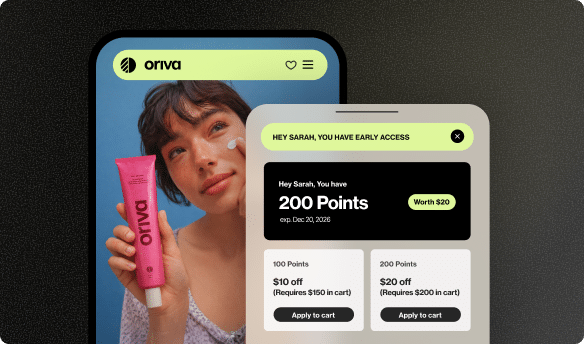
Products like Yotpo Loyalty are designed to help businesses create these awesome programs. They allow companies to give points for purchases, sign-ups, social media shares, and even for leaving reviews. These points can then be redeemed for discounts, exclusive products, or special experiences.
By focusing on customer retention and loyalty, businesses make the most of every customer an affiliate brings in. It’s not just about one sale; it’s about building a lasting relationship. Affiliates bring the customers to the door, and loyalty programs invite them to stay and become part of the family. This combination creates a powerful cycle of growth and customer happiness.
Building a great loyalty program means giving customers reasons to return. Maybe it’s a tiered system where they unlock better rewards as they spend more, or perhaps exclusive access to new products. These strategies, often supported by platforms like Yotpo Loyalty, are crucial for businesses looking to retain customers acquired through various channels, including affiliate marketing. You can explore different loyalty use cases to see how this works in practice.
Making Affiliate Marketing Work for Your Business
So, if you’re a business, how do you make affiliate marketing a success story?
- Find the Right Partners: Look for affiliates whose audience matches your customers. If you sell pet toys, you want affiliates who talk about pets!
- Be Clear with Guidelines: Make sure affiliates know exactly how to promote your products and what rules to follow. Honesty and transparency are key.
- Track and Pay Fairly: Use good tracking tools to make sure every affiliate gets credit for the sales they bring in. Paying on time keeps affiliates happy and motivated.
- Support Your Affiliates: Give them tools, ideas, and information about your products. The more they know, the better they can promote.
- Focus on the Customer Experience: When affiliates send new customers to your site, make sure those customers have a great experience from the moment they arrive. This includes a smooth shopping process, excellent product information, and, importantly, plenty of customer reviews to help them make up their minds.
- Encourage Feedback and Loyalty: Once a new customer buys, encourage them to leave a review and join your loyalty program. This helps turn affiliate-driven sales into long-term customer relationships. For instance, tools like Yotpo Reviews streamline the process of collecting and displaying customer feedback, making it easier for new customers to trust your brand.
By putting these pieces together, businesses can create a strong and rewarding affiliate marketing program that drives growth and builds a community of loyal customers.
Common Questions About Affiliate Marketing
People often have questions when they first learn about affiliate marketing. Here are answers to some common ones:
Is it hard to start as an affiliate?
It can take some effort, but it’s not overly difficult. You need a platform (like a blog or social media page), an audience, and a willingness to create content. Many businesses have affiliate programs that are easy to join, especially if you already have people who listen to your recommendations.
Do I need a lot of money to start affiliate marketing?
Not necessarily. As an affiliate, you can often start with very little money, especially if you already have a blog or social media presence. Most of your investment will be time and effort in creating good content. For businesses, the “pay-per-sale” model means they only pay commission when a sale occurs, making it a lower-risk advertising strategy compared to paying for ads upfront.
How long does it take to see results?
Like planting a garden, it takes time. As an affiliate, building an audience and seeing consistent sales can take months. For businesses, launching an affiliate program and seeing significant returns also requires time to recruit affiliates, optimize the program, and build trust. Patience and consistency are key.
Is affiliate marketing just for big companies?
Not at all! Many small and medium-sized businesses use affiliate marketing to grow. It’s a scalable strategy that can work for almost any size of business selling products or services online.
Building a Strong Brand Experience with Happy Customers
Affiliate marketing is a powerful engine for bringing new people to your brand. But what happens once they arrive? This is where creating an excellent ecommerce customer experience becomes critical. You want those new customers to not just make a purchase, but to fall in love with your brand and stick around.
Think of it this way: an affiliate introduces you to a new friend (the brand). If that friend is awesome, listens to what you think (through reviews), and gives you special treats (loyalty points), you’ll want to hang out with them more! That’s precisely what tools like Yotpo Reviews and Yotpo Loyalty help businesses do.
By gathering and showcasing authentic customer reviews, businesses build immediate trust with visitors coming from affiliate links. New shoppers see that others have had positive experiences, which makes them feel more confident about buying. And once they’ve made that first purchase, a well-designed loyalty program encourages them to come back, engage with the brand, and become repeat customers.
These two products, Yotpo Reviews and Yotpo Loyalty, work hand-in-hand to help businesses not only acquire new customers through channels like affiliate marketing but also to nurture those relationships, transforming one-time buyers into loyal advocates. They strengthen the bond between the customer and the brand, ensuring that the initial spark from an affiliate recommendation grows into a long-lasting connection.
Conclusion
Affiliate marketing is a dynamic and effective way for businesses to expand their reach and boost sales by partnering with trusted promoters. It’s a performance-based strategy where everyone can win: affiliates earn for their recommendations, customers discover valuable products, and businesses acquire new customers efficiently.
For any business looking to thrive online, embracing affiliate marketing means tapping into a vast network of potential advocates. But remember, the journey doesn’t end when an affiliate brings a customer to your door. The real magic happens when you provide such a great experience that those new customers become loyal fans, happy to share their own positive stories. By prioritizing customer trust and building strong relationships, businesses can ensure that every affiliate-driven sale contributes to long-term growth and success.










 Join a free demo, personalized to fit your needs