








What is Wholesaling?
Have you ever wondered how your favorite toy or snack gets to the store shelf? It’s not magic, it’s usually thanks to a super important process called wholesaling. Think of it like a secret handshake between businesses that helps get products from where they’re made to where you can buy them. Wholesaling is all about buying things in big, big batches and then selling them in smaller, but still pretty big, batches to other businesses. It’s like a giant game of “pass the parcel” where products travel through a few hands before they reach you.
Imagine a factory that makes thousands of shiny new bicycles every day. They can’t deliver one bicycle at a time to every single bike shop in every town, right? That would be a huge job! Instead, they sell a truckload of bikes to a special kind of business called a wholesaler. This wholesaler then sells smaller groups of bikes to different bike shops. So, the wholesaler acts like a connector, making sure stores have enough bikes to sell without the factory having to talk to every single shop owner. It makes the whole system run much smoother and often helps keep prices fair.
The Big Idea: Buying in Bulk
The main idea behind wholesaling is buying in bulk. What does that mean? It means purchasing a very large amount of one item at once. Have you ever gone to a big store with your family and seen giant boxes of cereal or huge packs of toilet paper? Buying those big packs often costs less per item than buying many small packs. Businesses do the same thing, but on an even bigger scale.
When a business, like a wholesaler, buys thousands of an item, the factory or maker can offer a lower price for each one. Why? Because it’s easier and cheaper for the factory to sell one giant order than many tiny ones. They save time, effort, and shipping costs. These savings then get passed along, which helps keep the price reasonable when you eventually buy that item from your local store. So, when a toy company sells a hundred thousand action figures to a wholesaler, everyone benefits!
Who are the Players in Wholesaling?
Wholesaling involves a few different types of businesses, all working together like a well-oiled machine. Let’s meet the main characters:
Manufacturers
These are the creators! Manufacturers are the companies that actually make the products. They design, build, and produce everything from sneakers and smartphones to cans of soup and car parts. Their main focus is making lots of high-quality items efficiently. They usually want to sell large quantities quickly so they can keep their factories busy and make new products.
Wholesalers
Think of wholesalers as the expert connectors. They buy huge quantities of products directly from manufacturers. They don’t usually sell to you, the everyday shopper. Instead, they sell to other businesses, like stores or smaller distributors. Wholesalers often have big warehouses to store all these products and special trucks or ways to deliver them. Their job is to bridge the gap between the big factories and all the different stores that want to sell those products.
Retailers
Retailers are the businesses you visit most often! These are the shops, supermarkets, online stores, and boutiques where you go to buy things. They buy products in smaller quantities from wholesalers (or sometimes directly from manufacturers if they’re very big stores). Their job is to display products nicely, help customers, and sell items one by one to people like you. They make sure you can find what you need easily.
Customers
And finally, there’s you! Customers are the people who buy products from retailers for their own use. You’re at the very end of this journey, enjoying all the products that have traveled through manufacturers, wholesalers, and retailers to reach you. Without customers, none of these businesses would exist!
Here’s a simple way to look at the flow:
| Player | What They Do | Who They Sell To |
|---|---|---|
| Manufacturer | Makes lots of products | Wholesalers (or big retailers) |
| Wholesaler | Buys huge amounts from manufacturers, stores them | Retailers |
| Retailer | Buys smaller amounts from wholesalers, displays them | You (the Customer!) |
| Customer | Buys products for personal use | Nobody (you buy!) |
Why Do Businesses Use Wholesaling?
Wholesaling isn’t just a random step; it’s a smart way to do business that helps everyone involved. Each type of player in the chain gets something important out of it:
For Manufacturers: More Sales, Less Worry
Imagine you make the best cookies in the world, but you only have one oven. If you had to sell one cookie at a time to every person who wanted one, you’d never get anything done! Manufacturers face a similar challenge. By selling thousands of items to a few wholesalers, they can sell huge amounts of their products without needing their own stores or sales teams to reach every single customer. This means they can focus on what they do best: making awesome products. They sell big, they sell fast, and they let wholesalers handle the next steps.
For Wholesalers: The Ultimate Connectors
Wholesalers are like the expert navigators of the business world. They make money by buying products at a lower bulk price from manufacturers and then selling them to retailers at a slightly higher price. They also specialize in things like storing products in big warehouses, managing inventory (knowing what’s in stock), and delivering goods. They often know a lot about specific kinds of products or certain areas, making them incredibly valuable for connecting the right goods with the right stores.
For Retailers: Great Products, Good Prices, Less Hassle
If you own a small toy shop, you probably don’t have enough space or money to buy ten thousand action figures directly from the factory. That’s where wholesalers come in! Retailers can buy just the right amount of products they need from a wholesaler, often getting a better price than if they tried to buy tiny amounts directly from the factory. This lets them offer a wider variety of items to their customers and helps them manage their own storage space. They can focus on creating a great shopping experience for you, instead of worrying about big shipments from far-off factories.
How Wholesaling Works Step-by-Step
Let’s break down the journey a product takes using wholesaling:
- Manufacturer Makes Goods: First, a factory produces a large quantity of a specific item, like a new brand of super-cool sneakers. They make thousands of pairs!
- Wholesaler Buys Many Goods: A wholesaler then places a very large order, buying maybe 10,000 pairs of those sneakers directly from the manufacturer at a special bulk price.
- Wholesaler Stores Goods: The wholesaler receives the huge shipment and stores all those sneakers in their big warehouse. They keep track of how many they have and where they are.
- Retailer Buys Fewer Goods from Wholesaler: Next, a shoe store (a retailer) in your town wants to sell these new sneakers. They contact the wholesaler and order 100 pairs. The wholesaler sells them to the store, adding a bit to the price to cover their costs and make a profit.
- Retailer Sells to You: The shoe store receives the 100 pairs of sneakers. They put them on display, help customers find their size, and sell them one pair at a time to people like you. The store adds a bit more to the price to cover their own costs and make a profit.
See? It’s a carefully planned journey where each step adds value and helps the product get closer to the person who will use it.
Different Types of Wholesalers
Just like there are different kinds of stores, there are also different kinds of wholesalers. They all do a similar job, but their methods can vary a little:
Merchant Wholesalers
These are the most common type. Merchant wholesalers actually buy and own the products they sell. They take possession of the goods, store them, and then resell them. They take on the risk that the products might not sell, but they also get to keep the profit when they do. They’re like the big inventory holders who manage everything from storage to delivery.
Agents and Brokers
Unlike merchant wholesalers, agents and brokers don’t actually own the goods themselves. Their main job is to act as matchmakers. They connect buyers (like retailers) with sellers (like manufacturers). They earn a commission, which is a fee, for making the deal happen. They’re experts at knowing who wants what and where to find it, but they don’t handle the products directly.
Manufacturer and Wholesalers
Sometimes, a manufacturer might decide to act as their own wholesaler. This happens when a company that makes products also has its own distribution centers and sells directly to retailers without using a separate wholesale business. They might do this to have more control over how their products are sold or to try and keep more of the profit for themselves. It’s a way for them to cover both the making and the initial selling steps.
The Benefits of Wholesaling
Wholesaling offers many advantages that help the entire business world function smoothly and efficiently:
- Cost Savings: By buying in huge quantities, wholesalers get better prices from manufacturers. These savings are then passed on, making products more affordable for retailers and, eventually, for you.
- Efficiency: Wholesalers streamline the supply chain. Manufacturers don’t have to deal with thousands of tiny orders, and retailers don’t have to deal with dozens of different manufacturers. It’s a more organized way to move goods.
- Variety: Because retailers can buy smaller quantities from wholesalers, they can offer a wider range of products in their stores. This means more choices for you when you go shopping!
- Market Reach: Wholesalers help products get to many more places. A small factory might only be able to reach stores in its own city, but with wholesalers, its products can end up in shops all across the country, or even the world.
- Reduced Risk for Manufacturers: Selling large batches to wholesalers means manufacturers can clear their stock faster and don’t have to worry about storing huge amounts of finished goods for long periods.
Challenges in Wholesaling
While wholesaling is super helpful, it’s not without its challenges. It requires smart planning and hard work, just like any other business:
- Managing Inventory: Wholesalers deal with huge amounts of products. Keeping track of everything in big warehouses, knowing what’s selling fast, and what’s moving slowly, is a big job. They need to make sure they have enough stock without having too much sitting around.
- Finding the Right Partners: A wholesaler needs to find reliable manufacturers who make good products, and good retailers who can sell those products effectively. Building these strong business relationships takes time and trust.
- Staying Competitive: The world of business is always changing. Wholesalers need to keep up with new trends, offer fair prices, and provide excellent service to stay ahead. They also need to be efficient to offer good deals to retailers.
- Logistics: This is a fancy word for planning and carrying out the movement of goods. Wholesalers need to figure out the best way to transport products, making sure they arrive safely and on time, which can be tricky with large volumes.
Wholesaling and the Customer Experience
You might think that because wholesalers don’t sell directly to you, their role doesn’t affect your shopping experience. But that’s not true at all! Wholesaling is a huge reason you find a wide variety of products at good prices in your local stores. It’s the engine that powers the availability of goods.
Because of wholesaling, retailers can focus on making your shopping experience amazing. They can concentrate on friendly service, attractive displays, and creating a sense of community. But how do retailers make sure they’re doing a great job and making customers happy? They listen to what customers say and strive to build strong connections.
How Businesses Connect with Customers in This Chain
Even though the wholesaler is behind the scenes, the retailer is on the front lines, directly interacting with you. This means retailers need to be really good at understanding what you want and how you feel about their products and service. This is where modern tools come in handy.
Making Wholesaling Even Better: Smart Tools for Retailers
While wholesaling sets up the supply chain, retailers need powerful tools to connect with the people who buy their products. They use smart strategies to keep customers happy and coming back. These strategies help retailers understand what’s working and build a strong fan base. Yotpo offers some fantastic tools that help retailers shine in this last, most important step of the journey.
Gathering Honest Opinions with Yotpo Reviews
Imagine you’re looking to buy a new video game. Wouldn’t you want to know what other kids think about it before you spend your allowance? Businesses are the same! Yotpo Reviews help retailers gather and show off what real customers think about their products and their store. When a retailer uses Yotpo Reviews, they make it easy for shoppers to share their thoughts.
Why are reviews so important for retailers who get their products through wholesaling?
- Builds Trust: When new customers see lots of positive reviews, they feel more confident buying from that store. It’s like getting a recommendation from a friend.
- Helps Other Shoppers: Reviews help future customers make better choices, which can lead to happier shoppers overall.
- Gives Feedback to Retailers: Reviews tell the retailer what products are really good, and which ones might need a second look. This can even influence what products they decide to buy from wholesalers in the future!
These honest opinions are a big part of what we call user-generated content, which helps people make informed decisions when shopping online. By collecting genuine feedback, retailers can even discover ways to improve their customer retention efforts.
Want to see how real businesses gather these valuable insights? Check out Yotpo Reviews and learn how to ask customers for reviews. You can also explore the power of ecommerce product reviews and discover what user-generated content is.
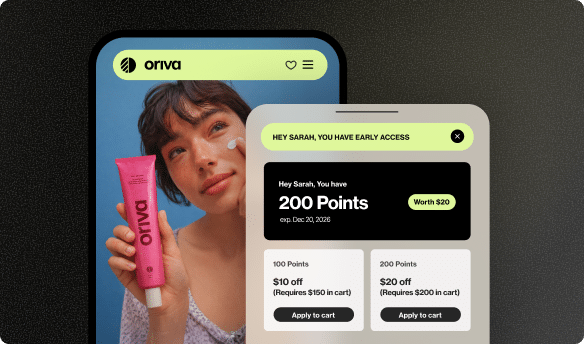
Building Fan Clubs with Yotpo Loyalty
Ever been to a store where they give you a special card, and after buying a few times, you get a free item or a discount? That’s a loyalty program! Yotpo Loyalty helps retailers create these special “fan clubs” for their customers. Instead of just buying a product once, these programs encourage customers to keep coming back because they get special rewards, points, or unique benefits.
How does Yotpo Loyalty help retailers who rely on wholesaling to stock their shelves?
- Keeps Customers Coming Back: When customers feel valued and get rewards, they’re more likely to shop at that same store again and again. This builds a strong group of repeat customers.
- Makes Customers Feel Special: Loyalty programs can offer exclusive perks, early access to new products (straight from the wholesaler!), or special discounts, making customers feel like VIPs.
- Helps Retailers Grow: Happy, loyal customers often tell their friends about a great store, which is like free advertising and brings in even more business.
Building loyalty is a fantastic way for retailers to ensure customers stick around. It’s a core part of building a successful long-term business relationship.
Discover how to turn shoppers into lifelong fans with Yotpo Loyalty. You can also explore the best loyalty programs and learn 10 ways to improve customer retention.
Working Together: Reviews and Loyalty
The really neat thing is that Yotpo Reviews and Yotpo Loyalty can work together like a tag team! Imagine earning loyalty points just for leaving a review about a product you loved. This synergy encourages customers to share their feedback, which helps other shoppers and gives the retailer valuable information. At the same time, loyalty program members, who are already invested in the brand, are often more likely to leave thoughtful reviews. It’s a win-win for everyone involved, creating a vibrant community around the products sourced through efficient wholesaling.
The Future of Wholesaling
The world of wholesaling is always changing. With more and more people shopping online, wholesalers are finding new ways to connect manufacturers and retailers through digital platforms. This means faster orders, quicker shipping, and even more choices for stores to offer you. However, the core idea remains the same: it’s all about making smart connections and efficiently moving products in large batches. The goal is always to get the right products to the right stores so that you, the customer, can easily find and enjoy them.
Conclusion
So, what is wholesaling? It’s the incredible, often unseen, process that acts as the backbone of how products get from factories to your favorite stores. It’s about smart businesses buying in bulk, storing goods, and then distributing them to retailers. This clever system saves money, makes everything more efficient, and brings a huge variety of products right to your fingertips.
From the moment something is made until it lands in your shopping cart, wholesaling plays a vital role. And for the retailers who bring these products to you, tools like Yotpo Reviews and Yotpo Loyalty become essential for building trust, gathering feedback, and creating a community of happy, repeat customers. It’s a behind-the-scenes hero that makes your world of shopping possible and exciting!










 Join a free demo, personalized to fit your needs