








What is a Voice and Tone Guide?
Imagine your favorite cartoon character. They probably have a very distinct way of talking, right? Maybe they’re always super excited, or perhaps they’re calm and thoughtful. That’s a bit like a brand’s “voice.” Now, imagine that same character sometimes sounds a little sad when things go wrong, or really enthusiastic when they’re happy. That’s their “tone” changing with the situation.
A Voice and Tone Guide is like a rulebook for how a business should communicate, making sure everyone on their team talks and writes in a way that sounds just like their brand. It’s super important for businesses, especially online stores, to have this guide. Why? Because it helps them connect with you, their customers, in a clear, friendly, and memorable way, no matter what they’re saying or where they’re saying it.
Think of it as giving your favorite online store its own unique personality, so every time you read something from them, you feel like you know them better. It helps them tell their story consistently, build trust, and make sure their message always hits home.
Why Do Businesses Need a Voice and Tone Guide?
You know how when you talk to a friend, you recognize them by their voice and how they express themselves? Businesses work similarly! For an online store, they don’t get to talk to you face-to-face very often. So, how they write on their website, in social media posts, or in messages to you becomes super important. This is where a voice and tone guide steps in to help.
Consistency is Key
Have you ever noticed how some brands always seem to sound the same, no matter if you’re looking at their product descriptions or reading an email from them? That’s consistency in action! A good voice and tone guide makes sure that whether you’re reading about a new product, getting help from customer service, or even seeing an ad, the message always feels like it’s coming from the same friendly (or serious, or playful!) company. This helps you get to know the brand better and makes their communication feel reliable.
Building Trust and Recognition
When a company communicates consistently, it helps build trust. Imagine if one day your favorite brand was super casual, and the next they were very formal and stuffy. You might wonder if it’s even the same company! A consistent voice helps a brand become recognizable, just like your favorite song. The more you hear it, the more you connect with it. This recognition helps customers remember the brand and feel more comfortable shopping with them again and again. It creates a solid foundation for customer relationships, making people more likely to engage and become loyal supporters.
Standing Out from the Crowd
There are so many online stores out there, right? How does one stand out from another? Part of the magic is in how they talk! A unique voice and tone guide helps a brand develop a personality that’s different from everyone else. If your brand is known for being quirky and fun, while another is known for being super helpful and informative, both can succeed because they’ve found their own way to connect. This unique way of talking makes a brand memorable and helps it capture people’s attention in a busy online world.
Making Teamwork Easier
Think about a big team working on a school project. If everyone wrote their part in a totally different style, the project might end up sounding a bit jumbled. It’s the same for a business! Many different people might write for a company: the person who writes product descriptions, the one who sends emails, and even the folks who chat with customers. A voice and tone guide gives everyone a clear roadmap. They know exactly how to write to make sure everything sounds like it’s coming from the same brand, even if different people are typing the words. This makes the whole team work together more smoothly and efficiently.
Voice vs. Tone: What’s the Difference?
These two words might sound similar, but they actually mean different things when we’re talking about how a brand communicates. It’s a bit like a person’s personality versus their mood. Let’s break it down to make it super clear!
Understanding Voice
Think of a brand’s voice as its constant personality. It’s who the brand always is, no matter what. Is the brand always friendly and approachable? Or is it more serious and expert-like? Maybe it’s playful and a little bit silly? This core personality doesn’t change. It’s the underlying feeling you get every time you interact with the brand. For example, a brand might have a voice that is:
- Enthusiastic: Always excited about products and customers.
- Informative: Focused on sharing facts and helpful knowledge.
- Friendly: Warm, welcoming, and easy to talk to.
- Bold: Confident, direct, and perhaps a little bit edgy.
This voice is the consistent heartbeat of all the brand’s messages.
Understanding Tone
Now, tone is how that voice changes depending on the situation, message, or emotion being expressed. It’s like your mood! You might always be a friendly person (that’s your voice), but you might speak in an excited tone when you’re telling a funny story, a sympathetic tone when someone is sad, or a serious tone when you’re explaining something important. A brand’s tone adapts to the message. For example, a brand with a generally friendly voice might use:
- An excited tone when announcing a new product.
- A sympathetic tone when responding to a customer problem.
- A playful tone in a social media post about a fun holiday.
- A reassuring tone when providing important information about an order.
The tone adds emotion and context to the brand’s unchanging voice.
A Simple Analogy
Here’s an easy way to remember: Imagine your favorite singer. Their singing voice (how they sound overall) is their voice. It’s unique to them. But the way they sing a happy song is different from how they sing a sad song; the feelings they put into each song change. Those changing feelings in their singing are the tone. So, the voice is the steady character, and the tone is the flexible feeling that adjusts for different moments.
What Goes Inside a Voice and Tone Guide?
A good voice and tone guide isn’t just a fancy idea; it’s a practical document filled with clear instructions. It’s like a recipe book for how to talk like the brand! Let’s peek inside and see what kinds of things you’d typically find there.
Brand Personality Traits
First off, a guide will clearly describe the brand’s “character.” Is the brand a helpful mentor, a playful friend, or a wise expert? Listing these traits helps everyone understand the core identity. For example, a guide might say: “Our brand is friendly, optimistic, and straightforward.” These words set the stage for all communication.
Words to Use and Words to Avoid
This section is super helpful! It gives specific examples of words and phrases that fit the brand’s personality, and equally important, words to stay away from. For instance, a brand aiming for a modern, simple feel might tell writers to “use ‘awesome’ instead of ‘magnificent'” or to “avoid jargon and overly technical terms.” This keeps the vocabulary consistent and on-brand, making sure messages are clear and understood by everyone, especially children reading the content.
Grammar and Punctuation Rules
Believe it or not, how a brand uses commas, exclamation points, and even sentence length can be part of its voice! Some brands might use lots of exclamation points to sound enthusiastic, while others might prefer shorter, more direct sentences for a serious, efficient feel. The guide will lay out these grammar and punctuation choices to keep everything consistent, even down to the little details.
Examples in Action
The best part of a voice and tone guide? Seeing it in action! This section provides real-world examples of how the brand’s voice and tone should look in different situations. These examples help writers understand exactly how to apply the guidelines, turning abstract ideas into concrete messages.
Talking about Reviews
When customers share their thoughts about products, it’s a big deal! A voice and tone guide helps brands decide how to ask for these opinions and how to respond to them. For example, a friendly brand might say: “We’d love to hear what you think!” and respond to a happy review with: “Wow, that’s amazing to hear! So glad you loved it!” Even if a review isn’t perfect, the guide helps the brand respond thoughtfully and kindly. Tools like Yotpo Reviews are fantastic for collecting and displaying these important customer voices. They ensure that when a brand asks for feedback, or thanks a customer for their thoughts, the message is always aligned with their unique communication style. Consistent communication in these areas helps foster a positive experience and builds trust. Learn more about how to ask customers for reviews and the power of ecommerce product reviews.
Communicating about Loyalty Programs
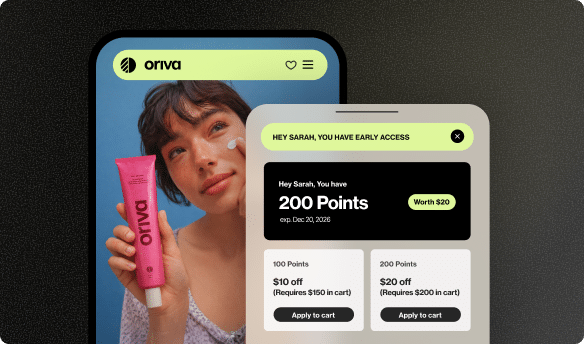
Loyalty programs are all about making customers feel special and keeping them coming back. A voice and tone guide ensures that every message about the program, from inviting someone to join to celebrating their reward, sounds like the brand. If the brand is playful, maybe they’ll use fun words to announce new rewards! If they’re more sophisticated, their messages will reflect that. Yotpo Loyalty helps businesses create and manage these exciting programs. It’s crucial that all the communications around these programs – welcoming new members, explaining how to earn points, or celebrating a customer’s birthday – consistently reflect the brand’s established voice and tone. This builds deeper connections and encourages customers to engage more. Check out our guide to the best loyalty programs and strategies for improving customer retention.
How Does a Voice and Tone Guide Help My Business Grow?
Okay, so we know what a voice and tone guide is and what’s inside it. But how does all this “talking” really help a business get bigger and better? It’s not just about sounding good; it’s about making real connections that lead to growth. Let’s dive into how this guide becomes a secret weapon for success.
Better Customer Experiences
Imagine if every time you contacted a company, you felt understood and heard. That’s what a great voice and tone can do! When a business speaks clearly, kindly, and consistently, customers have a much smoother and happier experience. They don’t get confused, they feel a connection, and they’re more likely to feel positive about their entire journey with the brand. Happy customers tend to stick around and tell their friends, which is a fantastic way for any business to grow!
Stronger Brand Identity
A consistent voice and tone carves out a very clear picture of the brand in customers’ minds. It makes the brand more than just a place to buy things; it gives it a personality, a soul. This strong brand identity helps the business stand out in a crowded market. People start to recognize it, know what to expect, and form an emotional bond with it. That connection is incredibly powerful for long-term success.
Increased Engagement
Think about someone who tells amazing stories versus someone who speaks in a flat, boring way. Which one would you rather listen to? The same goes for brands! When a brand communicates with an engaging voice and an appropriate tone, people are much more likely to read their messages, click on their links, and interact with their content. Whether it’s commenting on a social media post or opening an email, increased engagement means customers are paying attention and are more involved with the brand.
Boosting Customer Loyalty
Ultimately, a strong, consistent voice and tone helps to build deep loyalty. When customers feel a genuine connection with a brand, they become more than just buyers; they become fans. They trust the brand, they feel understood by it, and they appreciate the consistent experience. This loyalty is incredibly valuable because loyal customers not only buy again but often become brand advocates, spreading positive word-of-mouth. This focus on keeping customers happy and engaged is a core part of what helps businesses succeed, much like the strategies highlighted by word-of-mouth marketing. Tools like Yotpo Loyalty are specifically designed to nurture these relationships, ensuring that every interaction reinforces that strong connection and keeps customers coming back for more.
Creating Your Own Voice and Tone Guide: A Simple Path
Building a voice and tone guide might sound like a big job, but it’s totally doable! It’s an exciting journey to define how your brand will connect with the world. Think of it as painting a self-portrait of your brand, using words instead of colors. Here’s a simple path to help you get started:
Know Your Brand’s Heart
Before you can decide how your brand talks, you need to understand what it’s all about. What’s its purpose? What values are most important to it? Is it super innovative, or more about comfort and tradition? Is it funny, serious, or somewhere in between? Knowing the core of your brand, its mission, and its beliefs will be the foundation for its voice. Think about what makes your brand truly special and unique.
Listen to Your Audience
Who are you talking to? Understanding your customers is super important. How do they talk? What kind of language do they use? Do they like short, punchy messages, or do they prefer more detailed explanations? By listening to your audience, you can tailor your brand’s voice and tone to resonate with them, making your communication more effective and welcoming. After all, communication is a two-way street!
Gather Examples
Look at how your brand already communicates. What messages have worked really well? What didn’t quite hit the mark? Collect examples of emails, social media posts, product descriptions, or even customer service responses. This can include both good and not-so-good examples. You can also look at other brands you admire (not competitors, just brands with great communication!) and see what you like about their style. This helps you figure out what feels right for your own brand.
Write It Down
This is where the magic happens! Start writing down your brand’s personality traits. Define its core voice. Then, think about different situations and how the tone might shift. For example: “Our voice is always friendly and encouraging. Our tone is excited when we announce new products, but empathetic when addressing customer concerns.” List specific words to use and words to avoid. Make it clear and easy to understand, almost like a checklist. The more examples you include, the better!
Share and Practice
A guide is only useful if everyone uses it! Share your new voice and tone guide with everyone on your team who writes anything for the brand. This could be people writing product descriptions, marketing messages, or even customer support replies. Encourage them to read it, ask questions, and practice using it. The more everyone uses it, the more consistent your brand’s communication will become. Consistent internal communication is essential for customer experience, aligning with principles of ecommerce customer experience.
Review and Update
The world changes, and so might your brand or your audience over time. Don’t just create the guide and forget about it! Periodically review your voice and tone guide to make sure it’s still accurate and effective. Are there new phrases your audience is using? Has your brand evolved slightly? Make updates as needed to keep your guide fresh and relevant. It’s a living document that grows with your business.
Real-World Examples of Voice and Tone
Sometimes, seeing examples can make abstract ideas much clearer. Let’s imagine a few different types of brands and how their unique voice might stay consistent, while their tone adapts to different situations. This table will help paint a picture of how these guides are used every day.
| Brand Voice (Always) | Situation | Adapting Tone (Changes) | Example Message |
|---|---|---|---|
| Friendly & Approachable (Like a helpful neighbor) | Announcing a new product | Excited & Enthusiastic | “Guess what?! Our super comfy new blanket just dropped! Get ready for the coziest snuggles ever!” |
| Friendly & Approachable | Responding to a customer issue | Empathetic & Reassuring | “Oh no, we’re so sorry to hear about that! Let’s get this sorted for you right away. Our team is here to help!” |
| Knowledgeable & Expert (Like a wise teacher) | Sharing a helpful tip | Informative & Authoritative | “Unlock sharper photos! Mastering aperture settings can transform your shots. Here’s how to begin…” |
| Knowledgeable & Expert | Announcing a technical update | Clear & Direct | “We’re rolling out a critical security update tonight. Service may experience brief interruptions between 2-3 AM PST.” |
| Playful & Quirky (Like a fun-loving friend) | Sending a discount offer | Witty & Playful | “Psst… your cart called, and it misses you! Treat it (and yourself) to 15% off before this offer vanishes into thin air! ✨” |
| Playful & Quirky | Acknowledging a mistake | Humorous & Apologetic | “Oopsie daisy! Our bad. Looks like a tiny typo snuck into our last email. Pretend we said the right thing, okay? 😉” |
As you can see, the core personality (the voice) stays the same, but the way it’s expressed (the tone) cleverly adapts to fit what’s happening. This makes every message feel just right!
The Role of Voice and Tone in the Digital World
In today’s world, where so much of our communication happens online, a brand’s voice and tone guide is more important than ever. From social media posts to customer service chats, every digital interaction is a chance for a brand to express itself. Let’s explore how voice and tone play a crucial role in the fast-paced digital landscape, especially for online businesses.
Online Reviews and User Content
When customers share their experiences through online reviews, photos, or videos, it’s called User-Generated Content (UGC). This content is incredibly powerful! A brand’s voice and tone guide is essential here because it dictates how the brand thanks customers for positive reviews, how it responds to questions, or how it addresses any less-than-perfect feedback. For instance, a friendly brand might thank a happy customer with an enthusiastic “So thrilled you loved it!” while a serious brand might offer a more formal “We appreciate your valuable feedback.” Tools like Yotpo Reviews help businesses gather and manage all this amazing customer content. They also provide a great way to show off what customers are saying, ensuring that the brand’s responses are always consistent with its established voice and tone. This consistent engagement with what is user-generated content helps build trust and influences other customers, playing a big part in the consumer decision-making process.
Loyalty Program Communications
Online stores often have special programs to reward their most loyal customers. These programs rely heavily on clear and engaging communication. A voice and tone guide ensures that all messages related to these programs – from inviting new members to celebrating earned rewards – consistently reflect the brand’s personality. This builds excitement and reinforces the brand’s identity. For example, a playful brand might send a reward notification that says, “Woohoo! You’ve unlocked a secret stash of points!” while a more elegant brand might say, “A special reward awaits you, exclusively for our valued members.” Yotpo Loyalty is a great solution for creating and managing these programs, making sure every interaction with your loyal customers strengthens their connection to your brand through consistent, on-brand messaging. This helps nurture those valuable customer relationships over the long term.
Social Media and Beyond
From quick tweets to engaging Instagram captions and helpful FAQ sections, a brand’s voice and tone needs to shine through everywhere online. The guide helps ensure that even short, snappy messages feel authentic to the brand. This means that whether you’re chatting with a customer on a live chat, posting an update on Facebook, or even writing an important update on your website, your brand always sounds like itself. This digital consistency helps customers feel more connected to the brand, making every interaction a little more personal and memorable.
Conclusion
So, there you have it! A Voice and Tone Guide is much more than just a list of rules for writing; it’s the heart and soul of how a brand communicates. It’s about giving an online store its own unique way of talking, ensuring every message sounds consistent, trustworthy, and memorable. By carefully defining its voice (its constant personality) and its tone (how that personality adapts to different situations), a business can build stronger connections with its customers.
From asking for and responding to customer reviews to celebrating milestones in loyalty programs, a consistent voice and tone makes every interaction count. It helps customers recognize the brand, feel understood, and ultimately builds that precious loyalty that keeps them coming back again and again. For any business looking to grow and thrive in the busy world of online shopping, having a clear Voice and Tone Guide isn’t just a good idea—it’s an essential tool for building lasting relationships and standing out from the crowd.










 Join a free demo, personalized to fit your needs