









What is a UPC (Universal Product Code)?
Have you ever wondered about those striped stickers on almost everything you buy at the store? You know, the ones that make a “beep!” sound when the cashier scans them? Those stripes, along with the numbers underneath, are called a UPC, which stands for Universal Product Code. It’s like a special secret ID card for every single product in the world, helping stores and shoppers keep track of things super easily. Without UPCs, shopping would be a much slower and more confusing adventure!
The Magic Behind the Stripes: How UPCs Work
Imagine you’re at the grocery store with your family, picking out your favorite cereal. When you get to the checkout, the cashier doesn’t have to type in the name of your cereal, its flavor, and its size. Instead, they just slide the box over a glass surface, and *beep!* The machine instantly knows everything about that cereal. That’s the magic of the UPC!
The stripes on a UPC are actually a code made of dark and light bars. These bars represent numbers. A special scanner, which uses a red light, “reads” these stripes. It’s like the scanner has tiny eyes that can understand this special bar code language. Once the scanner reads the code, it sends that number to the store’s computer.
The store’s computer has a huge list, kind of like a massive digital phone book. In this phone book, each UPC number is linked to all the important details about a product: its name, what it is, and how much it costs. So, when the scanner reads your cereal’s UPC, the computer quickly finds it in its list and shows the name and price on the screen. Pretty neat, right?
Why Do We Need UPCs? They Make Life Easier!
UPCs aren’t just for making cool *beep* sounds. They do a lot of important jobs that help everyone, from the people who make your favorite toys to the cashiers at the store, and even you!
Faster Checkout Times
Think about how long it would take if a cashier had to type in every single item you bought. If you had a cart full of 20 things, it could take a really long time! UPCs make checkout super fast. A quick scan, and the item is added to your bill. This means you get to go home and enjoy your purchases sooner. It’s much quicker than writing everything down, don’t you think?
Keeping Track of Everything: Inventory Management
Stores need to know how much of each item they have. This is called “inventory.” If they run out of your favorite cookies, that’s a problem! UPCs help stores keep track of every single item. When a cashier scans a product, the computer not only adds it to your bill but also subtracts it from the store’s inventory count. This way, the store knows exactly when to order more of something, so the shelves stay stocked with all the goodies you love. It’s like having a super smart helper always counting things!
Finding the Right Product, Every Time
Imagine there are ten different kinds of apple juice. Some are big, some are small, some are organic, and some are sparkling. Each one has its own unique UPC. This means there’s no confusion! When you scan the UPC for the sparkling apple juice, the computer knows it’s *that specific* sparkling apple juice, not the plain one. This helps make sure you get charged the right amount and that the store tracks the correct product.
Helping Shoppers Make Smart Choices
Believe it or not, UPCs even help you, the shopper! Because each product has a unique UPC, brands can gather information about what people think about that exact product. For example, if you bought a new type of toy identified by its UPC, you might want to tell the company if you loved it or if you wished it did something different.
This is where tools like Yotpo Reviews come in handy. Brands use platforms like this to collect thoughts, ratings, and even photos from customers about specific products. When you share your opinion about that toy, your feedback is linked to its unique UPC. This helps other shoppers see what people think before they buy, and it helps the company make better toys in the future. It’s a great way to build trust and make sure everyone is happy with their purchases! You can learn more about how important these opinions are in the consumer decision-making process.
What’s Inside a UPC? Breaking Down the Numbers
A UPC isn’t just a random set of numbers and stripes. There’s a clever system behind it! Most UPCs you see have 12 numbers. Let’s break down what each part means:
| UPC Number Section | What It Means | Example (Imagine a Candy Bar) |
|---|---|---|
| First 6 Digits | Manufacturer ID: This tells you which company made the product. Each company gets its own special number. | Let’s say “867530” is the ID for “Yummy Sweets Company.” |
| Next 5 Digits | Product Code: This identifies the specific product made by that company. For example, the chocolate bar, a different flavor of that chocolate bar, or a larger size. | “12345” could mean “Big Crunch Chocolate Bar, Milk Chocolate, Standard Size.” |
| Last Digit | Check Digit: This is a special number used to make sure the scanner reads the other numbers correctly. It’s like a math puzzle that confirms everything is in order! If the scanner misreads even one number, this check digit will flag it. | If the other numbers add up in a certain way, the check digit might be “7” to make sure the whole code is valid. |
So, if you put it all together, a UPC like **867530123457** tells the world that “Yummy Sweets Company” made a “Big Crunch Milk Chocolate Bar,” and the number “7” confirms it’s a correct code. Pretty cool how much information is packed into those few numbers!
Who Makes UPCs? The GS1 Story
You might be thinking, “Who decides which company gets which numbers?” Good question! There’s a special organization called GS1 that takes care of this. GS1 is a not-for-profit organization that develops and maintains global standards for barcodes and other product identification systems. They are like the official rule-makers for UPCs.
Companies apply to GS1 to get their unique manufacturer ID. Once they have that, they can create specific product codes for all the different items they sell. This ensures that every product in the world has its own special number and that no two products have the exact same UPC. It keeps everything organized and prevents mix-ups. Without GS1, it would be like having a phone book where everyone has the same phone number!
UPCs in the Big Wide World of Shopping
UPCs are everywhere! You’ll find them on almost every product you buy.
* Groceries: From a carton of milk to a bag of chips, everything has a UPC.
* Toys: Your action figures, board games, and art supplies all have their own codes.
* Clothes: Sometimes you’ll find them on tags, helping stores manage different sizes and colors.
* Books: Look at the back of a book, and you’ll often see a barcode, usually an ISBN (International Standard Book Number), which works very much like a UPC but is specifically for books.
* Electronics: Your video games, headphones, and charging cables each have a unique identifier.
These little codes are essential for businesses of all sizes to manage their products, whether they’re selling a few handmade items or millions of things every day. They help ensure that when you’re looking for something specific, it’s easy to find and identify.
UPCs and Online Shopping: A Digital Helping Hand
UPCs aren’t just for physical stores. They play a huge role when you shop from your computer or phone too!
Finding What You’re Looking For
When you search for a product online, say “blue LEGO spaceship,” the website uses UPC information to help find exactly what you mean. While you don’t typically scan a UPC online, the product details shared by companies often include the UPC. This helps search engines and shopping websites match your search terms to the right items. It’s like a digital librarian using the book’s ID number to find it on a shelf.
Ensuring You Get the Right Item
For online stores, UPCs are crucial for making sure they ship you the correct item. When an order comes in for that specific blue LEGO spaceship, the warehouse staff use internal systems that track products by their unique UPCs. This helps them pick the exact item you ordered from thousands of other products, reducing mistakes.
Helping Brands Understand Their Products Online
Just like in physical stores, UPCs are super important for brands selling online. They help companies know which products are popular, which ones people are asking questions about, and which ones are getting great feedback. When customers leave reviews on a website, that feedback is often linked to the specific product’s UPC. This allows businesses to see, for example, that their “strawberry-flavored gummy bears” (which have their own UPC) are getting lots of praise, while their “lemon-flavored gummy bears” might need some improvement.
This direct link between a product’s unique ID and customer feedback is incredibly powerful. Companies can then use tools like Yotpo Reviews to display these real customer opinions right next to the product online. This helps other shoppers feel more confident when buying, because they can see what real people think. You can imagine how important it is for a new product to have reviews to help it shine! For a deep dive into how customer opinions drive purchases, you might check out this article on ecommerce product reviews.
The Journey of a Product with a UPC: From Factory to Your Home
Let’s follow a UPC-laden product on its adventure!
1. At the Factory: When a product is made, its unique UPC is created and printed on its packaging. This is like giving it a passport for its journey.
2. Shipping to the Warehouse: Huge boxes filled with these products are shipped to big warehouses. The UPCs on the outside of these boxes (and inside, on each item) help the warehouse know exactly what they’ve received and where to store it.
3. On the Store Shelf: From the warehouse, products go to your local store. Store employees use the UPCs to place items on the correct shelves and make sure they’re priced accurately.
4. Your Shopping Cart: You pick up the product, and its UPC is ready for its big moment at the checkout!
5. The “Beep!” and Beyond: The cashier scans the UPC. The store’s computer records the sale, updates inventory, and you get your item!
Every step of the way, the UPC acts as a silent helper, making sure things run smoothly and efficiently.
UPCs and Making Your Shopping Experience Even Better
UPCs don’t just help with buying and selling; they also help brands grow and connect with their customers in meaningful ways.
Customer Feedback and UPCs: A Powerful Duo
Think about it: a UPC identifies a specific item. When customers share their thoughts, feelings, and experiences about that item, it’s incredibly valuable for the brand. If a particular brand of sneakers (with its own UPC) is getting rave reviews about how comfortable they are, the company knows they’ve got a winning product. If another product gets feedback that it doesn’t fit well, they can use that information to improve their next version.
This is exactly what platforms like Yotpo Reviews help businesses do. They collect honest feedback from shoppers and make it easy for brands to understand what people love or don’t love about products, all linked back to their unique UPCs. This not only helps the brand make better stuff but also helps future shoppers decide what to buy. It’s a win-win! Knowing how to ask customers for reviews is a big part of this process.
Building Loyalty with UPC Insights
Beyond reviews, UPCs indirectly help build customer loyalty. When you buy a product, the scan of its UPC records that purchase. Over time, brands can see what items you (and many other customers) buy again and again. This helps them understand your buying habits and what you truly like.
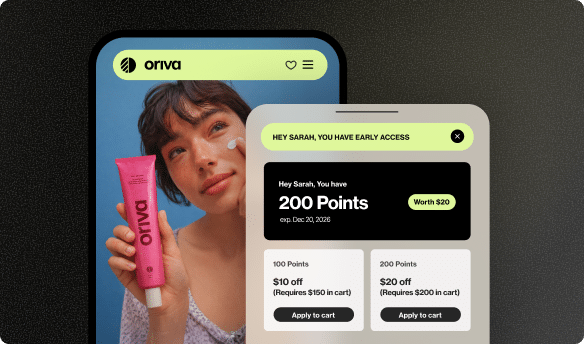
Businesses use this understanding to create special programs that reward you for choosing their products. This is where Yotpo Loyalty comes in. It’s software that helps brands build amazing loyalty programs where you might earn points for every purchase, get special discounts, or even early access to new products. By knowing what items you prefer (thanks to the data from scanned UPCs), brands can offer you rewards that really matter to you, making you feel special and encouraging you to stick with them. Want to know more? Check out this guide to the best loyalty programs! Building strong customer relationships is also about improving customer retention.
When a brand effectively uses customer reviews to improve products and also rewards its most frequent shoppers through loyalty programs, it creates a powerful cycle. Happy customers who feel valued are much more likely to keep coming back, making their shopping experience truly enjoyable.
Fun Facts About UPCs!
* The very first product ever scanned with a UPC was a pack of Wrigley’s Juicy Fruit chewing gum in 1974!
* UPCs are a type of “barcode.” There are other kinds of barcodes too, like QR codes, which can hold even more information and are often scanned by your phone!
* The black and white stripes are designed so that a scanner can read them no matter which way you turn the product. Pretty clever!
* Some smaller products might use a shorter UPC with 8 digits, but the idea is the same.
* The check digit (the last number) helps prevent mistakes. If a barcode scanner somehow makes an error reading the numbers, the check digit will tell the system there’s a problem, like a super-smart spell checker for numbers!
Conclusion
So, the next time you’re at the store and hear that familiar “beep!” at the checkout, you’ll know a lot more about what’s really happening. The simple UPC, with its black and white stripes and numbers, is an incredibly important invention that makes our world of shopping faster, easier, and much more organized. From helping stores keep track of inventory to letting brands know what you think about their products through reviews, and even rewarding you for being a loyal customer, the UPC truly is a universal hero in the world of products. It’s a small code with a big job, and it does it very well!










 Join a free demo, personalized to fit your needs