








Have you ever told someone how you feel about something, like a new toy or a yummy snack? Maybe you said, “This toy is amazing!” or “That snack tasted terrible!” What if computers could understand those feelings too? That’s exactly what Sentiment Analysis is all about! It’s like teaching a computer to be a super-listener, able to tell if words are happy, sad, excited, or even a little bit angry. For businesses, this is like having a superpower, helping them understand what their customers truly think and feel, even when they read thousands of comments.
The Secret Language of Feelings: How Computers Understand Us
Imagine you’re reading a story, and you can tell if the characters are having a good day or a bad day just by the words they use. Computers can learn to do something similar. They look at words, phrases, and even how sentences are put together to figure out the general “mood” or “feeling.”
Words Have Power: Positive, Negative, and Neutral
Every word carries a little bit of feeling, doesn’t it? Think about these words:
- Positive words: awesome, fantastic, love, happy, great, wonderful
- Negative words: awful, hate, bad, terrible, disappointing, slow
- Neutral words: table, run, the, and, car (These don’t usually show a strong feeling)
Sentiment analysis works by teaching computers to recognize these kinds of words. It’s like giving them a giant dictionary where each word has a little tag saying “positive,” “negative,” or “neutral.” When the computer reads a sentence, it adds up the feelings of all the words to get an overall idea of the sentiment.
Beyond Just Words: Context is Key
But sometimes, it’s not just about individual words. The way words are used together, or the “context,” is super important. For example, if someone says, “This movie was sick!” they probably mean it was really good, not that it made them feel unwell. Or if they say, “I can’t believe how good this product is,” the “can’t believe” actually makes the positive feeling even stronger. Computers are getting smarter at figuring out these tricky parts of language.
Tones of Voice, Emojis, and More
Think about how you use emojis when you text your friends. A 😊 means you’re happy, while a 😠 means you’re not. Modern sentiment analysis can even understand these visual cues. It can also look at how many exclamation marks someone uses, or if they use all capital letters (which often means they’re shouting or very excited!). All these little clues help computers get a better grasp of real human feelings.
Why Does Sentiment Analysis Matter for Businesses?
For businesses that sell products or services, understanding how people feel is absolutely essential. It’s like having a superpower that lets them peek inside their customers’ minds. This understanding helps them make better decisions, keep customers happy, and ultimately grow.
Listening to Customers: The Ultimate Feedback Loop
Imagine a store that sells awesome sneakers. Thousands of people buy these sneakers every day. Some love them, some have a small problem, and some might even be disappointed. How can the store owner possibly read every single comment or email to understand what’s going on? That’s where sentiment analysis steps in! It helps businesses quickly sort through all that feedback to understand the general mood. For instance, Yotpo Reviews is a great way for businesses to collect these valuable customer thoughts directly on their website, and then sentiment analysis helps them make sense of it all.
Making Products Better
If many customers say a new backpack’s zipper always breaks, sentiment analysis will quickly highlight this negative feedback. The business can then use this information to improve the zipper, making their product much better for future customers. It’s like customers are giving helpful hints on how to make things perfect!
Improving How You Talk to Customers
Understanding customer feelings also helps businesses talk to them better. If customers are mostly positive about a certain feature, the business can highlight that feature in their advertisements. If customers are confused about something, the business can create clearer instructions or improve their customer support messages. It helps businesses understand the consumer decision-making process by showing what aspects of a product or service resonate most.
Keeping Customers Happy (and Coming Back!)
When businesses show they listen and care, customers feel valued. If a customer leaves a slightly negative comment, and the business sees it quickly thanks to sentiment analysis, they can reach out to help. This kind of quick response can turn an unhappy customer into a very happy and loyal one. Happy customers are more likely to buy again and even tell their friends about their great experience. This is also why understanding sentiment is so important for building strong customer loyalty programs, because when businesses know what customers like, they can reward them in ways that truly matter.
Where Does Sentiment Analysis Get Its Information?
Sentiment analysis needs words, lots and lots of words! These words come from all sorts of places where people share their opinions and feelings online. Think of it as a giant listening device that collects all the chatter about a product or service.
Customer Reviews and Testimonials
This is one of the most direct sources. When you buy something online, you might be asked to leave a review. These reviews are goldmines for sentiment analysis. They directly tell businesses what people liked or didn’t like about a product. Collecting product reviews is a crucial step for businesses wanting to use sentiment analysis effectively.
Social Media Posts
People love to share their thoughts on social media. Whether it’s a quick tweet about a new movie, an Instagram comment on a fashion brand, or a Facebook post about a recent dining experience, all this text can be analyzed to understand public sentiment. It’s a way for businesses to see what’s being said about them, even if it’s not directly on their own website.
Customer Support Chats and Emails
When you chat with a customer service representative or send an email with a question or problem, those conversations are full of information. Sentiment analysis can help identify common issues that make customers unhappy or pinpoint what makes a support interaction truly positive. This helps businesses improve their service.
Surveys and Feedback Forms
Businesses often ask customers to fill out surveys. While surveys sometimes have number ratings, they often include open-ended questions where customers can write their thoughts. These written answers are perfect for sentiment analysis to dig deeper than just a simple star rating.
Online Forums and Communities
Many people join online groups or forums to talk about their hobbies, products, or brands. These communities generate a lot of discussion. Sentiment analysis can scan these conversations to pick up on trends, common complaints, or popular opinions that might not appear in more formal feedback channels.
How Does Sentiment Analysis Work? A Peek Behind the Curtain
So, how do computers actually do this amazing trick of understanding feelings? It’s not magic, but it does involve some clever steps that teach computers to process human language.
Step 1: Collecting the Words (Data Gathering)
First, the computer needs a lot of text to analyze. This text, often called “data,” comes from all the places we just talked about: customer reviews, social media, emails, and more. Imagine gathering thousands or even millions of sentences written by people.
Step 2: Cleaning Up the Mess (Pre-processing)
Human language can be messy! People make typos, use slang, or include numbers and special characters that aren’t useful for understanding feelings. So, the computer “cleans” the text. It might correct spelling, remove punctuation, or convert all words to lowercase so “Happy” and “happy” are treated the same way.
Step 3: Teaching the Computer (Machine Learning)
This is where the real learning happens. People called “data scientists” give the computer examples of text that are clearly positive, clearly negative, or neutral. For example, they might show it a hundred reviews and manually label them: “This product is great!” = Positive. “I hated it.” = Negative. The computer uses these examples to learn patterns and rules for identifying sentiment on its own. It’s like showing a child many pictures of cats and dogs until they can tell the difference without you telling them.
Step 4: Sorting Feelings (Classification)
Once the computer has learned, it can start sorting new, unread text. It takes a new sentence, applies all the rules and patterns it learned, and then decides if the sentence is positive, negative, or neutral. Sometimes it can even assign a score, like 0.9 for very positive or -0.8 for very negative.
Step 5: Understanding the Big Picture (Reporting)
Finally, all this classified data is turned into something useful for businesses. Instead of just a list of individual sentences, businesses get charts, graphs, and summaries. They might see that 70% of customer reviews for a new product are positive, 20% are neutral, and 10% are negative. This big-picture view helps them quickly understand how people feel and where to focus their attention.
Different Kinds of Sentiment Analysis
Just like there are many different feelings, there are different ways computers can analyze sentiment. Some are very simple, while others are much more detailed and give businesses deeper insights.
Basic Polarity: Positive, Negative, Neutral
This is the simplest kind. It just tells you if a piece of text is generally happy (positive), generally unhappy (negative), or doesn’t lean strongly either way (neutral). It’s a quick way to get a pulse on overall feelings.
Fine-Grained Analysis: Very Happy to Very Unhappy
Sometimes, just knowing “positive” isn’t enough. Was it just “good” or was it “AMAZING”? Fine-grained analysis uses more categories, like:
- Very Positive
- Positive
- Neutral
- Negative
- Very Negative
This gives businesses a more nuanced understanding of how strongly people feel.
Emotion Detection: Joy, Sadness, Anger, Surprise
This goes even further than just positive or negative. Emotion detection tries to identify specific emotions expressed in the text. Is the customer feeling joy, sadness, anger, surprise, fear, or disgust? This is trickier for computers but can provide incredibly rich insights into customer experiences.
Aspect-Based Sentiment Analysis: What Exactly Are They Talking About?
This is super important for businesses! Imagine a customer writes, “The camera on this phone is amazing, but the battery life is terrible.” A simple sentiment analysis might just call the whole review “neutral” or “mixed.” But Aspect-Based Sentiment Analysis breaks it down. It would say:
- Sentiment about “camera”: Positive
- Sentiment about “battery life”: Negative
This tells the business exactly which parts of their product or service are working well and which need improvement. It’s like pinpointing the exact piece of the puzzle that needs attention.
Putting Sentiment Analysis into Action for Your Business
Knowing what sentiment analysis is and how it works is one thing, but seeing how businesses actually use it to make a difference is where it gets really exciting. It’s not just a fancy computer trick; it’s a powerful tool for growth and customer happiness.
Boosting Your Products with Customer Insights
Think about a company launching a new type of sparkling water. If they collect reviews, Yotpo Reviews helps gather thousands of opinions. Sentiment analysis can then quickly tell them that customers absolutely love the new “lemon-lime” flavor, but many find the bottle design hard to open. Without sentiment analysis, reading all those comments would take forever! With it, the company instantly knows to promote the popular flavor and redesign the bottle. This means happier customers and more sales. It helps businesses pinpoint popular features or areas for improvement, using direct customer feedback.
Crafting Marketing Messages That Really Connect
If sentiment analysis shows that customers often use words like “refreshing” and “energizing” when talking about a certain drink, the marketing team can use those exact words in their ads. This helps create messages that truly resonate with what customers already love and value. It also helps businesses understand the consumer decision-making process better by highlighting the emotional triggers and positive associations customers have with their products.
Building Stronger Customer Relationships
No one likes to feel ignored, especially when they have a problem. If a customer posts online about a frustrating experience with a product, sentiment analysis can flag that negative comment very quickly. This allows the business to reach out to the customer, apologize, and offer a solution. Turning a negative experience into a positive one is a powerful way to build loyalty. By using insights from sentiment analysis, businesses can identify happy customers and reward them through loyalty programs, making them feel even more special and encouraging them to keep coming back.
Spotting Trends and Preventing Problems
Imagine a small clothing brand. Suddenly, sentiment analysis shows a spike in negative comments about a new dress, all mentioning “poor stitching.” This early warning allows the brand to investigate, pull the faulty batch, and fix the problem before it becomes a widespread issue and damages their reputation. It’s like having an early warning system that helps businesses stay one step ahead.
The Tools That Help Businesses Listen Better
While the idea of sentiment analysis might sound complicated, there are great tools available that make it easy for businesses to use this powerful technology. These tools help collect and interpret customer feelings, turning raw words into actionable insights.
How Yotpo Helps Businesses Understand Their Customers
At Yotpo, we focus on helping businesses truly connect with their customers. Two key ways we do this are through collecting customer reviews and building strong loyalty programs, both of which benefit immensely from understanding customer sentiment.
- Yotpo Reviews: This product is designed to make it simple for businesses to gather honest opinions from their customers. When a customer leaves a review, whether it’s about how much they love a new pair of shoes or a suggestion for improving a skincare product, those words are packed with sentiment. Sentiment analysis helps businesses dig into these reviews to find what people really feel about specific product features, customer service, or shipping. This helps identify common themes, positive highlights, or areas needing attention. For example, a business might quickly see that everyone loves the “comfort” of their new hiking boots, but many are mentioning “tight laces.” Collecting product reviews is the first step, and understanding them through sentiment analysis takes it to the next level.
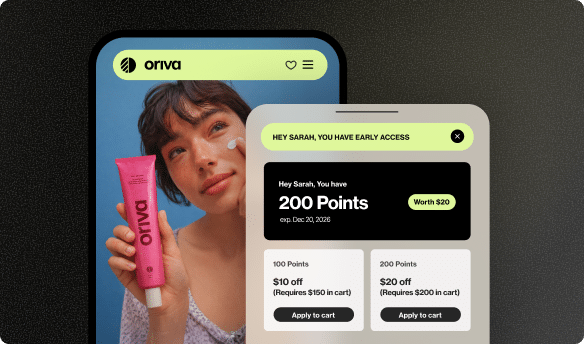
- Yotpo Loyalty: When customers feel understood and valued, they’re much more likely to stay with a brand and become repeat buyers. By analyzing sentiment from various touchpoints, businesses can tailor their loyalty programs to better meet customer desires. If sentiment analysis shows that customers frequently praise a brand’s quick shipping, the loyalty program might offer special perks like expedited shipping for top-tier members. This makes customers feel even more special and encourages customer retention.
There’s also a powerful synergy between these two Yotpo products. Imagine a customer leaves a review saying they loved the speedy delivery but found the product’s packaging wasteful. Sentiment analysis flags this specific feedback. The business can then address the packaging issue and, recognizing the customer’s positive experience with delivery and their valuable feedback, potentially offer them loyalty points. This creates a positive loop: the business improves its offerings based on review sentiment, and the customer feels heard and rewarded, strengthening their loyalty. It’s about creating a seamless experience where feedback leads to improvement and deeper customer relationships.
Challenges and Future of Sentiment Analysis
Even though sentiment analysis is incredibly powerful, it’s not perfect. Human language is full of quirks and surprises, and computers are still learning to keep up. But the future looks very promising!
The Tricky Parts: Sarcasm, Irony, and Evolving Language
Computers still struggle with things like sarcasm and irony. If someone writes, “Oh, what a lovely day to have my package arrive three weeks late!” a computer might pick up on the word “lovely” and think it’s positive, missing the sarcasm. Language is also always changing, with new slang words appearing all the time, making it a constant challenge for computers to stay updated.
The Future is Bright: Smarter Computers and More Feelings
Scientists and computer experts are constantly working to make sentiment analysis even better. Future systems will likely be much better at understanding sarcasm, context, and even the subtle feelings behind the words. They might even be able to analyze video and audio, not just text, to understand feelings from facial expressions or tone of voice. Imagine the possibilities for businesses then!
Conclusion: The Power of Understanding
So, what is sentiment analysis? It’s like giving computers the ability to listen to human feelings. It helps businesses be super-listeners, understanding what makes their customers happy, what makes them frustrated, and what they truly desire. By turning words into actionable insights, sentiment analysis empowers companies to make smarter decisions about their products, marketing, and customer service. It’s a key tool in making sure customers feel heard, valued, and understood, which in turn helps businesses grow and build lasting relationships with the people who matter most – their customers.










 Join a free demo, personalized to fit your needs