


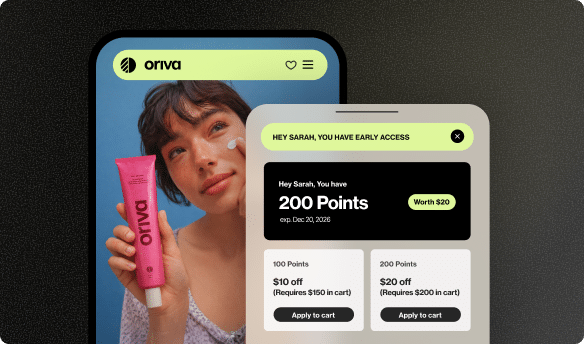







What is a Reward Devaluation?
Imagine you’ve been saving up your allowance, coin by coin, to buy a special toy. You know exactly how much the toy costs, and you’re almost there! But then, one day, the store owner suddenly decides that everything in the store now costs twice as much. Your saved allowance, which was almost enough for that toy, now feels like it’s worth a lot less. You’d probably feel a bit disappointed, right?
Well, in the world of online shopping and loyalty programs, something similar can happen. It’s called reward devaluation. It’s a fancy term for when the points or rewards you’ve earned from a brand suddenly become less valuable than they used to be. For businesses, understanding and avoiding reward devaluation is super important to keep their customers happy and coming back for more. Let’s dive in and learn all about it.
Understanding Reward Devaluation, Simply
At its heart, reward devaluation means that the “buying power” of your earned rewards goes down. Think of it like this: if you have a special loyalty card for your favorite online store, and you earn points every time you buy something, those points are like a special currency. You save them up to get discounts, free items, or exclusive access.
When reward devaluation happens, it’s like your special currency suddenly isn’t worth as much. Maybe 100 points used to get you a $10 discount, but now those same 100 points only get you a $5 discount. Or perhaps that cool mug you wanted for 500 points now costs 1000 points. Either way, you have to work harder, or spend more, to get the same reward you could have gotten before.
This isn’t just a small change; it can make customers feel like their loyalty isn’t being appreciated. Businesses want to build strong relationships with their customers, and a loyalty program is a fantastic way to do that. But if customers feel their hard-earned rewards are losing value, that trust can start to break down.
Why Do Rewards Lose Their Spark? Common Reasons
Reward devaluation doesn’t usually happen because a company wants to be mean. Sometimes, businesses have good reasons for changing their loyalty programs. However, how they make these changes, and how they tell their customers about them, makes all the difference. Here are some common ways rewards can lose their value:
Changes in Point Value
This is one of the most straightforward ways points can be devalued. A company might decide to change the monetary value associated with each point.
- Example: You used to earn 1 point for every dollar spent, and 100 points equaled a $10 discount. Now, 100 points only get you a $5 discount. The points you already have are suddenly worth half of what they were. This can be very frustrating because it feels like something was taken away from you.
Higher Point Costs for Rewards
Instead of changing how much each point is worth, a company might increase the number of points needed to redeem specific rewards. The points themselves might have the same individual value, but the “price” of the rewards goes up.
- Example: That popular product or gift card that used to cost 500 points now requires 1000 points. If you were saving up for it, your goal just moved further away. It’s like the toy store raising the price of the toy after you’ve already started saving.
Fewer Exciting Rewards
Sometimes, the problem isn’t the points themselves, but what you can get with them. If a company removes the most popular or desirable rewards from their program, or replaces them with less appealing options, customers might feel like their loyalty isn’t as rewarding anymore.
- Example: Your favorite brand used to offer exclusive early access to new products for their top loyalty members. Now, they’ve removed that perk, and instead, you can get a small discount on a less popular item. The “spark” of the program has definitely dimmed.
Rules Get Tougher or Less Flexible
A company might change the rules around how you earn or use your points. This can make it harder to reach rewards or might cause points to expire faster than before.
- Example: Points used to last for two years, giving you plenty of time to save. Now, they expire after six months. Or, maybe you used to earn double points during your birthday month, and that special bonus has been removed. These changes can make it feel like you have to jump through more hoops to get the same benefits.
The Big Problem: Why Reward Devaluation Hurts Your Business
When rewards lose their value, it’s not just a minor inconvenience for customers; it can cause serious problems for a business. Keeping customers happy and loyal is one of the most important things any online store can do.
Customers Feel Cheated and Lose Trust
Imagine investing your time and money into a brand, believing you’re earning something valuable, only for that value to shrink. This feeling of unfairness can make customers feel cheated. When trust is broken, it’s very hard to get back. Customers might start to question the brand’s fairness in other areas too.
Less Motivation to Buy
The whole point of a loyalty program is to encourage customers to choose your brand over others. If the rewards aren’t appealing or feel like they’re diminishing, why would someone go out of their way to shop with you? The motivation to make repeat purchases, or even to choose you for their first purchase, decreases significantly. This directly impacts how much customers spend and how often.
They Might Leave You for Competitors
In today’s online world, there are so many choices for shoppers. If your loyalty program disappoints them, it’s easy for customers to simply take their business elsewhere. Competitors might offer better rewards, or just a clearer, more consistent experience. Losing even a few loyal customers can quickly add up and hurt a business’s bottom line.
Bad Word-of-Mouth Spreads Fast
Unhappy customers often share their negative experiences with friends, family, and even on social media. This “bad word-of-mouth” can damage a brand’s reputation very quickly. People trust what other customers say much more than what a company says about itself. Imagine someone posting online, “Don’t bother with [Brand X]’s loyalty program, they just made all my points worth less!” That kind of message can scare away potential new customers.
Want to know more about how customer voices impact your brand? Check out our article on Word-of-Mouth Marketing.
Harder to Keep Customers
It’s generally much more expensive for a business to find new customers than it is to keep existing ones happy. When reward devaluation makes customers leave, a business then has to spend more money on advertising and marketing to replace them. This makes customer retention a significant challenge and increases the cost to acquire new customers. Understanding and improving eCommerce retention is critical for long-term success.
How to Keep Rewards Shining Bright: Preventing Devaluation
The good news is that reward devaluation can be avoided! Businesses can take smart steps to ensure their loyalty programs remain fair, exciting, and truly rewarding for their customers. It’s all about thoughtful planning and clear communication.
Be Clear and Honest From the Start
If a loyalty program needs to change, it’s always best to be completely upfront with customers. Explain why the changes are happening, what they mean for the customer, and when they will take effect. Giving plenty of notice and being transparent builds trust, even when changes might not be ideal. No one likes surprises when it comes to their hard-earned rewards.
Keep Rewards Valuable and Relevant
Regularly check to make sure the rewards offered are still desirable and feel like a good return for the customer’s loyalty. If popular products are no longer available as rewards, find new, equally exciting options. The goal is for customers to always feel like their points can get them something genuinely good.
Offer a Variety of Rewards
Different customers want different things. Some might love discounts, while others prefer exclusive products, free shipping, or special experiences. Offering a mix of rewards helps ensure that everyone finds something valuable in the program, reducing the chance that any single change makes the whole program feel less valuable to a wide group of people.
Listen to Your Customers
Who better to tell you what they value than your customers themselves? Businesses should actively ask for feedback on their loyalty programs. What rewards do they like? What would they like to see improved? This input is priceless for making sure the program stays exciting and relevant.
Learning how to ask customers for reviews and engaging with their feedback is essential. Tools like Yotpo Reviews can help businesses gather and understand this vital information, using it to improve their loyalty offerings and overall eCommerce customer experience.
Review Your Program Regularly
A loyalty program isn’t something you set and forget. Businesses should regularly look at their program to see if it’s still working well, if the rewards are still fair, and if it’s achieving its goals. This proactive approach helps catch potential devaluation issues before they become big problems.
Making Your Loyalty Program Awesome (and Avoiding Devaluation) with Yotpo
Preventing reward devaluation isn’t just about good intentions; it’s about having the right tools to build and manage a flexible, customer-centric loyalty program. This is where Yotpo Loyalty comes into play. It’s a best-in-class software designed to help businesses create loyalty programs that truly delight customers and build lasting relationships, making devaluation a thing of the past.
Designing Truly Valuable Rewards
With Yotpo Loyalty, businesses can create flexible and powerful loyalty programs that offer a wide array of rewards, ensuring customers always feel appreciated. You can set up different ways for customers to earn points, like making a purchase, leaving a review, or referring a friend. You can also customize the rewards they can redeem, from discounts to exclusive products or even special experiences. This flexibility helps keep rewards exciting and valuable, directly countering the feeling of devaluation. It empowers businesses to offer loyalty programs that resonate with their specific customer base.
Seamless Communication and Transparency
Yotpo Loyalty provides tools that make it easy for businesses to communicate program details and any potential changes clearly to their customers. Whether it’s through on-site widgets, dedicated loyalty pages, or automated messages, ensuring transparency is key. When customers understand how the program works and are informed about updates, they are much less likely to feel surprised or cheated, even if adjustments are necessary. This builds trust and keeps the customer relationship strong.
Listening to Customer Voices with Reviews
Understanding what your customers value is fundamental to preventing reward devaluation. Yotpo Reviews plays a big part in helping businesses gather and understand customer feedback. By collecting product reviews, site reviews, and even Q&A, brands gain insights into customer preferences and pain points. This valuable data can then inform decisions about the loyalty program, ensuring that rewards offered are genuinely desired and that any potential issues are addressed proactively. Imagine if customers consistently ask for a certain type of reward in their feedback; you can then adjust your loyalty program to meet those desires, making it even more appealing.
While Yotpo Reviews is a best-in-class solution for collecting and displaying authentic customer content, and Yotpo Loyalty is the go-to for building engaging loyalty programs, they can also work together. Insights from customer reviews can directly inform how you structure and enhance your loyalty offerings, creating a more cohesive and impactful customer experience.
Smart Program Management for Long-Term Value
Yotpo Loyalty allows businesses to easily manage and adjust their programs, ensuring they stay relevant and fair over time. You can analyze data to see which rewards are most popular, how points are being redeemed, and what impact the program is having on customer behavior. This insight helps businesses make data-driven decisions, proactively preventing situations where rewards might lose their appeal or value. It’s about designing a program that keeps customers engaged for the long haul, focusing on sustainable customer relationships and exceptional customer experience.
Putting It All Together: A Quick Look
Let’s quickly recap what we’ve learned about reward devaluation and how to tackle it:
| What is It? | Why It Happens | How to Prevent It | How Yotpo Helps |
|---|---|---|---|
| When loyalty points or rewards become less valuable over time. |
|
|
|
Conclusion: Keeping Customer Loyalty Strong
Reward devaluation is a significant challenge for any business running a loyalty program. It can quickly turn happy, loyal customers into disappointed ones who might take their business elsewhere. But by understanding why it happens and how to prevent it, businesses can make sure their loyalty programs continue to shine brightly.
The key is to always think from the customer’s point of view: Are the rewards still exciting? Do they feel fair? Is the communication clear? By designing programs that prioritize customer value and transparency, and by using powerful tools like Yotpo Loyalty and Yotpo Reviews to manage and gather feedback, businesses can build lasting relationships based on trust and genuine appreciation. After all, a truly valuable reward is one that always makes customers feel valued.




 Join a free demo, personalized to fit your needs