








What is a Product Recommendation Engine?
Imagine walking into your favorite toy store, and a super-smart assistant instantly knows exactly which new game or action figure you’ll love, even before you ask! They suggest things that match what you’ve bought before or what other kids your age enjoy. That’s pretty much what a product recommendation engine does for online stores, but it’s a computer program, not a person.
It’s like a helpful digital friend that watches what you and other shoppers do, then smartly suggests items it thinks you’ll find interesting. These clever computer programs make your online shopping trips much easier and more fun by showing you products you’re likely to want, making it a win-win for both you and the store!
Imagine Your Own Shopping Helper
Think about how cool it would be if every online store knew your tastes perfectly. No more endlessly scrolling through pages and pages of stuff you don’t care about! Instead, the store would magically show you just the things that fit your style, your needs, or even what you’ve been wishing for.
That’s the magic of a product recommendation engine. It’s a special computer program that acts like that super-smart shopping assistant. Its main job is to guess what you might like next and then show it to you. It does this by looking at lots of clues, almost like a detective trying to solve a puzzle about your shopping habits.
How Does This Smart Helper Work?
At its heart, a recommendation engine is all about understanding you, the shopper. It gathers information in a clever way, not to be nosey, but to be helpful. It learns from everything that happens on an online store, piecing together a picture of what makes shoppers tick.
When you click on a toy, add something to your cart, or even just look at a product for a long time, the engine takes notice. It remembers these actions and uses them to build a profile of your interests. But it doesn’t stop there! It also watches what other shoppers do and finds patterns. So, if many people who liked the same video game as you also loved a particular accessory, the engine might suggest that accessory to you too.
Here are some of the main clues this smart helper looks at:
- Your past purchases: What have you bought from this store before? If you buy comic books, it might suggest new comic book releases.
- Things you looked at but didn’t buy: Maybe you spent a lot of time looking at a new bike but didn’t add it to your cart. The engine remembers that interest.
- Items other shoppers with similar tastes liked: If other people who like the same kind of clothes as you also bought a specific pair of shoes, it might show those shoes to you.
- Items often bought together: If lots of customers buy a certain board game and also a specific expansion pack for it, the engine learns they’re a good match.
Different Ways Recommendation Engines Suggest Products
Just like there are different ways to solve a puzzle, there isn’t just one type of recommendation engine. These smart programs use a few different strategies to figure out what you might want. Think of them as different kinds of detectives, each with their own special way of finding clues.
Type 1: “People Who Bought This Also Bought That” (Collaborative Filtering)
This is one of the most popular types of recommendation engines. It works by finding people who are similar to you and then suggesting things they liked. It doesn’t really care about the products themselves, but more about the connections between people’s tastes.
Imagine you and your friend both love collecting dinosaur toys. If your friend buys a new dinosaur book and enjoys it, this engine might suggest that same book to you. It’s like saying, “Hey, you two have similar tastes, so if they liked this, you probably will too!”
This method is fantastic for helping you discover things you might not have known about, simply because someone else with similar preferences enjoyed them. It’s great for opening up new possibilities beyond what you’d usually look for.
Type 2: “Because You Looked At This…” (Content-Based Filtering)
This type of engine focuses directly on the products themselves. It looks at the features of an item you liked and then tries to find other items with similar features. It’s less about what other people like and more about the item’s own characteristics.
Let’s say you just bought a red t-shirt with a robot design. A content-based engine might then suggest other t-shirts with robot designs, or perhaps other red clothing items, or even other items from the same brand. It uses details like color, size, brand, style, and category to make its suggestions.
This is like a librarian suggesting more books by your favorite author, or a video store recommending other action movies if you enjoy action movies. It’s very good at giving you more of what you already know you like.
Type 3: “Trending Now!” (Popularity-Based Filtering)
This is the simplest kind of recommendation. It just suggests whatever is most popular or best-selling right now. It doesn’t look at your personal tastes at all; it just shows what everyone else is loving.
Think about a list of “Top 10 Bestselling Toys” or “Most Watched Movies This Week.” That’s popularity-based filtering in action. It’s a quick way to show new customers or anyone who isn’t sure what they want a selection of items that are generally well-received.
While it might not be very personalized, it’s super useful for brand new shoppers who haven’t given the store any clues about their preferences yet. It can also highlight truly amazing products that many people agree are great.
Type 4: “You Might Like This Unique Item” (Hybrid Systems)
The smartest recommendation engines actually combine different types of filtering. They don’t just stick to one method; they mix and match to get the best of all worlds. These are called hybrid systems.
By using a little bit of “what other people liked” and a little bit of “what features match,” these engines can make incredibly accurate and interesting suggestions. They can help you discover something totally new (like the collaborative filter) but also ensure it’s still very relevant to your personal interests (like the content-based filter).
Combining methods helps overcome the weaknesses of any single approach, leading to recommendations that feel truly magical and make your shopping experience even better.
Why Do Online Stores Use Recommendation Engines?
So, why do online stores put so much effort into these clever programs? Well, it’s because they offer huge benefits to both you, the shopper, and to the store’s business. It’s all about making the shopping experience smoother, more enjoyable, and ultimately, more successful.
For Shoppers: A Better Shopping Trip
From your perspective, recommendation engines are all about convenience and discovery. They make online shopping feel more like a friendly conversation than a giant treasure hunt. Here’s how they help:
- Helps you find cool new things: You stumble upon products you might never have thought to search for, but end up loving.
- Saves time searching: Instead of clicking through endless categories, the perfect item often appears right in front of you.
- Makes shopping more fun and personalized: When a store seems to “get” you, it makes the whole experience feel special and tailored, just for you.
- Helps with decisions: Sometimes, seeing a recommendation can be just the nudge you need to confidently choose an item.
For Stores: A Brighter Business
For the online stores, these engines are powerful tools that help them grow and keep their customers happy. They contribute to a healthier business in several important ways:
- Shoppers buy more things: When recommendations are good, customers often add more items to their cart than they originally planned, which is great for the store.
- They visit the store more often: A positive and personalized shopping experience encourages customers to come back again and again.
- They feel happier with their experience: Satisfied customers are loyal customers, and they’re more likely to tell their friends about a great store.
- Helps stores sell more: By showing relevant items, these engines directly help increase the percentage of visitors who make a purchase.
- Keeps customers coming back: When customers consistently have good experiences and find what they want, they are more likely to return to that store in the future.
The Role of Reviews and Loyalty in Recommendations
Product recommendation engines are smart, but they get even smarter when they have more information. This is where things like customer reviews and loyalty programs come into play. They add real-world insights and customer behavior clues that make recommendations incredibly powerful.
How Customer Reviews Power Recommendations
What other people say about a product is super important, right? When you’re thinking about buying something, knowing that other buyers loved it or found it useful can make a big difference. Customer reviews are like getting advice from thousands of friends.
Recommendation engines use this “advice” as another set of clues. If many people give a product five stars and write glowing reviews, the engine learns that this product is highly valued. It then uses this information to suggest popular and well-loved items to other shoppers who might enjoy them too. Reviews add a layer of social proof, meaning if others like it, you probably will too.
Yotpo Reviews helps stores gather these powerful customer thoughts directly from shoppers. When people see that others love a product through Yotpo Reviews, they’re more likely to trust a recommendation that includes that item. This feedback loop makes recommendations stronger and more reliable, helping shoppers make smart choices based on real experiences. By understanding what customers truly think, engines can suggest items that not only match a profile but also have a proven track record of making customers happy.
| Review Data | How it Helps the Engine |
|---|---|
| Star Ratings | Shows overall happiness and product quality at a glance. |
| Written Feedback | Gives specific reasons people like or dislike an item, like "great for travel" or "easy to use." |
| Photos/Videos | Offers visual proof of the product in real life, building trust. |
| Q&A (Questions & Answers) | Answers common questions, reducing doubts and building confidence in recommendations. |
Loyalty Programs and Smart Suggestions
Loyalty programs are designed to thank customers for shopping regularly. They often give out points, special discounts, or early access to new products. But guess what? These programs also provide fantastic information that helps recommendation engines work even better!
When you earn points for buying a certain brand of shoes, or if you redeem a reward for a specific type of gadget, the loyalty program remembers that. This information is a goldmine for recommendation engines. If a customer is very loyal to a certain brand, or consistently buys products from a particular category, the engine can use that to suggest similar items or new releases from that favorite brand.
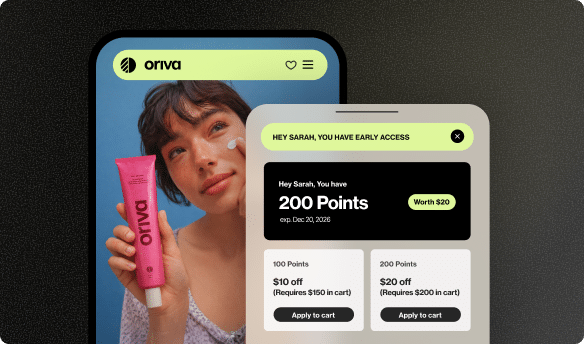
Yotpo Loyalty helps stores create programs that reward customers for shopping and engaging with the brand. When customers earn points or receive special perks, the store learns more about their deeper preferences and brand affinities. This valuable information can then be used by recommendation engines to suggest products that align with their past purchases, loyalty activities, and overall brand engagement, making the recommendations feel even more personal and rewarding for the customer. It’s a fantastic way to encourage shoppers to explore more of what they love while feeling valued by the store. Finding the best loyalty program can truly transform how a store understands and serves its customers, building lasting relationships. For more ways to use loyalty, check out Yotpo Loyalty use cases, and learn about the power of loyalty rewards program software.
Where Do We See Recommendation Engines Every Day?
You might not even realize it, but product recommendation engines are all around us! They pop up in many places online, making our digital lives a little easier and more tailored to our individual tastes. Once you know what to look for, you’ll start seeing them everywhere!
Here are some common places where these clever engines are at work:
- Online shopping websites: This is perhaps the most obvious place. You’ll see phrases like “Customers also bought,” “Recommended for you,” or “You might also like” on product pages and at checkout.
- Streaming services: Think about Netflix or Disney+. They suggest movies and TV shows based on what you’ve watched before, what you’ve rated, and what other viewers with similar tastes enjoy.
- Music apps: Spotify and Apple Music use engines to recommend new songs, artists, or playlists based on your listening history.
- News websites: Many news sites will suggest “Related articles” or “More stories you might be interested in” based on the articles you’ve already read.
A Quick Look at How Recommendations Boost Sales
For online stores, effective recommendations aren’t just about being helpful; they also have a direct impact on how much they sell. When you’re shown items that genuinely interest you, you’re much more likely to add them to your cart. This leads to shoppers buying more items in one go, increasing the overall value of each purchase.
Beyond just selling more in the moment, good recommendations also play a big part in keeping customers happy and coming back. A personalized and enjoyable shopping experience builds trust and satisfaction. This means shoppers are not only buying more now, but they’re also more likely to return for future purchases, helping the store grow its base of loyal customers. Understanding the ecommerce conversion rate is key for businesses, and personalized recommendations are a powerful tool to improve it. They also significantly impact what is ecommerce retention, ensuring customers stick around longer.
Challenges and What Makes a Recommendation Engine Great
Even though recommendation engines are super smart, they aren’t always perfect right away. There can be a few little hiccups, but the best engines are always learning and improving. Understanding these small challenges helps us appreciate how much work goes into making them so good.
Little Hiccups Along the Way
- The "new item" problem: When a brand new product is added to a store, the engine doesn’t have any past information (like purchases or reviews) about it. So, it’s hard to recommend something when there are no clues yet!
- The "cold start" problem: This happens with brand new shoppers. If you’ve never visited an online store before, the engine has no idea what you like, so its first recommendations might not be perfect. It needs some time to learn about you.
- Too much data: Sometimes, there can be so much information about products and shoppers that it’s hard for the engine to sort through it all quickly and efficiently.
- Privacy concerns: Stores need to be very careful and transparent about how they use customer data. It’s important that recommendations are helpful without feeling intrusive.
What Makes a Top-Notch Engine?
Despite the challenges, the best recommendation engines are incredibly powerful. They have certain qualities that make them stand out and truly helpful for shoppers:
- Accuracy: The suggestions should usually be spot on, meaning they are things you genuinely want or need. It’s all about getting it right most of the time.
- Diversity: A great engine doesn’t just show you slightly different versions of the same thing. It also helps you discover completely new types of products that you might enjoy, broadening your horizons.
- Speed: Recommendations need to appear instantly. Nobody wants to wait for suggestions to load while they’re shopping. Quick results make for a smooth experience.
- Transparency: Sometimes, it’s helpful for the engine to explain *why* it recommended something. For example, "Because you bought X" or "People who liked Y also liked this." This builds trust.
- Feedback: The best engines learn and get better over time. If you ignore a recommendation, or if you click on one, the engine takes note and uses that feedback to improve its future suggestions for you.
The Future of Personalized Shopping
Recommendation engines are already quite amazing, but they are only going to get smarter and more helpful! As technology improves and these engines learn even more about how people shop and what they love, our online shopping experiences will become even more personalized and delightful.
Imagine a world where your online store knows exactly what mood you’re in for shopping, or can even predict what you’ll need before you realize it yourself! The goal is to make every interaction with an online store feel like you have a truly personal shopper, always ready with the perfect suggestion. This focus on improving the ecommerce customer experience is at the heart of their development. This continuous evolution contributes to a new ecommerce growth model that centers on customer satisfaction and discovery.
In a Nutshell: Your Personal Shopping Guide
So, what is a product recommendation engine? It’s a clever computer program that acts like your personal shopping assistant, making your online shopping trips easier, more exciting, and more tailored just for you. By looking at what you and others like, it suggests products you’ll likely love, helping you discover new favorites and saving you time.
These engines are powered by various smart methods and get even better with valuable information like customer reviews and insights from loyalty programs. They are an essential part of modern online shopping, constantly learning and evolving to ensure you always find exactly what you’re looking for, and sometimes, even what you didn’t know you needed!




 Join a free demo, personalized to fit your needs