








What is a Product Discovery process?
Imagine you have a fantastic idea for a new toy, a cool game, or even a yummy snack. Before you start building it, wouldn’t it be super helpful to know if other kids would actually want it? What if they want a different color, or a special feature, or maybe they don’t even like the snack flavor you picked?
That’s exactly what a Product Discovery process is all about! It’s like being a detective for new ideas. Companies use this special journey to figure out what people really need and want, long before they spend tons of time and money building something that might not be a hit. It’s about asking smart questions, listening closely, and making sure the product they create will make customers truly happy.
Think of it as gathering clues to solve a mystery: the mystery of what will make customers happy and what new product will be a success. It’s a key part of making sure that when a company launches something new, it’s something people are excited to use or buy.
Why Do We Even Need Product Discovery?
Have you ever gotten a gift that you just didn’t want or need? Maybe it was a board game you already had, or clothes that weren’t your style. It felt a bit wasteful, right? The same thing can happen with companies. If they build a product without checking what people actually want, it can be a big waste of time, money, and effort.
Without product discovery, companies are just guessing. They might build a super cool app, only to find out nobody needs it. Or they might make a new pair of shoes that are uncomfortable, even if they look nice. This leads to products that sit on shelves, or digital tools that no one clicks on.
Product discovery helps businesses avoid these kinds of mistakes. It ensures they’re solving real problems for real people. By doing their homework upfront, companies can:
- Save time and money: No need to rebuild things later if they get it right the first time.
- Make happier customers: When products fit what people need, customers are thrilled!
- Stay ahead of the game: Discovering new ideas helps companies be leaders, not followers.
- Build things that actually get used: Isn’t it great when you create something that becomes a favorite?
The big secret here is simple: knowing what your customers really need and listening to them! It’s the best way to make sure a new product isn’t just an idea, but a solution that brings joy and value.
The Amazing Steps of Product Discovery
So, how do these product detectives actually do their work? It’s not magic, but a series of smart steps. Let’s explore the adventure of product discovery, one exciting stage at a time.
Step 1: Uncover the Mystery (Understanding the Problem)
Every great product starts with a problem. Maybe people are bored, or something takes too long, or they just can’t find what they’re looking for. The first step in product discovery is to become a super-sleuth and figure out what these problems are.
Who has this problem? Is it kids who wish their homework was more fun? Or grown-ups who want an easier way to order groceries? Knowing who has the problem helps companies focus their efforts. How do they find out? They talk to people! They listen very carefully to what customers say about their experiences.
For example, if you wanted to make a better backpack, you wouldn’t just guess what’s wrong with old backpacks. You’d talk to students, watch them pack their bags, and maybe even read what people say online about their backpacks. This kind of feedback is gold for product discovery. Platforms like Yotpo Reviews are excellent for companies to gather these direct insights. Customers often share not just what they love, but also what could be better, giving companies valuable clues to improve or create new products.
Here are some ways companies gather these clues:
- Talking to people: This means asking customers questions in interviews or sending out surveys to get their opinions.
- Watching what people do: Sometimes, actions speak louder than words. Companies observe how people use current products or try to solve their problems.
- Reading feedback: This includes looking at customer service calls, social media comments, and especially product reviews! These reviews are a direct line to what customers like and dislike. You can learn a lot from them.
- Looking at what other companies do: Not to copy, but to understand what already exists and where there might be gaps or new opportunities.
By the end of this step, the company has a really clear picture of the problem they want to solve and for whom. It’s like knowing exactly what kind of treasure you’re looking for!
Step 2: Brainstorm Brilliant Ideas (Ideation)
Once the problem is clear, it’s time for the fun part: coming up with solutions! This step is all about creativity and imagination. Companies gather their teams and just let the ideas flow. No idea is too silly or too wild at this stage. The goal is to get as many different ideas as possible on the table.
Imagine you’re trying to invent a new way to get to school. You might think of a flying skateboard, a super-fast tunnel, or even teleportation! All these ideas, big or small, are welcome. The more ideas, the better the chance of finding a truly brilliant one.
Teams might draw pictures of their ideas, write them down on sticky notes, or even act them out. It’s a lively and exciting part of the process where everyone’s input is valued. This is where innovation truly begins to bubble up, transforming problems into possibilities.
Some fun ways companies brainstorm:
- Brainstorming sessions: People shout out ideas, and someone writes them all down without judging.
- Sketching ideas: Drawing what the solution might look like helps everyone visualize it better.
- “How Might We…?” questions: Framing challenges as questions like, “How might we make cleaning up toys more fun?” helps spark new thoughts.
- Looking at trends: What’s popular right now? What new technologies are coming out? These can inspire fresh ideas.
After this step, the company has a big list of possible solutions to the problem they identified. It’s like having a map with many different paths to the treasure!
Step 3: Build a Tiny Version (Prototyping & Testing)
Okay, we have a bunch of great ideas. Now what? Do we just pick one and build it right away? Not so fast! Building a full product takes a lot of effort. It’s smarter to test our ideas in a small, quick way first. This is where prototyping and testing come in.
A prototype is like a simplified, rough version of your idea. It could be a drawing, a cardboard model, or even a few screens on a computer that show how an app would work. The key is that it’s quick and cheap to make. You don’t need to build the whole amazing flying skateboard; maybe just a picture or a small toy version to show people.
Once you have a prototype, you show it to real people – your potential customers! This is the testing part. You watch them interact with your prototype, ask them questions, and listen to their honest feedback. Do they understand it? Do they like it? Would they actually use it? This step helps you learn if your idea is really a good one, or if it needs some changes, without having spent a fortune.
Learning from mistakes early on saves a lot of headaches later. It’s much easier to erase a drawing and start over than to completely rebuild a finished product!
Here’s a quick look at what these terms mean:
| What is a Prototype? | What is Testing? |
|---|---|
| A simple model or drawing of an idea. | Showing the prototype to people to get their thoughts. |
| Helps us see if an idea might work. | Helps us learn if we’re on the right track. |
| Can be made quickly and cheaply. | Saves time and money in the long run. |
By the end of this step, companies have learned a lot about which ideas are promising and which ones need more work or should be put aside. It’s like trying out different keys to the treasure chest to see which one fits best!
Step 4: Decide What to Build Next (Prioritization)
After all that brainstorming and testing, a company might have several good ideas that customers liked. But they can’t build everything at once, right? This is where prioritization comes in. It’s about deciding which ideas are the most important and exciting to build next.
Imagine you have a list of awesome things you want to do this weekend, but only enough time for two. You’d pick the two that sound the most fun or important to you. Companies do the same thing with product ideas. They look at all the feedback they got during testing and think about a few key things:
- How much will it help our customers? Does this idea solve a big problem for many people, or just a small problem for a few?
- How difficult will it be to build? Some ideas are super complicated, while others are simpler.
- Does it fit with what our company wants to achieve? Every business has goals, like making more people happy or making tasks easier. Does this idea help with those goals?
- What are our customers saying about similar ideas? Sometimes, looking back at customer feedback, like ecommerce product reviews, can help confirm which ideas have the most potential.
Making smart choices here is super important. It ensures that the company invests its time and resources into the ideas that will have the biggest positive impact. This thoughtful decision-making is what turns good ideas into successful products.
After this step, the company has a clear plan for what product or feature to build next. They know exactly which path leads to the biggest and best treasure!
Product Discovery and Your Customers: A Perfect Match
If product discovery is like detective work, then your customers are the main witnesses, giving all the clues! Understanding what customers want, think, and feel is the heart of the entire discovery process. Without them, companies would truly be guessing in the dark.
Think about it: who better to tell you if a product is good or bad than the people who actually use it? Their feedback, their struggles, and their dreams are what inspire new products and make existing ones better. This connection between companies and their customers is incredibly powerful, and it’s why listening is so important.
This is where tools designed to gather customer insights become invaluable. For instance, Yotpo Reviews is a best-in-class reviews platform that empowers companies to collect and display what customers truly think. Imagine having thousands of voices telling you directly what they love about your product and what improvements they wish for! This honest, user-generated content (UGC) is a goldmine for product discovery. It tells you about unmet needs, desired features, and even pain points that could spark a whole new product idea.
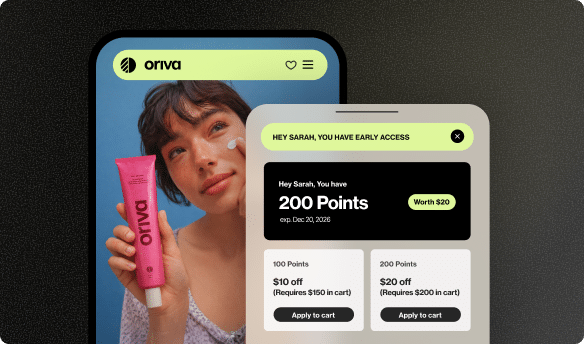
But it’s not just about what customers say; it’s also about what they do. Yotpo Loyalty is a best-in-class loyalty software that helps companies understand their most dedicated customers. By tracking purchasing habits, engagement with rewards, and overall interaction, companies gain insights into what keeps these valuable customers coming back. This behavioral data can inform future product development, helping companies create offerings that resonate deeply with their best audience, driving not just satisfaction but also consumer decision-making and sustained engagement.
So, listening to your customers isn’t just a nice thing to do; it’s a smart business strategy. When you build products based on what people truly desire, you’re set for success. Happy customers mean successful products!
Making Product Discovery Even Better with Customer Insights
The product discovery journey doesn’t just stop after a product is launched. It’s a continuous adventure of learning and improving! The world is always changing, and so are customer needs. Smart companies keep their detective hats on, always looking for new clues to make their products even more amazing.
This continuous discovery process relies heavily on ongoing customer feedback. Think of it like a never-ending conversation where customers share their thoughts, and companies respond by making their products better. This cycle of feedback and improvement is what leads to truly successful and long-lasting products.
The Power of Customer Stories (Reviews)
When you look at a product online, what’s one of the first things you check? Probably the reviews, right? Reviews aren’t just there to help you decide what to buy; they are incredibly powerful tools for companies in their product discovery process. Every review is a customer’s story, an honest opinion about their experience.
For product teams, reviews are like getting free, continuous market research. They can see common complaints, popular features, or even suggestions for things that don’t exist yet. For example, if many customers mention in their reviews that a product is great but wish it came in more colors, that’s a huge clue for a product discovery team! It directly informs potential new product variations.
A platform like Yotpo Reviews helps companies gather these vital stories and turn them into actionable insights. It makes it easy for customers to share their thoughts and for businesses to organize and understand that feedback. Learning how to ask customers for reviews effectively can unlock even more valuable information, fueling the discovery process with real-world experiences and desires.
Understanding Your Best Customers (Loyalty Programs)
Beyond individual product feedback, understanding your most loyal customers is another key part of continuous product discovery. Who are the people who keep coming back to your brand? What do they love? What makes them feel special?
Loyalty programs, like those powered by Yotpo Loyalty, go much deeper than just offering discounts. They help companies build relationships with their top customers and, crucially, learn from their buying patterns and preferences. If a customer consistently buys organic snacks, that’s a clue that they value healthy options. If they always choose express shipping, they might prioritize speed and convenience.
This kind of data can inspire entirely new product features or even brand-new product lines tailored to the desires of a company’s most valued customers. It’s a powerful way to not only foster customer retention but also to fuel future innovation. By analyzing the behavior of those in their best loyalty programs, companies can make sure their next product ideas are perfectly aligned with what their best customers will adore.
Why Product Discovery is a Game-Changer for Businesses
So, we’ve journeyed through the world of product discovery, from uncovering mysteries to brainstorming ideas, testing tiny versions, and making smart choices. We’ve also seen how crucial it is to keep customers at the center of this adventure, using their feedback and behavior to light the way.
For any business, big or small, product discovery isn’t just a nice extra step; it’s a game-changer. It helps companies to:
- Build products people truly love: Instead of guessing, they create solutions that perfectly fit customer needs.
- Save money and resources: Avoiding costly mistakes by testing ideas early means less waste.
- Stay competitive and innovative: Constantly finding new problems to solve keeps a company fresh and exciting.
- Grow their business: Happy customers who love their products are more likely to come back and tell their friends, leading to better ecommerce conversion rates and overall business growth. In fact, it’s a vital part of any new ecommerce growth model.
In essence, product discovery is about smart planning and deep understanding. It’s about building a solid foundation for every new product, ensuring that when it finally reaches customers, it’s not just good, but truly great.
Wrapping Up: The Journey of Discovery
The product discovery process is an exciting journey, much like an adventure where companies explore uncharted territory to find hidden treasures – those perfect product ideas that will delight their customers. It’s a thoughtful, curious, and very human way of working, centered on understanding others.
It reminds us that the best products aren’t just invented in a secret lab; they are discovered by listening, experimenting, and truly caring about the people who will use them. By embracing product discovery, companies ensure they are always creating things that matter, solving real problems, and making a positive difference.
And with powerful tools like Yotpo Reviews and Yotpo Loyalty, businesses can gather the rich customer insights needed to fuel this discovery, making the journey even more insightful and leading to even more amazing outcomes. Understanding your customers makes all the difference in building products that shine!




 Join a free demo, personalized to fit your needs