








What is Price Elasticity? Unlocking How Prices Affect What People Buy
Have you ever noticed how sometimes a small change in a price can make a big difference in how many people buy something? Or how other times, even a big price change doesn’t really stop people from buying it? That idea, how much what people buy changes when the price changes, is called Price Elasticity. It’s a super important concept for any business trying to sell things, from your favorite toys to the food in your kitchen.
Think of it like a stretch test for products. Some products are “stretchy” or “elastic” with their prices, meaning sales bounce a lot when the price moves a little. Others are “stiff” or “inelastic,” and their sales hardly budge, no matter what happens with the price. Understanding this difference helps businesses make smart choices about how much to charge for their stuff. It’s all about knowing your customers and how they think about value and necessity. For businesses, knowing this can really help them grow and connect with their audience better. For example, understanding what makes customers tick can help you figure out how consumers make their buying decisions in the first place.
What Does “Elasticity” Even Mean?
Let’s make this simple. Imagine a rubber band. If you pull it a little, it stretches a lot. That’s like an “elastic” product. A small change (your pull) causes a big reaction (the stretch). Now, imagine trying to stretch a wooden stick. You can pull really hard, but it probably won’t stretch at all. That’s like an “inelastic” product. A big change (your pull) causes almost no reaction.
In the world of shopping, “elasticity” tells us how much the number of items people buy (what we call “demand”) changes when the price of that item changes. It’s a way for businesses to guess what might happen if they raise or lower prices. Pretty neat, right?
Why Do Businesses Care So Much About This?
Businesses care about price elasticity because it directly affects how much money they make. If a business makes a product that’s very elastic, and they raise the price even a tiny bit, they might find that a lot fewer people buy it. This could mean they end up making less money overall. On the flip side, if they lower the price a little, they might sell so much more that their total money made actually goes up!
For inelastic products, the rules are different. If a product is inelastic, the business can probably raise the price without losing many customers. People will keep buying it because they need it or really want it, even if it costs a bit more. This knowledge helps businesses plan their sales, promotions, and even how they design new products.
It’s a bit like playing a game where you need to know the rules to win. Understanding price elasticity is one of the most important rules in business. It helps businesses avoid surprises and keep their customers happy, while also making sure they can keep the lights on and create amazing products.
Elastic vs. Inelastic: The Big Difference
The core of price elasticity boils down to these two main types:
Elastic Goods: When Prices Really Matter
A product is considered elastic when its price elasticity is greater than 1. Don’t worry about the number too much; just think: big reaction from customers! If a product is elastic, it means that a small percentage change in its price leads to a larger percentage change in how much people want to buy. Here are some examples:
- Candy Bars: If your favorite candy bar goes up by 50 cents, you might decide to buy a different brand or skip it altogether. There are many other types of candy or snacks you could choose instead.
- Fancy Restaurant Meals: If a fancy restaurant raises its prices, people might decide to cook at home, go to a cheaper restaurant, or eat out less often. It’s more of a treat than a necessity.
- Brand-Specific Apparel: If a specific brand of t-shirt gets too expensive, you can easily find a similar t-shirt from another brand. Your wardrobe won’t suffer much!
For businesses selling elastic goods, pricing is a delicate dance. They have to be very careful with price increases, as they could quickly scare away customers. Instead, they might find more success with sales or discounts to bring in a lot more buyers.
Inelastic Goods: When Prices Don’t Change Much
A product is inelastic when its price elasticity is less than 1. This means a small reaction from customers. If a product is inelastic, it means that even a large percentage change in its price only causes a small percentage change in how much people want to buy. Here are some common examples:
- Medicine: If someone needs a life-saving medicine, they will likely buy it no matter how much the price changes. Their health depends on it.
- Gasoline: Most people need gas for their cars to get to work or school. Even if the price goes up, they’ll still buy roughly the same amount because they need to drive.
- Basic Food Items (like bread or milk): While you might switch brands if one gets too expensive, you’ll still buy bread or milk because they are essential parts of many diets. You can’t just stop eating them!
Businesses selling inelastic goods have more freedom with pricing. They can often raise prices without seeing a huge drop in sales because customers view these items as essential or have very few alternatives. However, they still need to be fair and mindful of their customers.
Here’s a quick table to help you remember the difference:
| Feature | Elastic Product | Inelastic Product |
|---|---|---|
| Customer Reaction to Price Change | Big change in sales | Small change in sales |
| Availability of Alternatives | Many alternatives | Few or no alternatives |
| Is it a “Need” or a “Want”? | Usually a “Want” (luxury) | Usually a “Need” (necessity) |
| Example | A specific brand of soft drink | Water |
How Do You Figure Out Price Elasticity? (The Math, Simplified)
While the actual formula can look a little complicated, the idea behind it is pretty straightforward. You’re basically comparing two things:
- How much the quantity people buy changed (in percentage).
- How much the price changed (in percentage).
So, you would take the percentage change in the quantity bought and divide it by the percentage change in the price. If the answer is a big number (more than 1), it’s elastic. If it’s a small number (less than 1), it’s inelastic.
For instance, if the price of a toy goes up by 10%, and then 30% fewer toys are sold, the calculation would be 30% divided by 10%, which equals 3. Since 3 is bigger than 1, that toy is elastic. People are very sensitive to its price!
Businesses use past sales data, customer surveys, and sometimes even small test changes in price to figure out these numbers. It’s a detective job, figuring out what makes customers tick!
Things That Make Products Elastic or Inelastic
Several things can make a product more elastic or inelastic. Thinking about these factors helps businesses understand their market even better:
1. Availability of Substitutes
This is probably the biggest factor. If there are many other similar products you can buy instead (substitutes), then a product will be more elastic. Why? Because if one brand raises its price, you can just switch to another. Think about different brands of cereal; if one gets too expensive, there are plenty of others to choose from.
2. Necessity vs. Luxury
Is the product something people absolutely need to live, or is it more of a fun extra? Necessities (like basic food, water, or medicine) tend to be inelastic because people will buy them no matter what. Luxuries (like vacation trips, expensive gadgets, or gourmet chocolate) tend to be elastic because if they get too pricey, people can easily decide to skip them.
3. Time
How much time do people have to react to a price change? In the short term, many products might seem inelastic because people don’t have time to find alternatives or change their habits. For example, if gas prices suddenly jump, you still need to drive to school or work tomorrow. But in the long term, if gas prices stay high, you might start looking for a car that uses less gas, ride a bike, or take public transport. So, over time, that same product can become more elastic.
4. Brand Loyalty
If customers are very loyal to a specific brand or product, they might be less sensitive to price changes. They might be willing to pay a bit more because they trust the brand, love the quality, or simply don’t want to try something new. This is where things like loyalty programs become super helpful for businesses. By building strong customer relationships, businesses can encourage customers to stick with them, even if prices shift a little. Loyal customers aren’t just great for sales; they’re also fantastic word-of-mouth marketers!
5. Proportion of Income Spent
How much of a person’s money does this item cost? If an item is a very small part of someone’s budget (like a stick of gum), even a large percentage price increase might not change their buying habits much. It feels insignificant. But if an item costs a big chunk of their money (like a new computer), even a small percentage price increase could make a big difference in whether they buy it.
Real-World Examples of Price Elasticity in Action
Let’s look at a couple more everyday examples:
- Candy Bars vs. Bread: If the price of your favorite chocolate bar goes up by 25 cents, you might pick up a bag of chips instead. This makes candy bars quite elastic. But if the price of a loaf of bread goes up by 25 cents, you’ll probably still buy it. Bread is a basic food, and for most families, a small price change isn’t going to stop them from buying it. Bread is more inelastic.
- A Specific Toy vs. Water: Imagine a specific, trendy toy. If the price goes up too much, kids might just move on to the next popular thing, or parents might refuse to buy it. It’s elastic. Now, think about a bottle of water on a hot day. Even if the price goes up a bit, you’ll probably still buy it because you’re thirsty and need to rehydrate. Water, especially when you’re parched, is very inelastic.
These examples show how different products behave differently when their prices change, all because of the factors we just talked about.
How Businesses Use Price Elasticity to Strategize
Knowing whether their products are elastic or inelastic helps businesses make smart decisions every single day:
- Setting Prices for New Products: When a new product comes out, businesses use elasticity estimates to help decide the best starting price. If they think it’s an elastic product, they might start with a lower price to attract many buyers.
- Deciding on Sales and Discounts: For elastic products, sales and discounts can be a powerful tool. A small price drop can lead to a huge jump in sales, making the business more money overall. You can see how this might boost ecommerce conversion rates significantly!
- Understanding Customer Response: Elasticity helps businesses predict what will happen if they change prices. This understanding is key for planning inventory, marketing campaigns, and even how many people to hire.
- Marketing Strategies: For inelastic products, businesses might focus their marketing on emphasizing quality or brand trust, rather than just price. For elastic products, they might highlight value or comparisons to competitors.
It’s clear that price elasticity is much more than just a number; it’s a guide for navigating the challenging world of commerce.
Connecting Price Elasticity to Understanding Your Customers
Understanding price elasticity isn’t just about math; it’s deeply connected to understanding people. How do customers perceive the value of a product? What factors truly influence their decision to buy or not buy, besides just the price tag?
This is where businesses can really shine by listening to their customers. By gathering feedback and building strong relationships, companies gain insights that go beyond simple price movements. This is where tools that help businesses listen and engage with their customers become invaluable.
The Role of Reviews in Understanding Customer Value
Think about buying something online. What’s one of the first things you look for? Customer reviews, right? Reviews and other user-generated content (UGC) are incredibly powerful because they tell businesses how much customers truly value their products. If a product has tons of glowing reviews, customers might see it as higher quality or more desirable, making them less sensitive to its price. They are willing to pay more for something that others clearly love.
User-generated content (like photos, videos, and written reviews) offers real insights into what customers think about quality, features, and overall experience. When a business understands these aspects, it can better gauge how elastic or inelastic its product might be. If reviews constantly highlight how unique or essential a product is, it suggests it’s less elastic. If reviews often mention price as a sticking point, it might be more elastic.
Platforms like Yotpo Reviews help businesses collect and display this crucial feedback. By showcasing ecommerce product reviews, businesses don’t just build trust; they also get a direct line into customer sentiment that can inform their pricing strategies. Knowing how to ask customers for reviews and then using that feedback is a smart move for any business.
Loyalty Programs and Price Sensitivity
Imagine you always buy coffee from the same shop because you’re part of their loyalty program. You earn points with every purchase, and sometimes you get free drinks or special discounts. If that coffee shop raises its prices slightly, are you as likely to switch to another shop? Probably not right away! Your loyalty, and the benefits you get, make you less sensitive to that small price change.
This is the magic of loyalty programs. They build strong relationships with customers, making them feel valued and appreciated. Loyal customers often stick around because they feel a connection to the brand, not just because of the price. This means their purchasing decisions become less elastic; they’re less likely to jump ship for a slightly cheaper alternative.
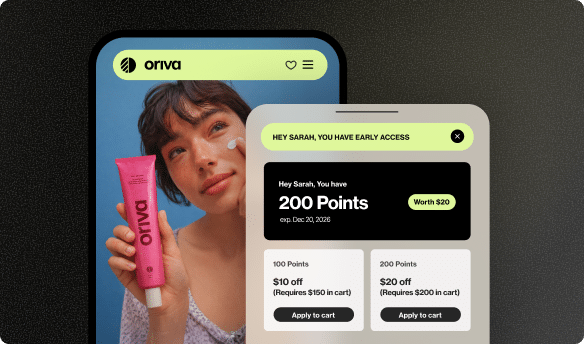
Businesses use platforms like Yotpo Loyalty to create these engaging programs. By rewarding customers for their continued support, businesses can foster a community and increase customer retention. A well-designed loyalty program can effectively reduce price sensitivity, making a customer base more stable and predictable. You can even see how top brands run some of the best loyalty programs out there and learn from their successes.
In short, while price elasticity focuses on numbers, the insights needed to truly understand it come from understanding your customers. By actively listening through reviews and building relationships through loyalty programs, businesses gain a significant edge in making effective pricing decisions.
Putting It All Together: Smart Business Decisions
So, we’ve learned that price elasticity is a crucial concept for businesses. It helps them understand how customers react to price changes. But it’s not just about raising or lowering prices; it’s part of a bigger picture. Businesses that truly thrive are the ones that understand their customers inside and out.
- They know what customers value (often revealed through reviews).
- They understand what keeps customers coming back (often through loyalty programs).
- They can predict how customers might respond to different prices.
This detailed understanding helps businesses make smarter decisions, which can lead to better ecommerce conversion rates, stronger customer retention, and ultimately, a more successful future. It’s all about creating a positive experience for the customer, from the moment they first see a product to becoming a loyal supporter. Learning about things like what user-generated content is can also give businesses a huge advantage here.
Conclusion
Price elasticity might sound like a complicated grown-up topic, but it’s really just about understanding how people decide what to buy based on prices. Some things, like a new video game, might see huge changes in sales if the price moves a little (elastic). Other things, like the toothpaste you use every day, will probably sell about the same no matter what (inelastic).
For businesses, knowing this difference is like having a superpower. It helps them set prices that make sense, offer sales at the right time, and most importantly, understand their customers better. By listening to what customers say in reviews and building loyalty through special programs, businesses can figure out just how “stretchy” their products are and make everyone happy!










 Join a free demo, personalized to fit your needs