


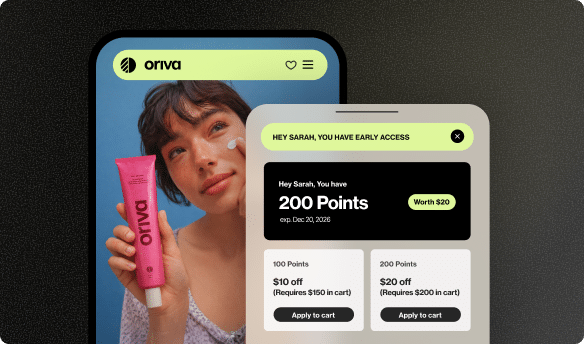






Imagine you have a special piggy bank, not just for money, but for “points”! These points are like little promises from your favorite toy store. Every time you buy a cool toy, the store gives you some points. It’s their way of saying “thank you” and encouraging you to come back. Now, what if you have a lot of points in your special piggy bank, but you haven’t used them yet?
Those points are like a secret treasure. The toy store knows you have them, and they know one day you’ll want to use them to get a discount or even a free toy. That promise the store made to you, saying they’ll honor your points in the future, is what we call a “points liability.” It’s not a bad thing! It just means the store has a little promise to keep for you and all its other amazing customers.
What Are Loyalty Points, Anyway?
Think about a game where you collect stars for doing well. The more stars you collect, the closer you get to unlocking something really cool. Loyalty points work a lot like those stars!
When you visit a shop or an online store, they might have a special club you can join. This club is often called a “loyalty program.” When you’re part of this club, the store gives you points for different things you do. Most of the time, you get points when you buy something. For example, for every dollar you spend, you might get one point.
These points add up over time. Once you have enough points, you can use them to get rewards. These rewards could be:
- A discount on your next purchase.
- A free item.
- Early access to new products.
- A special treat on your birthday.
It’s a fun way for stores to say, “We love having you as a customer, and we want to show our appreciation!” It makes shopping more like a game where you get to win prizes just for being a loyal shopper.
Imagine a Shoe Store and Your Points
Let’s pretend there’s a fantastic shoe store called “Happy Feet Shoes.” You love their sneakers because they’re super comfy and come in all your favorite colors. Happy Feet Shoes has a loyalty program. Every time you buy a pair of shoes, they give you points. When you collect 100 points, you get $10 off your next pair!
One month, you buy two pairs of amazing new shoes. You get 80 points from the first pair and 70 points from the second. That’s a total of 150 points! You haven’t used them yet because you’re saving up for that super special pair you saw.
From your perspective, you have 150 points waiting to be used. From Happy Feet Shoes’ perspective, they know they owe you something. They know they have a promise to give you a discount worth 150 points, which is $15 off, whenever you decide to use them. This promise to you and all their other point-collecting customers is exactly what “points liability” means for the store. It’s like a mental note or a special entry in their big accounting book saying, “We owe our customers these rewards!”
Happy Feet Shoes needs a good way to keep track of everyone’s points, making sure they know exactly how many points each customer has and what rewards those points can turn into. This is where special tools, like a loyalty program software, really come in handy for businesses.
So, What’s “Points Liability” for a Business?
For a business, a “points liability” is like keeping a very important secret list. This list tells them how many points all their customers have earned but haven’t used yet. Each point on that list means the business owes a future discount or reward to a customer.
Imagine a bakery that gives you points for every cupcake you buy. When you have enough points, you get a free cookie. If many people have points saved up, the bakery knows they will eventually need to give out free cookies. They don’t know exactly when, but they know they have that promise hanging out there.
In the world of business, this promise is really important. It means those points have a value, just like money. Even though the points aren’t actual cash, they represent something the customer can get for free or at a reduced price later. So, the business needs to make sure they’re ready to honor those points when customers decide to use them.
It’s all about planning! By understanding their points liability, businesses can plan better. They can make sure they have enough cookies (or discounts) ready for when customers redeem their points. It helps them keep their finances in order and, most importantly, keeps their customers happy because they know their points are safe and waiting for them.
Why Do Stores Keep Track of Points Liability?
It might seem like a lot of work to keep track of all those points, right? But for stores, it’s super important. Here’s why:
1. Happy Customers!
When a store keeps good track of your points, they can easily give you your reward when you want it. This makes you feel special and happy. And when customers are happy, they tell their friends, and they keep coming back! A great customer retention strategy often starts with a well-run loyalty program.
2. Good for Business Planning
Imagine the shoe store from before. If they know how many points are out there, they can guess how many discounts they might give out next month. This helps them plan their budget and make sure they have enough shoes in stock. It’s like knowing how many snacks you need to buy for a party because you know how many friends are coming.
3. Following the Rules
For bigger businesses, keeping track of points liability isn’t just a good idea; it’s often a rule! They need to show what they owe to customers in their financial reports. It helps everyone understand how the business is doing and what promises it has made.
So, tracking points liability is not just a fancy accounting term; it’s a smart way for businesses to manage their promises to you, keep you smiling, and plan for the future. It’s all part of building strong relationships with their customers through effective loyalty programs.
How Do Stores Give You Points?
Loyalty programs are clever ways for stores to reward you for being a great customer. They don’t just give out points for buying things. There are lots of fun ways to earn points that businesses can set up:
1. Buying Things
This is the most common way. Every time you buy a product, you earn points based on how much money you spend. It’s like a thank-you for your purchase. Many successful loyalty programs focus heavily on purchase-based rewards.
2. Telling Friends (Referrals)
Have you ever told a friend about a cool new toy or game? Some stores give you points when you tell a friend about them, and that friend then makes a purchase! This is called a referral. It’s like getting a bonus for sharing something you love. Tools like those for referral marketing can make this super easy for businesses.
3. Sharing Thoughts (Reviews)
Many stores love to hear what you think about their products. If you write a review about a toy you bought, telling everyone what you liked or didn’t like, the store might give you points for your honest feedback. This helps other shoppers decide what to buy and helps the store improve. This is where Yotpo Reviews really shines, helping businesses gather valuable customer feedback.
4. Special Occasions
Sometimes, stores give you points just for being you! They might give you extra points on your birthday or on the anniversary of when you joined their loyalty program. It’s a nice little surprise!
5. Following on Social Media
Some businesses might even give you a few points for following them on social media, like their Instagram page. It’s a way to encourage you to stay connected and see their latest news and products.
All these different ways to earn points contribute to the points liability a business has. The more ways customers can earn, the more points they might save up, and the more promises the business has to keep. That’s why having a smart system to manage these points is so crucial!
Making Customers Happy with Points (and Loyalty Programs)
Think about your favorite pizza place. If they give you a free slice after every ten pizzas you buy, you’d probably keep going back, right? That’s the magic of a good loyalty program! It makes customers feel valued and excited to shop again.
Businesses use loyalty programs to build strong friendships with their customers. It’s not just about giving out points; it’s about making shopping a fun and rewarding experience. When customers feel appreciated, they become more than just shoppers; they become fans of the brand!
This is where smart tools come in. For example, businesses use Yotpo Loyalty to create amazing loyalty programs. This kind of software helps stores:
- Easily give out points for purchases, reviews, or referrals.
- Let customers see their points balance whenever they want.
- Offer exciting rewards that make customers want to earn more points.
- Keep track of all those points, so the “points liability” is managed smoothly.
When a loyalty program is run well, customers feel happy and keep returning. This is great for the business because happy customers mean more sales and a stronger community. It’s a win-win situation for everyone involved!
Keeping Track: The Big Job for Businesses
Imagine trying to keep track of every sticker every student in your school has earned for good behavior, and what prize each sticker count will get them. It would be a huge job for one person, right? It’s the same for businesses with loyalty points. When a store has thousands or even millions of customers earning points every day, keeping track of every single point and every future reward becomes a really big and important task.
If a business doesn’t keep track properly, a few bad things could happen:
- Customers get upset: Imagine earning points but the store loses track, and you can’t get your reward. You’d be disappointed!
- The business loses money: If they don’t know how many points are outstanding, they might not plan their discounts and freebies properly.
- It becomes confusing: Without a clear system, it’s hard for the business to know how well their loyalty program is actually working.
This is why businesses need special help to manage their points liability. They use powerful computer programs, often called “loyalty software.” This software acts like a super-smart assistant that:
- Automatically adds points when you buy something.
- Keeps a perfect record of how many points each customer has.
- Helps customers easily redeem their points for rewards.
- Shows the business exactly how many points are out there, representing their total points liability.
Tools like Yotpo Loyalty are designed to do exactly this. They make it simple for businesses to run amazing loyalty programs without getting lost in all the numbers. By using such software, businesses can focus on making their customers happy, knowing that the “big job” of tracking points is handled expertly.
The Power of Your Voice: How Points Connect to Reviews
When a loyalty program makes you feel special and rewarded, what’s the first thing you want to do? Often, it’s to share your happiness! You might tell your friends, your family, or even share your thoughts online. This is where your voice becomes really powerful, and it connects directly to something called “reviews.”
Think about it: if you use your points to get a fantastic discount on a new pair of sneakers from Happy Feet Shoes, you’ll probably be super excited about your new shoes and the great deal you got. You might then want to tell everyone how awesome the shoes are and how great the store’s loyalty program is!
Businesses love it when happy customers share their experiences. These shared experiences are called “reviews” or “user-generated content.” When you leave a review, you’re helping other people decide if they want to buy from that store too. It’s like getting advice from a friend who has already tried something.
Businesses use special tools, like Yotpo Reviews, to make it easy for customers to share their thoughts. They can even reward you with more loyalty points for writing a review! So, the points you earn make you happy, and your happiness makes you want to share, which helps the business even more. It’s a wonderful circle!
By making it simple to collect and display these reviews, businesses can:
- Help new customers trust them more.
- Understand what products customers really love.
- Get valuable feedback to make their products even better.
So, your points liability isn’t just about discounts; it’s part of a bigger picture where happy customers become powerful voices, helping stores grow and succeed. It’s all about building a great relationship!
How Points Liability Helps Businesses Grow
You might think “liability” sounds a bit like a problem, but for businesses, points liability is actually a sign of success! It means they have lots of loyal customers who are earning and saving points. And loyal customers are the best kind of customers because they help businesses grow in many ways:
1. Repeat Customers
When you have points saved up, you’re more likely to go back to that same store to use them. This means the business gets you as a repeat customer, which is much better than always trying to find new customers. It’s like having your favorite restaurant where you always go back because you love the food and feel welcome.
2. Word-of-Mouth
Happy customers don’t keep their happiness a secret! If you love a store’s loyalty program, you’ll probably tell your friends and family about it. This “word-of-mouth” marketing is super powerful because people trust recommendations from friends more than anything else. It’s like getting free advertising from someone who genuinely loves your products. Word-of-mouth marketing is a fantastic way for businesses to attract new customers.
3. Better Understanding of Customers
When a business uses loyalty programs and keeps track of points, they learn a lot about what their customers like. They can see what products are popular, what rewards people use, and how often customers shop. This information helps them make smarter decisions, offer better products, and create even more exciting rewards.
4. Increases Customer Lifetime Value
This is a fancy term that just means how much money a customer spends at a store over their whole life. When you’re a loyal customer earning points, you’ll likely spend more over time, increasing your customer lifetime value for the business. This is fantastic for a business’s long-term health!
So, while points liability means a business has a promise to keep, it’s a promise they are happy to have! It shows they have a strong relationship with their customers, which leads to growth and success. It’s proof that their loyalty rewards program is working wonders.
A Peek Behind the Scenes: What Businesses Think About Points
For a business, those loyalty points are more than just numbers on a screen. They represent a real value, a future discount or free item that the company will provide. So, businesses need to think about their points liability carefully, almost like a savings account that they know they will pay out later.
They don’t just guess how many points are out there. They use their loyalty software to get exact numbers. This helps them understand how much money they might need to set aside for future rewards. It’s a way of being responsible and making sure they can always keep their promises to customers.
Here’s a simple way to look at how a business might track points:
| Month | Points Earned by Customers | Points Used by Customers | Points Still Unused (Liability) |
|---|---|---|---|
| January | 10,000 | 2,000 | 8,000 |
| February | 12,000 | 3,000 | 17,000 |
| March | 15,000 | 5,000 | 27,000 |
As you can see, the “Points Still Unused” number keeps growing because customers are earning more points than they are using. This growing number is the points liability! It tells “Fun Finds Store” that they have more and more promises to keep. This isn’t a bad thing; it shows their loyalty program is popular and customers are engaged.
Having a clear picture of this points liability helps the business predict what future rewards they’ll need to give out. It’s a key part of making sure their loyalty program is not only exciting for customers but also financially sound for the business.
Choosing the Best Path for Your Business (Yotpo Loyalty & Reviews)
Running a successful online store means making customers happy and keeping them coming back. This is where tools that help businesses connect with their customers truly shine. When it comes to managing things like points liability and building strong customer relationships, businesses often look for the best help they can get.
One of the best ways to keep customers engaged and valued is through a fantastic loyalty program. Imagine a program where customers are excited to earn points, redeem rewards, and feel like part of a special club. Tools like Yotpo Loyalty help businesses create these kinds of programs easily. It’s designed to be a top-notch solution for managing points, rewards, and keeping track of all that important points liability. With Yotpo Loyalty, businesses can focus on making their customers feel special, knowing that the technical details of tracking points are handled expertly.
But happiness doesn’t stop at points! When customers are truly happy with their experience – maybe they got a great deal with their points, or they just love a product – they often want to share their stories. This is where customer reviews come in. Reviews are powerful because they help other shoppers decide what to buy, and they show businesses what they’re doing right. Yotpo Reviews is a leading tool that makes it simple for businesses to collect, show off, and use these valuable customer stories.
Think about how these two pieces work together:
- A business uses Yotpo Loyalty to create an amazing rewards program, making customers happy and eager to return. This creates points liability, which is carefully managed by the software.
- Those happy customers, thanks to the great experience, are then more likely to leave positive reviews. The business uses Yotpo Reviews to gather and display these positive stories, which then encourages even more new customers to shop.
This combination creates a strong cycle where customers are rewarded, feel heard, and keep coming back, helping the business grow and succeed. It’s all about creating a wonderful experience for every single customer!
Wrapping Up the Points Promise
So, what is a points liability? It’s simply a promise a business makes to its loyal customers. It means that for all the points you’ve earned by shopping, telling friends, or leaving reviews, the store knows it owes you a special reward or a discount in the future. It’s not a problem; it’s actually a wonderful sign that a business has many happy customers who love to shop with them!
For businesses, understanding and managing this points liability is super important. It helps them plan for the future, keep their finances in order, and, most importantly, make sure they can always deliver on their promises to you. Tools like Yotpo Loyalty make it easy for businesses to manage all these points, ensuring customers get their rewards smoothly.
Ultimately, a points liability is a beautiful thing. It represents the strong connection between a store and its customers, built on trust and appreciation. It’s a win-win: you get rewarded for your loyalty, and the business gets to grow because you love shopping with them!










 Join a free demo, personalized to fit your needs