








What is a Performance-Based Fee?
Imagine you hire someone to paint your fence, but you only pay them if the paint job looks fantastic and lasts a whole year. If it peels or looks bad, you don’t pay. Sounds pretty fair, right? This idea is a bit like what a performance-based fee is all about in the business world.
In simple terms, a performance-based fee means you pay for results, not just for effort or time spent. Instead of paying a set amount upfront, you pay based on how well someone (or something) performs and achieves specific goals. It’s like a reward system where everyone is motivated to do their best because payment is tied to success. Businesses often use this model to make sure they’re getting real value for their money, focusing on actual outcomes that help them grow.
Understanding Performance-Based Fees: The Basics
So, what exactly does “performance” mean when we talk about fees? It’s not just about showing up or doing a task. It’s about achieving a specific, measurable result that helps a business reach its goals. Think of it as hitting a target.
What Does “Performance” Mean Here?
When businesses talk about performance, they’re often thinking about things like:
- More Sales: Did a marketing campaign lead to more customers buying products?
- New Customers: Did an advertisement bring in new people to sign up for something?
- Increased Engagement: Are more people clicking on links or spending time on a website?
- Better Retention: Are existing customers happier and staying with the business longer?
For example, if you hire a company to help you sell toys online, a performance-based fee might mean you pay them a small percentage for every toy they help you sell. Their “performance” is measured by how many toys leave your shelves and reach happy kids!
How These Fees Work in Real Life
When a business agrees to a performance-based fee, it usually involves two main parts:
- Setting Clear Goals: Both sides agree on what “success” looks like. It has to be something you can count or measure, like “get 100 new sign-ups” or “increase sales by 15%.”
- Payment for Results: The fee is only paid, or its size is decided, once those agreed-upon goals are met. If the goals aren’t met, the payment might be smaller, or there might be no payment at all.
This is different from a fixed fee, where you pay the same amount no matter what. With a fixed fee, you might pay someone $500 to try and get you 100 new sign-ups. You pay that $500 even if they only get 10, or even none! But with a performance-based fee, you might only pay $5 for each sign-up they actually deliver, so if they only get 10, you only pay $50. It’s about sharing the risk and making sure everyone is focused on getting those important results.
Common Types of Performance-Based Fees
There are many ways performance-based fees can be structured. Here are a few common ones:
Commission
This is probably the most famous type. Think of a salesperson who earns a percentage of every sale they make. The better they sell, the more they earn. It’s a direct link between their effort, their success, and their paycheck.
Cost Per Action (CPA)
In online advertising, businesses often pay a fee every time a specific action happens. This action could be someone clicking on an ad, signing up for an email list, or filling out a form. The advertiser only pays when a real result (an “action”) occurs.
Revenue Share
Sometimes, a service provider gets a percentage of the income generated by their work. For example, if a company helps another business sell more of its products, the helping company might get a small cut of all the new money that comes in from those sales. It’s a true partnership where both benefit directly from increased income.
Bonuses
Even if there’s a basic fixed fee, a performance-based bonus can be added. This means if a service provider not only meets the main goal but absolutely knocks it out of the park, they get an extra reward for their amazing work. It’s a great way to encourage going above and beyond.
Understanding these different ways helps you see that performance-based fees are all about making sure the effort put in matches the real results achieved. It creates a win-win situation where everyone is striving for the best outcome.
Why Do Businesses Choose Performance-Based Fees?
It’s a smart question, isn’t it? Why would a business pick this way of paying when a simple fixed price might seem easier? Well, there are some really good reasons, mostly centered around trust, risk, and getting great results.
Sharing the Risk
Imagine you want to start selling unique t-shirts online, but you’re not an expert at advertising. You could pay an advertising company a lot of money upfront, hoping they’ll bring in customers. But what if they don’t? You’d still be out of pocket.
With a performance-based fee, the advertising company only gets paid when they actually help you sell t-shirts. This means they’re taking some of the risk too. They’re motivated to do a fantastic job because their earnings depend on your success. This shared risk makes many businesses feel more comfortable, especially when trying new things or working with new partners.
Focusing on Results
In business, it’s easy to get busy with lots of tasks. But what really matters is the end result. Performance-based fees help keep everyone’s eyes on the prize. When payment is tied to specific achievements, there’s less room for wasted effort. Every action taken by the service provider is usually geared towards hitting those agreed-upon targets.
This focus ensures that the money spent by the business directly contributes to measurable growth, like increased sales or happier customers. It helps businesses see a clear return on their investment.
Flexibility and Motivation
Performance-based fee structures can be really flexible. They can be designed to fit almost any goal, whether it’s getting more people to visit a website or getting existing customers to buy more. This adaptability makes them useful for many different types of projects and services.
Plus, there’s a powerful psychological effect: motivation. When people know their hard work and success will be directly rewarded, they tend to work smarter and harder. It creates a strong incentive for top-notch performance from everyone involved.
Ultimately, businesses choose performance-based fees because they want assurance that their money is being spent wisely and that they’re truly getting what they pay for: real, measurable success. It’s a strategic way to align goals and drive better outcomes for everyone involved, from the service provider to the customer making a purchase.
Where Do Performance-Based Fees Show Up?
You might be surprised how often performance-based fees are used in the business world, especially in areas where results are easily tracked and truly matter for a company’s growth.
Marketing and Advertising
This is probably the biggest playground for performance-based fees. Think about online ads. Companies often pay for ads based on how many times people click them (Cost Per Click, or CPC), or how many times someone sees them (Cost Per Mille, or CPM). But even better for performance-based models is Cost Per Action (CPA), where you only pay when someone actually signs up, fills out a form, or makes a purchase after seeing an ad. Affiliate marketing is another great example; a website promotes a product, and only gets paid a commission if someone buys that product through their special link.
Many SEO agencies, who help websites show up higher in search results, might also offer performance-based models. For example, they might get a bonus if your website reaches the first page of Google for certain keywords.
Sales Teams
This is a classic. Almost every salesperson earns some form of commission. When they sell something, they get a percentage of that sale. It makes perfect sense: the more they sell, the more money the company makes, and the more the salesperson earns. It’s a direct incentive to close deals and bring in revenue.
Consulting and Project Work
While less common for standard consulting, some specialized project work can use performance-based fees. For instance, a consultant helping a business streamline its operations might get a bonus if they manage to reduce operational costs by a certain percentage within a given timeframe. The key here is having incredibly clear and measurable goals that both parties agree upon beforehand.
Connecting Performance to Customer Growth
At the heart of many businesses is the customer. How well a business performs often comes down to how well it attracts new customers, makes them happy, and keeps them coming back. These are all forms of “performance” that directly impact a company’s success and could be tied to a performance-based fee structure if working with a growth partner.
Understanding how consumers make decisions is a huge part of driving this performance. If you know what makes people choose your product, you can focus your efforts more effectively. You can learn more about how customers decide what to buy by reading about the consumer decision-making process. When businesses perform well in this area, they see tangible growth.
So, from making sure ads are effective to motivating sales teams, performance-based fees are a powerful tool used across many parts of business to ensure efforts translate into real, measurable achievements. It keeps everyone accountable and focused on what truly matters: getting results.
Making Performance Happen: How Businesses Win
For performance-based fees to really work, and for any business to achieve its goals, it needs a clear plan. This involves setting goals, measuring progress, and using the right tools to make those goals a reality. Let’s dig into how businesses make performance happen.
Setting Clear Goals is Key
You can’t hit a target you can’t see! The first step to achieving any performance is to set goals that are crystal clear. Business experts often talk about SMART goals:
- Specific: Not “get more customers,” but “get 500 new customers.”
- Measurable: You can count it.
- Achievable: It’s a tough goal, but not impossible.
- Relevant: It matters to your business.
- Time-bound: You have a deadline, like “by the end of the quarter.”
When goals are clear and agreed upon, there’s no confusion about what needs to be done or whether it was successful. This clarity is essential for any performance-based agreement, ensuring everyone is on the same page.
Measuring Success Accurately
Once you have clear goals, how do you know if you’re hitting them? You need to measure! Businesses use all sorts of tracking tools and data analysis to see how they’re doing. This could involve looking at website traffic, sales numbers, customer sign-ups, or how long customers stay subscribed.
Accurate measurement tells you what’s working and what isn’t, allowing you to adjust your strategies. It’s how you prove that the “performance” actually happened. Understanding how to track and measure your efforts, especially in marketing, is crucial. You can learn more about this on pages like marketing campaign measurement, which highlights the importance of data in proving performance.
Using Reviews to Boost Performance
Now, let’s talk about how specific tools help businesses perform. One huge area where businesses can dramatically boost their performance is by using customer reviews. Think about it: when you want to buy something new, don’t you usually check what other people think?
Customer reviews build trust. When potential buyers see that others have had good experiences, they feel more confident about making a purchase. This directly impacts key performance metrics like conversion rates (how many website visitors turn into buyers) and sales volume. More trust means more sales.
This is where tools like Yotpo Reviews come in handy. Yotpo Reviews helps businesses collect, manage, and display customer feedback, making it easy for shoppers to see what others are saying. By gathering positive reviews, businesses can improve their online reputation and encourage more people to buy. This is a clear path to better business performance.
For example, if a business wants to increase its conversion rate, collecting more positive reviews is a measurable way to achieve that performance. Yotpo provides powerful features, like asking customers for reviews after a purchase, which directly contributes to this goal. If you’re wondering how to get started, check out resources on how to ask customers for reviews. Positive reviews can significantly impact an ecommerce conversion rate, making it a critical aspect of business performance.
Building Loyalty for Lasting Performance
Another fantastic way businesses perform well is by keeping their existing customers happy and encouraging them to return. This is called customer retention. Loyal customers often spend more over time, tell their friends about your business, and are generally easier to serve. This leads to steady, long-term performance.
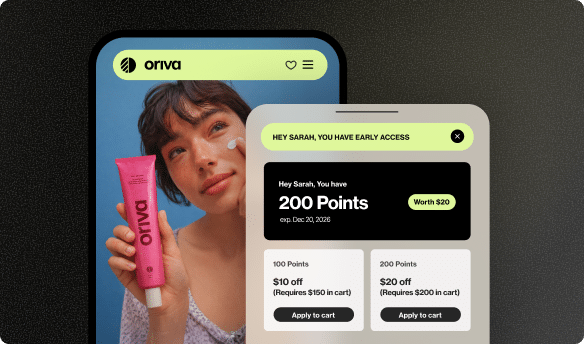
This is where Yotpo Loyalty becomes a game-changer. Yotpo Loyalty allows businesses to create exciting rewards programs where customers earn points for purchases, birthdays, or even referring friends. These points can then be exchanged for discounts or special perks. When customers feel valued, they are much more likely to stick around.
Implementing a loyalty program directly addresses performance goals related to customer retention and lifetime value. If a business aims to reduce customer churn or increase repeat purchases, a well-run loyalty program can deliver those measurable results. Want to learn more about keeping customers? Explore 10 ways to improve customer retention or delve into what is eCommerce retention to see how lasting relationships drive lasting performance.
By leveraging tools like Yotpo Reviews and Yotpo Loyalty, businesses aren’t just doing “stuff”; they’re actively working towards measurable improvements in key areas that drive overall performance and success. These tools help turn effort into tangible results, which is what performance-based fees are all about.
Challenges and Considerations
While performance-based fees sound great, like a magic wand for businesses, they’re not without their tricky bits. It’s important to think about these challenges before jumping in.
Defining “Performance” Can Be Tricky
Remember how we talked about clear goals? Well, sometimes, what seems clear to one person might be fuzzy to another. For example, if a business pays an agency for “increased brand awareness,” how do you actually measure that? Is it social media mentions? Website visits? It’s harder to count than a definite sale.
If the definition of “performance” isn’t super specific and agreed upon in writing, it can lead to disagreements later. That’s why having a detailed contract that spells out exactly what counts as a success, and how it will be measured, is super important.
Short-Term vs. Long-Term Goals
Sometimes, a focus on immediate “performance” might make people chase quick wins instead of building something truly lasting. For instance, an advertiser might get lots of clicks (a short-term performance goal), but if those clicks don’t turn into loyal customers, the long-term health of the business might suffer.
Smart businesses understand that both quick wins and long-term strategies are important. Tools like Yotpo’s Reviews and Loyalty products actually help balance this. Collecting reviews can give a quick boost to immediate sales by building trust, while a loyalty program is all about building those long-term customer relationships and retention. So, while performance-based fees might lean towards immediate results, it’s wise to ensure those results also support the bigger picture.
The Importance of Trust and Clear Agreements
At the end of the day, any business relationship, especially one involving money tied to performance, needs trust. Both the business paying the fee and the service provider earning it need to trust each other to be honest and fair.
This means clear communication, transparent reporting of results, and an open discussion if something isn’t going as planned. A strong, detailed agreement that covers all possibilities – what happens if goals are exceeded, what if they’re not met, how often payments are made – is the backbone of a successful performance-based fee arrangement. Without it, even the best intentions can lead to problems.
While performance-based fees offer fantastic advantages, being aware of these challenges and planning for them is key to making sure they work smoothly and successfully for everyone involved.
Table: Comparing Fixed Fees vs. Performance-Based Fees
To help make it even clearer, let’s look at a simple comparison between fixed fees and performance-based fees. Each has its place, and choosing the right one depends on the situation and what a business wants to achieve.
| Feature | Fixed Fee | Performance-Based Fee |
|---|---|---|
| Payment Structure | Set amount, paid regardless of outcome. | Varies, paid based on achieving specific results. |
| Risk to Client | Higher, pays even if results are poor. | Lower, only pays for proven success. |
| Motivation of Provider | Might complete tasks, but less direct incentive for extraordinary results. | Strong direct incentive to achieve and exceed goals. |
| Focus | On completing tasks or hours worked. | On measurable outcomes and results. |
| Budget Predictability | High, you know the exact cost upfront. | Can vary, depends on level of success (but often a cap can be set). |
| Best For | Projects with clear scopes, predictable effort, or where effort itself is the value. | Goals with measurable outcomes (e.g., sales, leads, customer retention). |
As you can see, each model has its strengths. Performance-based fees excel when the goal is clear, measurable, and directly impacts a business’s success, making the service provider a true partner in achieving those vital outcomes.
Conclusion: The Future of Smart Payments
So, what have we learned about performance-based fees? Simply put, they are a smart, results-oriented way for businesses to pay for services. Instead of just paying for time or effort, these fees ensure that payment is directly linked to actual achievements, like more sales, new customers, or happier returning shoppers. It’s a way to share risk, boost motivation, and keep everyone focused on hitting those important targets.
In today’s fast-paced business world, being able to prove that your efforts lead to real results is more important than ever. Businesses want to see a clear return on their investments. This is why performance-based models are becoming increasingly popular, as they align the goals of the service provider with the growth objectives of the client.
And how do businesses ensure they can measure and achieve that performance? By using powerful tools that gather data and drive customer engagement. For instance, Yotpo Reviews empowers businesses to build trust and increase conversions by showcasing authentic customer feedback. This directly contributes to measurable “performance” like increased sales and conversion rates. Likewise, Yotpo Loyalty helps companies create thriving communities of loyal customers, driving repeat purchases and boosting essential metrics like customer retention and lifetime value.
By understanding what performance-based fees are and by using smart tools to track and improve their results, businesses are setting themselves up for greater success. It’s all about making sure every dollar spent is working hard to help the business grow, proving that performance truly pays off.










 Join a free demo, personalized to fit your needs