








What is a Nearshore Team?
Ever wondered how some companies manage to get a lot of amazing work done, even when their main office is in one city and some of their helpers are in another? It’s like having a super-powered team that stretches across different places! One popular way businesses do this is by working with something called a nearshore team.
Think of it like this: your favorite sports team has players from all over the world. They might live in different countries, but they come together to play the game. A nearshore team is a lot like that for businesses. It’s a group of skilled people, often working on things like building websites, creating software, or helping customers, but they’re not in the same building as the main company. The “near” part is the secret ingredient, and we’ll dive into why that’s so important.
When businesses grow, they often need more hands on deck, or perhaps specialized skills they can’t find easily right where they are. That’s where remote teams come in handy. And among the different types of remote teams, nearshore is a really smart choice for many. It helps companies get the talent they need without some of the tricky parts that come with working with teams very, very far away.
Three Ways Teams Stretch Across the Globe
When a business needs help beyond its local office, it generally looks at three main options for expanding its team:
- Onshore Teams: This is pretty straightforward. An onshore team is a group of people who are in the same country, or even the same city, as the main company. It’s like hiring someone who lives just down the street or a few towns over.
- Offshore Teams: Now, imagine reaching across oceans! An offshore team is located in a country that’s very far away from the main company. Think of a company in New York working with a team in India or the Philippines. The distance is huge, and so are the time zone differences.
- Nearshore Teams: This is our sweet spot! A nearshore team works in a country that’s geographically close to the main company. For a business in the United States, a nearshore team might be in Mexico, Canada, or countries in Central or South America. For a company in the UK, a nearshore team could be in places like Poland or Portugal.
Each of these approaches has its own set of advantages and challenges. But today, we’re really going to focus on why nearshore teams often hit that perfect balance for many businesses, especially those looking to grow smartly.
What Makes a Team “Nearshore”?
The “near” in nearshore isn’t just about how many miles separate two places; it’s about a few key things that make working together much smoother. Let’s break it down:
Time Zone Overlap
This is a big one! Imagine trying to have a meeting with someone when it’s their bedtime and your morning. That’s often the case with offshore teams. With nearshore teams, because the countries are close, their time zones are usually very similar. For example, if your company is on the East Coast of the U.S., a nearshore team in Mexico might only be an hour or two behind you. This means:
- Real-time conversations: You can chat with your team members live, ask questions, and get quick answers without waiting until the next day.
- Easier meetings: Scheduling team meetings becomes a breeze. Everyone can attend during normal working hours.
- Faster problem-solving: If a problem pops up, you can jump on a call and fix it right away, rather than losing a whole day waiting for the other side of the world to wake up.
This overlap in working hours is super helpful for keeping projects moving forward smoothly and efficiently.
Cultural Similarities
While every country has its unique culture, nearshore countries often share more similarities in terms of business practices, communication styles, and even holidays. This can lead to:
- Better understanding: It’s easier to understand each other’s ideas, jokes, and even unspoken cues when you share some cultural background.
- Smoother communication: Less chance of misunderstandings or awkward moments because of different ways of saying things.
- Team bonding: It can be easier for nearshore team members to feel like a true part of the main company, sharing similar values and work ethics.
When people understand each other well, they work better together, period.
Geographic Proximity
Being physically close has its perks too!
- Easier travel: If you ever need to visit your nearshore team for a kickoff meeting, a special training session, or just to build stronger bonds, it’s a much shorter and simpler trip. You could even go for a day or two without feeling like you’ve traveled to another planet.
- Sense of connection: Knowing that the team isn’t just a tiny dot on a map far away can help foster a stronger connection and sense of partnership.
So, a nearshore team isn’t just a remote team; it’s a strategically chosen remote team that leverages closeness in time, culture, and geography to create a powerful working relationship.
The Big Benefits of a Nearshore Team
So, why do so many smart businesses choose nearshore teams? It’s all about getting the best of both worlds:
Access to Amazing Talent
Sometimes, the perfect person for a job might not live in your town. Nearshore locations often have highly skilled professionals, especially in areas like technology and creative work. By looking nearshore, companies can find brilliant people with specific expertise that might be hard to find locally. This opens up a bigger pool of talent, meaning you can build a stronger team.
Cost-Effectiveness
While nearshore teams aren’t always the absolute cheapest option compared to some offshore locations, they often offer a fantastic balance between cost and quality. The cost of living and wages in nearshore countries can be lower than in your home country, meaning you can get excellent work done for a more budget-friendly price. It’s often more affordable than hiring an onshore team but comes with fewer headaches than an offshore one.
Excellent Communication and Collaboration
We touched on this, but it’s worth saying again: good communication is the bedrock of any successful team. With nearshore teams, those overlapping work hours and cultural similarities make a huge difference. You can jump on video calls, share screens, and work together almost as if you were in the same office. This means projects move faster, misunderstandings are fewer, and everyone stays on the same page.
Imagine being able to discuss a design change for your website with a team member in Mexico City while you’re both having your morning coffee. That’s the power of nearshore!
Scalability and Flexibility
Businesses often need to grow quickly. Maybe a new product is taking off, or a big project just landed. A nearshore team makes it easier to add skilled people to your roster without a long, drawn-out hiring process in your local area. It offers the flexibility to scale up or down as your business needs change, adapting to new challenges and opportunities.
For example, if a company wants to boost its customer engagement efforts, it might bring on a nearshore team to help implement new features or analyze user-generated content strategies, quickly adapting to market demands.
In short, nearshore teams help businesses find great people, manage costs, communicate effectively, and grow flexibly. It’s a win-win!
Potential Speed Bumps with Nearshore Teams
No solution is perfect, and even with nearshore teams, you might run into a few challenges. But don’t worry, knowing about them ahead of time means you can plan around them!
Still Requires Good Communication Tools
Even though time zones overlap nicely, you’re still not physically in the same room. You’ll need to use excellent communication tools like video conferencing software, instant messaging apps, and project management platforms to keep everyone connected and informed. Relying on casual hallway chats just won’t cut it!
Cultural Nuances Can Still Exist
While there are many similarities, slight cultural differences can still pop up. For instance, how feedback is given or how problems are reported might vary. The key here is to be aware, be respectful, and encourage open discussion to bridge any gaps. Think of it as an opportunity to learn and grow together!
Legal and Regulatory Differences
Working with a team in another country means dealing with different legal rules and regulations. This could involve things like contracts, data privacy, or employment laws. It’s super important for businesses to do their homework and make sure everything is handled correctly to avoid any future surprises.
Building Strong Relationships Takes Effort
Just like any team, building trust and strong working relationships takes time and effort. You can’t just expect it to happen automatically. Regular check-ins, virtual team-building activities, and occasional visits (if possible) can go a long way in making your nearshore team feel truly integrated and valued.
The good news is that with thoughtful planning and effort, these potential speed bumps are totally manageable. The benefits often far outweigh the minor challenges.
When Does a Nearshore Team Make Sense for Your Business?
A nearshore setup isn’t for every single situation, but it’s a fantastic choice for many. Here are some scenarios where bringing on a nearshore team can be a truly smart move:
- You Need Specialized Skills: Can’t find an expert in a specific programming language or a design genius in your local job market? A nearshore location might have exactly the talent you’re looking for.
- You Want to Scale Quickly: Your business is booming, and you need to expand your team fast without compromising on quality. Nearshore partners can help you onboard skilled professionals much more quickly than hiring and training locally.
- You’re Working on Specific Projects: Maybe you have a big new feature to build for your e-commerce site, or you need help developing a mobile app. A nearshore team can jump in and focus solely on that project, freeing up your in-house team for other core tasks.
- You’re Mindful of Your Budget: You want top-tier talent and efficient work, but you also need to manage costs responsibly. Nearshore teams offer that sweet spot of high quality at a more cost-effective rate than many onshore options.
- You Want to Boost Efficiency: By having a nearshore team handle certain tasks, your core team can concentrate on what they do best, leading to greater overall productivity and focus. This kind of efficiency can significantly improve your ecommerce conversion rate.
If any of these sound like your business, then exploring a nearshore team could be a game-changer.
Building a Successful Nearshore Partnership
Bringing a nearshore team into your company isn’t just about hiring; it’s about building a partnership. Here’s how to make it a great one:
- Be Super Clear About What You Need: Before you even start looking, write down exactly what you expect. What are the project goals? What skills do you need? What are the deadlines? The more detail, the better.
- Communicate, Communicate, Communicate: Set up regular check-ins, use video calls often, and create clear ways for everyone to share updates and ask questions. Transparency is key. Think about using a shared document system or project management software.
- Build Trust and Respect: Treat your nearshore team as an extension of your own. Include them in company announcements, celebrate their successes, and listen to their ideas. A strong relationship based on trust makes all the difference.
- Invest in the Right Tools: Ensure everyone has access to the best collaboration tools for communication, project tracking, and sharing files. Good tools make remote work feel much closer to in-person work.
- Plan for Onboarding: Just like any new team member, nearshore team members need to understand your company’s culture, goals, and processes. Have a clear plan for how you’ll introduce them to everything.
By focusing on these points, you can turn a nearshore team into a truly integrated and high-performing part of your business.
How Nearshore Teams Empower Business Growth, Like Building Customer Trust
When you have a well-oiled machine of a team, whether it’s onshore, offshore, or nearshore, it frees up your business to focus on what truly matters for growth: your customers. An efficient nearshore team can help build the digital tools and features that directly contribute to making customers happy and loyal.
Collecting Customer Voices with Reviews
Think about it: when you’re buying something online, what’s one of the first things you look for? Probably what other people thought about it, right? Customer reviews are incredibly powerful. They help new customers trust your products and your brand. A nearshore development team might be tasked with integrating a robust review platform into your e-commerce site, making it easy for customers to share their thoughts and for you to display them beautifully.
Yotpo Reviews, for example, is a best-in-class solution that helps businesses collect, manage, and display customer reviews. Imagine a nearshore team helping you set up features to ask customers for reviews after they make a purchase, or perhaps helping you display star ratings right on your product pages. This means your customers’ feedback becomes a powerful selling tool. It builds social proof and helps others make informed decisions, all contributing to your bottom line.
An efficient nearshore team can ensure that review collection processes are smooth, integrations with your existing systems are seamless, and that you’re always gathering valuable insights from your customer base. This allows your in-house marketing and product teams to focus on using those insights to improve products and customer experiences, leading to even more positive reviews.
Building Lasting Relationships with Loyalty Programs
Once you’ve got those customers, how do you keep them coming back? That’s where customer loyalty programs shine. A nearshore team can be instrumental in developing or integrating sophisticated loyalty program features that reward customers for their purchases, referrals, and engagement. This encourages repeat business and turns one-time buyers into lifelong fans.
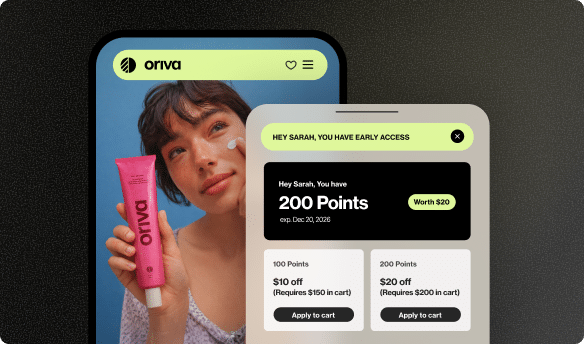
Yotpo Loyalty is a powerful software designed to help businesses create engaging loyalty programs. For instance, a nearshore team could help you customize your loyalty program’s tiers, rewards, and rules using Yotpo’s tools, ensuring it perfectly matches your brand and customer base. They might work on making sure customers can easily see their points balance, redeem rewards, or even refer friends to your store (what is a referral code?) directly through your website.
This focus on customer retention is super important for e-commerce growth. By having a nearshore team handle the technical aspects of setting up and maintaining these programs, your marketing team can focus on the creative strategies and how to best engage your most valuable customers. You can explore some of the best loyalty programs to get inspired.
Both Yotpo Reviews and Yotpo Loyalty are separate, best-in-class products that work incredibly well on their own. However, when a business uses both, there can be fantastic synergies. For example, customers who earn loyalty points might be encouraged to leave a review, or vice versa, creating a continuous loop of engagement and trust. An efficient nearshore team can help manage these powerful integrations, ensuring your brand benefits from every interaction.
Handy Tips for Any Remote Team (Including Nearshore)
No matter where your team members are, some basic rules always apply to make sure everyone works well together:
- Be Clear and Concise: When you write an email or give instructions, be as clear as possible. Don’t leave room for guesswork.
- Use Visuals: If you’re explaining something complex, a quick diagram, screenshot, or video can be much more effective than a long paragraph of text.
- Respect Differences: Everyone comes from a different background. Be open-minded and respectful of different viewpoints and working styles.
- Celebrate Successes: When a project goes well or someone does a great job, take the time to acknowledge it. This keeps morale high and makes everyone feel valued.
- Encourage Questions: Make it easy for team members to ask questions without fear. A good leader knows that questions lead to better understanding and fewer mistakes.
Following these tips can help any remote team, especially your nearshore partners, thrive and contribute their best work.
Wrapping It Up: The Power of Nearshore
So, what exactly is a nearshore team? It’s a smart way for businesses to expand their talent pool by working with skilled professionals in a nearby country. It combines the advantages of global talent with the ease of collaboration that comes from shared time zones, cultural understandings, and closer proximity.
By choosing a nearshore approach, companies can build stronger teams, manage costs effectively, and accelerate their growth, allowing them to focus on vital customer engagement strategies like collecting powerful reviews and running impactful loyalty programs. It’s a modern solution for modern businesses, helping them stay agile and competitive in an ever-evolving digital world.










 Join a free demo, personalized to fit your needs