








Imagine a Fair Game: Understanding Minimum Advertised Price (MAP)
Hey there! Have you ever noticed how sometimes your favorite toy or game is advertised at a certain price, no matter which store you look at? It’s almost like there’s a secret club for businesses that sets rules for how they can talk about prices. Well, in the world of shopping, there’s something similar for grown-ups called Minimum Advertised Price, or MAP for short. Think of it like a fair play rulebook that a brand gives to all the stores that sell its products.
MAP is really about making sure things are fair and that everyone plays by similar advertising rules. It helps brands keep their special products looking valuable, and it helps stores compete in ways that aren’t just about who can offer the lowest price on a sign. We’re going to explore this idea together, and by the end, you’ll understand why it’s such an important part of how businesses work.
What Exactly is MAP?
It’s About How Products are Shown, Not Always Sold
So, what does MAP actually mean? At its simplest, MAP is the lowest price a store is allowed to show or advertise a product for. The key word here is “advertised.” This means the price you see in a newspaper ad, on a website banner, in an email, or even on a big sign in the store window. It’s the price that first catches your eye and tells you how much something costs.
It’s important to remember that MAP is not necessarily the price you actually pay when you check out. A store might advertise a product at the MAP price, but then when you add it to your online cart or go to the cash register, they could sell it to you for a little bit less. The important thing is what they tell you it costs publicly.
Here are some places where you might see an advertised price that is affected by a MAP policy:
- Online store product pages or search results.
- Fliers, brochures, or newspaper advertisements.
- Email newsletters sent by retailers.
- Banners or pop-ups on websites.
- Social media posts from stores.
Why Brands Care About MAP
Imagine you have a really special toy that you spent a lot of time designing and making. You want everyone to know it’s a high-quality, fun toy. Now, what if one store starts advertising your toy for a super, super low price, much lower than what it cost you to make or what other stores are selling it for? People might start thinking your toy isn’t very good or that it’s cheap, even if it’s actually amazing.
That’s why brands use MAP. They want to:
- Protect their special products: They want their products to be seen as valuable and high-quality.
- Ensure stores don’t make their products look cheap: A very low advertised price can make people think a product isn’t worth much.
- Keep things fair for all stores: If one store constantly advertises lower than others, it hurts the other stores that are trying to sell the same product fairly.
The Big Reasons Why Companies Use MAP
MAP policies aren’t just some random rule. There are really good reasons why brands put them in place. It’s all about making sure their products are valued, retailers are supported, and customers get a good experience.
Keeping the Brand Strong and Special
Think about your favorite brand of sneakers or perhaps a specific video game console. These items usually have a certain level of quality and coolness associated with them, right? If stores were constantly advertising these items at rock-bottom prices, it could make people think they aren’t as special or high-quality as they truly are. MAP helps prevent this.
It helps a brand maintain its image. When a product consistently appears at a respectable price, it sends a message that it’s worth that amount because of its quality, design, or how well it works. Brands often put a lot of effort into building their reputation, and MAP is one tool they use to keep that reputation shining. Many brands also use customer reviews to highlight the value and quality of their products. Real stories from real users can show everyone why a product is worth its advertised price, even if competitors are trying to sell similar items for less.
Fair Play for All Stores
Imagine a race where one runner gets to start much closer to the finish line. That wouldn’t be fair, would it? In the world of selling, if one store could always advertise a product at an extremely low price, other stores selling the same item would have a hard time. Customers would always go to the store with the lowest advertised price.
MAP helps level the playing field. It means stores can’t just try to win customers by always having the cheapest advertised price. Instead, they have to compete on other important things like:
- Great customer service: Helping shoppers find what they need and answering questions.
- Helpful staff: Having people who know a lot about the products.
- Special features or services: Like free shipping, easy returns, or loyalty programs that reward repeat customers.
This competition on service and experience ultimately benefits you, the customer!
Supporting Retailers Who Put in the Work
Stores put a lot of effort into selling products. They create beautiful displays, train their staff, build nice websites, and sometimes even offer demonstrations. All of this costs money and time. If stores constantly have to sell products for super low prices, they might not make enough money to cover these costs and keep their business running. They might even stop selling that brand’s products altogether.
MAP helps ensure that stores can earn a fair amount from selling a product. This encourages them to continue investing in showing off the brand’s items, providing good service, and creating a great shopping experience. For instance, stores might use loyalty programs to give customers points or special discounts. These programs build a strong connection between the customer and the store, making the shopping experience more rewarding. This way, the retailer can attract and keep customers by offering value beyond just the price tag, helping them thrive.
How MAP Policies Actually Work
MAP isn’t just a suggestion; it’s a set of rules that brands create and ask their retailers to follow. Let’s look at how these policies are put into action.
It’s a Rulebook from the Brand
When a brand decides to use MAP, they create a formal document, a kind of rulebook. This document clearly states the minimum advertised price for each of their products. It also explains what counts as “advertising” (like online ads, flyers, social media posts) and what happens if a store doesn’t follow the rules.
When a store wants to sell products from that brand, they usually agree to follow these MAP rules. It’s part of their agreement with the brand. This way, both the brand and the store know exactly what to expect.
What Happens if a Store Breaks the Rules?
No one wants to break rules, especially in business. But sometimes it happens, either by accident or on purpose. If a store advertises a product below the MAP price, the brand will usually take action. This isn’t usually a super harsh punishment right away. Often, it follows a few steps:
- A Friendly Warning: The brand will first contact the store and let them know about the violation. They’ll ask the store to correct the advertised price.
- Temporary Suspension: If the store keeps advertising below MAP, the brand might temporarily stop selling products to that store. This means the store can’t restock until they agree to follow the rules.
- Stopping Sales Permanently: In very serious cases, or if a store repeatedly breaks the rules, the brand might decide to stop selling its products to that store forever.
These consequences are in place to make sure everyone takes the MAP policy seriously and to protect the brand’s value and the fairness for other retailers.
Important: The Selling Price Can Be Different!
This is a super important point and sometimes a bit tricky. Remember how we said MAP is about the advertised price? Well, stores can still sell products for less than the MAP price. They just can’t show that lower price in their public advertisements.
For example, a store might advertise a game console for $299 (the MAP price). But when you add it to your shopping cart online, a message might pop up saying, “Your final price is $285!” Or, at the checkout counter, the price might ring up lower. This is perfectly fine under most MAP policies. The brand only cares about the price they publicly display. This gives stores some flexibility to offer special deals to customers without hurting the brand’s image in public advertising.
Who Benefits from MAP?
When you hear about rules and policies, you might wonder who they are actually good for. With MAP, everyone involved—brands, retailers, and even you, the customer—can see some benefits.
For the Brands
For the companies that make the products, MAP is a powerful tool to:
- Maintain Brand Image: It helps keep their products from looking “cheap” and ensures they are seen as valuable and high-quality. This is crucial for long-term success.
- Reduce Price Wars: Without MAP, stores might constantly try to undercut each other, driving prices so low that no one makes enough money, and the brand’s reputation suffers.
- Encourage Quality Service from Retailers: When stores can’t just compete on price, they focus on providing excellent customer service, which makes the brand look even better.
- Help Products Stand Out Through Customer Stories and Experiences: When pricing is consistent, brands can shine by showcasing happy customer feedback and experiences, which naturally draws more attention to the product’s quality and benefits.
For the Retailers
The stores that sell the products also get a lot out of MAP:
- Less Pressure to Always Have the Lowest Price: They don’t have to constantly worry about being beaten on price in every ad. This reduces stress and allows them to focus on other aspects of their business.
- Can Focus on Customer Experience, Customer Retention, and Services: Instead of just cutting prices, stores can put effort into making shopping enjoyable, helping customers, and building relationships, which can lead to more loyal shoppers.
- More Stable Profit Margins: Knowing that prices won’t be driven down too much in advertisements helps stores plan their finances better and ensures they can make enough money to stay in business.
For the Customers (You!)
Even though you might not directly interact with a MAP policy, you benefit too:
- Ensures Product Quality Perception: You can trust that the product you’re considering is seen as valuable and well-made, not just some cheap item.
- Stores Might Offer Better Service or Extra Perks: Because stores can’t always compete on the lowest advertised price, they try to attract you with better service, helpful staff, or special rewards.
- The Overall Value of the Product Remains High: MAP helps maintain the perceived value, which is often reinforced by user-generated content like reviews and photos. These real experiences from other customers help build trust and show you the true worth of a product.
MAP vs. Resale Price Maintenance (RPM): What’s the Difference?
A Quick Look at Two Similar Ideas
Sometimes, MAP can sound a bit like another idea called Resale Price Maintenance (RPM), but they are actually quite different! It’s important to understand this difference because one is generally okay, and the other is usually not.
MAP (Minimum Advertised Price): As we’ve learned, this is about the lowest price a store can *advertise* a product for. The store still has the freedom to sell the product for less once you add it to your cart or go to the checkout. It controls what you see, not necessarily what you pay.
RPM (Resale Price Maintenance): This is when a brand tells a store the actual price they *must* sell a product for. The store has no freedom to sell it for less, even at checkout. This controls the final selling price, not just the advertised price.
Why the Difference Matters
The main reason this difference is so important is because of rules about fair competition. Governments want to make sure businesses can compete freely so that you, the customer, get the best deals and choices. RPM is often seen as limiting this freedom too much, which can be against the law in many places because it can hurt competition.
MAP, on the other hand, allows stores to still offer discounts at the point of sale, keeping some level of competition alive. It’s a balance between protecting a brand’s value and allowing retailers flexibility.
Here’s a quick table to help you see the differences clearly:
| Feature | MAP (Minimum Advertised Price) | RPM (Resale Price Maintenance) |
|---|---|---|
| What it Controls | The lowest price a store can advertise. | The actual lowest price a store can sell a product for. |
| Legality | Generally legal and widely used. | Often illegal, as it can be seen as anti-competition. |
| Retailer Freedom | More freedom to set the final selling price. | Very little freedom to set the selling price. |
Why MAP is Super Important for Online Shopping
In today’s world, a lot of shopping happens online. You can quickly hop from one website to another, comparing prices with just a few clicks. This is super convenient for shoppers, but it can also be a challenge for brands and stores. This is where MAP becomes even more important.
The Wild West of the Internet
Imagine if there were no MAP policies online. Stores could constantly change their advertised prices in real-time to be just a penny lower than their competitors. This would lead to a “race to the bottom” where prices drop so low that no one makes enough money. Brands would also find their products looking incredibly cheap across the internet, potentially damaging their hard-earned reputation.
Online, it’s easier than ever to see who has the lowest price. Without MAP, the constant pressure to be the cheapest would make it very difficult for stores to invest in things like good customer service or loyalty programs, because every penny would matter so much in the advertised price.
Keeping Things Consistent Across Many Online Stores
A brand wants its products to be represented well, no matter where they are sold. Whether it’s a big online retailer or a smaller specialized shop, the brand wants its product to look good and be seen as valuable. MAP helps achieve this consistency across all the different online shops.
By ensuring that the advertised price is consistent, brands can focus on helping retailers highlight other aspects of their products. This includes showcasing glowing customer reviews, detailed product descriptions, and helpful videos. These elements build trust and demonstrate the product’s true value, helping it stand out even when its advertised price is similar across different online sellers.
How Businesses Keep Track of MAP
Having a MAP policy is one thing; making sure everyone follows it is another! Brands need to be like good detectives, constantly watching to make sure their products are being advertised correctly. This is called monitoring and enforcement.
Monitoring: Like Being a Good Detective
Brands can’t just set a MAP policy and forget about it. They need to actively check where their products are being sold and how they are advertised. This often involves:
- Checking Online Ads: They look at product pages on various retail websites, search results, and online banners.
- Reviewing Flyers and Emails: They examine promotional materials sent out by stores.
- Using Special Tools: There are special computer programs and services that can automatically scan the internet for a brand’s products and report any advertised prices that are below MAP. This makes it much easier to keep an eye on hundreds or thousands of different products across many stores.
This careful monitoring helps brands quickly spot any rule-breaking and address it before it causes bigger problems.
Enforcement: Gently Reminding Everyone of the Rules
Once a brand spots an advertised price below MAP, they need to act. Enforcement is the process of making sure retailers fix their violations and stick to the policy. As we discussed earlier, this usually involves a series of steps:
- First Contact: A polite message asking the retailer to correct the advertised price.
- Follow-up: If the issue isn’t fixed, a stronger reminder might be sent.
- Consequences: If the problem continues, the brand might temporarily stop selling products to that retailer or, in serious cases, end their relationship entirely.
The goal isn’t to punish stores, but to maintain the value of the brand’s products and ensure fair competition for all retailers. It’s about keeping the playing field level and respectful.
Beyond Price: Building Value with Reviews and Loyalty Programs
Why Price Isn’t Everything
Even with MAP policies in place, setting a minimum advertised price isn’t the only way to make a product successful. In fact, many successful brands understand that price is just one piece of the puzzle. People look for more than just the lowest cost; they look for quality, reliability, and a great experience. This is where building strong connections with customers becomes incredibly important.
When the advertised price is consistent across many stores, brands and retailers have to find other ways to stand out. They need to show customers why their products are the best choice, and why they offer value that goes beyond just the numbers.
The Power of Customer Voices with Yotpo Reviews
Imagine you’re trying to decide between two similar products. If one has lots of positive comments from people who have actually used it, wouldn’t that make you feel more confident? This is the power of customer reviews and user-generated content.
Yotpo Reviews helps brands collect and display these important customer opinions. When customers share their real stories, photos, and ratings about a product, it builds trust and shows new shoppers exactly what they can expect. Good reviews highlight quality, how well a product solves a problem, or simply how much joy it brings. This proof from other customers helps explain why a product is worth its price, even when that price is set by a MAP policy. It adds a layer of confidence and reassurance that goes far beyond any advertised number, making the product more appealing and solidifying its perceived value.
Rewarding Your Best Friends with Yotpo Loyalty
Everyone loves to feel appreciated, right? That’s what loyalty programs are all about. They’re a brand’s way of saying “thank you” to customers who keep coming back.
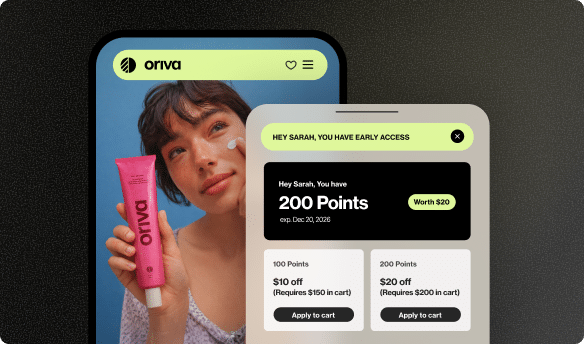
Yotpo Loyalty helps brands create exciting loyalty programs where customers can earn points, special discounts, or exclusive perks for shopping with them. These rewards make shopping more fun and make customers feel special. Even if a product’s advertised price is consistent due to MAP, a loyalty program can offer extra value to loyal customers through points they can redeem later or early access to new products. This builds strong, lasting relationships and encourages customers to stick with a brand they love, rather than just chasing the lowest advertised price somewhere else. It’s about building a community and rewarding continued trust, which adds significant value to the overall customer experience.
Working Together: Reviews, Loyalty, and MAP
Think of it like this: MAP sets a fair floor for how products are advertised. It makes sure no one digs a hole so deep that the product looks cheap. But reviews and loyalty programs build a beautiful, strong house on top of that floor. They add value, trust, and connection that make the product truly shine.
Together, these strategies help brands not only maintain consistent pricing but also tell their story and show why their products are special. They ensure customers see the full value of what they’re buying, leading to more satisfaction and happier shoppers. This combination creates a powerful strategy for sustainable growth for businesses.
Wrapping Up: MAP Helps Keep the Market Fair and Strong
So, we’ve learned that Minimum Advertised Price (MAP) is like a rule that brands give to stores. It says, “You can’t show this product for less than X dollars in your ads.” It’s not about the final price you pay, but about the price you see advertised.
This rule helps brands protect how valuable their products seem, stopping them from looking cheap. It also creates a fairer playground for all the stores that sell the product, so they don’t have to constantly battle each other just on price. And for you, the customer, it often means stores focus on better service and a better shopping experience.
In a world full of choices, MAP is one of the many ways businesses try to ensure that products hold their value and that competition remains fair. It’s about more than just numbers; it’s about building lasting value and trust, which great customer experiences, supported by authentic reviews and rewarding loyalty programs, truly help achieve.










 Join a free demo, personalized to fit your needs