








What is Markdown Optimization?
Have you ever seen a “Sale!” sign in a store window or spotted an item with a big discount sticker? It feels great to find a good deal, right? Well, stores often put items on sale to clear out old stock or encourage more people to buy. But how do they decide which items to discount, by how much, and when? That’s where something called Markdown Optimization comes in. Think of it like a superhero power for stores, helping them make smart choices about sales so everyone wins!
What Does “Markdown” Really Mean?
Let’s start with the first part of our big phrase: “Markdown.” It’s actually a pretty simple idea. When a store does a “markdown,” it means they are lowering the price of something they want to sell. You might call it a discount, a sale, or a clearance event. It’s all about making an item cheaper than its original price.
Why would a store do this? There are many good reasons! Maybe they have too much of a certain item, like a pile of winter coats when spring is just around the corner. They need to make space for new summer clothes, don’t they? Or perhaps a product hasn’t been selling as quickly as they hoped, and they want to give it a little boost to find new homes. Sometimes, stores just want to attract new customers or reward loyal ones with special deals. It’s all part of how businesses manage their inventory and keep things fresh.
Why Do Stores Need to Be Smart About Sales? (The “Optimization” Part)
Now, let’s look at the “Optimization” part. This is where the “smart” thinking happens. Imagine a store owner just guesses what price to put on sale items. If they make the price too low, they might sell everything super fast but lose out on money they could have made. If the price isn’t low enough, the items might still sit there, taking up space and not making any money at all.
Optimization means finding the absolute best way to do something. So, Markdown Optimization is about finding the perfect sale price for the right item, at the right time, for the right customers. It’s a careful balancing act! Stores want to sell their products, make enough money to stay open, and keep their customers happy all at the same time. It’s tricky, but super important for a store to be successful.
Guessing vs. Smart Decisions
In the past, stores might have just looked at how long an item had been on the shelf and picked a discount percentage. But that’s a bit like playing a guessing game, isn’t it? Today, stores use a lot more information, almost like a detective looking for clues. They want to make decisions based on facts, not just feelings or old habits. This modern approach helps them avoid mistakes and make the most out of every sale.
The Secret Ingredients for Smart Sales
So, what kind of information do stores use to become markdown optimization wizards? They look at several important “secret ingredients” to make their smart sales decisions.
Knowing Your Customers
This is a big one! Imagine if a store tried to sell superhero action figures to someone who only buys art supplies. It wouldn’t work very well, would it? Stores try to understand what their customers like, what they’ve bought before, and what kinds of deals make them excited. They want to know what makes you decide to buy something, which is part of understanding the consumer decision-making process. If they know their customers love a certain brand, they might be extra careful with discounts on those items, or perhaps offer special deals just to those loyal fans.
Watching What Sells (and What Doesn’t)
Stores keep a close eye on their products. Which items fly off the shelves? Which ones just sit there collecting dust? They also pay attention to how quickly things sell at different times of the year. For example, sun hats sell like hotcakes in summer but not so much in winter! By tracking sales data, they can predict when an item might need a little price help to move along.
Thinking About How Much You Have
Imagine your toy box is overflowing. You need to make space, right? Stores are the same. If they have a huge pile of a certain product, they might need to offer a bigger discount to clear it out faster. But if they only have a few left, they might not need to discount it at all, or only offer a small markdown. Knowing their stock levels helps them decide how urgent a sale needs to be.
Looking at the Calendar
Certain times of the year are perfect for sales. Think about holiday seasons or end-of-season clearances. Markdown optimization helps stores plan these sales far in advance. They think about when a product will become less popular (like swimsuits after summer) and schedule discounts to happen just as demand starts to drop, but before it’s too late.
How Reviews and Loyalty Help with Smart Sales
You might be wondering, how do things like customer reviews and loyalty programs fit into smart sales? They’re actually super important because they help stores build trust and encourage people to keep coming back, even when items are on sale!
Reviews Build Trust, Even on Sale Items
When you see something on sale, you might think, “Is there something wrong with it?” or “Is it still good quality?” This is where customer reviews become incredibly powerful. Even if an item is discounted, honest opinions from other shoppers can reassure you that it’s still a great product. Imagine seeing a pair of shoes you like on sale, and then reading lots of amazing reviews saying how comfortable and stylish they are. You’d feel much better about buying them, wouldn’t you?
Platforms like Yotpo Reviews help stores collect and show off these real customer thoughts. When stores feature ecommerce product reviews, it reduces any worry you might have about buying a sale item. People trust what other people say much more than what a store might say about itself. These reviews are a form of user-generated content, which means they come from real customers and build a lot of confidence. So, even with a markdown, strong reviews make products look like fantastic deals, not just unwanted leftovers.
Loyalty Programs Make Sales Even Sweeter
Think about a club where you get special perks for being a member. That’s kind of like a loyalty program! These programs encourage you to shop at the same store again and again. How do they tie into smart sales?
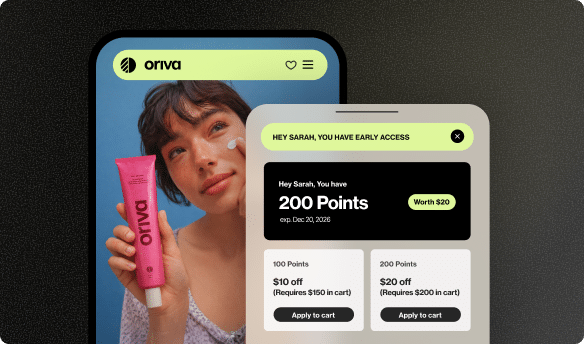
With a loyalty program, even when you buy something on sale, you might still earn points or rewards. Those points can then be used for future purchases, maybe even to get an even bigger discount on something else later! This makes the sale feel like an even better deal because you’re getting savings now and setting yourself up for more savings later. It’s like getting a bonus on top of a discount.
Companies use tools like Yotpo Loyalty to create these special clubs. They help stores design best loyalty programs that make customers feel valued. By offering rewards during sales, stores not only clear out inventory but also strengthen their relationship with you. This encourages customer retention, meaning you’re more likely to come back and shop again, even after the sale is over. It’s a smart way to keep customers happy and coming back for more, turning a one-time sale into a long-term customer relationship.
Tools to Help with Smart Sales
You might imagine a team of people with calculators trying to figure out the best sale prices. While people are definitely involved, many stores use special computer programs, or “tools,” to help with markdown optimization. These programs are super smart!
They can quickly look at tons of information: how many items are in stock, how fast they usually sell, what the weather forecast is, what other stores are charging, and even what customers are saying in reviews. Then, these programs use all that data to suggest the best discount percentage and the perfect time to launch the sale. This means stores don’t have to guess; they can make really accurate decisions based on lots of facts. It makes the whole process much more efficient and helps stores earn money while making sure customers get great deals.
The Benefits of Being Smart About Sales
When stores use markdown optimization, it creates a win-win situation. Both customers and the stores themselves benefit greatly.
Happy Customers
When sales are done smartly, customers get fantastic deals on items they actually want or need. They feel like they’re getting good value and aren’t being tricked into buying something nobody else wanted. This builds trust and makes customers happy, which means they’re more likely to shop at that store again in the future.
Happy Store Owners
For the stores, smart sales mean they can sell more products, clear out old inventory to make room for new and exciting items, and still make enough money to keep their business running. They avoid losing too much money on unsold goods or making discounts that are too deep. It’s a great way to manage their business smoothly and successfully.
Less Waste
When items don’t sell, they can sometimes go to waste. Maybe they become outdated, or get damaged sitting in a warehouse. Markdown optimization helps ensure products find a home, reducing waste and making the whole process more sustainable. It’s better for everyone when products are used and enjoyed.
Markdown Optimization in Action: A Simple Table Example
Let’s look at a simple example to see how a store might use these ideas. Imagine a small clothing store preparing for the end of summer.
| Product | Original Price | Sale Price | Reason for Markdown | How Reviews/Loyalty Help |
|---|---|---|---|---|
| Bright Yellow Swimsuit | $40 | $25 (37.5% off) | End of summer season. High stock. | Good reviews (Yotpo Reviews) show quality. Loyalty members (Yotpo Loyalty) earn points on sale purchase, encouraging future buys. |
| Kids’ Rain Boots | $30 | $20 (33% off) | A few pairs left from last year. Make space for new designs. | Positive reviews highlight durability. Loyalty members might get an extra 5% off, making it irresistible. |
| Unisex Denim Jacket | $60 | $50 (16.7% off) | Popular item, but slight dip in sales. Small markdown to boost interest. | Customers checking reviews for style and fit (ecommerce product reviews). Loyalty points for purchase encourage repeat business (customer retention). |
As you can see, the decisions aren’t just random. They’re based on smart thinking about the product, the time of year, and how customers react.
Your Role as a Customer
Understanding markdown optimization can even help you! When you see a sale, you can think a little like a smart store owner. Is this a good deal because the store has too many, or because it’s the end of a season? Are there good reviews for the product, even at the lower price? By asking these questions, you can be a smarter shopper, finding the best value and feeling confident in your purchases. Always remember to check those reviews – they’re like getting advice from a friend who already tried the product!
Conclusion
So, Markdown Optimization isn’t just a fancy business term. It’s the smart way stores manage their sales to make sure products find happy homes, inventory stays fresh, and businesses can keep bringing us all the cool things we love to buy. By carefully choosing what to discount, by how much, and when, stores create win-win situations. They ensure they make enough money, and customers get fantastic deals. And with powerful tools like Yotpo Reviews building trust and Yotpo Loyalty rewarding engagement, these smart sales can do even more good, making sure customers feel valued and keep coming back for more!










 Join a free demo, personalized to fit your needs