


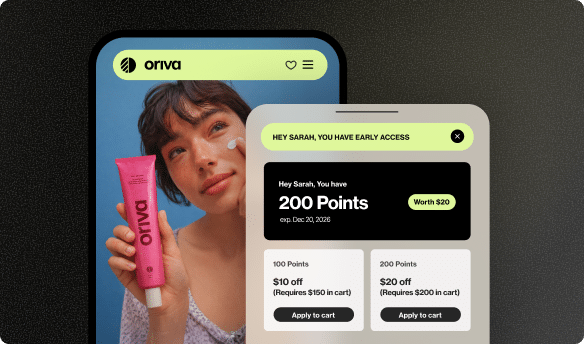






Imagine your favorite store wants to make shopping even more fun and rewarding for you. They might start a special club where you earn points every time you buy something, and these points can turn into cool discounts or even free stuff! This special club is called a loyalty program. It’s a way for stores to say “thank you” for being a loyal customer and to encourage you to keep coming back.
Now, imagine that same store is super smart. They don’t just guess if their new loyalty club is working well. They want to be sure! They want to know if giving out points and rewards actually makes people shop more or visit their store more often. How do they figure this out? They use a clever trick called a loyalty control group.
Think of it like this: if you’re trying out a new recipe for cookies, you don’t just bake one batch and decide it’s the best ever. You might bake one batch with your new special ingredient and another batch without it. Then you taste both to see which one is truly better! A loyalty control group works in a similar way for businesses. It helps them understand the real impact of their loyalty program, so they can make it even better for you. Let’s dive in and see how this works!
What is a Loyalty Program, Anyway?
Before we talk about control groups, let’s make sure we’re all on the same page about what a loyalty program is. A loyalty program is like a special thank-you club for customers. When you join, usually by signing up with your email, you get perks. These perks can be anything from earning points for every dollar you spend, getting special discounts on your birthday, or even early access to new products. The main idea is to make you feel special and reward you for choosing that particular store again and again.
Stores use loyalty programs because they know that happy, returning customers are super important. It’s much easier for a store to keep a customer they already have than to find a brand-new one. A good loyalty program makes you want to stick around, shop more often, and maybe even tell your friends about how great the store is. You can learn more about how these programs work and some of the best ones out there by checking out our information on Yotpo Loyalty and Best Loyalty Programs.
With a good loyalty program, customers feel valued. They get excited about earning points or unlocking new rewards. This positive feeling can make a big difference in how often they choose to shop with a specific brand. It’s not just about the points; it’s about building a relationship between you and your favorite store.
Why Do Stores Need to Test Their Loyalty Programs?
Imagine you’re trying to build the tallest LEGO tower ever. You might try different ways to stack the bricks. You wouldn’t just build it once and assume it’s the strongest, right? You’d test it, maybe push it a little, see if it wobbles, and then try a different way if it falls over.
Stores do the same thing with their loyalty programs. They spend time and effort creating these programs, and they want to know if they’re truly working. Are people actually buying more? Are they visiting the store more often? Or are they just doing what they would have done anyway, even without the loyalty program?
Testing helps stores understand a few key things:
- Is the program making a difference? They need to see if the loyalty program is actually changing customer behavior, like encouraging them to spend more or shop more frequently.
- What parts of the program are best? Maybe customers really love earning points, but they don’t care much about a special newsletter. Testing can show what customers value most.
- Is it a good investment? Running a loyalty program costs money and time. Stores want to make sure that the money they spend on rewards and managing the program is worth it because it brings in even more happy customers and sales.
Without testing, a store might be spending money on a program that isn’t really helping them grow. Or, even worse, they might miss out on making a great program even better! This is where our secret tester team, the control group, comes in handy.
Introducing the “Control Group”: Your Secret Tester Team
Okay, so how do stores actually test if their loyalty program is making a real difference? They use a brilliant trick involving a “control group.” It’s like having two groups of friends playing a game. One group tries a new super-strategy, and the other group plays normally. Then you compare the scores to see if the super-strategy actually helped.
In the world of loyalty programs, a control group is a small bunch of customers who are not invited to join the loyalty program. They continue to shop as they normally would, without earning points, getting special discounts, or enjoying any of the loyalty perks. Meanwhile, everyone else gets to join the loyalty program and enjoy all the benefits.
The whole point of having this “secret tester team” (the control group) is to have something to compare against. Imagine if everyone joined the loyalty program. How would the store know if people were buying more *because* of the program, or if they just happened to be buying more for some other reason?
By comparing the shopping habits of the loyalty members (the group that gets the program) with the shopping habits of the control group (the group that doesn’t), the store can see the true impact of their loyalty program. If loyalty members spend a lot more or come back more often than the control group, then the store knows their loyalty program is a success!
It’s a really smart way to take the guesswork out of running a business. Instead of just hoping something works, stores can use a control group to actually prove it.
How Does a Loyalty Control Group Work?
Setting up and using a loyalty control group involves a few simple, but important, steps. It’s a bit like conducting a mini-science experiment to understand customer behavior better. Let’s break it down:
Step 1: Divide and Conquer (Randomly Picking Groups)
The very first step is to pick two groups of customers. This is super important: the customers must be chosen randomly. Imagine putting everyone’s name into a hat and drawing out some names for Group A (the loyalty group) and some for Group B (the control group). This makes sure both groups are as similar as possible. For example, you wouldn’t want all your biggest spenders in one group and all your casual shoppers in another. Random selection helps keep things fair and balanced.
Step 2: The Loyalty Group (The “Treated” Group)
This group gets to be part of the special club! These customers are invited to join the loyalty program. They earn points, get rewards, receive exclusive offers, and enjoy all the perks the store has designed. Their experience is exactly what the store wants to test.
Step 3: The Control Group (The “Untreated” Group)
This is our “secret tester team.” Customers in the control group are not invited to join the loyalty program. They continue to shop at the store just like they always have. They don’t earn points, they don’t get special loyalty discounts, and they don’t even know they’re part of a test. Their shopping experience remains unchanged. This is crucial because it gives the store a “baseline” to compare against.
Step 4: Watch and Learn (Comparing the Results)
After letting the loyalty program run for a while (usually a few weeks or months), the store starts to compare the two groups. They look at things like:
- How much money each group spent.
- How often each group visited the store or made a purchase online.
- How many items each group bought in a single shopping trip.
- How long each customer stayed with the store before stopping their purchases.
By carefully comparing these numbers, the store can see if the loyalty program actually made a difference. If the loyalty group shows much better numbers (like spending more money or shopping more often) than the control group, then the store knows their program is a success! If there isn’t much difference, it might mean the program needs some changes.
It’s a powerful way to get real answers, not just guesses, about what works best for keeping customers happy and coming back. This kind of data-driven approach helps businesses grow smarter and faster.
What Can a Control Group Teach You?
A loyalty control group is like a magic mirror that shows a business the truth about its loyalty program. It can answer some really important questions that help stores make smarter decisions. Here are some of the big lessons a control group can teach:
- Does the loyalty program actually make people buy more? This is often the biggest question. A store wants to know if people in the loyalty program spend more money than those who aren’t in it. If the loyalty group spends, say, 15% more on average, then the loyalty program is clearly working!
- Does it make them come back more often? Are loyalty members visiting the store or website more frequently than the control group? If loyalty members make more purchases over a period of time, it means the program is boosting customer visits.
- Are customers sticking around longer? One of the best things a loyalty program can do is keep customers from going to other stores. A control group can show if loyalty members stay customers for a longer time compared to the control group. This is key for improving customer retention.
- Is it worth the effort for the store? Running a loyalty program isn’t free. Stores need to give out rewards, manage points, and develop special offers. The control group helps them see if the money they spend on the program brings in enough extra sales and customer loyalty to make it a worthwhile investment.
Imagine a store finds that their loyalty members spend 25% more and visit twice as often as their control group. That’s fantastic news! It tells them the loyalty program is a huge success. But what if there’s no real difference? Then the store knows they need to change their loyalty program to make it more appealing or effective. The control group provides clear, measurable results, so businesses can make choices based on facts, not just feelings or guesses.
Setting Up Your Control Group with Yotpo Loyalty
When businesses decide they want to understand the true impact of their loyalty program, they need tools that make it easy to manage customers and track their behavior. This is where a solution like Yotpo Loyalty comes in handy.
Yotpo Loyalty is designed to help businesses create, run, and measure their loyalty programs effectively. It provides features that allow stores to:
- Create customized loyalty programs: Businesses can set up different ways for customers to earn points and get rewards, perfectly tailored to their brand.
- Manage customer segments: This means they can group customers together based on different characteristics. This is a crucial step for setting up a control group, as it helps separate the “loyalty” customers from the “control” customers.
- Track customer actions: Yotpo Loyalty helps stores keep an eye on what customers are doing—how often they buy, how much they spend, and how they use their loyalty points.
While Yotpo Loyalty empowers businesses to run fantastic loyalty programs, the concept of a control group involves careful planning and analysis on the business’s side. The platform provides the detailed customer data and segmentation capabilities that make it possible to define and track the behavior of both loyalty and control groups. By using the comprehensive data available through Yotpo Loyalty, businesses can clearly see the differences in purchasing patterns between the two groups. This helps them truly understand the “lift” or extra boost that their loyalty program is giving them.
Essentially, Yotpo Loyalty equips businesses with the strong foundation needed to manage their loyalty efforts, and with smart planning, they can use its data and features to perform tests like setting up a control group. This way, they ensure their loyalty program isn’t just running, but truly making a positive difference for their customers and their business growth. You can explore more about how Yotpo Loyalty helps businesses create engaging programs on our Loyalty Use Cases page or learn about Loyalty Rewards Program Software.
Key Things to Look For When Comparing Groups
When a store compares its loyalty group with its control group, they’re looking for specific clues in customer behavior. These clues help them figure out if the loyalty program is really doing its job. Here are some of the most important things they watch for:
| What to Look For | Why It Matters | Example Question |
|---|---|---|
| Spending Habits | Does the loyalty program encourage customers to spend more money in total or per visit? | Do loyalty members spend a bigger amount over three months than control group members? |
| Purchase Frequency | Does the program make customers visit the store or website more often to buy things? | Do loyalty members shop 3 times a month, while control group members shop only once? |
| Customer Retention | Does the loyalty program help keep customers from leaving and shopping elsewhere? | Are loyalty members still shopping with us after a year, more so than the control group? This is directly related to what is eCommerce Retention. |
| Average Order Value (AOV) | Do loyalty members tend to buy more items or more expensive items each time they shop? | Is the average basket size for loyalty members larger than for the control group? This can impact your eCommerce Conversion Rate. |
| Engagement with Brand | Are loyalty members more likely to interact with the store’s emails, social media, or other communications? | Do loyalty members open more emails or click on more special offers compared to the control group? |
By carefully tracking and comparing these numbers, stores can get a clear picture of how well their loyalty program is performing. It’s like checking the score in a game – it tells you if your strategy is winning!
Benefits of Using a Loyalty Control Group
Using a loyalty control group isn’t just a fancy trick; it brings some really important benefits to businesses. It helps them operate smarter, save money, and build stronger relationships with their customers. Here are the main advantages:
- Proof, Not Guesswork: The biggest benefit is knowing for sure if your loyalty program is actually working. Instead of just hoping, you get real numbers that prove its value. This moves businesses from “I think it works” to “I know it works.”
- Smart Decisions: With clear data, businesses can make much better decisions. They can see what parts of the program are successful and which ones might need changing. This leads to improvements that genuinely benefit customers.
- Saving Money: If a loyalty program isn’t bringing in extra sales or keeping customers happy, it’s costing the business money without a good return. A control group helps identify programs that aren’t working, so the business can stop or change them, saving resources.
- Understanding Customers Better: By seeing how loyalty members behave differently from non-members, businesses gain deeper insights into what motivates their customers. This knowledge can be used to improve not just the loyalty program, but the entire customer experience.
- Measuring “Lift”: This term means the extra business you get specifically because of the loyalty program. A control group clearly shows this “lift.” For example, if loyalty members spend 20% more than the control group, that 20% is the program’s lift.
In short, a loyalty control group empowers businesses to build loyalty programs that are truly effective and valuable. It takes the guesswork out of the equation and replaces it with solid facts, leading to stronger customer relationships and better business growth.
Important Tips for Your Control Group Adventure
Using a control group is a powerful way to test your loyalty program, but there are a few important things to keep in mind to make sure your results are accurate and helpful. Think of these as the rules for a fair experiment:
- Keep it Fair: Remember that random selection? It’s crucial. Don’t try to pick specific types of customers for your control group. If your groups aren’t truly random, your results might be skewed, and you won’t get an honest answer.
- Don’t Peek Too Early: Good things take time! You need to let your loyalty program run for a decent period (maybe a few months) before you compare the groups. Customer habits don’t change overnight, so give the program enough time to show its true impact.
- Focus on One Change at a Time: If you change too many things in your loyalty program at once (like adding new rewards and changing point values), and you also run a control group, it will be hard to tell which specific change caused the difference. Try to test one big idea at a time to get clear answers.
- Size Matters: Make sure both your loyalty group and your control group are big enough. If you only have a handful of people in each group, a few unusual shoppers could make the results look weird. Larger groups give you more reliable information.
- Don’t Forget About Reviews: Even for customers who might be in your control group (meaning they aren’t part of your loyalty program), their feedback is still super important! All customers, whether they’re in a loyalty program or not, can share their thoughts and experiences through reviews. These reviews help other shoppers make decisions and also provide valuable insights for the business. Yotpo Reviews is a great tool for collecting and showing off these customer opinions, enhancing trust and helping all customers, not just loyalty members, make informed decisions. Learning how to ask customers for reviews is a skill every business should master.
By following these tips, businesses can get the most accurate and useful information from their loyalty control groups. This ensures they are making the best choices for their loyalty programs and their customers.
Bringing it All Together: Loyalty and Beyond
Understanding “What is a Loyalty Control Group?” is a powerful step for any business looking to truly excel in building customer relationships. It teaches us that being smart with data is key to knowing what really works. Instead of just guessing, businesses can use control groups to clearly see the impact of their efforts to keep customers happy and engaged.
Businesses that use this kind of careful testing are the ones that truly grow. They don’t just launch a loyalty program and hope for the best; they measure, learn, and improve. This data-driven approach is a cornerstone of modern business success, helping brands build lasting connections with their customers.
When you combine smart strategies like using control groups with powerful tools, businesses can really shine. For example, Yotpo offers solutions like Yotpo Loyalty to help create engaging loyalty programs and Yotpo Reviews to collect authentic customer feedback. These types of tools empower businesses to understand their customers better, encourage them to return, and make their shopping experience wonderful. By thoughtfully using these capabilities, businesses can continuously learn and adapt, ensuring they are always moving forward with an effective eCommerce Growth Model and providing an excellent eCommerce Customer Experience.
Ultimately, a loyalty control group is more than just a testing method; it’s a commitment to making loyalty programs as effective as possible, benefiting both the business and its valuable customers. It’s about building a strong foundation of trust and satisfaction that keeps customers coming back for more.










 Join a free demo, personalized to fit your needs