








Understanding Long-Tail Keywords
Imagine you’re searching for something really specific online. Maybe not just “shoes,” but “comfortable waterproof hiking shoes for kids.” That longer, more detailed phrase is what we call a long-tail keyword. These special keywords might sound less common, but they’re incredibly powerful for helping people find exactly what they’re looking for. For businesses, understanding and using long-tail keywords can make a huge difference in connecting with the right customers. Let’s dive in and discover how these clever search terms work!
A long-tail keyword isn’t just a fancy name; it’s a way we describe search phrases that are longer and more specific than typical, shorter keywords. Think of it like this: if you’re looking for a broad topic, you might search for “bikes.” That’s a short, general keyword. But if you know exactly what you want, you might search for “lightweight road bike for beginners under $500.” See the difference? The second one is much longer and tells you a lot more about what the searcher needs.
These longer phrases usually have three or more words. They get their name from a statistical concept called the “long tail.” If you graph all the searches happening online, the most popular, short keywords would be at the “head” of the graph, getting lots of searches. But then, there’s a very long “tail” where all the super specific, less frequent searches live. Individually, these long-tail searches don’t get millions of hits, but when you add them all up, they make up a massive chunk of all online searches!
Why do people use them? Because they often know exactly what they’re searching for. They’re not just browsing; they have a clear question or need in mind. When someone types “best dog food for puppies with sensitive stomachs,” they’re not just idly looking at dog food. They have a specific problem and are seeking a specific solution. This makes long-tail keywords incredibly valuable for businesses trying to help those specific people.
Short Tail vs. Long Tail: A Quick Look
Let’s compare to make it even clearer.
| Type of Keyword | Example | What It Means |
|---|---|---|
| Short-Tail (or Head) Keyword | “running shoes” | Very general, lots of competition. Searcher might be browsing or unsure. |
| Long-Tail Keyword | “best running shoes for flat feet marathon training” | Specific, less competition. Searcher knows exactly what they want and is likely ready to buy or learn. |
As you can see, long-tail keywords are like a treasure map for finding people who are ready to engage. They’re not just looking around; they’re on a mission!
Why Long-Tail Keywords Are So Important for Businesses
If you run an online store or manage a website, you want people to find you, right? Long-tail keywords are super helpful for this, especially in today’s busy online world. They offer several fantastic benefits that can help businesses connect with their perfect customers.
Connecting with High-Intent Shoppers
When someone uses a long-tail keyword, it often means they’re very far along in their decision-making process. They’ve done their initial research and now they’re looking for specific details or even ready to make a purchase. For example, someone searching “best waterproof dog bed for large breeds with anxiety” isn’t just curious about dog beds; they likely own a specific dog with a specific need and are actively seeking a solution.
This high intent is gold for businesses. It means searchers are more likely to become customers if your website meets their exact needs, leading to better conversion rates.
Less Competition, Easier to Be Found
Imagine trying to rank #1 on Google for “shoes.” That’s incredibly hard! Millions of websites sell shoes, and the competition is fierce. But what about “eco-friendly vegan running shoes for women size 8”? Fewer websites are specifically optimized for that exact phrase. This means it’s much easier for your website to appear high up in the search results when people use these specific terms.
Targeting these less competitive, valuable keywords allows smaller businesses or newer brands to get noticed. It’s like finding a quieter path to your customers instead of battling it out on the busiest highway.
Building Customer Loyalty and Trust
When your website consistently provides helpful, specific answers to customers’ detailed questions, you start to build trust. People remember where they found the perfect “dairy-free gluten-free protein powder for athletes.” This positive experience can lead to repeat business and stronger customer relationships.
This is where Yotpo Loyalty really shines. By aligning excellent products and experiences with specific customer needs (often found through long-tail searches), you encourage customers to join reward programs and keep returning. A strong loyalty program fosters happiness and engagement, reinforcing positive experiences. Explore tips on improving customer retention.
Understanding Your Audience Better
Looking at the long-tail keywords people use to find your site can give you amazing insights into what your customers are really thinking and what problems they’re trying to solve. Are they always asking about “durable pet toys for aggressive chewers”? That tells you there’s a demand for that specific product! This information can help you create better content, develop new products, and even refine your marketing messages.
For instance, Yotpo Reviews helps businesses gather and display user-generated content (UGC) like customer reviews. These honest opinions naturally include exact long-tail phrases potential customers search for. A review stating, “This facial cleanser is perfect for oily skin in humid climates,” directly answers a long-tail query, signaling to both search engines and shoppers that you understand their needs. Authentic content is invaluable for SEO.
Finding and Using Long-Tail Keywords Effectively
Now that we know how awesome long-tail keywords are, how do you find them and put them to good use? It’s not as hard as you might think! It mostly involves thinking like your customer and paying attention to what they say and ask.
Listen to Your Customers
This is one of the best ways to find long-tail keywords!
- Customer Reviews: Real reviews are a goldmine. Customers use specific language to describe products and experiences. With Yotpo Reviews, pay close attention to phrases customers use. They often detail problems solved or loved features, which are perfect long-tail keywords. For instance, a review might say, “This backpack fits my 15-inch laptop perfectly and has comfortable straps for long commutes.” That’s a great long-tail keyword right there!
- Customer Questions: What do people ask your support team or on product pages? These questions are often direct long-tail searches, like “How do I care for my silk pillowcase?” or “Is this jacket suitable for sub-zero temperatures?”
- Social Media Conversations: Observe discussions related to your products or industry on social media. What problems or solutions are people seeking?
Understanding customer language is crucial. Yotpo’s method for collecting content helps surface these authentic phrases, improving your business’s ability to rank for specific searches. Learn more about how to ask customers for reviews effectively.
Think Like a Searcher (Use Search Engines)
Google and other search engines actually give you hints!
- Google Autocomplete: Start typing a general keyword into Google’s search bar. Before you even finish, Google will suggest longer, more specific phrases. These are often popular long-tail keywords!
- “People Also Ask” Section: When you search for something, scroll down a bit on the results page. You’ll often see a “People also ask” box with common questions. These questions are perfect examples of long-tail searches.
- Related Searches: At the bottom of Google’s search results, there’s a section for “Related searches.” These can spark ideas for even more specific keywords.
Brainstorming and Your Own Knowledge
You know your products best!
- Consider all features, benefits, and uses of your offerings.
- Think about your target audience’s specific needs or challenges.
- What problems do your products solve? For example, “anti-aging cream for sensitive skin” or “acne treatment for teenagers with dry skin”?
Where to Use Long-Tail Keywords
Once you have a list of great long-tail keywords, where do you put them?
- Product Descriptions: Instead of just saying “yoga mat,” describe it as “extra thick non-slip yoga mat for hot yoga beginners.”
- Blog Posts: Create helpful articles that answer specific long-tail questions. For example, a blog post titled “How to Choose the Best Running Shoes for Marathon Training with Arch Support” is a perfect fit.
- FAQs (Frequently Asked Questions) Pages: These are naturally full of long-tail questions and answers. Having a robust FAQ section can be a powerful tool for SEO.
- Website Headings and Subheadings: Use them in the titles and subtitles of your web pages and blog posts.
Integrating these specific phrases naturally into your content helps search engines understand your page and show it to the right people. This leads to a better ecommerce customer experience.
Long-Tail Keywords and Yotpo: A Powerful Partnership
We’ve discussed long-tail keywords and their importance. Now, let’s see how Yotpo’s solutions can help you use these specific search terms for online businesses. Yotpo helps brands create incredible experiences and build lasting customer relationships through its Reviews and Loyalty products, both crucial for long-tail search visibility.
Reviews: The Voice of Your Customers, Optimized for Search
User-generated content (UGC), particularly customer reviews, is a goldmine for long-tail keywords. Think about it: when a customer writes a review, they don’t usually use short, generic terms. They describe their specific experience, their specific needs, and how a product met those needs.
For example, instead of just “great phone case,” a customer might write: “This phone case is super durable for my clumsy teenager and the glitter doesn’t fall off!” This review naturally contains several long-tail phrases like “durable phone case for clumsy teenager” or “glitter phone case doesn’t fall off.”
Yotpo Reviews helps businesses collect, manage, and display authentic customer reviews. When published on product pages, search engines crawl this detailed, specific language, helping your pages rank higher for long-tail searches. It’s like customers writing your SEO content! Integrating Yotpo Reviews builds trust and enriches your website with real-world language, improving discovery by customers seeking niche products. Explore how Yotpo helps with ecommerce product reviews.
Loyalty Programs: Encouraging Engagement and Discovery
Long-tail keywords are all about connecting with customers who have specific needs and interests. A strong loyalty program can reinforce this connection and even generate more long-tail related content.
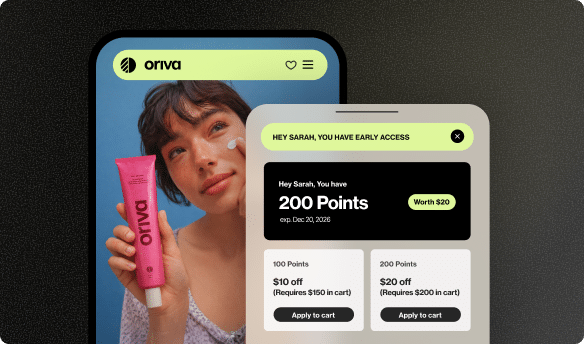
With Yotpo Loyalty, you can create engaging reward programs that encourage repeat purchases and build a community around your brand. When customers are part of a loyalty program, they’re more engaged. They might search for things like:
- “How to earn points with [Your Brand] rewards program”
- “What perks do I get with [Your Brand] loyalty tier?”
- “Best loyalty programs for beauty products” (if your program is really good!)
By creating content that answers these kinds of specific questions about your loyalty program and rewards, you can capture more long-tail traffic. For instance, a dedicated page explaining your loyalty tiers or how to redeem points is a prime spot for these keywords. This doesn’t just help with SEO; it also educates your loyal customers and keeps them engaged.
Ultimately, Reviews and Loyalty create a richer online presence. Every customer interaction and program detail becomes a pathway for potential customers to find you through specific, long-tail searches. They build a comprehensive brand picture that search engines, and customers, will love. Find out more about building the best loyalty programs.
The Tail End: Wrapping Up Long-Tail Keywords
So, there you have it! Long-tail keywords might seem a little bit hidden in the vast ocean of online searches, but they are incredibly powerful tools for any business looking to truly connect with its audience. By focusing on these longer, more specific phrases, you can:
- Reach customers who know exactly what they want and are ready to buy.
- Stand out from the crowd in less competitive search results.
- Build trust and loyalty by providing highly relevant information.
- Gain valuable insights into what your customers are really looking for.
Remember, it’s not about trying to guess every possible long-tail keyword out there. It’s about truly understanding your customers, listening to their needs, and creating helpful content that answers their specific questions. Whether through authentic customer reviews gathered by Yotpo Reviews or by informing customers about your exciting rewards with Yotpo Loyalty, embracing long-tail keywords is a smart strategy for long-term online success. Start thinking “long” in your keyword strategy, and watch your business thrive!










 Join a free demo, personalized to fit your needs